
Worried about what will fail a car inspection in Missouri? You’re not alone. Navigating state vehicle laws can be confusing, and no one wants the hassle or expense of a failed inspection.
A vehicle will fail a Missouri car inspection if it has critical safety defects in its brakes, lights, tires, steering, glass, or exhaust system. Additionally, vehicles registered in the St. Louis metropolitan area may fail for emissions issues, typically identified by the “Check Engine” light. The inspection is governed by the Missouri State Highway Patrol to ensure all vehicles are roadworthy.
Based on an analysis of current Missouri Department of Revenue (DOR) and MSHP standards, this guide breaks down the exact failure points. You will discover the specific measurements and criteria inspectors use, empowering you to check your vehicle before your appointment and pass the first time.
Key Facts
- Inspection Cost: The fee for a standard safety inspection is set by law and is typically $12.00, while the emissions test required in certain areas can cost up to $24.00.
- Certificate Validity: A passing inspection certificate is only valid for 60 days, so you must complete your registration renewal within that window.
- Re-Inspection Window: If you fail, you have 20 business days to get repairs and return to the same station for one free re-inspection of the failed items.
- Tire Tread Depth: A common failure point is tire tread depth, which must be at least 2/32 of an inch in any two adjacent major grooves.
- Check Engine Light: A check engine light is an automatic failure for an emissions test but will not fail a standard safety-only inspection.
What Will Fail a Missouri Car Inspection?
The primary goal of the Missouri Motor Vehicle Safety Inspection is to ensure every car on the road is mechanically sound and safe to operate. Governed by the Missouri State Highway Patrol (MSHP), these regulations are designed to identify safety hazards before they can cause an accident. A vehicle will fail this inspection if its core safety components do not meet the minimum standards outlined in the missouri revised statutes. This includes everything from the thickness of your brake pads to the aim of your headlights.

Understanding these specific failure points is the first step toward a successful inspection. The process is directly linked to your vehicle registration renewal with the Missouri Department of Revenue. Without a passing certificate, you cannot legally register your car. While it might seem like a hassle, the inspection serves as a critical check on automotive repair safety, protecting you and other drivers. For vehicles registered in certain counties, a separate emissions inspection is also required, adding another layer of compliance.
What is the Missouri 10-Year / 150,000-Mile Inspection Exemption?
Many Missouri drivers are exempt from the biennial safety inspection due to a specific rule based on vehicle age and mileage. This is one of the most common areas of confusion for vehicle owners. The missouri safety inspection exemptions are designed to streamline the process for newer, lower-mileage vehicles that are less likely to have significant safety issues.
This rule directly impacts your missouri vehicle registration renewal process. If your vehicle qualifies, the Missouri Department of Revenue does not require you to present an inspection certificate. However, it’s critical to understand that both conditions must be met.
IMPORTANT: The Exemption Rule
A safety inspection is NOT required if your vehicle meets BOTH of the following criteria:
1. It is within the first 10 model years of manufacture.
2. The odometer reads less than 150,000 miles.
Here are a few examples to make it clear for the 2026 registration cycle:
- ✅ Car A: A [year-5] model with 80,000 miles. It is less than 10 years old AND under 150,000 miles. It is EXEMPT.
- ❌ Car B: A [year-3] model with 165,000 miles. While it is less than 10 years old, it is OVER 150,000 miles. It NEEDS an inspection.
- ❌ Car C: A [year-11] model with 50,000 miles. While it is under 150,000 miles, it is OLDER than 10 years. It NEEDS an inspection.
Remember, this exemption applies only to the safety inspection. It does not apply to the emissions inspection required in the St. Louis area.
Will a Check Engine Light Fail a Missouri Inspection?
The answer depends entirely on where your vehicle is registered and what type of inspection is required. This is a critical distinction that trips up many drivers. An illuminated check engine light failure is not a universal issue; it is tied specifically to emissions testing, which is geographically limited in Missouri.
For the vast majority of the state, only a safety inspection is required. However, for vehicles registered in the St. Louis region under the Gateway Vehicle Inspection Program (VIP), both a safety and an emissions inspection are mandatory. The check engine light is the main indicator used during the emissions portion of the test, which relies on your car’s OBD-II System (On-Board Diagnostics). An active light indicates a fault and results in an automatic failure of the emissions test.
Here’s a clear breakdown:
| Inspection Type | Location | Check Engine Light Status | Result |
|---|---|---|---|
| Safety Inspection Only | Statewide | On or Off | PASS (Not checked) |
| Safety + Emissions | St. Louis, St. Charles, Franklin, Jefferson, St. Louis City | Light is ON | FAIL (Automatic Failure) |
| Safety + Emissions | St. Louis, St. Charles, Franklin, Jefferson, St. Louis City | Light is OFF | PASS (If OBD-II shows no codes) |
Expert Insight: Simply clearing the code with an obd-II diagnostic scanner right before the test will not work. The system’s “readiness monitors” will be reset to a “not ready” state, which also causes an emissions failure. The underlying problem must be repaired so the light stays off and the monitors can complete their self-checks.
What Is on the Missouri Vehicle Inspection Checklist?
The official Missouri safety inspection checklist, based on MSHP Form SHP-494, is a comprehensive review of your vehicle’s most critical safety systems. Inspectors methodically check each component against state-mandated standards to ensure your vehicle is roadworthy and not a hazard to you or others. Knowing these items allows you to perform a “pre-inspection” at home to catch obvious problems.
The inspection covers the following major areas:
- Brakes (including parking brake)
- Steering and Suspension
- Tires and Wheels
- All Lighting and Electrical Systems
- Horn, Mirrors, and Wipers
- Vehicle Glass (especially the windshield)
- Exhaust and Fuel Systems
Let’s dive into the specifics for the most common failure points.
How Are Brakes, Steering, and Suspension Inspected?
These systems are checked for wear, leaks, and excessive play to ensure you can control and stop your vehicle effectively. An inspector will physically and visually examine these components.
- Brakes: Brake pads must have more than 2/32″ of friction material remaining. The inspector will check for any leaks in brake lines or hoses and ensure the brake pedal feels firm (no “spongy” feeling). The parking brake must also fully engage and hold the vehicle.
- Steering: There cannot be excessive “play” or looseness in the steering wheel. The inspector will turn the wheel and check for more than the factory specifications allow for lash. They also check power steering for fluid leaks.
- Suspension: Inspectors look for leaking shock absorbers, broken springs, and worn or loose ball joints and other suspension components that could affect stability and alignment.
What Are the Requirements for Tires and Wheels?
Tires are one of the most frequent reasons for inspection failure. The rules are specific and easy to check yourself.
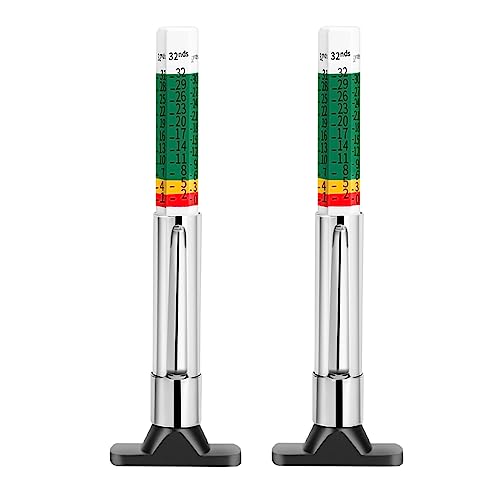
- Tread Depth: Your tires must have a minimum tread depth of 2/32 of an inch. An easy way to check this is the “penny test.” Place a penny with Lincoln’s head upside down in the tread groove. If you can see the top of his head, your tires are likely too worn and will fail.
- Tire Condition: Tires cannot have any bumps, bulges, knots, or exposed fabric or belts.
- Wheels: Rims cannot be bent, cracked, or have elongated bolt holes.
Can a Car Pass Inspection with a Cracked Windshield in MO?
This is a high-volume question with a nuanced answer. A car can pass with a cracked windshield, but it depends entirely on the location and size of the damage. The cracked windshield missouri law is focused on whether the damage obstructs the driver’s vision.
The Windshield Rule: Damage is a failure if it is located within the normal area cleaned by the windshield wipers on the driver’s side. Specifically, any star-shaped chip larger than a quarter or any crack that obstructs the driver’s view in this area is a failure.
What most guides miss is the importance of the AS-1 windshield marking. This small line near the top of your windshield indicates the highest point where tint is legally allowed. Any cracks or severe damage in the area swept by the wipers above this line are also grounds for failure. Small chips or cracks outside the driver’s direct line of sight are generally acceptable.
What Lighting and Electrical Failures Occur?
All required lights must be functional and properly aimed. This is another common but easily preventable failure. Our experience shows that a simple walk-around check can save you a trip back to the station.
- Exterior Lights: Headlights (both high and low beams), tail lights, brake lights, turn signals (front and rear), and the license plate light must all work.
- Headlight Condition: Headlights cannot be excessively cloudy, discolored, or misaligned. The high beam indicator circuit on your dashboard must also light up when high beams are on.
- Horn: The horn must be audible from a distance of at least 200 feet.
A helpful tip is to park facing a garage door or storefront window at night. You can turn on your lights and see the reflection to check if headlights, high beams, and turn signals are working without needing a second person.
What Happens If You Fail a Safety Inspection in Missouri?
Failing an inspection can be frustrating, but the process for getting it resolved is straightforward. If you fail, you will receive an official report detailing the specific items that did not meet the state’s standards. You cannot renew your vehicle’s registration until these issues are fixed and the vehicle passes.
Here is the step-by-step process:
- Receive the Failure Report: The inspector will provide a document listing every component that failed. This is your repair checklist.
- Repair the Failed Items: You must have the items on the report repaired. You can do this yourself or take it to any repair shop.
- Return for Re-inspection: You have 20 business days to return to the same inspection station.
- Get a Free Re-test: If you return within the 20-day window, the station will perform one re-inspection of only the failed items for free.
- Pass and Renew: Once the repaired items pass, you will receive the approval certificate needed to complete your vehicle registration renewal.
Pro Tip: Keep your failure report safe! The inspection station needs it to verify which items need to be re-checked. If you lose the report or go to a different station, you will have to pay for a full new inspection. For emissions failures, you may need to see a Missouri Recognized Repair Technician (MRRT) to qualify for a cost waiver if repairs are extensive.
FAQs About what will fail a car inspection in missouri
How much is a car inspection in Missouri?
The maximum fee for a Missouri safety inspection is set by law at $12.00. The emissions inspection, which is required in St. Louis City, St. Louis County, St. Charles County, Franklin County, and Jefferson County, can cost up to $24.00. These fees are paid to the authorized inspection station.
How long is a Missouri inspection good for?
A passing Missouri safety inspection certificate is valid for 60 days. You must use this certificate to complete your vehicle’s registration or title transfer within this 60-day period. If you wait longer than 60 days, the certificate expires, and you will need a new inspection.
Do trailers need inspections in Missouri?
Yes, most trailers require a biennial safety inspection in Missouri. The main exception is for trailers with a gross weight under 3,000 lbs that are not used for commercial hauling. If your trailer is heavier or used for business, it needs to be inspected.
Is a cracked mirror a failure in Missouri?
Yes, a cracked, broken, or non-functional mirror will cause a vehicle to fail inspection. MSHP regulations require that all required mirrors—both rearview and side-view—be securely mounted, in good condition, and provide the driver with a clear and unobstructed view to the rear.
Can you fail for loud exhaust in Missouri?
Yes, an excessively loud exhaust is a reason for failure. The exhaust system cannot have any holes, leaks, patches, or loose parts. While there is no specific decibel limit, the inspector can use their judgment to fail a system that is noticeably louder than the original factory equipment.
Is the parking brake checked in MO inspection?
Yes, the parking brake is a mandatory check item. The inspector must verify that the parking brake, also known as the emergency brake, fully engages and is strong enough to hold the vehicle stationary on an incline. A weak or non-functional parking brake is an automatic failure.
What is the window tint limit in Missouri?
On passenger cars, the front side windows must allow more than 35% of light to pass through. The rear side windows and back windshield can be any level of darkness. For trucks, vans, and SUVs, the front side windows follow the same 35% rule, but all windows behind the driver can be tinted to any degree.
Do classic or historic cars need inspections in Missouri?
No, vehicles properly registered with Historic plates in Missouri are exempt from both safety and emissions inspections. To qualify for historic registration, a vehicle must be at least 25 years old and be used primarily for exhibitions, club activities, and parades, not as a daily vehicle.
Do I need an inspection to sell a car in Missouri?
Yes, as the seller, you are generally required to provide the buyer with a valid safety inspection certificate issued within the last 60 days. This is necessary for the buyer to title and register the vehicle. The only exception is for vehicles that qualify for the 10-year/150,000-mile exemption.
What are the bumper height limits in Missouri?
Yes, Missouri enforces specific bumper height laws based on the vehicle’s weight. For a standard passenger car, the maximum height for both front and rear bumpers is 22 inches from the ground. For trucks, the limits are higher and tiered, ranging from 24 inches to 30 inches depending on the Gross Vehicle Weight Rating (GVWR).
Final Thoughts
Navigating the Missouri vehicle inspection process doesn’t have to be a source of stress. The key to passing is proactive preparation. By using this guide as your checklist, you can confidently review your vehicle’s most critical safety systems—its brakes, tires, lights, and glass—against the official standards set by the MSHP. Understanding the specific rules, like the 2/32″ tire tread minimum and the nuanced check engine light policy, empowers you to identify and address common failure points before you even schedule your appointment. Taking a few minutes to check these items can save you time, money, and the frustration of a failed inspection.
Last update on 2026-03-13 / Affiliate links / Images from Amazon Product Advertising API


