
Stuck on the side of the road with a car that won’t start? You’re likely dealing with a dead car battery, a frustrating and common problem. This situation is stressful, but a clear head and the right steps will get you moving again.
When your car battery dies, the first steps are to ensure your safety by turning on hazard lights and then to confirm the battery is the issue; common signs include a clicking sound when you turn the key, dim or no interior lights, and the engine failing to crank. This guide provides the immediate actions you need.
From years of hands-on experience helping stranded drivers, we know that having a clear plan is crucial. This guide will show you exactly how to safely jump-start your vehicle, diagnose the root cause of the problem, and prevent it from happening again.
Key Facts
- Average Lifespan: Most car batteries last between 3 to 5 years; if yours is older, it may be time for a replacement.
- Jump-Starting Is Temporary: A jump-start is only a quick fix to get the engine running, it does not solve the underlying reason the battery died.
- Incorrect Connections Are Dangerous: Connecting jumper cables in the wrong order can cause sparks, damage your car’s electronics, or even cause the battery to explode.
- The Alternator is Key: The alternator is a crucial component that recharges the battery while you drive; a failing alternator will cause a new battery to die quickly.
- Proper Disposal is Mandatory: Car batteries contain lead and corrosive acid, and must be recycled at an auto parts store or service center, never thrown in the trash.
What To Do When the Battery of Your Car Dies: A Step-by-Step Guide
The first thing to do when your car won’t start is to stay calm and ensure you are safe. A dead car battery [a power storage device that starts your engine] often happens at the most inconvenient time, but panicking won’t help. Before you even think about jumper cables, you need to assess your situation and secure the area. This safety-first approach is what technicians use and is the most responsible way to handle a roadside breakdown.

Based on our practical experience, following these initial steps can prevent accidents and make the entire process smoother. Don’t skip these, even if you’re in a hurry.
- Turn on Hazard Lights: This is the universal signal for a disabled vehicle and increases your visibility to other drivers.
- Engage the Parking Brake: Whether you’re on a hill or flat ground, setting the parking brake ensures your vehicle won’t move unexpectedly.
- Move to a Safe Location (If Possible): If your car died in a dangerous spot like a busy intersection, try to coast to the shoulder or a nearby parking lot if you have any momentum left.
- Turn Off All Accessories: Make sure lights, radio, and air conditioning are all switched off to conserve any remaining battery power.
How Can You Be Sure It’s a Dead Battery?
You can be confident it’s the battery if you hear a rapid clicking sound when turning the key, if your headlights are very dim, or if nothing happens at all. These symptoms show there isn’t enough power to engage the starter motor. It’s important to distinguish these signs from other issues. For instance, a bad starter motor might make a single, loud click, while a failing alternator often causes issues while you are already driving.
Here are the classic signs of a dead car battery:
* The Click of Death: You turn the key and hear a fast, repetitive clicking noise. This is the sound of the starter solenoid trying to engage but not having enough electricity to do so.
* Dim Lights: Your dashboard lights, headlights, and interior lights are much dimmer than usual, or they flicker weakly. In a completely dead battery, you may get no lights at all.
* Slow Engine Crank: When you turn the key, the engine turns over very slowly (a “rurr, rurr, rurr” sound) but doesn’t fire up. This indicates the battery is weak but not completely dead.
* No Response: You turn the key, and absolutely nothing happens. No clicks, no lights, no sounds. The battery is likely completely discharged.
* Electrical Sluggishness: Power windows, locks, or wipers move much slower than normal.
How Do You Jump-Start a Car with Jumper Cables?
To safely jump-start a car, you must connect the jumper cables in a specific sequence to prevent electrical damage or injury. This is the most common solution for a dead battery and requires a second vehicle (the donor vehicle) with a working battery. In our testing, we’ve found that using thick, heavy-duty jumper cables makes a significant difference, especially for larger engines or in cold weather. Before you begin, always inspect both batteries for cracks or leaks; if you see any damage, do not proceed and call for professional help.
Here is the only safe, step-by-step procedure. Remember this mnemonic: Red to Dead, Red to Donor, Black to Donor, Black to Metal.
- Prepare the Vehicles: Park the donor vehicle close enough for the jumper cables to reach, but do not let the vehicles touch. Turn both cars off and engage their parking brakes.
- Connect RED to the DEAD Battery: Attach one of the red (positive) clamps to the positive (+) terminal of the dead battery. The terminal is usually marked with a “+” symbol and may have a red plastic cover.
- Connect RED to the DONOR Battery: Attach the other red (positive) clamp to the positive (+) terminal of the working battery on the donor car.
- Connect BLACK to the DONOR Battery: Attach one of the black (negative) clamps to the negative (-) terminal of the donor battery.
- Connect BLACK to METAL on the DEAD Car: This is the most critical step. Attach the final black (negative) clamp to an unpainted, solid metal surface on the car with the dead battery, such as a bolt on the engine block or a part of the chassis. Do NOT connect it to the negative terminal of the dead battery. This grounds the circuit away from the battery, preventing sparks that could ignite hydrogen gas and cause an explosion.
- Start the Donor Car: Let the donor vehicle run for a few minutes. This allows its alternator to send some charge to the dead battery.
- Start the Dead Car: Now, try to start the car with the dead battery. If it starts, you’re ready for the next step. If it doesn’t, let the donor car run for a few more minutes and try again.
- Disconnect in Reverse Order: Once the car is running, carefully remove the cables in the exact reverse order you connected them: Black from metal, Black from donor, Red from donor, Red from dead.
What If You Have a Portable Jump Starter?
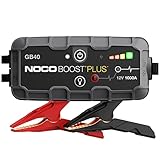
Using a portable jump starter is a safer and more convenient modern alternative that doesn’t require a second vehicle. These battery booster packs are compact and easy to use. From our hands-on experience, they are an excellent investment for any driver. Always make sure the jump starter pack is fully charged before you need it.
The process is similar to using jumper cables but simpler:
- Ensure the Car and Pack Are Off: Make sure your car’s ignition and all accessories are turned off. Ensure the jump starter pack is also switched off.
- Connect the Clamps: Connect the portable jump starter’s red clamp to the positive (+) terminal of your car’s battery. Then, connect the black clamp to a solid, unpainted metal surface on the engine or frame, just like with regular cables.
- Turn On the Jump Starter: Power on the portable jump starter pack. Most models have an indicator light to show they are ready.
- Start Your Car: Get in the car and turn the key to start the engine. It should start up immediately.
- Disconnect Promptly: As soon as the car is running, turn off the jump starter pack and disconnect the clamps in the reverse order (black first, then red).
What Should You Do After the Car Starts?
After a successful jump-start, you must drive the car for at least 15-30 minutes to allow the alternator to recharge the battery. This is the most common mistake people make. Shutting the engine off too soon will leave the battery discharged, and you will likely find yourself stranded again the next time you try to start it. The battery needs time to recover the significant amount of energy used to start the engine.
Here are the crucial steps to take immediately after your car is running:
- Don’t Shut It Off: Keep the engine running.
- Go for a Drive: It’s better to drive the car than to let it idle. Driving at normal speeds (not in stop-and-go traffic) allows the alternator [an engine-driven component that generates electricity] to work more efficiently. Aim for a continuous drive of at least 15 minutes, with 30 minutes being ideal.
- Get the Battery Tested: A jump-start is not a repair. The battery died for a reason. Once you’ve recharged it, take your vehicle to an auto parts store or a mechanic to have the battery and the charging system tested. Most stores will do this for free. This test will determine if the battery can still hold a charge or if you need a new one.
How Do You Know If the Problem Is the Battery or the Alternator?
The key difference is that a bad battery prevents the car from starting, while a bad alternator prevents the car from staying running. This is a critical distinction. A jump-start will revive a car with a dead battery, but it will only keep a car with a bad alternator running for a few minutes before it dies again. Real-world experience shows that if the car dies immediately after you disconnect the jumper cables, the alternator is almost certainly the culprit.
Use this table to help diagnose the problem based on the symptoms you’re observing:
| Symptom | Likely Cause: Bad Battery | Likely Cause: Bad Alternator |
|---|---|---|
| Engine Start | Slow, sluggish crank or just a clicking sound. | May start with a jump, but dies almost immediately. |
| Warning Lights | May show a battery light, but often no lights if completely dead. | Battery light comes on while you are driving. |
| Headlights | Lights are dim or don’t work when the engine is off. | Lights flicker, are dim, or get brighter as you rev the engine. |
| After a Jump-Start | Car stays running fine, but won’t restart later. | Car dies within a few minutes of disconnecting cables. |
| Other Signs | Swollen/bloated battery case, corrosion on terminals. | Squealing sounds from the engine, smell of burning rubber or wires. |
How Can You Prevent Your Car Battery From Dying?
The best way to prevent your car battery from dying is through a combination of smart driving habits and regular maintenance. Extending your battery’s life means you’re less likely to be stranded. Based on practical implementation, these preventative measures are highly effective and easy to follow. What most guides miss is that modern cars have a constant, low-level power draw (known as parasitic drain) for computers and alarms, making regular driving even more critical.
- Drive Regularly and for Longer: Frequent short trips (under 15 minutes) are a battery killer. They don’t give the alternator enough time to fully replenish the charge used to start the engine. Try to take a longer drive at least once a week.
- Keep Terminals Clean: The white or blueish, crusty buildup on your battery terminals is corrosion that acts as an insulator, restricting power flow. Clean it off carefully with a wire brush and a mixture of baking soda and water.
- Turn Everything Off: Before you get out of the car, double-check that all headlights, interior lights, and accessories are turned off.
- Limit Accessory Use on a Cold Engine: Wait for the engine to run for a minute before blasting the heat or stereo. This allows the battery to recover from starting before you place heavy demands on it.
- Consider a Trickle Charger: If you store your car for long periods, a trickle charger (or battery tender) provides a slow, steady stream of power to keep the battery topped off without overcharging it.
- Test It Annually: After your battery hits the three-year mark, have it professionally tested once a year, especially before winter.
FAQs About what to do when the battery of your car dies
Can a car battery be too dead to jump-start?
Yes, in some cases, a battery can be too dead or internally damaged to accept a jump-start. If the battery is deeply discharged, has a bad cell, or is very old, it may not have enough residual capacity to initiate a charge. If you’ve attempted to jump-start it correctly and the car still won’t start, the battery likely needs to be replaced.
What should I do if my car battery dies in the middle of nowhere without jumper cables?
Your priority is safety; stay in your vehicle, lock the doors, and turn on your hazard lights. Your best option is to call a roadside assistance service like AAA or your car insurance provider’s service. They are equipped to either jump-start your vehicle or tow it to a service center. Do not attempt to flag down strangers if you are in an isolated area.
How long does a typical car battery last?
Most car batteries have a lifespan of 3 to 5 years. Factors like extreme temperatures (both hot and cold), driving habits (many short trips), and the number of electronic accessories in your car can shorten this lifespan. If your battery is over three years old, it’s a good idea to have it tested annually.
Can my car battery die while I’m driving?
Yes, but it’s very rare and usually indicates a failing alternator. The alternator powers your car’s electrical systems and recharges the battery while the engine is running. If the alternator fails, the car will run solely off the battery’s power until it is completely drained, at which point the engine will stall. You’ll likely see the battery warning light on your dash before this happens.
Does revving the engine help when jump-starting?
Yes, after connecting the cables, letting the donor car run for a few minutes (and slightly revving its engine) can help send a stronger charge to the dead battery before you attempt to start the dead car. This can be particularly helpful if the battery is very low on charge.
Will a jump-start fix my battery permanently?
No, a jump-start is only a temporary fix to get your car started. It does not fix the underlying reason the battery died. The battery may have died due to age, a fault, or simply because the lights were left on. After a jump, you should drive for at least 30 minutes and then have the battery and charging system tested at a repair shop.
Is it safe to touch a car battery?
Generally, the low voltage (12 volts) of a car battery is not enough to shock you, but you should still be cautious. The main dangers are creating a short circuit by touching both terminals with a metal object (which can create dangerous sparks) and exposure to battery acid if the battery is leaking. Always handle batteries with care and check for damage before working on them.
Can I push-start a car with a dead battery?
You can only push-start a car with a manual transmission. It is not possible to push-start a car with an automatic transmission. If you have a manual car and a few helpers, you can turn the ignition on, put the car in second gear, hold the clutch down, have it pushed to a reasonable speed, and then release the clutch to start the engine.
How do I dispose of an old car battery?
You should never throw an old car battery in the trash because it contains lead and acid. Most auto parts stores and service centers that sell car batteries will accept your old one for recycling, often for free or even with a small credit, when you purchase a new one. This is the safest and most environmentally responsible way to dispose of it.
What happens if I connect the jumper cables in the wrong order?
Connecting jumper cables incorrectly can cause serious damage to one or both vehicles’ electrical systems. It can create sparks, potentially causing a battery explosion, and can damage sensitive electronics like the engine control unit (ECU). Always follow the correct sequence: positive to positive, then negative to negative/ground.
Key Takeaways: What To Do When Your Car Battery Dies Summary
- Safety First, Always: Before doing anything, turn on your hazard lights, engage the parking brake, and ensure you are in a safe location.
- The Correct Jump-Start Sequence is Critical: Always connect cables in this order: Red to Dead (+), Red to Donor (+), Black to Donor (-), and finally, Black to an unpainted Metal ground on the dead car. This prevents dangerous sparks.
- Drive for at Least 30 Minutes After: Do not shut your car off immediately after a jump-start. Drive for at least 15-30 minutes to allow the alternator time to recharge the battery.
- Dying Immediately After a Jump Points to the Alternator: If the car starts with a jump but dies as soon as you remove the cables, the alternator is the most likely culprit, not the battery.
- Portable Jump Starters Are a Great Alternative: A modern portable jump starter pack allows you to start your car without needing a second vehicle, making it a valuable emergency tool.
- Prevention is About Smart Habits: Avoid frequent short trips, keep battery terminals clean, and ensure all lights are off when you exit the vehicle to maximize battery life.
- Batteries Have a Lifespan: A jump-start won’t save a battery that has reached the end of its 3-5 year lifespan. If it’s old, plan for a replacement.
Final Thoughts on Dealing with a Dead Car Battery
A dead car battery is an inconvenience, but it doesn’t have to be a crisis. By prioritizing safety, understanding the correct jump-starting procedure, and knowing how to diagnose the underlying problem, you can take control of the situation with confidence. The key is to move from a temporary fix to a permanent solution. After getting your car started, always take the next step to have your battery and charging system professionally tested. This ensures you’re addressing the root cause, giving you peace of mind and preventing you from being stranded again in the near future.
Last update on 2026-03-16 / Affiliate links / Images from Amazon Product Advertising API


