Wondering what soap you should use to wash your car? It’s a critical question, as using the wrong product can do more harm than good. Many car owners unknowingly risk damaging their vehicle’s finish.
To wash your car, you should use a dedicated, pH-neutral car wash soap specifically formulated for automotive finishes. These soaps safely lift dirt and grime without stripping essential waxes, sealants, or clear coats. Harsher household detergents can damage these protective layers, compromising your vehicle’s appearance and protection.
Based on expert consensus and scientific principles, this guide provides everything you need to know. We will explore why specialized car soaps are vital for paint protection. You’ll discover the different types available and how to choose the perfect one for your vehicle’s specific needs.
Key Facts
- pH Balance is Critical: Using soaps that are too acidic or alkaline can damage your car’s clear coat. Highly acidic soaps can etch the finish, while highly alkaline soaps can break down protective oils, leading to a dull appearance.
- Household Soaps Strip Protection: Dish soap and other household detergents are designed to strip grease and oils, which means they also remove the protective wax and sealant from your car’s paint, leaving it vulnerable to UV rays and contaminants.
- Swirl Marks Are Micro-Scratches: Improper washing techniques, often a result of poor lubrication from the wrong soap, cause microscopic scratches in the clear coat known as swirl marks. While cosmetic, they dull the paint’s shine and can worsen over time.
- Specialized Soaps Offer Lubricity: Dedicated car wash soaps contain lubricants that create a slick surface, allowing dirt to glide off without scratching the paint during a wash. This is a feature household soaps lack.
- Paint Protection is a System: A car’s finish is a multi-layered system. The clear coat provides UV protection, and wax or sealant acts as a sacrificial barrier. Using the right soap is essential to maintaining this entire system.
What Soap Should You Use to Wash Your Car? The Ultimate Guide to Protecting Your Paint in 2026
The definitive answer is to always opt for a specialized, pH-neutral car wash soap. These products are engineered with two primary goals: to effectively clean your vehicle and to protect its delicate finish. Unlike household detergents, car wash soaps are formulated to be gentle on your car’s clear coat, wax, sealants, and any ceramic coatings, ensuring that you remove only the dirt and not the vital protective layers. The key attributes that set these soaps apart are their balanced pH and high lubricity, which work together to provide a safe and effective wash every time.

Understanding these properties is the first step toward becoming a more informed car owner. The pH level determines how acidic or alkaline a cleaner is, directly impacting its interaction with your paint. Meanwhile, lubricity refers to the soap’s slipperiness, which is crucial for preventing scratches as you wash. This guide will break down these concepts and explore the different types of car soaps available, helping you make the best choice for your vehicle and maintain its value and appearance for years to come.
What is pH Balance and Why is it Critical for Car Wash Soaps?
pH balance refers to how acidic or alkaline a liquid is on a scale from 0 to 14, and it’s critical for car wash soaps because a neutral pH of 7 is the safest for all vehicle surfaces. Anything too far from this neutral center can cause chemical damage to your car’s finish. Think of it as a chemical balancing act for your paint.
Highly acidic soaps (with a pH below 6) can etch and soften the clear coat, making it more vulnerable to oxidation and fading. Conversely, highly alkaline soaps (with a pH above 8), like many household degreasers and dish soaps, are aggressive cleaners that strip away waxes and sealants. This action leaves the underlying paint exposed to environmental damage from UV rays, bird droppings, and acid rain.
A pH-neutral car soap [a soap formulated to have a pH level of approximately 7] cleans effectively by lifting dirt and grime without resorting to harsh chemical reactions. This ensures that the protective layers you’ve applied, such as wax or ceramic coatings, remain intact, preserving your car’s shine and longevity.
How Does Lubricity in Car Soap Protect Your Paint During Washing?
Lubricity in car soap is the slick, slippery quality that reduces friction between your wash mitt and the car’s paint, and it’s essential for preventing scratches. When you wash your car, dirt and grit particles are trapped in your wash mitt. Without sufficient lubrication, these particles are dragged across the surface, acting like fine-grit sandpaper and creating microscopic scratches known as swirl marks.
A high-lubricity car soap creates a protective barrier, allowing the wash mitt to glide smoothly over the paint. The slippery formula encapsulates abrasive dirt particles, lifting them from the surface so they can be rinsed away safely without grinding into the clear coat. This is a key feature that separates high-quality automotive shampoos from household alternatives like dish soap, which offers very little lubrication and can increase the risk of scratching.
By choosing a soap with excellent lubricity, you are actively protecting your paint from the mechanical damage that is all too common during a wash. This simple choice is one of the most effective ways to maintain a flawless, swirl-free finish.
What Are the Different Types of Car Wash Soaps Available for Your Vehicle?
There are several distinct types of car wash soaps, each designed for specific purposes, from basic maintenance to adding protection. The most common categories include pH-neutral maintenance soaps, wash and wax formulas, advanced ceramic-infused shampoos, and convenient rinseless or waterless washes. Understanding this variety allows you to select a product perfectly matched to your vehicle’s finish, your desired outcome, and your washing environment.
- pH-Neutral Soaps: These are the workhorses of car washing, ideal for safe, routine cleaning that won’t strip existing protection.
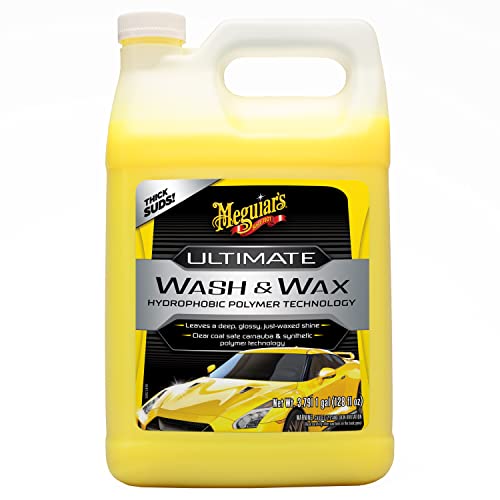
- Wash & Wax Soaps: These products combine cleaning agents with carnauba or synthetic waxes to add a quick layer of shine and minor protection in one step.
- Ceramic-Infused Soaps: Formulated with SiO2 (silica) polymers, these soaps are designed to boost the hydrophobicity and durability of existing ceramic coatings or add a temporary layer of ceramic protection to uncoated vehicles.
- Rinseless & Waterless Washes: Perfect for light cleaning in areas with water restrictions, these offer a convenient way to wash a car with minimal water.
This diversity ensures that whether you’re a detailing enthusiast with a ceramic-coated show car or a daily driver needing a quick, effective clean, there’s a soap formulation built for you.
What Are pH-Neutral Car Soaps and When Should You Use Them?
pH-neutral car soaps are formulations with a balanced pH level around 7, the same as pure water, making them the safest option for any automotive finish. You should use them for all regular maintenance washes, as their primary job is to clean effectively without causing any chemical harm.
Because they are chemically gentle, pH-neutral soaps will not degrade or strip away existing layers of protection like wax, sealants, or ceramic coatings. This makes them the default choice for enthusiasts and professionals who want to preserve their hard work and keep the car’s protective barrier intact.
Best Use Cases:
* Weekly or bi-weekly maintenance washes.
* Washing vehicles with existing wax, sealant, or ceramic coatings.
* Cleaning sensitive surfaces like plastic trim and rubber seals without risk of fading.
How Do Wash and Wax Car Soaps Work, and Are They Effective?
Wash and wax car soaps work by combining traditional cleaning agents with wax polymers (like carnauba or synthetic versions) to leave behind a thin layer of protection as you wash. They are effective at providing a temporary boost in shine and water-beading, making them a convenient one-step solution for those short on time.
However, it’s crucial to manage expectations. The protection left by a wash and wax soap is not as durable or robust as a dedicated, hand-applied paste wax or sealant. Think of it as a maintenance topper that can extend the life of your primary protective layer between full details, rather than being the primary protection itself.
✅ Pros:
* Saves time by combining two steps into one.
* Adds noticeable gloss and water-beading.
* Budget-friendly and widely available.
❌ Cons:
* Protection is not long-lasting (often just a week or two).
* Not a substitute for dedicated waxing or sealing.
* Some waxy formulas can clog foam cannons.
What Are Ceramic-Infused Car Soaps and Who Should Use Them?
Ceramic-infused car soaps are advanced shampoos containing silica (SiO2) or graphene polymers that create a durable, hydrophobic layer on your car’s surface. They are designed to bond with the paint and enhance water beading, gloss, and resistance to contaminants.
These soaps are best for two types of users. First and foremost, they are ideal for car owners who already have a ceramic coating on their vehicle. Using a ceramic soap acts as a “booster,” rejuvenating the properties of the existing coating and extending its life. Second, they can be used on uncoated cars to provide an easy-to-apply, temporary layer of ceramic protection that offers better durability and performance than a typical wash and wax.
When Should You Use Waterless or Rinseless Car Washes?
Waterless and rinseless car washes are specialized solutions best used for cleaning vehicles with only light dust or surface grime, especially in situations where a traditional hose and bucket wash is not possible. They are perfect for apartment dwellers, areas with water restrictions, or for quick touch-ups between full washes.
- Waterless Wash: This comes in a spray bottle. You spray it directly onto a panel and carefully wipe away the dirt with a plush microfiber towel. It uses high-lubricity polymers to encapsulate dirt and lift it safely.
- Rinseless Wash: This involves diluting a small amount of concentrated solution into a single bucket of water. You wash the car panel by panel with a soaked wash mitt and then dry it immediately without a final rinse.
It is critical to note that these methods should never be used on heavily soiled or muddy vehicles. Attempting to clean thick grit without ample water can easily lead to deep scratches in the paint.
Can You Use Dish Soap to Wash Your Car: The Truth Revealed?
No, you should not use dish soap for routine car washing because its powerful degreasing agents strip away the essential protective layers of wax and sealant from your paint. While dish soap is excellent at removing stubborn grease from plates, this same strength is precisely what makes it harmful to your car’s finish. Stripping this protection leaves the clear coat exposed and vulnerable.
This exposure can lead to a host of problems. Without a wax or sealant barrier, your car’s paint is susceptible to accelerated oxidation from UV rays, which causes fading and dullness. It also allows environmental contaminants like bird droppings and acid rain to directly contact and etch the paint. In short, while dish soap will certainly clean your car, it does so at the cost of its long-term health and appearance.
The only exception where detailers might use dish soap is as a dedicated “strip wash” before a full paint correction and reapplication of wax or ceramic coating, as it effectively removes all old products from the surface. For regular maintenance, always stick to a dedicated car soap.
Why Can Dish Soap Be Harmful to Your Car’s Finish?
Dish soap is harmful to a car’s finish because its formulation is fundamentally too aggressive for automotive paint. Dish soaps contain powerful surfactants and degreasing agents designed to break down and dissolve stubborn oils and food residue. When applied to a car, these same agents cannot distinguish between unwanted grime and the beneficial oils, waxes, and polymers that make up your vehicle’s protective layers.
This stripping action leads to several negative consequences:
* Removes Wax and Sealants: The primary function of a wax or sealant is to act as a sacrificial barrier. Dish soap removes this barrier, leaving the paint naked and unprotected.
* Dulls the Finish: By stripping away protective coatings and essential oils within the paint, the finish can become dull, dry, and lose its deep gloss.
* Accelerates Oxidation: With the protective UV-inhibiting wax layer gone, the sun’s rays can more easily degrade the clear coat and underlying paint, causing it to fade and oxidize prematurely.
* Dries Out Trim: The harsh chemicals can also dry out and fade plastic and rubber trim, making them look chalky and old.
When Might Using Dish Soap on Your Car Be Acceptable?
The only widely accepted scenario for using dish soap on a car is as a preparatory step to completely strip the paint of all old waxes, sealants, and oils before performing a full paint correction or applying a new, long-term protective coating. In this specific context, its powerful degreasing ability is a feature, not a bug.
Professional detailers sometimes use a diluted dish soap solution as a “strip wash.” This ensures they are starting with a completely bare surface, which allows new products like polishes, glazes, and ceramic coatings to bond directly and effectively to the clear coat.
However, this is an advanced technique for a specific purpose. It should never be mistaken for a regular maintenance wash. Immediately after a strip wash, the paint is completely vulnerable and must be protected with a new layer of wax, sealant, or coating.
What Household Soaps Can You Use to Wash Your Car in a Pinch?
If you are in a pinch and have no dedicated car soap, the safest household alternative is a mild, pH-balanced hair shampoo or, even better, baby shampoo. These products are designed to be gentle on sensitive skin and hair, which means they lack the harsh degreasing agents found in dish soap. While not ideal, they can clean your car without immediately stripping its protective wax layer.
When using a household alternative, it’s crucial to take extra precautions. These soaps lack the advanced lubricating agents of a proper car wash soap, so you must use plenty of water to create a slick surface and be extremely gentle during the wash process to minimize the risk of scratching.
Always remember these are emergency-only solutions. They cannot match the safety, cleaning power, or protective qualities of a product specifically formulated for automotive finishes.
Why Is Baby Shampoo a Safer Alternative for Washing Your Car?
Baby shampoo is considered a safer alternative for washing your car primarily because of its gentle, pH-neutral formulation. It is designed to be non-irritating and free of the aggressive detergents and degreasers that are characteristic of products like dish soap. This mild composition makes it far less likely to strip away the delicate layers of wax or sealant protecting your car’s paint.
While it’s a better choice than dish soap, it’s not without its drawbacks. Baby shampoo lacks the specialized lubricants found in high-quality car soaps, meaning it offers less protection against swirl marks during the wash. It also doesn’t have the same foaming or dirt-encapsulating properties.
Therefore, if you must use baby shampoo:
* Dilute it generously with water.
* Rinse the car thoroughly before washing.
* Use a very gentle touch with your wash mitt.
* Rinse completely to avoid any residue.
How Do You Choose the Best Car Wash Soap for Your Specific Needs?
To choose the best car wash soap, you must evaluate your car’s specific finish, the level of protection you desire, and your typical washing frequency. A car with a delicate matte finish has very different needs than one with a durable ceramic coating, and a daily driver washed weekly requires a different approach than a garaged classic washed monthly.
Consider these key factors to make an informed decision:
1. Your Car’s Finish: Is your car’s paint a standard clear coat, a sensitive matte finish, or protected with a long-lasting ceramic coating? Each requires a compatible soap.
2. Desired Level of Protection: Do you want a pure, residue-free clean to prepare for waxing, or do you prefer a one-step product that adds a bit of shine and protection, like a wash and wax?
3. Washing Frequency: How often you wash your car impacts your choice. Frequent washes benefit from ultra-mild soaps, while less frequent washes might need something with more cleaning power or added protection.
4. Environmental Considerations: Are you in a water-restricted area? A rinseless or waterless wash might be the most practical and eco-friendly choice.
By analyzing these needs, you can move beyond a one-size-fits-all approach and select a car soap that delivers optimal results for your specific situation.
What Should You Consider for Your Car’s Finish (Clear Coat, Matte, Ceramic-Coated)?
The type of finish on your car is the most critical factor in selecting the right soap, as incompatible products can cause irreversible damage or negate the benefits of your protective coating.
- Standard Clear Coat: This is the most common and forgiving finish. It is best maintained with a high-quality, pH-neutral car soap. If the car is waxed or sealed, this type of soap will clean effectively without stripping that protection.
- Matte Paint or Vinyl Wraps: These surfaces are extremely sensitive. You must use a pH-neutral soap that contains absolutely no waxes, silicones, or gloss enhancers. Any product with glossing agents will fill in the microscopic texture of the matte surface, causing it to look blotchy and satin-like, permanently ruining the flat effect.
- Ceramic-Coated Vehicles: To maintain the hydrophobic and self-cleaning properties of a ceramic coating, use either a dedicated ceramic-infused soap or a pure, high-lubricity pH-neutral soap. The ceramic soap will help “recharge” the coating’s properties, while a pure soap will clean it without leaving behind any residue that could interfere with its performance.
What Role Does Washing Frequency Play in Choosing a Car Soap?
Washing frequency helps determine the balance between pure cleaning power and the need for protective additives in your car soap. Your habits dictate how much dirt accumulates and how often your protective layers are subjected to cleaning.
- For Frequent Washers (Weekly): If you wash your car often, it likely doesn’t get excessively dirty between washes. The best choice is a mild, pH-neutral soap with high lubricity. Your priority is to safely remove light dust and grime without constantly bombarding your wax or sealant.
- For Occasional Washers (Monthly or Less): If you wash your car less frequently, it may accumulate more significant road film and grime. You might benefit from a soap with slightly stronger cleaning power. A wash and wax or ceramic-infused soap could also be a good choice, as it helps re-establish a layer of protection that may have degraded over time.
- For “Quick Touch-Up” Washers: If you like to remove dust or bird droppings as soon as they appear, a waterless or rinseless wash is the most efficient tool, saving time and water while being safe for light cleaning.
What Are the Best Car Wash Soaps for 2026?
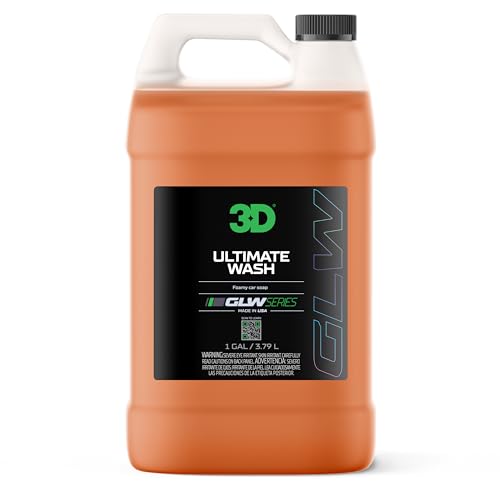
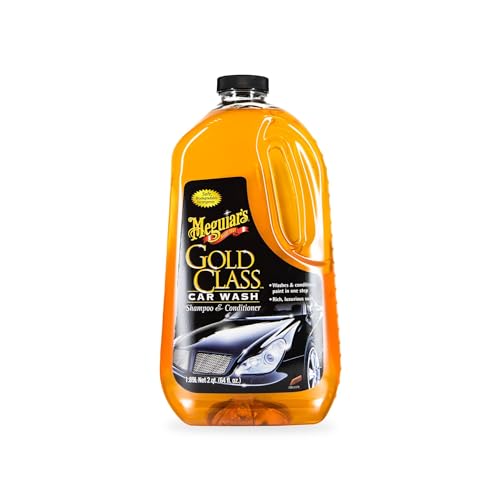
The best car wash soaps for 2026 excel in providing a combination of effective cleaning power, high lubricity to prevent scratches, and pH-neutral formulas that are safe for all finishes. Top-rated products are consistently praised for their ability to generate rich foam, lift dirt safely, and rinse cleanly without leaving residue. The market leaders often fall into categories catering to specific user needs, whether it’s a pure wash for detailers, a shine-boosting formula for enthusiasts, or a maintenance shampoo for ceramic-coated vehicles.
| Feature/Aspect | Meguiar’s Gold Class Car Wash | Chemical Guys Mr. Pink | Adam’s Car Shampoo | CarPro Reset Intensive Car Shampoo |
|---|---|---|---|---|
| pH Balance | pH Neutral | pH Neutral | pH Neutral | pH Neutral |
| Lubricity | High | Very High | High | Very High |
| Wax/Sealant Safe | Yes | Yes | Yes | Yes |
| Foaming | Good | Excellent | Good | Moderate |
| Added Protection | No (pure wash) | No (pure wash) | No (pure wash) | No (pure wash, for coated cars) |
| Best For | General use, great value | Maximum lubricity, foam | pH-neutral daily | Ceramic/coated vehicles |
How Do You Properly Wash Your Car with the Right Soap for Optimal Results?
To properly wash your car, you must follow a systematic process that prioritizes safety to prevent scratches, starting with a thorough pre-rinse, using the two-bucket method with a quality car soap, and finishing with gentle drying. The goal is to touch the paint as little and as gently as possible. Using the right soap is only half the battle; proper technique ensures that the soap can do its job effectively without causing inadvertent damage. This method, trusted by professional detailers, ensures dirt is removed safely from start to finish.
This step-by-step guide breaks down the essential actions for achieving a flawless, swirl-free wash at home.
Step 1: How Do You Prepare Your Car for Washing and Pre-Rinse?
To properly prepare your car, start with a thorough pre-rinse using a strong stream of water from top to bottom. This crucial first step removes loose, heavy pieces of dirt, sand, and grit from the surface. Failing to do this means you will grind these abrasive particles into the paint with your wash mitt, which is a primary cause of swirl marks and scratches.
Pay special attention to the dirtiest areas, such as the lower body panels, wheel wells, and front bumper. If you have dedicated wheel cleaner, apply it and let it dwell before the pre-rinse to break down stubborn brake dust. A clean start is a safe start.
Step 2: What is the Two-Bucket Method and How Do You Use It with Car Soap?
The two-bucket method is a professional detailing technique that dramatically reduces the risk of scratches by separating your clean soap solution from your dirty rinse water. You will need two buckets, ideally with Grit Guards at the bottom.
Here’s how to use it:
1. Fill Bucket 1 (Wash Bucket): Add the recommended amount of your chosen car soap and fill it with water to create a sudsy solution.
2. Fill Bucket 2 (Rinse Bucket): Fill this with plain, clean water.
3. Start Washing: Dip your clean wash mitt into the soapy Wash Bucket and wash a single section of your car (e.g., half the roof).
4. Rinse the Mitt: Before getting more soap, dunk and agitate the dirty wash mitt in the Rinse Bucket. The grit and grime will be released into this water, and the Grit Guard will help trap it at the bottom.
5. Reload with Soap: Wring out the mitt and then dip it back into the clean Wash Bucket to pick up fresh, uncontaminated soap for the next section.
By following this process, you ensure that you are always applying clean, soapy water to your car instead of re-introducing dirt you just removed.
Step 3: How Do You Apply Car Soap and Safely Agitate Dirt?
To safely apply car soap, always wash from the top of the vehicle downwards in small, manageable sections, using gentle, straight-line motions. This top-down approach ensures that dirt from the lower, grimier parts of the car isn’t dragged onto the cleaner upper panels.
Using a high-quality microfiber or sheepskin wash mitt soaked in your soap solution, glide the mitt across the surface with light pressure. Avoid aggressive scrubbing or circular motions, as this can create swirl marks. The goal is to let the soap’s chemistry and lubricity do the work of lifting the dirt. After each section, immediately rinse the mitt in your dedicated rinse bucket before reloading it with soap.
Step 4: How Do You Execute the Final Rinse and Gentle Drying for a Spot-Free Finish?
For a spot-free finish, perform a thorough final rinse from top to bottom, then immediately dry the vehicle using soft, clean microfiber towels. Letting water air-dry on your car, especially in direct sunlight, will leave behind mineral deposits known as water spots, which can etch into the paint over time.
A helpful rinsing technique is to remove the spray nozzle from your hose and let the water flow or “sheet” freely over the panels. This encourages more water to run off, leaving less behind to dry. For drying, use a large, plush microfiber drying towel. Gently pat the surface dry or use a light drag-and-lift motion. Avoid aggressive wiping. For an even safer, touchless drying method, a leaf blower or dedicated car dryer can be used to blow the water off the surface.
FAQs About what soap should you use to wash your car
How Much Car Soap Should You Use Per Wash?
For most concentrated car wash soaps, you typically use 1-2 ounces (30-60 ml) per gallon of water. Always refer to the specific instructions on your product’s label, as dilution ratios can vary significantly between brands and soap types (e.g., concentrated vs. hyper-concentrated). Using too much soap can lead to excessive suds that are hard to rinse, leaving residue, while too little may compromise cleaning power and lubricity, increasing scratch risk.
Does Car Wash Soap Expire, and How Should You Store It?
Yes, car wash soap can expire, although it has a long shelf life, typically 2-3 years if stored correctly. Over time, ingredients can separate, lose efficacy, or become contaminated, reducing performance. To extend its lifespan, store car wash soap in a cool, dry place away from direct sunlight and extreme temperatures, ensuring the cap is tightly sealed after each use to prevent air and moisture exposure.
Can You Use Pressure Washer Soap in a Regular Bucket Wash?
No, you generally should not use pressure washer soap in a regular bucket wash, as these formulations are highly concentrated and designed for high-pressure application. Pressure washer soaps require significant dilution and the force of a pressure washer to rinse properly. Using them in a bucket can create excessive suds that are difficult to rinse off thoroughly, potentially leaving behind residue or streaks on your car’s paint if not properly removed.
What is the Best Way to Dispose of Used Car Wash Water?
The best way to dispose of used car wash water is to direct it to a permeable surface like a lawn or gravel driveway if using biodegradable soap, or ideally, to a drain that leads to a sanitary sewer system. This prevents pollutants from entering storm drains, which typically flow untreated into local rivers and streams. Avoid pouring soapy water directly into storm drains or onto impervious surfaces like concrete driveways that lead to them, to protect local aquatic ecosystems.
Is Using a Foam Cannon or Foam Gun Better for Applying Car Soap?
Yes, using a foam cannon or foam gun is generally better for applying car soap as it creates a thick, clinging layer of foam that pre-soaks and loosens dirt more effectively than a traditional bucket wash. This pre-soak stage significantly reduces the amount of abrasive dirt on the paint before any contact washing, further minimizing the risk of scratches and swirl marks during the subsequent hand wash. It also ensures more even coverage of the soap solution.
Can You Wash Your Car in Direct Sunlight with Any Car Soap?
No, you should generally avoid washing your car in direct sunlight regardless of the soap you use, as the heat can cause the soap to dry onto the paint prematurely. This rapid drying can lead to stubborn water spots and streaks, as the soap residue bakes onto the surface before it can be thoroughly rinsed. Always wash your car in the shade or on a cool, overcast day to allow for proper rinsing and drying.
How Do I Know if a Car Soap is pH-Neutral?
You can tell if a car soap is pH-neutral by checking the product label for specific claims like “pH-neutral,” “pH-balanced,” or “safe for all finishes and waxes.” Some manufacturers may even state the exact pH value, usually around 7. If unsure, you can test a small amount of the diluted soap solution with pH testing strips, which are readily available online or at some automotive stores, to confirm its neutrality before use.
What is the Difference Between Car Shampoo and Car Wash Soap?
The terms “car shampoo” and “car wash soap” are often used interchangeably to refer to the same type of product: a specialized detergent formulated for washing vehicles. There is typically no technical difference; both are designed to safely clean automotive surfaces without stripping protective layers like wax or sealants. The choice of terminology is usually a marketing preference by the manufacturer, so always check the product’s attributes like pH balance and lubricity.
What Tools Do You Need Besides Car Soap for an Effective Wash?
Besides car soap, you need several essential tools for an effective car wash, including two buckets (preferably with grit guards), a dedicated wash mitt (microfiber or sheepskin are ideal), and multiple soft, clean microfiber drying towels. A garden hose with a spray nozzle is necessary for rinsing, and optional tools like wheel brushes, tire cleaners, and a leaf blower can enhance the process and further minimize contact drying.
Is Car Wash Soap Biodegradable, and Why Does It Matter?
Many modern car wash soaps are formulated to be biodegradable, meaning their ingredients can break down naturally in the environment. This matters because it reduces the ecological impact of the wastewater runoff, especially if it drains onto permeable surfaces or into storm drains not connected to a sewer system. Choosing biodegradable soap helps protect local ecosystems from harmful chemical pollution, aligning with environmentally conscious car care practices.
Key Takeaways: Car Wash Soap Summary
- Choose Dedicated, pH-Neutral Car Soap for Safety and Protection – Using specialized car wash soap with a balanced pH (around 7) is crucial to effectively clean your vehicle without stripping protective waxes, sealants, or ceramic coatings, preserving your paint’s integrity and shine.
-
Avoid Dish Soap for Routine Car Washing to Prevent Damage – Dish soap’s powerful degreasing agents are designed to break down oils, which will strip your car’s protective layers, leaving the paint vulnerable to oxidation, fading, and potential long-term damage. Only use it for specific prep work like wax stripping.
-
Understand Different Soap Types for Tailored Car Care – Beyond pH-neutral, explore wash & wax for a quick shine boost, ceramic-infused soaps to maintain coatings, and rinseless/waterless washes for convenient, eco-friendly maintenance. Each serves specific needs for optimal results.
-
Consider Safe Household Alternatives Only “In a Pinch” – If you lack dedicated car soap, mild alternatives like baby shampoo can be used as a temporary, less harmful substitute due to their milder, often pH-neutral formulas, but they lack the full cleaning power and lubricity of specialized products.
-
Match Soap to Your Car’s Finish and Washing Habits – Select your car soap based on your vehicle’s paint type (clear coat, matte, ceramic-coated) and how often you wash it. Matte paints require wax-free formulas, while ceramic coatings benefit from ceramic-infused soaps.
Final Thoughts on Car Wash Soap
Choosing the right car wash soap is more than just about cleanliness; it’s a foundational step in preserving your vehicle’s finish, protecting your investment, and maintaining its aesthetic appeal for years to come. While the market offers a wide array of options, understanding the core principles of pH balance, lubricity, and formulation compatibility is key. By opting for dedicated, pH-neutral car soaps designed for automotive use, you empower yourself to achieve professional-grade results at home, safeguarding your paint from the harsh effects of inappropriate cleaning agents.
This guide has revealed the truth about common myths like using dish soap, offered safe alternatives for those “in a pinch,” and guided you through selecting the ideal product for your specific car’s finish and washing routine. Remember, the journey to a pristine vehicle doesn’t end with the right soap; it extends to employing proper washing techniques—from the two-bucket method to meticulous drying—that work in harmony with your chosen product. Armed with this knowledge, you’re now equipped to make informed decisions that ensure your car not only looks its best but is also optimally protected.
Last update on 2026-03-16 / Affiliate links / Images from Amazon Product Advertising API