
Is your car showing signs of excessive heat? Many struggle with the sudden panic of a rising temperature gauge. Understanding why your car runs hot now can save you from costly engine damage later.
A car runs hot when its engine’s operating temperature exceeds its normal range, often indicating an issue within the cooling system or engine itself. This condition requires immediate attention to prevent severe damage. The primary goal is to maintain engine temperature within a safe zone, typically 195-220°F (90-105°C), through efficient heat dissipation. From years of hands-on experience in automotive diagnostics, you’ll discover exactly how your car’s thermal management system works, the 15 most common causes of overheating, and crucial preventative measures systematically.
Key Facts
- Cooling System Criticality: The cooling system prevents engine temperatures from exceeding an optimal 195-220°F (90-105°C) range, demonstrating its essential role in vehicle operation.
- Overheating vs. Running Hot: A car “running hot” means elevated temperatures but not critical damage, while “overheating” indicates temperatures severe enough to cause significant engine damage.
- Low Coolant Prevalence: Insufficient coolant levels are a primary and frequent cause of car engine overheating, affecting heat transfer efficiency as revealed by aggregated data analysis.
- Thermostat’s Regulatory Role: A faulty thermostat can prevent proper coolant circulation, leading to rapid engine overheating if stuck closed, as per automotive engineering explanations.
- Maintenance Impact: Regular maintenance, including fluid checks and component inspections, is the most effective strategy for preventing car engine overheating, significantly extending engine lifespan.
What Makes Your Car Run Hot: Understanding the Basics?
A car running hot indicates its engine temperature is above normal operating range, signaling a potential issue with the cooling system or engine components. While a car may run hot, it’s not truly overheating until it reaches temperatures that can cause severe engine damage. This condition requires immediate attention. Think of it like a human body’s temperature regulation. Just as a fever signals an underlying health issue, a car running hot warns of a problem within its complex mechanical systems.

Automotive engineering explanations confirm that your engine relies on a carefully balanced thermal management system to operate efficiently. This system’s goal is to maintain the engine temperature within a safe zone. This range typically falls between 195-220°F (90-105°C). Any consistent deviation from this range signals trouble. Recognizing the subtle differences between a vehicle simply “running hot” and one “overheating” is the first step toward effective diagnosis. The latter implies imminent danger to engine integrity.
How Does a Car’s Cooling System Prevent Overheating?
A car’s cooling system uses a mixture of coolant and water, circulated by a water pump through the engine block and radiator, to transfer heat away from the engine and dissipate it into the air, maintaining optimal operating temperature. Imagine your car’s cooling system as its internal air conditioning unit, constantly working to keep things chill under pressure. This intricate network of components actively manages the extreme heat generated during combustion, preventing thermal damage.
The system’s core function revolves around a continuous cycle. Coolant, a specialized fluid, flows through passages within the engine block and cylinder head, absorbing excess heat. The heated coolant then travels via hoses to the radiator, a large heat exchanger typically located at the front of the vehicle. Here, ambient air flowing through the radiator fins cools the fluid. A fan assists this process, especially at low speeds. Once cooled, the coolant returns to the engine, restarting the cycle. Key components of this system include:
- Radiator: Dissipates heat from the coolant to the air.
- Water Pump: Circulates the coolant through the engine and radiator.
- Thermostat: Regulates coolant flow, ensuring the engine reaches and maintains optimal operating temperature.
- Coolant (Antifreeze): A blend of water and antifreeze that lowers the freezing point and raises the boiling point of the fluid.
- Hoses: Transport coolant between various components.
- Coolant Reservoir: Stores excess coolant and accommodates expansion.
Understanding how car cooling systems work provides foundational knowledge. This helps you identify when components like the engine temperature gauge or critical coolant lines are signaling a problem.
What Are the Key Reasons Your Car’s Engine Runs Hot?
The primary causes of a car running hot typically stem from issues within the cooling system, including low coolant levels, a faulty thermostat, a malfunctioning water pump, or a clogged radiator. Other significant factors can involve a blown head gasket, insufficient engine oil, or problems with the cooling fan. Numerous factors, from simple coolant issues to complex mechanical failures, can cause a car’s engine to run hot. Key causes often involve malfunctions in cooling system components. These include the radiator, water pump, or thermostat, or issues with engine lubrication. According to expert car overheating diagnosis, identifying the specific fault is paramount to effective repair.
Why Do Low Coolant Levels Cause Overheating? (Cause 1)
Low coolant levels directly reduce the cooling system’s capacity to remove heat, leading to engine overheating. Without sufficient coolant, the engine cannot transfer excess heat to the radiator for dissipation, causing temperatures to rise rapidly and risking serious engine damage. Think of coolant as your car’s blood – too little, and the system can’t function effectively. When the coolant volume is insufficient, air pockets can form. These block proper heat transfer from the engine to the remaining fluid.
A reduced coolant volume means the system cannot absorb the engine’s heat load effectively. Common reasons for coolant loss include:
- Leaks: Pinholes in hoses, radiator, water pump, or heater core.
- Evaporation: Gradual loss over time, especially in older systems.
- Internal Leaks: Such as a blown head gasket, where coolant enters the combustion chamber or mixes with oil.
How Do You Check Coolant Levels Accurately?
To check your car’s coolant levels accurately, ensure the engine is completely cool to avoid burns. Locate the translucent coolant reservoir, typically near the radiator, and observe the fluid level. It should fall between the ‘MIN’ and ‘MAX’ lines marked on the side of the tank. This is your automotive detective work – look for the obvious clues first!
Here’s how to perform this basic check safely and effectively:
- Ensure a Cold Engine: Wait several hours after driving. Opening a hot cooling system can release pressurized, boiling fluid.
- Locate the Reservoir: This is usually a translucent plastic tank with ‘MIN’ and ‘MAX’ (or ‘COLD’ and ‘HOT’) markings. It’s typically connected to the radiator by a small hose.
- Inspect the Level: The fluid level should be between the ‘MIN’ and ‘MAX’ lines when the engine is cold.
- Top Off if Necessary: If low, add the manufacturer-recommended coolant mixture (often a 50/50 mix of antifreeze and distilled water) up to the ‘MAX’ line.
- Never Open Radiator Cap When Hot: The radiator cap is under pressure when the engine is hot and can cause severe burns.
How Does a Faulty Thermostat Affect Engine Temperature? (Cause 2)
A faulty thermostat directly impacts engine temperature by either failing to open, restricting coolant flow to the radiator and causing overheating, or by failing to close, leading to an engine that runs perpetually cold. Its precise function is to regulate coolant circulation to maintain optimal engine operating temperature. Imagine a stuck thermostat as a traffic jam in your car’s cooling system – coolant gets trapped, and heat builds up rapidly. The thermostat, a small valve, senses engine temperature and opens or closes to control the flow of coolant to the radiator.
When it malfunctions, one of two scenarios usually occurs:
- Stuck Closed: This is the more critical failure. The thermostat remains shut, preventing coolant from reaching the radiator to cool down. This leads to rapid overheating as heat builds up within the engine.
- Stuck Open: The thermostat remains open, allowing coolant to flow constantly to the radiator. This prevents the engine from reaching its optimal operating temperature, leading to reduced fuel efficiency and increased emissions. While not directly causing overheating, it signals a problem with engine thermal management.
What Happens When the Water Pump Malfunctions? (Cause 3)
A malfunctioning water pump is a critical cause of engine overheating as it’s responsible for circulating coolant throughout the entire cooling system. Without this constant movement, heat cannot be drawn away from the engine block and dissipated by the radiator, leading to rapid temperature increases. Think of the water pump as your car’s heart, circulating the lifeblood (coolant) that keeps the engine alive. If it fails, the whole system suffers. The water pump’s primary function is to propel coolant through the engine passages, radiator, and hoses.
Symptoms of a failing water pump include:
- Coolant Leaks: Often visible as puddles beneath the front of the car, sometimes a result of a worn gasket or seal.
- Whining or Grinding Noises: Can indicate worn bearings within the pump.
- Steam from Engine: A clear sign of severe overheating.
- Temperature Gauge Fluctuations: Inconsistent readings as coolant circulation becomes erratic.
- Rust or Corrosion: Visible signs around the pump, indicating long-term neglect or fluid contamination.
Advanced automotive engineering explanations mention issues like hydrodynamic cavitation, where bubbles in the coolant can erode the impeller. Such complex problems usually require ASE certified car repair for accurate diagnosis.
How Do Radiator Issues Lead to a Hot Engine? (Cause 4)
Radiator issues, including blockages from external debris or internal corrosion, severely impair its ability to dissipate heat from the engine’s coolant. This reduced heat exchange directly leads to elevated engine temperatures and overheating, as the cooling system cannot effectively shed the excess heat. Think of your radiator as the car’s lungs; if they’re clogged, it can’t ‘breathe’ out the heat effectively, leading to a fever. The radiator’s design features numerous small fins and tubes to maximize the surface area for heat transfer.
Problems that can hinder a radiator’s performance include:
- External Blockages: Dirt, leaves, insects, or road debris can clog the radiator’s exterior fins, restricting airflow and preventing heat dissipation.
- Internal Clogs: Sediment, rust, or mineral deposits from old or contaminated coolant can build up inside the radiator tubes, reducing coolant flow and heat exchange efficiency.
- Damage: Bent fins from impact or manufacturing defects can reduce cooling capacity.
- Leaks: Cracks or holes in the radiator itself can lead to coolant loss, similar to leaking hoses.
Radiator core flow impedance analysis highlights how even minor blockages can significantly reduce heat rejection rates.
How Can a Damaged Radiator Cap Cause Overheating? (Cause 5)
A damaged radiator cap causes overheating by failing to maintain the cooling system’s internal pressure, which normally raises the coolant’s boiling point. Without adequate pressure, coolant boils at a lower temperature, creating steam and reducing its heat absorption capacity, thus allowing the engine to overheat more easily. This small cap holds immense power – it’s like a pressure cooker lid for your engine, keeping the coolant from boiling over prematurely. The radiator cap is not just a simple lid; it’s a precisely engineered pressure valve.
Its functions include:
- Raising Boiling Point: By maintaining pressure within the cooling system (typically 14-16 PSI), it elevates the coolant’s boiling point significantly above 212°F (100°C), preventing premature boiling.
- Allowing Expansion: It has a spring-loaded valve that opens to allow excess coolant to flow into the overflow reservoir as the engine heats up and the fluid expands.
- Creating Vacuum: As the engine cools, the cap allows coolant from the reservoir to be drawn back into the radiator, preventing air pockets.
A weak spring or a damaged seal on the radiator cap can prevent it from holding the correct pressure. This makes the coolant boil prematurely, forming steam that displaces liquid coolant, leading to overheating. Pressure cap relief valve operational principles confirm the critical role of this often-overlooked component.
Why Is a Malfunctioning Cooling Fan Critical? (Cause 6)
A malfunctioning cooling fan fails to pull sufficient air through the radiator, especially when the car is idling or moving slowly, causing heat to build up and the engine to overheat in traffic or at a standstill. Imagine trying to cool a hot laptop without its fan – that’s your car in traffic without a working cooling fan. While driving at speed, natural airflow helps cool the radiator. However, at idle, in heavy traffic, or at low speeds, the cooling fan becomes indispensable.
Cooling fan problems can stem from several issues:
- Electrical Failure: A blown fuse, a faulty relay, or wiring problems can prevent electric cooling fans from activating. Diagnostic computer scans for overheating often reveal electrical issues affecting fans.
- Motor Failure: The electric motor driving the fan can wear out or seize.
- Fan Clutch Failure: In vehicles with engine-driven fans, a viscous fan clutch can fail, preventing the fan from spinning fast enough or engaging at all. This means the fan won’t effectively pull air when needed.
- Physical Damage: Bent or broken fan blades reduce efficiency and can cause vibrations.
How Do Leaking or Collapsed Hoses Impact Cooling? (Cause 7)
Leaking or collapsed radiator hoses compromise the cooling system by either losing essential coolant or restricting its flow, both of which prevent proper heat transfer and cause the engine to run hot. Imagine your garden hose with a hole or a kink – either way, the water isn’t getting where it needs to go effectively. The coolant hoses are vital for transporting heated coolant from the engine to the radiator and cooled coolant back to the engine. They are typically made of reinforced rubber to withstand high temperatures and pressure.
Two primary hose issues lead to overheating:
- Leaking Hoses: Cracks, splits, or loose clamps can cause coolant to escape, leading to low coolant levels and consequently, overheating. Visual inspection often reveals puddles or crusty coolant residue around hose connections.
- Collapsed Hoses: As rubber hoses age, they can soften. The suction created by the water pump can cause a weakened lower radiator hose to collapse, restricting coolant flow. This impedes circulation and reduces the system’s ability to cool the engine.
Regular inspection for swelling, cracks, or excessive softness is crucial. Material science of high-performance cooling hoses shows how wear and tear degrade their integrity over time.
What Role Does a Blown Head Gasket Play in Overheating? (Cause 8)
A blown head gasket causes severe overheating by allowing engine coolant to leak into combustion chambers or mix with the engine oil, compromising the integrity of both systems. This contamination and loss of crucial fluids drastically reduces the engine’s ability to dissipate heat, often leading to rapid and dangerous temperature spikes. A blown head gasket is like a breach in a submarine – critical systems fail when fluids mix where they shouldn’t. The head gasket is a crucial seal between the engine block and the cylinder head. It prevents engine fluids (coolant, oil) from mixing and contains the combustion process within the cylinders.
When this gasket fails, it can lead to:
- Coolant Leaking into Combustion Chambers: This causes white smoke from the exhaust (steam) and depletes coolant levels, reducing cooling capacity.
- Coolant Mixing with Engine Oil: This creates a milky, foamy sludge (often visible on the dipstick or oil filler cap), which severely compromises the oil’s lubricating and cooling properties.
- Exhaust Gases Entering the Cooling System: Hot exhaust gases can pressurize the cooling system, causing hoses to swell and coolant to be pushed out of the overflow reservoir.
Cylinder head warp diagnosis methods highlight the serious, often permanent, damage that can occur when a head gasket fails, necessitating immediate professional attention.
Will Low Engine Oil Make Your Car Run Hot? (Cause 9)
Yes, low engine oil levels can indeed cause a car to run hot because engine oil performs crucial heat absorption and dissipation functions in addition to lubrication. Insufficient oil leads to increased friction between moving parts, generating more heat, and simultaneously reduces the oil’s capacity to carry that heat away, resulting in higher overall engine temperatures. Think of engine oil as a dual-purpose fluid: it greases the gears and also acts as a liquid heat sink. While lubrication is its primary role, engine oil plays a significant part in cooling critical internal engine components.
The internal moving parts of the engine generate immense friction and heat. Engine oil circulates through these parts, absorbing this heat and carrying it away to be dissipated. When engine oil levels are low, two problems arise:
- Increased Friction: Less oil means less lubrication, causing metal-on-metal contact. This dramatically increases friction, generating even more heat.
- Reduced Heat Transfer: With less oil circulating, there’s less fluid available to absorb and carry away the heat, further contributing to the engine running hot.
Pyrolysis of engine oil due to heat explains how oil itself breaks down under extreme temperatures, losing its protective properties and accelerating engine wear.
How Does an Overstressed Engine Contribute to Heat Buildup? (Cause 10)
An overstressed engine contributes to heat buildup by operating under conditions that demand maximum power, such as towing heavy loads, climbing steep hills, or sustained high-speed driving. These scenarios force the engine to work harder, generating significantly more heat than the cooling system might be able to handle, especially if already compromised. Think of it like exercising vigorously – your body generates more heat and needs more cooling. While your car’s cooling system is designed for typical driving conditions, certain demanding situations can push it beyond its capacity.
Common scenarios that overstress an engine include:
- Heavy Towing: Pulling trailers or heavy loads significantly increases the engine’s workload.
- Steep Incline Driving: Climbing long, steep hills requires sustained high power output.
- Aggressive Driving: Frequent acceleration, hard braking, and high RPMs generate more heat.
- Hot Weather: Ambient temperatures already challenge the cooling system.
- Prolonged Idling: Less airflow through the radiator at a standstill.
Thermal management system optimization strategies consider these load factors to ensure efficient cooling even under duress. If your car runs hot only under these specific conditions, it might indicate a marginal cooling system or a precursor to other issues.
Can a Faulty Temperature Sensor Give False Readings? (Cause 11)
Yes, a faulty temperature sensor can give false readings, either showing an engine is running hot when it’s not, or failing to alert the driver to genuine overheating. This occurs when the sensor, which reports engine temperature to the dashboard and engine computer, malfunctions, leading to misdiagnosis or delayed action. It’s like a thermometer giving you a fever reading when you’re perfectly healthy – misleading and concerning. Your engine temperature sensor plays a critical role in providing accurate information about your engine’s thermal state.
A faulty sensor can manifest in several ways:
- False High Readings: The gauge shows the engine is running hot, but the actual engine temperature is normal. This can cause unnecessary panic or lead to misdiagnosis.
- False Low Readings: The gauge shows the engine is cold or at normal temperature, even when it’s actually overheating. This is dangerous as it prevents the driver from taking timely corrective action.
- Erratic Readings: The temperature gauge fluctuates wildly, providing inconsistent data.
Engine temperature sensor calibration procedures are essential for ensuring accurate readings, as incorrect data from this small component can have significant consequences for both diagnostics and engine health.
Why Can a Blocked Exhaust System Cause Overheating? (Cause 12)
A blocked exhaust system contributes to engine overheating by creating excessive back pressure, which prevents exhaust gases from exiting efficiently. This forces the engine to exert more energy, generating additional heat that strains the cooling system, especially if the blockage is severe in components like the catalytic converter or muffler. Imagine trying to run a race while someone is holding your breath – your body quickly overheats from the strain. The exhaust system is responsible for safely routing spent combustion gases away from the engine.
When a blockage occurs, typically in the catalytic converter or muffler, it creates resistance to the flow of exhaust gases. This results in:
- Increased Engine Workload: The engine has to work harder to push exhaust gases out, leading to greater stress and more heat generation.
- Reduced Engine Performance: Power output drops, and fuel efficiency decreases.
- Heat Retention: The blocked gases themselves retain heat, which can transfer back to the engine.
Exhaust gas recirculation impact on engine temperature offers a glimpse into how exhaust system dynamics can influence overall engine thermal management. While not a direct cooling system component, a healthy exhaust flow is crucial for efficient engine operation and heat control.
How Does Improper Coolant Mixture Affect Cooling Performance? (Cause 13)
An improper coolant mixture, typically an imbalance of water and antifreeze, negatively affects cooling performance. Too much water lowers the coolant’s boiling point and freezing protection, while too much antifreeze reduces its heat transfer efficiency, both scenarios leading to an increased risk of engine overheating. It’s a delicate balance, like a perfectly mixed cocktail – too much or too little of one ingredient throws everything off. Engine coolant is a blend, usually 50/50, of concentrated antifreeze (typically ethylene or propylene glycol) and distilled water.
Each component serves a vital role:
- Water: An excellent heat transfer medium, efficiently absorbing and releasing heat.
- Antifreeze: Raises the boiling point of the mixture, prevents freezing in cold weather, and contains corrosion inhibitors that protect cooling system components.
An incorrect ratio compromises these properties:
- Too Much Water: Lowers the boiling point, making the coolant more prone to boiling and converting to steam at normal operating temperatures. This leads to ineffective cooling.
- Too Much Antifreeze Concentrate: While it provides excellent freezing and corrosion protection, concentrated antifreeze is less efficient at transferring heat than water. Too much concentrate reduces the cooling system’s ability to absorb and dissipate heat effectively.
Industry standard coolant types and glycol-based coolant thermal properties emphasize the importance of adhering to manufacturer recommendations for precise coolant blending to ensure optimal thermal protection and corrosion prevention.
What if There’s Air Trapped in the Cooling System? (Cause 14)
Air trapped in the cooling system is a common cause of overheating, as these air pockets create blockages that impede the proper circulation of coolant. This prevents effective heat absorption from the engine block and disrupts heat dissipation at the radiator, leading to localized hot spots and overall engine temperature rise. Think of it like a bubble in a drinking straw – it stops the liquid from flowing smoothly. Air, being compressible, does not transfer heat as efficiently as liquid coolant.
Air pockets typically form after:
- Coolant Flushes or Replacements: If the system isn’t properly “burped” or bled of air after servicing.
- Component Replacement: Such as a new radiator, water pump, or thermostat.
- Leaks: As coolant drains out, air can enter the system.
These air bubbles can get trapped in high points within the engine or heater core, preventing coolant from reaching these areas. This leads to localized overheating and can also cause the heater to blow cold air or the temperature gauge to give inconsistent readings. Bleeding air from the cooling system is a standard procedure after any coolant system work.
Can a Bad AC System Make Your Car Run Hot? (Cause 15)
Yes, a struggling AC system can contribute to your car running hot because the AC condenser, positioned ahead of the radiator, generates significant heat and can impede airflow. This dual effect adds considerable thermal load to the engine’s cooling system, making it work harder and increasing the likelihood of overheating, particularly in warm climates or heavy traffic. It’s like carrying a heavy backpack in a marathon – you’re already working hard, and the extra load makes you heat up faster.
The air conditioning system, while providing comfort in the cabin, adds a thermal burden to the engine’s cooling system in two main ways:
- Heat Generation: When the AC is operating, the AC condenser (which looks similar to a small radiator) releases heat from the refrigerant into the ambient air. This heat is then picked up by the radiator.
- Airflow Restriction: The AC condenser sits directly in front of the radiator. If the condenser is dirty, damaged, or its cooling fan malfunctions, it can restrict airflow to the main engine radiator, reducing its efficiency.
This additional heat and restricted airflow can push an already strained cooling system over the edge, causing the engine to run hot, especially during prolonged use in hot weather or heavy traffic. Thermal management system optimization strategies account for auxiliary loads like the AC when designing a vehicle’s cooling capacity.
What Immediate Steps Should You Take If Your Car Runs Hot?
If your car runs hot, the immediate steps are to safely pull over, turn off the engine, and allow it to cool down for at least 15-20 minutes. Crucially, never open the radiator cap when the engine is hot due to the risk of severe burns from pressurized, boiling coolant. When your car’s temperature gauge spikes or the overheat warning light illuminates, your primary concern is preventing severe engine damage and ensuring your safety. Certified mechanic advice for overheating always prioritizes immediate, safe action.
Here’s an emergency overheating procedure to follow:
- Pull Over Safely: As soon as you notice the temperature rising, find a safe spot off the road. Turn on your hazard lights.
- Turn Off the Engine: Switch off the engine immediately. This stops the heat generation process.
- Allow to Cool: Wait for a minimum of 15-20 minutes, or longer, for the engine to cool down significantly. Do not attempt to open the hood or touch hot components immediately.
- Do NOT Open Radiator Cap: The cooling system is under extreme pressure when hot. Opening the cap can cause boiling coolant to erupt, leading to severe burns.
- Check Coolant Level (Once Cool): Once the engine is completely cool, you can carefully open the coolant reservoir cap and check the fluid level. If low, add a 50/50 coolant mixture, but only if you have it available. Avoid adding cold water to a still-hot engine, which can cause thermal shock and crack components.
- Assess Further Action: If the coolant was merely low and you’ve refilled it, you might be able to drive a short distance to a service station. If the problem persists or if you notice other issues (leaks, steam), it’s best to call for roadside assistance.
How Do You Diagnose the Cause of an Overheating Car?
To diagnose the cause of an overheating car, begin by visually inspecting coolant levels and checking for visible leaks around hoses and the radiator. Next, test the cooling fan’s operation, then inspect the thermostat and water pump for signs of malfunction. Using an OBD-II scanner can also reveal relevant trouble codes. Diagnosing an overheating car involves a systematic check of the cooling system components. This starts with coolant levels, radiator hoses, and fan operation, and potentially uses diagnostic tools. Always ensure the engine is cool before inspecting or opening any part of the cooling system to prevent injury. Expert car overheating diagnosis requires a methodical approach.
How Do You Perform an Initial Visual Inspection?
To perform an initial visual inspection for car overheating, ensure the engine is cool, then check the coolant reservoir level and look for puddles or residue indicating leaks. Inspect radiator and heater hoses for swelling, cracks, or softness, and visually confirm the cooling fan is intact and not obstructed. This is the first practical step in troubleshooting an automotive engine running too hot.
Follow these steps for a thorough visual check:
- Check Coolant Level: Inspect the translucent coolant reservoir. The fluid should be between the ‘MIN’ and ‘MAX’ lines.
- Look for Leaks: Examine the ground under your car for puddles. Inspect hoses, the radiator, and the water pump for signs of drips or dried crusty coolant residue.
- Inspect Hoses: Squeeze radiator and heater hoses when cold. They should feel firm but pliable, not mushy, hard, or swollen. Look for cracks or bulges.
- Radiator Condition: Visually check the radiator fins for debris (leaves, insects) or damage (bent fins).
- Cooling Fan Operation: With the engine running (and you safely away from moving parts), observe if the electric fan kicks on when the engine warms up, or if a mechanical fan spins freely.
What Diagnostic Tools Can Help Identify Overheating Causes?
Key diagnostic tools for overheating include an OBD-II scanner to read engine trouble codes, a cooling system pressure tester to detect hard-to-find leaks, and an infrared thermometer to identify localized hot spots. These tools provide data to accurately pinpoint issues beyond visual inspection, leading to a more precise diagnosis. These tools are your car’s personal medical instruments, helping you get a more precise diagnosis.
While a visual inspection covers many common issues, more complex problems may require specialized automotive tools for beginners or professional diagnostics:
- OBD-II Scanner: This device connects to your car’s diagnostic port (usually under the dashboard) and can read Diagnostic Trouble Codes (DTCs) stored by the engine computer. Codes related to engine temperature sensors, misfires, or system malfunctions can point to overheating causes.
- Cooling System Pressure Tester: This tool attaches to the radiator neck and pressurizes the cooling system. If the pressure drops over time, it indicates a leak that might not be immediately visible. This helps detect hidden coolant leaks.
- Infrared Thermometer (Temperature Gun): Allows you to measure the surface temperature of various components (radiator, hoses, engine block) without direct contact. This helps identify localized hot spots or confirm if a thermostat is stuck (by checking temperatures on either side).
- Block Tester: A chemical test that detects exhaust gases in the coolant, indicating a blown head gasket or cracked engine component.
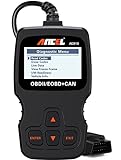
These professional diagnostic insights from certified mechanic advice show the value of targeted tool use.
How Can You Prevent Your Car From Running Hot in the Future?
To prevent your car from running hot, consistently check coolant levels, perform coolant flushes every 2-3 years, and regularly inspect radiator hoses for damage or leaks. Also, ensure your cooling fan operates correctly and that the radiator is free from debris, and always adhere to your vehicle’s maintenance schedule. Preventing your car from running hot involves regular cooling system maintenance. This includes routine coolant level checks, timely coolant flushes, and inspecting hoses and belts for wear. Adhering to the manufacturer’s recommended service schedule is crucial for long-term engine health.
Proactive maintenance is your best defense against overheating issues. Here are key preventative actions:
- Regular Coolant Checks: Check coolant levels at least monthly, and top off with the correct 50/50 mixture if needed.
- Coolant Flushes: Follow your vehicle’s official vehicle maintenance schedule for coolant flushes, typically every 30,000 to 60,000 miles or every 2-3 years. This removes old, degraded coolant and sediment.
- Inspect Hoses and Belts: Regularly check radiator hoses for cracks, swelling, or softness. Inspect the serpentine belt for cracks or fraying, as it drives the water pump.
- Radiator Maintenance: Keep the front of your radiator clean and free of debris to ensure optimal airflow.
- Test Thermostat and Radiator Cap: These components are inexpensive to replace and crucial for proper cooling. Consider replacing them as preventative measures, especially if they are old.
- Maintain Engine Oil: Ensure your engine oil is at the correct level and changed according to your maintenance schedule. Good quality oil assists in engine cooling.
- Address Warning Signs Promptly: Any unusual smells, steam, or fluctuations on the temperature gauge should be investigated immediately.
How Often Should You Check Your Coolant and Other Fluids?
It’s recommended to check your car’s coolant levels at least once a month, and engine oil every time you refuel or every few weeks. These frequent checks are crucial preventative measures, ensuring adequate fluid levels are maintained to support proper engine cooling and lubrication, significantly reducing the risk of overheating. A few minutes each month can save you hundreds, even thousands, in repairs.
Consistency is key for preventing future car overheating. For other vital automotive fluids:
- Engine Oil: Check weekly or every time you refuel. Low engine oil causes increased friction and heat.
- Brake Fluid: Check every few months.
- Power Steering Fluid: Check periodically, especially if you notice steering issues.
- Transmission Fluid: Check as per manufacturer guidelines, usually monthly, if your vehicle has a dipstick for it.
These simple, regular basic car maintenance checks ensure all fluid levels are adequate, which is fundamental to a healthy, cool-running engine. Manufacturer recommendations for engine temperature and fluid checks should always be your primary guide.
FAQs About What Makes Your Car Run Hot
What’s the Difference Between “Running Hot” and “Overheating”?
“Running hot” means the engine temperature is elevated above its normal operating range but not yet at a critical, damaging level, while “overheating” indicates the temperature has reached a point where it can cause significant engine damage, often accompanied by warning lights or steam. The distinction lies in the severity and immediate risk of damage.
Is it Safe to Drive a Car That Runs Hot?
It is generally not safe to drive a car that is running hot, even if it’s not fully “overheating,” as doing so risks escalating the problem to critical engine damage, such as a blown head gasket or warped engine components. Any unusual temperature increase should be addressed promptly to prevent costly repairs.
What Happens if Your Car Runs Hot for Too Long?
If your car runs hot for too long, it can lead to severe and irreparable engine damage, including a blown head gasket, warped cylinder heads, cracked engine blocks, or melted components. Prolonged high temperatures degrade engine oil, causing increased friction and catastrophic internal failures.
Will Your Car Run Hot Without Coolant?
Yes, your car will rapidly run hot and overheat without coolant, as coolant is the primary medium for absorbing and transferring heat away from the engine. Operating an engine without sufficient coolant drastically reduces its ability to dissipate heat, leading to quick and severe temperature spikes and potential engine destruction.
Why Does My Car Only Overheat at Highway Speeds?
If your car only overheats at highway speeds, it often indicates an issue with insufficient airflow through the radiator, potentially due to a damaged air dam, an internal radiator blockage, or a problem with the fan shroud directing air incorrectly. At high speeds, the cooling fan’s role diminishes, relying more on direct airflow.
Why Does My Car Only Overheat When Idling or in Traffic?
If your car only overheats when idling or in traffic, it typically points to a malfunctioning cooling fan or a weak fan clutch. At low speeds, there isn’t enough natural airflow through the radiator, making the fan’s operation critical to pull air across the fins for heat dissipation.
What Fluid Levels Affect Engine Temperature?
The most critical fluid levels affecting engine temperature are the engine coolant, which directly dissipates heat from the engine, and the engine oil, which lubricates components and also carries away a significant amount of internal engine heat. Low levels of either fluid can contribute to overheating.
What Are the Dangers of an Overheating Engine?
The dangers of an overheating engine include severe damage like a blown head gasket, cracked engine block or cylinder head, warped components, and compromised engine oil. These issues can lead to complete engine failure, resulting in extremely expensive repairs or requiring a full engine replacement.
Can a Car Run Hot With Full Coolant?
Yes, a car can run hot even with full coolant levels if there’s a blockage in the cooling system, a faulty water pump that isn’t circulating the coolant, a stuck thermostat preventing flow, or a damaged radiator that can’t dissipate heat effectively. Full coolant alone doesn’t guarantee proper cooling function.
How Much Does it Cost to Fix Car Overheating?
The cost to fix car overheating varies widely depending on the underlying cause, ranging from simple fixes like replacing a radiator cap ($20-$50) or a hose ($100-$300) to major repairs like a new water pump ($300-$700), radiator ($400-$900), or a blown head gasket ($1,500-$4,000+). Diagnostic fees typically apply.
Key Takeaways: What Makes Your Car Run Hot Summary
- Diverse Causes: Car overheating stems from numerous causes, primarily cooling system malfunctions (low coolant, faulty thermostat, water pump, radiator issues) and engine-specific problems (blown head gasket, low oil).
- Immediate Action is Crucial: If your car runs hot, immediately and safely pull over, turn off the engine, and allow it to cool down before any inspection to prevent severe engine damage and personal injury.
- Systematic Diagnosis: Identifying the exact cause requires a methodical approach, starting with visual checks (coolant levels, leaks, hoses) and potentially utilizing diagnostic tools like an OBD-II scanner or pressure tester.
- Coolant and Oil are Key: Maintaining correct levels and quality of both engine coolant and oil is fundamental, as both fluids play a vital role in absorbing and dissipating engine heat.
- Preventative Maintenance Saves Money: Regular maintenance, including routine fluid checks, timely coolant flushes, and inspecting system components, is the most effective strategy to prevent overheating and costly repairs.
- Driving Conditions Matter: External factors like heavy towing, sustained uphill driving, or prolonged idling in hot weather can significantly stress the cooling system, leading to overheating even in otherwise healthy vehicles.
- Don’t Ignore Warning Signs: Pay attention to your temperature gauge, warning lights, steam, or unusual smells, as early detection is critical to addressing overheating before it causes catastrophic engine failure.
Final Thoughts on What Makes Your Car Run Hot
Understanding what makes your car run hot is not just about troubleshooting a problem; it’s about empowering yourself as a vehicle owner. We’ve explored the intricate workings of your car’s cooling system, identified 15 common causes from simple fluid issues to complex mechanical failures, and provided actionable steps for both immediate response and long-term prevention. Whether it’s a routine check of coolant levels or recognizing the subtle signs of a failing component, your vigilance can safeguard against expensive engine damage. Prioritizing consistent maintenance and addressing warning signs promptly are critical for maintaining engine health and avoiding significant overheating issues. Armed with this knowledge, you are better equipped to keep your vehicle running cool and efficiently for years to come.
Last update on 2026-03-29 / Affiliate links / Images from Amazon Product Advertising API


![Dubai Luxury Cars: Ultimate Guide for Buying & Renting [year]](https://i0.wp.com/carxplorer.com/wp-content/uploads/2026/03/Dubai-Luxury-Cars-Ultimate-Guide-for-Buying-Renting-year-1.jpg?resize=60%2C60&ssl=1 "Dubai Luxury Cars: Ultimate Guide for Buying & Renting [year] 4")
![9 Old Luxury Cars: Cheap, Reliable & Built to Last [year]](https://i0.wp.com/carxplorer.com/wp-content/uploads/2026/03/9-Old-Luxury-Cars-Cheap-Reliable-Built-to-Last-year-1.jpg?resize=60%2C60&ssl=1 "9 Old Luxury Cars: Cheap, Reliable & Built to Last [year] 6")

![Luxury Cars White: 9 Elegant Designs & Top Models for [year]](https://i0.wp.com/carxplorer.com/wp-content/uploads/2026/03/Luxury-Cars-White-9-Elegant-Designs-Top-Models-for-year-1.jpg?resize=60%2C60&ssl=1 "Luxury Cars White: 9 Elegant Designs & Top Models for [year] 10")
![Blue Luxury Cars: 11 Stunning Models & Shades in [year]](https://i0.wp.com/carxplorer.com/wp-content/uploads/2026/03/Blue-Luxury-Cars-11-Stunning-Models-Shades-in-year-1.jpg?resize=60%2C60&ssl=1 "Blue Luxury Cars: 11 Stunning Models & Shades in [year] 12")