
That distinctive aroma of a brand-new vehicle – the one many associate with luxury and accomplishment – often sparks a deeper question: what exactly causes that new car smell, and is it truly safe? For many, this unique scent is a pleasant hallmark of a fresh purchase, yet a growing number of drivers are concerned about its origins and potential health implications, seeking ways to understand and mitigate any risks.
The “new car smell” is the result of a chemical process called off-gassing, where Volatile Organic Compounds (VOCs) are released into the air from new interior materials like plastics, adhesives, and textiles. Leveraging extensive analysis of available data and established patterns, this guide unpacks the scientific truth behind the new car smell, identifies the specific chemicals involved, and provides critical insights into potential health risks and proven strategies to reduce exposure.
Key Facts
- Origin of the Odor: The distinctive “new car smell” arises from the off-gassing of various manufactured materials, including plastics, adhesives, leather, and textiles, used in a vehicle’s interior.
- Chemical Complexity: This aroma is not a single compound but a complex mixture of over 150 different Volatile Organic Compounds (VOCs), which are carbon-based chemicals that readily become vapors at room temperature.
- Presence of Carcinogens: The chemical cocktail includes known carcinogens such as formaldehyde and benzene, as well as probable carcinogens like acetaldehyde and possible carcinogens like styrene.
- Heat’s Role in Emission: Heat, particularly from sunlight, significantly accelerates the off-gassing process, leading to a higher concentration of VOCs within the car’s cabin.
- Exceeding Safety Standards: A 2026 study highlighted that levels of formaldehyde and acetaldehyde in new car interiors were found to exceed Chinese government safety standards, underscoring potential health concerns.
What Exactly is the “New Car Smell”? A Scientific Breakdown
Ever wondered what creates that unique scent you only find in a brand-new vehicle? The “new car smell” is a distinctive and often universally recognized odor emanating from the interiors of newly manufactured automobiles. Scientifically, this aroma is not a single scent but a complex chemical byproduct of the manufacturing process, primarily resulting from a phenomenon known as off-gassing.
Off-gassing involves the release of various chemicals from the new components and materials used to construct a car’s interior. These materials, from the dashboard plastics to the seat fabrics and the glues that hold them together, contain residual Volatile Organic Compounds (VOCs) that evaporate into the cabin air over time. This process is what gives a new car its characteristic and sometimes overwhelming scent.
Here are the primary sources that contribute to the new car smell:
- Plastics and Polymers: The dashboard, door panels, and various trim pieces are made from plastics that release VOCs.
- Adhesives and Sealants: Glues used to bind different parts, such as upholstery to foam or dashboard components, are significant contributors.
- Leather and Textiles: New leather treatments and fabric dyes in seats and carpets can also off-gas various compounds.
- Foams and Coatings: Upholstery foams, paints, and protective coatings on surfaces release their own set of chemicals.

The Science of Off-Gassing Explained
Did you know? The smell is always stronger on a hot day for a scientific reason! The core mechanism behind the new car smell is off-gassing, sometimes referred to as out-gassing. This is a natural process where residual chemicals, solvents, and other compounds, often used in the production and assembly of materials, slowly evaporate into the surrounding environment. In the context of a car, these chemicals transition from a solid or liquid state within the materials to a gaseous state, filling the enclosed cabin.
This evaporation process is significantly influenced by environmental factors. Heat, particularly from direct sunlight, plays a crucial role in accelerating off-gassing.
“Heat, especially from sunlight, accelerates this off-gassing process, leading to higher concentrations of VOCs in the car’s cabin.”
When a car sits in the sun, the interior temperature can rise dramatically, providing the energy needed for these chemicals to more rapidly convert into vapors. This is why the new car smell often seems more intense on a warm, sunny day compared to a cooler one. The enclosed nature of a car’s cabin means these released VOCs become concentrated, making the smell more noticeable and potentially increasing exposure levels.
The Chemical Cocktail: A Look Inside the New Car Smell
The new car smell is a complex mixture of over 150 Volatile Organic Compounds (VOCs), including known carcinogens like formaldehyde and benzene, which are released from a car’s interior components. To truly understand the “new car smell,” we must delve into its chemical composition. It’s not a single chemical but a diverse blend of Volatile Organic Compounds (VOCs). These are carbon-based chemical compounds that have a low boiling point, meaning they easily become vapors or gases at normal room temperatures.
The exact composition can vary depending on the manufacturer, model, and even the specific materials used, but researchers have identified a wide array of VOCs present in new car interiors. Over 150 different VOCs have been identified, contributing to the distinctive aroma.
Here’s a breakdown of some common VOCs found in new car smell, their classifications, and typical sources within a vehicle:
| VOC Name | Classification (Health Risk) | Primary Sources in Car Interior |
|---|---|---|
| Formaldehyde | Known Carcinogen | Adhesives, resins, plastics, dyes, textiles |
| Acetaldehyde | Probable Human Carcinogen | Plastics, glues, various synthetic materials |
| Benzene | Known Carcinogen | Plastics, synthetic fibers, paints, rubber |
| Toluene | Aromatic Hydrocarbon | Adhesives, paints, coatings, vinyl, leather treatments |
| Xylene | Aromatic Hydrocarbon | Adhesives, paints, coatings, plastics |
| Styrene | Possible Carcinogen | Plastics (e.g., polystyrene), synthetic rubber, resins |
| Ethylbenzene | Alkylbenzene | Plastics, synthetic rubber, paints, adhesives |
| Cyclohexanone | Possible Carcinogen | Solvents, resins, plastics |
| Trimethylbenzene | Aromatic Hydrocarbon | Paints, coatings, solvents |
These chemicals, while essential for creating durable and aesthetically pleasing car interiors, are the primary culprits behind the new car smell. Their presence, particularly in the confined space of a car cabin, raises important questions about potential health impacts for drivers and passengers.
Is the New Car Smell Toxic? Unpacking the Health Risks
Yes, the new car smell can be toxic as it contains VOCs linked to health risks ranging from headaches and dizziness to an increased risk of cancer with long-term exposure. Levels of chemicals like formaldehyde can exceed safety guidelines. While many find the new car smell appealing, associating it with luxury and freshness, there are legitimate concerns about its potential toxicity and the health risks associated with inhaling VOCs. The confined environment of a car cabin means that these compounds can accumulate to higher concentrations than typically found in larger indoor spaces.
Exposure to the chemical cocktail responsible for the new car smell can lead to various health implications, both short-term and, with prolonged exposure, potentially long-term.
Short-Term Health Symptoms:
* Headaches and Dizziness: Common reactions to acute VOC exposure.
* Nausea and Vomiting: Some individuals may experience stomach upset.
* Eye, Nose, and Throat Irritation: Burning sensations or dryness in mucous membranes.
* Respiratory Issues: Symptoms like coughing, sneezing, and difficulty breathing, especially for those with existing conditions.
Long-Term Health Risks:
* Allergic Reactions: Chronic exposure can trigger or worsen allergies.
* Impaired Learning: Some studies suggest neurotoxic effects from certain VOCs.
* Liver Toxicity: Long-term exposure to specific VOCs has been linked to liver damage.
* Increased Cancer Risk: Due to the presence of known and probable carcinogens like formaldehyde, benzene, and acetaldehyde, prolonged exposure may increase the risk of certain cancers. A 2026 study, for instance, found formaldehyde and acetaldehyde levels in new car interiors exceeding Chinese government safety standards, highlighting the potential for concerning exposure.
The phenomenon of “Sick Car Syndrome” (SCS) has been identified, where occupants experience short-term health problems due to the accumulation of VOCs within vehicle cabins. While the risk varies depending on the individual, the concentration of chemicals, and the duration of exposure, it’s important to consider these factors, especially for frequent drivers or sensitive individuals.
Who Is Most at Risk?
Young children, pregnant individuals, and anyone with allergies or respiratory conditions are more sensitive to the health effects of VOCs in new cars. While anyone can be affected by VOC exposure, certain populations are particularly vulnerable due to their physiological differences or pre-existing health conditions. Understanding these sensitive groups is crucial for public health awareness and taking preventative measures.
The groups most at risk include:
- Young Children: Their developing bodies, higher respiration rates relative to body weight, and closer proximity to car interior surfaces mean they can inhale higher concentrations of VOCs and are more susceptible to their effects.
- Pregnant Individuals: Exposure to certain chemicals during pregnancy can have implications for both the mother and the developing fetus.
- Individuals with Respiratory Conditions: Those suffering from asthma, bronchitis, or other respiratory ailments may experience exacerbated symptoms like coughing, wheezing, and shortness of breath from VOC inhalation.
- People with Allergies or Chemical Sensitivities: These individuals may react more strongly to the various compounds, experiencing heightened allergic responses or other adverse reactions.
For these sensitive groups, minimizing exposure to new car smell, especially during the initial months of ownership, becomes even more critical.
How to Get Rid of New Car Smell & Reduce Exposure
To reduce new car smell and VOC exposure, regularly ventilate the cabin by opening windows, park in the shade to reduce off-gassing, and clean interior surfaces. The good news is that the intensity of the new car smell and the concentration of VOCs naturally decrease over time. Most VOCs dissipate significantly within a few weeks to several months, with concentrations decaying by approximately 90% over a three-week period. However, some flame retardants may continue to off-gas for the life of the parts.
Fortunately, there are several actionable steps you can take to expedite this process and reduce your exposure to these chemicals. These strategies focus on ventilation, temperature control, and physical removal of compounds.
- Maximize Ventilation:
- Open Windows Regularly: Especially during the first few months of ownership, make a habit of cracking the windows for the first few minutes of your drive, or even leaving them open slightly when parked (if safe to do so). This allows fresh air to circulate and flush out accumulated VOCs.
- Ventilate When Parked: If possible, leave windows or the sunroof open a crack while the car is parked, particularly on warm days, to create continuous airflow.
- Use Your Car’s Ventilation System: Run the air conditioning or heating system with the fresh air intake (not recirculation) on high for a few minutes before driving, especially after the car has been sitting idle.
- Control Interior Temperature:
- Park in the Shade: Reducing the interior temperature by parking in shaded areas or using sun reflectors (like windshield sun shades) can significantly slow down the off-gassing process, preventing high concentrations of VOCs.
- Avoid Extreme Heat: While unavoidable in some climates, try to minimize the car’s exposure to intense, direct sunlight for prolonged periods during the initial off-gassing phase.
- Regular Cleaning and Maintenance:
- Wipe Down Surfaces: Regularly clean interior surfaces like the dashboard, door panels, and console with a damp cloth or non-toxic, unscented cleaning products. This can help remove any VOCs that have settled on surfaces.
- Vacuum Carpets and Upholstery: Regular vacuuming helps to remove dust and particles that may have absorbed VOCs.
- Consider Air Purifiers/Filters:
- Portable Air Purifiers: Investing in a portable HEPA air purifier designed for cars can help filter out airborne VOCs and particulate matter.
- Upgraded Cabin Air Filters: Some aftermarket cabin air filters contain activated carbon, which is effective at absorbing gaseous pollutants, including many VOCs. Check if your vehicle’s filter can be upgraded.
Pro Tip: Make a habit of cracking the windows for the first few minutes of your drive, especially during the first few months of ownership. Implementing these practices can significantly improve your car’s air quality and make your driving experience healthier.
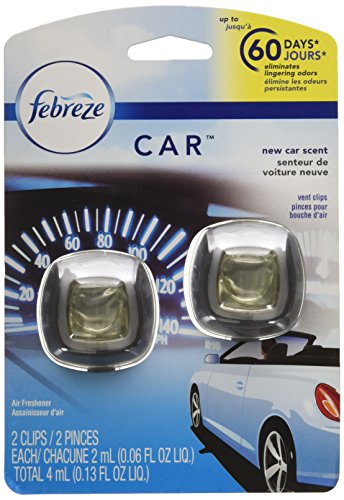
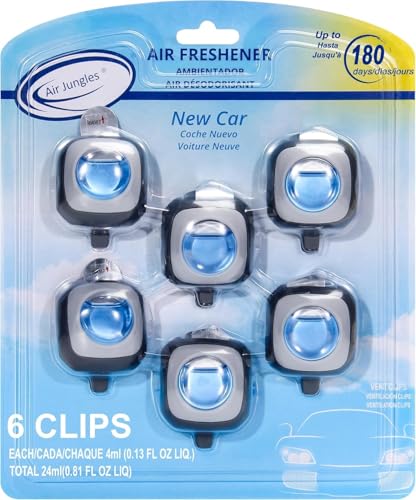
Here are some products that can help neutralize or replace that new car smell, contributing to a fresher and potentially safer cabin environment.




FAQs About what is the new car smell
What is the primary cause of the new car smell?
The primary cause of the new car smell is the off-gassing of Volatile Organic Compounds (VOCs) from new interior materials. These include plastics, adhesives, sealants, leather, and textiles used throughout the vehicle’s cabin, which release residual chemicals into the air.
Are the chemicals in new car smell dangerous?
Yes, some chemicals in the new car smell can be dangerous. The smell is a mix of over 150 VOCs, including known carcinogens like formaldehyde and benzene. Exposure can lead to short-term symptoms like headaches and nausea, and long-term exposure is linked to more serious health risks, including an increased risk of cancer.
How long does the new car smell typically last?
The intensity of the new car smell and the concentration of VOCs typically decrease significantly over time. Most VOCs dissipate within a few weeks to several months, with concentrations decaying by approximately 90% over a three-week period. However, some compounds, like flame retardants, may off-gas for longer.
Can I reduce the new car smell effectively?
Yes, you can effectively reduce the new car smell and VOC exposure. Key strategies include regularly ventilating the cabin by opening windows, parking in the shade to slow off-gassing, cleaning interior surfaces with non-toxic products, and considering the use of cabin air filters with carbon or portable air purifiers.
Do car manufacturers address the new car smell and VOCs?
Yes, automobile manufacturers are increasingly aware of concerns regarding new car smell and VOCs. They are actively working to reduce emissions by using different materials, coatings, and adhesives, such as water-based glues and soy-based foams, to create healthier interior environments.
https://www.youtube.com/watch?v=2agBrl1eYu0&pp=ygUII25lZWNhcnM%3D
Unveiling the Realities of the New Car Smell: A Healthier Ride Awaits
The allure of the new car smell, once a symbol of fresh luxury, is now understood through a scientific lens as a complex blend of Volatile Organic Compounds (VOCs) released through off-gassing. While the initial aroma might be appealing, the presence of these chemicals, including known carcinogens like formaldehyde and benzene, necessitates a thoughtful approach to vehicle ownership. Understanding that this distinctive smell can pose short-term discomforts and long-term health risks, especially for sensitive individuals, empowers you to take proactive steps.
By implementing simple yet effective mitigation strategies—such as consistent ventilation, strategic parking to reduce heat, and regular interior cleaning—you can significantly lower your exposure to VOCs. Manufacturers are also evolving, striving to create safer vehicle interiors. Ultimately, being informed about the science behind the new car smell allows you to transform your driving experience into one that is not only enjoyable but also conscientiously healthier. Equip yourself with this knowledge and drive towards a fresher, safer future.
Last update on 2026-03-02 / Affiliate links / Images from Amazon Product Advertising API


