Confused by the term ‘car decal’? You’re not alone. Many people struggle to tell the difference between decals, stickers, and wraps. This confusion makes choosing the right product for your vehicle difficult.
A car decal is a type of sticker designed for outdoor use, typically applied to a vehicle for decoration, advertising, or official identification. It is most commonly made from durable, weather-resistant vinyl and consists of multiple layers that allow a design to be transferred from a backing paper to a car’s surface, such as a window or bumper.
From years of working with vehicle graphics, we’ve seen how understanding these details makes all the difference. This guide breaks down the anatomy of a car decal [a graphic transferred to a surface], its key differences from stickers and wraps, and how to handle both decorative and official registration types. You’ll discover exactly how they are made, applied, and safely removed.
Key Facts
- Two Distinct Types: The term “car decal” covers both decorative graphics used for personalization and the official registration decals issued by the DMV for legal compliance.
- Layered Construction: Unlike a simple sticker, a true decal has three layers: a paper backing, the vinyl design itself, and a top layer of transfer tape for application.
- Vinyl is Standard: The primary material is vinyl, chosen for its weather-resistant and durable properties, making it suitable for long-term outdoor exposure.
- Application Method is Key: The main difference between a decal and a sticker is that a decal’s design is transferred to the surface, often leaving no background, while a sticker is a single piece that is peeled and applied.
- Generally Paint-Safe: When applied and removed correctly using heat, high-quality vinyl decals will not damage a vehicle’s original factory paint.
What Is a Decal on a Car?
A car decal is a graphic, image, or text printed on or cut from a weather-resistant material like vinyl, designed to be transferred to a vehicle’s surface for decorative, promotional, or informational purposes. The term “decal” can be confusing because it refers to two very different things in the automotive world. Understanding both is key to mastering the topic.

The primary distinction lies in their purpose. On one hand, you have graphics for personalization, and on the other, you have legally required identification.
- 🎨 Decorative & Promotional Decals: This is what most people think of. These are vinyl designs—from simple logos and lettering to more complex images—used to customize a car’s appearance or advertise a business. They are a form of decorative outdoor sticker.
- 📝 Official Registration Decals: This is the small, official sticker issued by a state’s Department of Motor Vehicles (DMV). It’s typically placed on your license plate or windshield to prove your vehicle registration is current and valid for the 2026.
While they share the same name, their function, appearance, and legal standing are completely different. We will explore decorative graphics first and then cover official registration decals later in this guide. This distinction is crucial because it bridges the gap between vehicle personalization and legal compliance, two separate concepts often linked by the word “decal.”
What Is the Difference Between a Car Decal, Sticker, and Wrap?
The main difference between a car decal and a sticker lies in their structure and application. A decal has three layers (backing, design, and transfer tape) and is transferred to a surface, often leaving just the cut-out design. A sticker typically has two layers (backing and the sticker itself) and is applied in a simple peel-and-stick manner. A car wrap is much larger, designed to cover entire body panels of a vehicle.
For anyone considering vehicle customization or branding, choosing between these three options is a critical first step. Each product is made differently and serves a distinct purpose. Practical experience shows that selecting the wrong one leads to disappointment in the final look and durability.
To clear up any confusion, here is a direct comparison of their key attributes:
| Feature | Car Decal | Car Sticker | Car Wrap |
|---|---|---|---|
| Structure | Three Layers (Backing, Vinyl Design, Transfer Tape) | Two Layers (Backing, Sticker) | Single large vinyl sheet with adhesive backing |
| Production | Often cut from solid vinyl; can also be printed | Almost always printed with a design | Digitally printed or colored cast vinyl |
| Background | Typically no background (only the design transfers) | The shape of the sticker itself is the background | Covers the original paint completely |
| Application | Requires transfer tape for precise placement | Simple peel-and-stick | Professional installation with heat guns and squeegees |
| Best Use Case | Clean, professional-looking logos and text | Full-color images, giveaways, packaging | Complete color changes and full-vehicle advertising |
| Durability | High (5-7 years), designed for outdoor use | Varies (paper is low, vinyl is high) | Very High (5-7+ years), protects paint underneath |
| Cost | Moderate | Low | High |
In short, a decal is best for clean, professional lettering or logos. A sticker is ideal for distributing full-color images or logos cheaply. A car wrap is the solution for a total vehicle transformation or large-scale mobile advertising. Now that we’ve established these differences, let’s explore the technical details of how a decal is actually made.
How Are Car Decals Made and What Are They Made Of?
Car decals are made using one of two methods: die-cutting from a sheet of pre-colored vinyl for simple text and logos, or digitally printing a full-color design onto white vinyl which is then cut to shape. Most car decals are made from durable, weather-resistant vinyl and consist of three distinct layers that work together to enable application. Understanding this anatomy is key to appreciating why they are so durable and versatile.
The Anatomy of a Decal
A high-quality decal isn’t just one piece. It’s a three-part system designed for a perfect transfer.
* The Paper Backing: This is the bottom layer. Its waxy surface holds the adhesive side of the vinyl decal until you’re ready to apply it.
* The Vinyl Decal: This is the actual design. It’s the layer sandwiched in the middle, made of durable, colored, or printed vinyl with an adhesive on its back.
* The Transfer Tape: This is the top, semi-sticky sheet (often clear or translucent). It holds all the separate pieces of your cut vinyl design in place so you can transfer them to your car’s surface perfectly aligned.
Cut Vinyl Decals
This is the most common type of decal for single-color lettering and logos. The process is straightforward and results in a highly durable product.
1. A design is loaded into a computer connected to a cutting plotter.
2. The machine precisely cuts the design into a sheet of solid-colored vinyl. It only cuts through the vinyl, not the paper backing.
3. The excess vinyl around the design is manually removed in a process called “weeding.” This is often the most time-consuming step.
4. Transfer tape is then applied over the top of the weeded design.
The major benefit here is color stability. Since the vinyl itself is colored, the decal will not fade from sun exposure.
Printed Vinyl Decals
For multi-color designs, photos, or gradients, decals must be printed.
1. The design is printed onto a sheet of white, adhesive-backed vinyl using a large-format solvent or eco-solvent printer.
2. To protect the ink from UV rays and scratches, a clear laminate layer is often applied over the print.
3. Finally, the plotter cuts the design out to its final shape.
4. If needed for complex shapes, transfer tape is applied.
This method allows for unlimited color possibilities but relies on the quality of the ink and laminate for its long-term durability. Many DIY enthusiasts use personal cutters like a Cricut to create their own single-color cut vinyl decals at home.
How Do You Apply and Remove a Car Decal?
To apply a car decal, you must first clean and dry the surface, then use masking tape to create a hinge for positioning, peel the backing, and smooth the decal onto the surface with a squeegee. To remove it, you gently heat the vinyl with a hairdryer to soften the adhesive before peeling it off slowly. Correctly performing these two processes is the difference between a professional-looking result and a bubbled, crooked mess or damaged paint.
How to Apply a Car Decal: A Step-by-Step Guide
From our practical implementation, applying a decal in temperatures between 50-90°F (10-32°C) yields the best results.
Tools You’ll Need:
* Glass cleaner or a 50/50 mix of isopropyl alcohol and water
* Microfiber cloth
* Masking tape
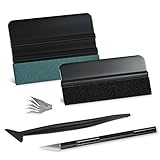
* A squeegee or credit card
- 🧴 Clean the Surface: Thoroughly clean the area where you’ll apply the decal. Any dust, wax, or oil will prevent proper adhesion. Let it dry completely.
- 📍 Position the Decal: Place the decal on the surface and use a strip of masking tape along the top edge to create a “hinge.” This holds it in the perfect spot.
- 📄 Peel the Backing Paper: Hinging the decal up, carefully peel the paper backing away, exposing the sticky side of the vinyl. Ensure the vinyl stays on the transfer tape.
- 🛠 Apply with a Squeegee: Slowly lower the decal back down. Starting from the center of the hinge and moving outwards, use the squeegee to press the decal firmly onto the surface. This forces out any air bubbles.
- 🧵 Remove the Transfer Tape: Once the decal is secure, slowly peel the clear transfer tape off at a sharp 45-degree angle. If any part of the decal lifts, press it back down with the squeegee and try again.
How to Safely Remove a Car Decal
- 🔥 Heat the Surface: Use a hairdryer or heat gun on a low setting to warm up the decal. This softens the adhesive underneath. Be careful not to overheat and damage the paint.
- 🖰 Lift an Edge: Gently use a plastic razor blade or your fingernail to lift one corner of the decal. Avoid metal tools that can scratch your paint.
- 🤚 Peel Slowly: Once you have a good grip, pull the decal off slowly and at a low angle. The heat should allow it to come off in one piece.
- 🧹 Clean the Residue: If any adhesive remains, use a dedicated adhesive remover or isopropyl alcohol on a soft cloth to wipe it away.
What Is a Registration Decal on a Car?
A car registration decal is an official sticker issued by a state’s Department of Motor Vehicles (DMV) that serves as proof a vehicle’s registration is current and valid. This decal is fundamentally different from the decorative types discussed earlier; it is a legal requirement for operating a vehicle on public roads. Failure to display a valid registration decal can result in fines or even having your vehicle towed.
This type of decal explicitly links your vehicle to your state’s database, confirming that all necessary fees and taxes have been paid for the 2026. It provides law enforcement with a quick visual cue that the vehicle is compliant with local laws.
Key information typically displayed on a registration decal includes:
* Expiration Year: The year the registration expires, usually shown as a two-digit number (e.g., ’26 for 2026).
* Expiration Month: The month of expiration, often indicated by a number or abbreviation.
* License Plate Number: Some decals include the plate number to prevent theft and fraudulent use.
* Unique Serial or Decal Number: An identifier used by the DMV for tracking purposes.
Placement varies by state. Most commonly, the decal must be affixed to a designated corner of the rear license plate. However, some states require it to be placed on the interior of the front windshield. It is crucial to follow your specific state’s regulations for placement to avoid a citation. This official sticker is a core part of vehicle identification, connecting the physical license plate to its legal status.
FAQs About what is decal on a car
Are car decals permanent?
No, car decals are not permanent but are designed for long-term durability. Most high-quality vinyl decals can last for 5-7 years or more with proper care. They are semi-permanent, meaning they will stay securely attached through weather and car washes but can be removed with heat and patience without damaging the vehicle’s paint.
Can car decals go through a car wash?
Yes, high-quality vinyl decals can safely go through a car wash. However, it is recommended to wait at least 24-48 hours after application to allow the adhesive to fully cure. For best results and longevity, touchless car washes are preferable to those with harsh brushes, and you should avoid using high-pressure washers directly on the edges of the decal.
Do car decals damage paint?
When applied and removed correctly, car decals should not damage your vehicle’s factory paint. They are designed to be paint-safe. Damage can occur if the paint is already old, chipped, or of poor quality, or if the decal is removed improperly using sharp metal tools or by pulling it off too quickly without using heat to soften the adhesive.
What is the difference between a decal and a transfer sticker?
There is essentially no difference; the terms are often used interchangeably. A “transfer sticker” is a descriptive name for a decal. It highlights the fact that the design is ‘transferred’ from the paper backing to the surface using a top layer of transfer tape, which is the defining characteristic of a decal.
What does “die-cut” mean for a decal?
“Die-cut” means the decal is custom cut to the exact shape of the design, with no extra background material. The cutting machine (or “die”) cuts through the vinyl and its adhesive backing but not the paper liner. This results in a clean, professional look where only the logo or lettering is applied to the surface.
Can you put a decal on a car window?
Yes, car windows are one of the most popular and ideal surfaces for applying decals. The smooth, non-porous glass surface allows for excellent adhesion. Both cut-vinyl decals and printed decals can be applied to windows, but perforated vinyl decals are a special type that allows you to see out from the inside.
What is the “decal number” on a car?
The “decal number” typically refers to a unique identifier printed on your official vehicle registration decal. This number may correspond to your license plate number or be a separate serial number used by the DMV for tracking purposes. It helps law enforcement verify that the decal matches the plate it is on.
How much does a car decal cost?
The cost of a car decal varies widely based on size, complexity, and type. Small, simple, mass-produced decals can cost a few dollars. Custom-cut lettering or larger printed graphics can range from $20 to several hundred dollars. Full vehicle wraps, which are a different product, can cost several thousand dollars.
What is the best material for a car decal?
Vinyl is the best and most common material for car decals due to its durability, flexibility, and resistance to weather and UV rays. There are different types, such as cast vinyl (more durable, better for curves) and calendered vinyl (more affordable, better for flat surfaces), but both are far superior to paper-based stickers for outdoor use.
Can I make my own car decals?
Yes, you can make your own car decals, especially with the rise of personal vinyl cutters like Cricut or Silhouette. The process involves creating a design in software, sending it to the cutter to be cut from a sheet of adhesive vinyl, “weeding” away the excess material, and applying transfer tape to prepare it for application.
Key Takeaways: what is decal on a car Summary
- Two Main Types Exist: The term “car decal” refers to both decorative vinyl graphics for personalization/advertising and the official registration stickers required by law on your license plate or windshield.
- Decals are Not Stickers: The key difference is application. A decal uses a three-layer system with transfer tape to apply a cut-out design, while a sticker is a two-layer, peel-and-stick item.
- Vinyl is the Standard Material: For durability against weather and sun, car decals are made from vinyl. This makes them significantly more robust than paper stickers and safe for outdoor use.
- Application is a Process: Proper application requires a clean surface, careful positioning (often with a tape hinge), and using a squeegee to smooth out bubbles for a professional finish.
- Safe for Paint When Handled Correctly: High-quality decals will not damage factory paint and can be removed safely by applying gentle heat from a hairdryer to soften the adhesive before peeling.
- Production Method Matters: Decals are either “cut” from a solid color of vinyl (for text and simple logos) or “printed” with a full-color image onto vinyl and then laminated for protection.
- Registration Decals are Legal Requirements: The decal on your license plate is official proof that your vehicle is legally registered with the state, and it must be displayed according to local laws.
Final Thoughts on what is decal on a car
Understanding what a car decal is goes beyond a simple definition. It requires recognizing the crucial split between decorative graphics and legally mandated registration tags. By grasping the three-layer anatomy of a decal, you can see why it differs so much from a simple sticker in both appearance and application. The use of durable vinyl, combined with a precise transfer method, is what gives decals their professional finish and longevity.
Whether you are looking to personalize your ride, advertise your business, or simply understand the sticker on your license plate, you now have a comprehensive framework. You know the difference between cut and printed vinyl, how to apply them without bubbles, and how to remove them without damaging your paint. This knowledge empowers you to make informed decisions for your vehicle, ensuring you choose the right product and use it correctly every time.
Last update on 2026-03-15 / Affiliate links / Images from Amazon Product Advertising API