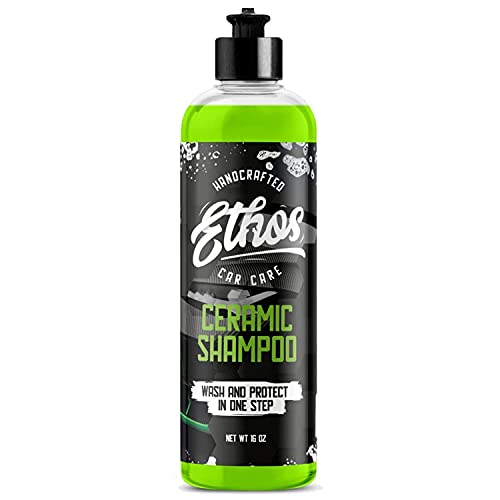
Wondering what is a ceramic car wash and if it’s just marketing hype? You’re not alone; many struggle to tell the difference between a “ceramic wash” and a full “ceramic coating,” and why it matters for your car’s finish.
A ceramic car wash is a car shampoo or an automatic wash add-on infused with Silicon Dioxide (SiO2), the primary component of ceramic coatings. It is designed to clean the vehicle while depositing a temporary, sacrificial layer of hydrophobic protection that enhances gloss and causes water to bead and roll off the surface. It serves as a maintenance product for existing coatings or a standalone short-term sealant.
Based on an in-depth analysis of current car care methodologies, this guide breaks down the science and practical benefits for you. This reveals exactly how this technology works, its key benefits over traditional wax, and how to use it for the best results, whether at home or at an automatic car wash.
Key Facts
- Definitive Ingredient: The active ingredient in ceramic washes is Silicon Dioxide (SiO2), a chemical polymer that forms a microscopic, glass-like layer on your paint, providing temporary hardness and water repellency.
- Durability Difference: Protection from a DIY ceramic car wash typically lasts for a few weeks to a month, whereas a professional ceramic coating is a semi-permanent layer that can last for 1-7+ years.
- Primary Function: The core mechanism is creating a hydrophobic surface, which increases surface tension and forces water to form tight beads, making the car easier to clean and stay clean longer.
- Superior to Wax: Ceramic washes offer better durability and chemical resistance than traditional carnauba wax because they form a chemical bond with the paint, unlike wax which is an oily layer that sits on top and wears off quickly.
- Automatic Wash Value: The ceramic option at an automatic car wash, while not as potent as a DIY application, is generally worth the extra cost for providing a convenient, short-term boost in shine and protection over a basic wash.
What Is a Ceramic Car Wash and How Is It Different From a Professional Coating?
A ceramic car wash is a maintenance product, while a professional ceramic coating is a long-term paint protection solution. The wash is a soap or a service add-on containing a small concentration of Silicon Dioxide (SiO2). It’s designed to be used frequently to clean your car and top up its shine and water-repellent properties. Think of it as a quick touch-up.

In contrast, a professional ceramic coating [a durable, semi-permanent layer of protection] involves a meticulous, multi-stage process where a detailer applies a highly concentrated liquid polymer to your vehicle’s paint. This concentrated SiO2 formula chemically bonds to the surface, creating a hard, sacrificial shield that lasts for years, not weeks. It offers superior resistance to chemicals, UV rays, and light scratches.
The key distinction lies in purpose, durability, and application. A ceramic wash is for maintenance and short-term enhancement. A professional coating is for foundational, long-term paint protection.
| Feature | Ceramic Car Wash | Professional Ceramic Coating |
|---|---|---|
| Primary Ingredient | SiO2-infused soap/sealant | Concentrated liquid polymer (SiO2) |
| Application Method | During a regular wash (DIY or automatic) | Multi-stage prep & hand application |
| Durability | Weeks to a few months | 1-7+ years |
| Cost | Low (+$5-15 at wash) | High |
| Purpose | Maintenance, gloss enhancement, top-up | Long-term paint protection & hardness |
How Does a Ceramic Car Wash Work to Protect Your Vehicle?
A ceramic car wash works in two main steps. First, the shampoo cleans away dirt and grime like a normal car wash. Second, as you wash, the infused Silicon Dioxide (SiO2) polymers in the soap create a weak electromagnetic bond with your car’s clear coat. This leaves behind a microscopic, slick layer that repels water (a hydrophobic effect) and enhances shine.
The process is like seasoning a cast-iron pan; the oil bakes on to create a non-stick surface. Similarly, the SiO2 particles “bake” onto your paint during the wash and dry process to create a non-stick, water-repellent surface. Let’s break it down.
- Cleaning: The journey begins with the soap’s detergents. They safely lift dirt, road grime, and other contaminants from your vehicle’s exterior, preparing a clean canvas. A clean surface is essential for the next step to be effective.
- Bonding: This is where the magic happens. The microscopic Silicon Dioxide (SiO2) particles suspended in the soap are engineered to have an affinity for your car’s clear coat. As you agitate the soap with a wash mitt, these particles form a weak covalent bond with the paint surface.
- Protecting: Once bonded, these particles form a new, ultra-thin top layer. This sacrificial layer is extremely smooth and has high surface tension, which creates the “hydrophobic” or water-fearing effect. It also fills in microscopic imperfections in the paint, resulting in a deeper, more reflective gloss.
What Is the Role of Silicon Dioxide (SiO2)?
Silicon Dioxide, or SiO2, is a chemical compound that creates a microscopic, glass-like layer on your car’s paint, providing hardness, chemical resistance, and a high-gloss finish. It is the foundational ingredient that gives ceramic products their signature protective qualities. Essentially, it’s a liquid-glass polymer.
Think of what gives glass its hardness and clarity; SiO2 is the main component. In a car wash, a liquid version of this compound lends those same properties to your vehicle’s finish.
Key properties of SiO2 include:
* Hardness: It creates a harder-than-paint sacrificial layer that helps resist minor contaminants.
* Chemical Resistance: It is highly resistant to chemicals, protecting the paint underneath from things like acidic rain and harsh detergents.
* Hydrophobicity: It creates a surface with very high surface tension, forcing water to bead up and roll away.
* Clarity: It dries crystal clear, enhancing the color and depth of the paint underneath it.
Did you know? 💡 SiO2 is one of the most abundant minerals on Earth and is the main component of sand and quartz.
How Does the Hydrophobic Effect Protect Paint?
The hydrophobic effect from a ceramic wash protects paint by creating a high-surface-tension barrier that prevents water, mud, and grime from sticking, which significantly reduces water-spotting and makes the vehicle easier to clean. This beading effect is more than just a cool look; it’s active protection. Your car’s paint goes from being like a paper towel to being like a rain jacket.
Because water and dirt are repelled from the surface, they are far less likely to cause damage. This barrier offers several protective benefits:
* Reduces Water Spotting: Since water rolls off instead of sitting flat, there’s less chance for minerals in the water to dry on the paint and cause etching.
* Creates a “Self-Cleaning” Effect: As water beads roll off the car while you drive in the rain, they pick up light dust and dirt, carrying them away. This keeps your car looking cleaner for longer between washes.
* Resists Contamination: The slick surface makes it difficult for environmental contaminants like bird droppings, acid rain, and road grime to bond with and etch into your clear coat.
* Makes Washing Easier: When you do wash your car, dirt and grime release from the slick surface with much less effort, reducing the risk of scratching the paint during a contact wash.
What Are the 7 Key Benefits of Using a Ceramic Car Wash?
The primary benefit is creating a powerful hydrophobic (water-repellent) layer. This makes your car significantly easier to clean and dry. Other key benefits include:
1. Enhanced Gloss and Shine
The SiO2 particles fill in microscopic pores and imperfections in your car’s clear coat. This creates a perfectly smooth surface that reflects light more uniformly, resulting in a sharp, candy-like gloss that makes the paint color appear deeper and more vibrant.
2. Sacrificial UV Protection
The ceramic layer provides a barrier against the sun’s harmful ultraviolet rays. While not as robust as a full professional coating, this sacrificial layer helps to reduce paint oxidation, which prevents fading and dullness over time, keeping your car’s color rich and true.
3. Improved Durability Over Wax
Unlike traditional carnauba wax that melts at low temperatures and is easily stripped by detergents, a ceramic wash forms a chemical bond with the paint. This makes it more resistant to heat and chemicals, meaning it lasts through more washes and provides longer-lasting protection.
4. A “Self-Cleaning” Effect
The powerful hydrophobic properties mean that water, mud, and dirt have a hard time sticking to your car. When driving in the rain, water beads will often pick up light dust and roll right off the vehicle, helping it stay cleaner for longer periods.
5. Easier Removal of Bugs & Tar
The slick, non-stick surface created by a ceramic wash prevents sticky contaminants like bug guts and road tar from bonding strongly to the paint. This makes them significantly easier and safer to remove during your next wash, reducing the need for harsh chemicals or aggressive scrubbing.
6. Cost-Effective Protection
For a minimal extra cost at an automatic wash or a slightly higher price for a DIY soap bottle, you get a noticeable upgrade in protection and appearance. It’s an accessible way to step up from basic waxes without committing to the high cost of a professional ceramic coating.
7. Stacking/Boosting Existing Protection
If you already have a professional ceramic coating or a sealant on your car, using a ceramic car wash is the perfect way to maintain and rejuvenate it. The SiO2 in the soap reinforces the existing layer, boosting its hydrophobic properties and extending its lifespan.
Ceramic Wash vs. Traditional Wax: Which Offers Better Protection and Shine?
Ceramic wash is better for durability and protection, while traditional wax is often preferred for its specific aesthetic. Ceramic products create a hard, chemical-resistant layer by forming a chemical bond with the paint that lasts for months. Traditional carnauba wax provides a shorter-lived sacrificial layer (weeks) by sitting on top of the paint. It is less resistant to detergents and heat but can produce a deep, “wet” look that some enthusiasts prefer.
For users seeking longevity and ease of maintenance, a ceramic wash is the superior choice. For those who enjoy the hands-on process of waxing and prefer a classic warm shine for a show car, wax remains a viable option.
| Feature | Ceramic Car Wash | Traditional Wax (Carnauba) |
|---|---|---|
| Bonding Type | Chemical (covalent bond) | Physical (sits on top) |
| Durability | 2-4 months | 3-6 weeks |
| Protection | High resistance to chemicals, UV, heat | Low resistance to detergents and heat |
| Shine Type | Sharp, candy-like gloss | Deep, warm, wet-look glow |
| Water Behavior | Tight, uniform beads (hydrophobic) | Larger, irregular beads/sheeting |
| Application | Integrated into wash process | Separate, multi-step process |
| Best For | Longevity and ease of maintenance | Show-car finish and enthusiasts |
How Do You Properly Wash a Car with Ceramic Soap at Home?
To properly use ceramic car wash soap, it’s crucial to follow a safe wash process to prevent scratches and ensure the best bond. The “two-bucket method” is the professional standard for this.
Step 1: Pre-Rinse
Thoroughly rinse the entire vehicle with a pressure washer or a strong stream from a hose. Your goal is to remove as much loose dirt, dust, and debris as possible before you ever touch the paint with a wash mitt. This is the most important step in preventing scratches.
Step 2: Prepare Buckets
Use the “two-bucket method.” Fill one bucket with your ceramic car wash soap mixed to the manufacturer’s recommended dilution. Fill a second bucket with plain water. Place a grit guard—a screen that traps dirt at the bottom—into each bucket.
Step 3: Wash Panel by Panel
Submerge your clean microfiber wash mitt into the soap bucket. Starting from the top of the car and working your way down, wash one section at a time (e.g., the roof, then the hood, then a door). This prevents you from dragging dirt from the dirtiest parts of the car (the lower panels) onto the cleaner parts.
Step 4: Rinse the Mitt
After washing a single panel, do not put the dirty mitt directly back into your soap bucket. Instead, dunk and agitate it in the plain water rinse bucket. This releases the dirt and grime into the rinse water, where it gets trapped below the grit guard. Now your mitt is clean and ready to be reloaded with fresh soap for the next panel.
Step 5: Final Rinse & Dry
Once the entire car is washed, give it a thorough final rinse, again starting from the top down, ensuring all soap residue is removed. Immediately dry the vehicle with a large, plush microfiber drying towel to prevent water spots from forming as the water evaporates.

Are Ceramic Options at Automatic Car Washes Worth The Extra Cost?
Yes, for many drivers, the ceramic option at an automatic car wash is worth the extra cost. It provides better short-term protection, a noticeable boost in shine, and superior water-repellency compared to a basic wash. While it’s not as durable or effective as a hand-applied product, it’s a fantastic, zero-effort way to maintain a good appearance and some level of protection.
Think of it as a trade-off between convenience and perfection. For the busy car owner who uses automatic washes regularly, paying an extra $5-$15 for the ceramic shield or ceramic wax option is a smart investment.
Pros of Automatic Ceramic Washes:
- 👍 Ultimate Convenience: You get a fresh layer of SiO2 protection with zero physical effort.
- ✨ Better Than Basic: It offers significantly more protection and shine than a simple soap-and-water wash.
- 💧 Good Maintenance: It’s an effective way to “top up” an existing professional coating or sealant.
- 💵 Cost-Effective: It’s an inexpensive way to add hydrophobic properties to your paint.
Cons of Automatic Ceramic Washes:
- 🔍 Low Durability: The protection is very temporary, often lasting only a week or two.
- 🛢️ Inconsistent Application: The spray-on application may not cover all surfaces evenly.
- 🧹 Risk with Brushes: If used in a soft-touch (brush) wash, you still run the risk of micro-scratches, which negates some of the protective benefits.
The Verdict: The ceramic add-on at an automatic wash is great for convenience, not for perfection. For maximum value and safety, choose a touchless automatic car wash that offers a ceramic sealant spray as its premium option.
FAQs About what is ceramic car wash
How often should you wash a car with a ceramic coating?
For a daily driver, you should wash a ceramic coated car every one to two weeks. The coating makes washing easier, but it doesn’t eliminate the need for it. Regular washing prevents a buildup of contaminants that could clog the pores of the coating and diminish its hydrophobic properties over time.
Can you use a regular car wash on a ceramic coating?
Yes, you can, but it’s best to use a pH-neutral car soap that does not contain waxes or sealants. Harsh, high-alkaline soaps can degrade the coating faster, and soaps with wax can mask the coating’s true hydrophobic behavior. A dedicated ceramic soap is ideal as it can reinforce the protection.
Does a ceramic car wash fix scratches?
No, a ceramic car wash does not fix or fill in scratches, swirls, or rock chips. Its primary function is to add a layer of protection and gloss. To remove scratches, the paint needs to be corrected through polishing before applying protection like a ceramic coating or wash.
What is the difference between a ceramic wash and a ceramic sealant spray?
A ceramic wash is a soap for cleaning, while a ceramic sealant is a dedicated protection product applied after washing. The wash leaves behind a small amount of protection. A sealant spray is more concentrated and is designed to provide a much more durable layer of protection, often lasting several months.
Can I apply a ceramic car wash in direct sunlight?
It is not recommended to apply a ceramic car wash in direct sunlight or on a hot surface. The heat can cause the soap and water to dry too quickly, leading to water spots and potentially streaking from the ceramic ingredients. Always wash in the shade or during cooler parts of the day.
Is there a difference between “ceramic” and “graphene” car wash?
Yes, graphene is a newer additive claimed to offer better durability and heat dispersion than ceramic (SiO2). Graphene is an allotrope of carbon, and products infused with it are marketed as having enhanced water-spot resistance and a slicker finish. For most users, the performance difference in a wash soap is minimal.
Will a ceramic wash damage my car’s trim or plastic?
No, a quality ceramic car wash soap is safe for all exterior surfaces, including plastic trim, rubber, and glass. In fact, it can provide the same temporary hydrophobic and UV protective benefits to these surfaces, often slightly darkening and restoring the look of faded black trim.
How long does the protection from a single ceramic wash last?
The protection from a single DIY ceramic wash typically lasts from a few weeks to a month. Longevity depends heavily on weather, driving conditions, and product concentration. Automatic car wash ceramic options often have a shorter lifespan of one to two weeks.
Do I need to clay bar my car before using a ceramic wash?
No, you do not need to clay bar your car before every ceramic wash. Clay barring is an important decontamination step that should be done once or twice a year before applying a durable sealant or coating. For a routine wash with ceramic soap, a simple pre-rinse is sufficient.
Can you use a ceramic wash on top of traditional wax?
Yes, you can, but it is not ideal. Using a ceramic wash on top of wax may produce some temporary water beading, but the SiO2 polymers will not be able to properly bond to the paint surface. For best results, a ceramic wash should be used on a surface that is either bare or already protected with a ceramic-based product.
Key Takeaways: Ceramic Car Wash Summary
- Wash vs. Coating: A ceramic car wash is a maintenance product with SiO2 for short-term protection (weeks), while a professional ceramic coating is a semi-permanent, hand-applied layer for long-term protection (years).
- Core Mechanism is Hydrophobicity: The infused Silicon Dioxide (SiO2) bonds to your paint, creating a slick, water-repellent surface. This “hydrophobic effect” is what makes water bead and causes dirt and grime to slide off easily.
- Superior to Wax in Durability: Ceramic washes form a chemical bond that is more resistant to heat and detergents than traditional carnauba wax, which simply sits on the paint surface and wears away quickly.
- Proper Application is Key for DIY: For best results at home, use the “two-bucket wash method” with grit guards, wash from top to bottom, and dry promptly with a microfiber towel to prevent scratching and water spots.
- Automatic Washes Offer Convenience, Not Perfection: The ceramic option at an automatic wash is a worthwhile upgrade over a basic wash for convenient, short-term shine and protection, but it cannot match the performance or durability of a proper hand wash.
- Does Not Fix Existing Damage: Ceramic washes will not remove or hide swirls, scratches, or rock chips. Paint correction (polishing) is required to fix these imperfections before applying protection.
- pH-Neutral Soap is Best for Maintenance: When washing a car with any form of ceramic protection, always use a pH-neutral car soap to avoid degrading the protective layer.
Final Thoughts on Embracing Modern Car Care
Understanding the world of ceramic car care is the first step toward easier maintenance and a better-looking vehicle. A ceramic car wash represents a significant step up from traditional waxes, offering every car owner an accessible way to achieve enhanced protection, superior gloss, and a finish that stays cleaner, longer. It’s not just hype; it’s smarter science for your car.
Whether you choose the convenience of an automatic wash add-on or the rewarding process of a DIY two-bucket wash, you are actively preserving your vehicle’s paint. By choosing the right product and method for your needs, you can spend less time scrubbing and more time enjoying a brilliantly clean car.
Last update on 2026-03-14 / Affiliate links / Images from Amazon Product Advertising API