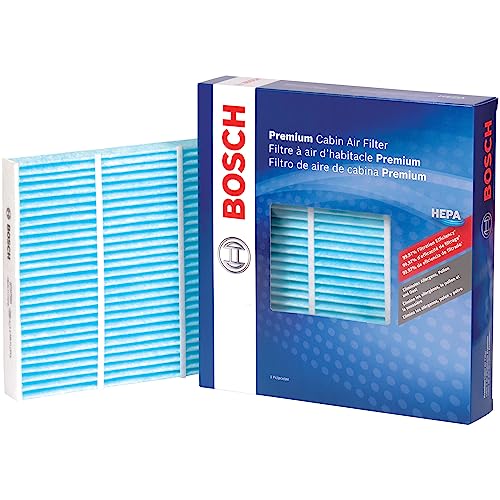
Wondering what is car cabin filter and why it matters? You’re not alone; many drivers overlook this simple part. It directly affects the air you breathe and your car’s performance.
A car cabin air filter is a critical component of your vehicle’s heating, ventilation, and air conditioning (HVAC) system designed to clean the air that you breathe inside the car.. It acts as a barrier, filtering out airborne contaminants from the outside air, such as dust, pollen, exhaust fumes, and other allergens.
Based on extensive analysis of automotive maintenance standards, this guide explains exactly what your cabin filter does. You will learn how it works, why it’s crucial for your health, and the simple steps to keep it maintained for a healthier, more comfortable driving experience.
Key Facts
- Protects Passenger Health: A cabin air filter is a barrier that shields you from outdoor pollutants, trapping dust, smog, and allergens before they enter the cabin.
- Distinction is Crucial: The cabin air filter is different from the engine air filter; the cabin filter protects passengers, while the engine air filter protects the engine from contaminants.
- Improves Driving Experience: Clean filters ensure a comfortable and healthy driving environment by purifying the air that enters your car’s interior.
- Maintains HVAC System: A clean filter protects your vehicle’s HVAC (Heating, Ventilation, and Air Conditioning) system from debris and strain.
- Wide-Ranging Filtration: Modern cabin filters can capture a variety of pollutants, including dust, dirt, pollen, exhaust fumes, and even tiny bugs.
What Is a Car Cabin Filter and What Does It Do?
A car cabin air filter is a critical component of your vehicle’s heating, ventilation, and air conditioning (HVAC) system designed to clean the air that you breathe inside the car. It acts as a barrier, filtering out airborne contaminants from the outside air, such as dust, pollen, exhaust fumes, mold spores, and other allergens, ensuring a healthier and more comfortable driving environment. Think of it as the mask for your car’s ventilation system or its version of a home air purifier filter.

This simple but essential part is separate from the engine air filter, which performs a different job entirely: protecting your engine. The cabin filter’s sole purpose is to safeguard the health and comfort of you and your passengers by improving the interior air quality. According to automotive experts, its function is vital for a pleasant ride.
The primary functions of a car cabin filter include:
- Filtering Pollutants: It traps dust, pollen, soot, and other particulates before they can circulate inside your vehicle.
- Blocking Allergens: For millions of allergy sufferers, the cabin filter is a key defense against airborne allergens that can trigger symptoms.
- Reducing Odors: Many modern filters include activated carbon to help absorb unpleasant smells from traffic and industrial zones.
- Protecting Your HVAC System: By capturing debris, the filter prevents leaves, bugs, and dirt from clogging and potentially damaging the sensitive components of your car’s heating and AC system.
Did You Know? Over 95% of new cars sold today come standard with a cabin air filter, highlighting its importance in modern vehicle design. It has become a crucial component for ensuring passenger comfort and health.
How Does a Car Cabin Filter Work to Clean the Air?
A cabin air filter works by physically blocking particles. As outside air is drawn into your car’s HVAC system, it is forced through a filter made of pleated, multi-fiber paper or synthetic material. The pleats create a large surface area that traps solid contaminants like dust, pollen, and soot. Some advanced filters also include a layer of activated carbon to absorb odors and harmful gases through a process called adsorption.
The process is straightforward but effective, functioning in a few key steps:
- Air Intake: Your car’s ventilation system pulls air from outside the vehicle (in fresh air mode) or from inside the cabin (in recirculation mode).
- Filtration: This air is channeled and forced through the cabin air filter. The filter’s fibrous, pleated material acts like a complex net, catching and holding onto particles of various sizes. For filters with activated carbon, this step also involves trapping odor-causing gas molecules.
- Clean Air Distribution: The newly cleaned air then passes into the HVAC unit to be heated or cooled before being distributed throughout the cabin via the vents.
A common question is whether the filter works when the system is in recirculation mode. The answer is yes. In this mode, the air already inside the cabin is continuously drawn back through the filter, which helps remove dust, pet dander, or other particles that may have originated inside the car.
Pro Tip: Using your car’s recirculation mode when in heavy traffic, driving through tunnels, or in areas with poor air quality can help extend your filter’s life. It reduces the load of heavily polluted outside air that the filter has to process.
Why Is a Clean Cabin Air Filter Crucial for Your Health and Car?
A clean cabin air filter is vital for two main reasons: your health and your car’s HVAC system. For your health, it filters out harmful dust, pollen, and pollutants that can trigger allergies and respiratory issues. For your car, it prevents the HVAC system from overworking, ensuring efficient heating and cooling and avoiding costly repairs to the blower motor.
The importance of this component can be broken down into three key areas:
- 💜 Protects Your Health: Your car’s interior can have air pollutant levels significantly higher than the outside air. The cabin filter is your first line of defense, trapping particulates that can aggravate asthma and allergies. According to the EPA, indoor air levels of some pollutants may be 2-5 times higher than outdoor levels, and a clean filter is essential to mitigate this within your vehicle.
- ❄️ Maintains HVAC Performance: A clogged filter severely restricts airflow. This forces your car’s AC and heating system to work much harder to push air through the vents, leading to weak heating and cooling. This strain can cause the system’s blower motor to overheat and fail prematurely, a repair that could cost between $200 and $400.
- 💨 Ensures In-Cabin Comfort: A dirty filter is a breeding ground for mold and mildew, which can cause a musty, unpleasant odor to come from your vents every time you turn on the fan. A clean filter ensures the air inside your car is fresh and free of bad smells.
Neglecting this simple part doesn’t just mean breathing dirty air; it means putting unnecessary stress on your vehicle’s mechanical systems, which can lead to expensive and inconvenient failures down the road.
What Is the Difference Between a Cabin Air Filter and an Engine Air Filter?
The cabin air filter cleans the air for passengers to breathe, while the engine air filter cleans the air for the engine to ‘breathe’ for combustion. Although they are both air filters, they protect completely different systems and are not interchangeable. This is one of the most common points of confusion for new car owners.
Here is a clear breakdown of their differences:
| Feature | Car Cabin Air Filter | Engine Air Filter |
|---|---|---|
| Primary Purpose | Cleans air for passengers to breathe | Cleans air for engine combustion |
| Protects | People (health, comfort) & HVAC system | Engine components (cylinders, pistons) |
| Typical Location | Behind the glove box or under the dashboard | In a plastic housing in the engine bay |
| Filters Out | Dust, pollen, allergens, mold, odors, fumes | Dirt, debris, insects, sand, dust |
| Consequence of Neglect | Poor in-cabin air quality, weak AC/heat, bad odors | Decreased engine performance, lower fuel economy, potential engine damage |
| Typical Replacement | Every 15,000-30,000 miles or 12-24 months | Every 15,000-45,000 miles, depending on conditions |
Understanding this distinction is critical for proper vehicle maintenance. When a mechanic recommends changing your “air filter,” it’s wise to clarify whether they mean the cabin filter or the engine filter. In short: one protects you, and the other protects your engine.
What Are the Different Types of Cabin Air Filters Available?
There are three primary types of car cabin filters, each offering different levels of filtration:
- Standard Particulate Filters: Made of pleated paper, they trap dust, pollen, and debris.
- Activated Carbon Filters: These include a layer of carbon to absorb odors and exhaust fumes in addition to trapping particles.
- HEPA-Type Filters: Offering the highest level of filtration, these capture microscopic particles like fine dust (PM2.5), allergens, and bacteria.
Standard Particulate Filters
This is the most basic and common type of filter. It’s made from pleated paper or synthetic fibers and does an excellent job of trapping larger particles like dust, pollen, and bugs. It is a great, affordable choice for basic air quality needs.
Activated Carbon Filters
This type of filter has an additional layer infused with activated carbon. The carbon’s porous structure uses a process called adsorption to trap odor-causing molecules and harmful gases like exhaust fumes. This is an ideal choice for drivers in urban areas with heavy traffic or for those sensitive to smells.
High-Efficiency (HEPA-Style) Filters
For those with severe allergies, asthma, or high sensitivity to air quality, HEPA-style filters offer the best protection. While true HEPA filters must capture 99.97% of particles as small as 0.3 microns, automotive versions often capture over 99% of fine particulates like PM2.5. A human hair is about 50-70 microns wide; a HEPA filter traps particles hundreds of times smaller.
| Filter Type | Primary Function | Best For | Key Feature |
|---|---|---|---|
| Standard (Particulate) | Traps dust, pollen, debris | Basic air quality needs | Most affordable option |
| Activated Carbon | Traps dust & absorbs odors/fumes | Urban areas with traffic, smokers | Charcoal-infused layer for odor control |
| HEPA-Type / High-Efficiency | Traps microscopic particles | Allergy/asthma sufferers, health-conscious drivers | Captures >99% of fine particulates (PM2.5) |
A quick note on washable filters: some brands offer reusable filters that can be cleaned and reinstalled. While they are cost-effective in the long run, they require careful cleaning according to manufacturer instructions and may not offer the same level of fine-particle filtration as high-quality disposable filters.

What Are the Top 5 Signs of a Bad or Clogged Cabin Air Filter?
Noticing any of the following signs? It’s likely time for a change. Here are the top 5 symptoms that your cabin air filter is clogged and needs replacing:
- Weak Airflow from Vents: This is the most common sign. If you have to turn your fan up higher than usual to get the same amount of airflow, the filter is likely blocked. The blockage prevents air from moving freely into the cabin.
- Musty or Unpleasant Odors: A “dirty sock” or musty smell coming from your vents, especially when you first turn on the fan or AC, is a classic symptom. This odor is caused by mold and bacteria growing on the trapped dirt and moisture in the old filter.
- Loud or Whining Noises from the HVAC System: When a filter is clogged, the fan motor has to work much harder to pull air through it. This extra strain can cause the motor to produce a noticeable whistling or whining sound.
- Increase in Allergies or Dust in the Cabin: If you find yourself sneezing more often while driving, or if a layer of dust quickly accumulates on your dashboard, your filter is no longer doing its job. It’s allowing allergens and dust to enter the cabin freely.
- Constantly Foggy Windows: Weak airflow from a clogged filter impairs your car’s ability to dehumidify the cabin. This can cause your windows to fog up easily and be very slow to clear, even with the defroster on full blast.
How Often Should You Change a Car Cabin Filter?
As a general rule, most manufacturers recommend replacing the cabin air filter every 15,000 to 30,000 miles or at least once a year. However, the single most accurate recommendation is always found in your specific vehicle’s owner’s manual.
While the manual provides the official interval, you may need to change your filter more frequently depending on your driving habits and environment. You should consider an annual or even biannual replacement if you:
- Frequently drive on dusty or unpaved roads.
- Live in an area with high levels of pollen or air pollution (like a major city).
- Regularly park your car under trees, which can drop leaves, seeds, and pollen onto your vehicle.
- Have passengers with allergies or respiratory sensitivities.
Pro Tip: Set a calendar reminder on your phone for one year from your last replacement to visually inspect the filter. Pulling it out takes just a few minutes in most cars, and a quick look is the best way to know for sure if it’s time for a change. A clean filter is typically white or off-white, while a dirty one will be dark gray or black and filled with visible debris.
How Do You Replace a Car Cabin Filter? (Step-by-Step)
For most vehicles, replacing the cabin air filter is a simple DIY task that takes less than 15 minutes and requires no special tools, saving you significant money on labor costs. The most common location is behind the glove box.
Before You Begin
- Check Your Owner’s Manual: Confirm the filter’s location and any specific instructions for your vehicle.
- Get the Right Part: Purchase a new filter that is compatible with your car’s make and model.
- Tools: You may not need any, but a small screwdriver or a pair of pliers can sometimes be helpful for clips.
Step-by-Step Replacement Guide
- Locate and Access the Filter: Open and completely empty your glove box. Look for a retaining arm or stoppers on the sides.
- Lower the Glove Box: Disconnect the retaining arm (it usually unclips easily). Then, press in on both sides of the glove box to release the stoppers, allowing it to swing down completely and hang out of the way.
- Open the Filter Housing: Behind the lowered glove box, you will see a rectangular plastic cover. This is the filter access door. Unclip or unscrew this cover to expose the old filter.
- Swap the Filters: Pay close attention to the airflow arrow printed on the side of the old filter before you remove it. This indicates the direction air moves through the system. Slide the old, dirty filter out. Slide the new filter in, making sure the airflow arrow on the new filter points in the same direction.
- Reassemble: Snap the filter access door back into place. Swing the glove box back up, re-engage the side stoppers, and re-attach the retaining arm. Fill your glove box, and you’re done!
Common Mistake: Don’t force it! If a clip or the glove box doesn’t move easily, double-check for a hidden screw or latch you might have missed. Being gentle prevents breaking brittle plastic parts.
FAQs About what is car cabin filter
Can you clean and reuse a car cabin air filter?
In most cases, you should not clean and reuse a standard cabin air filter. These are designed to be disposable. Attempting to wash or vacuum them can damage the delicate filter media, reducing effectiveness and potentially releasing trapped contaminants. Only filters specifically sold as “washable” should ever be cleaned, and only by following the manufacturer’s exact instructions.
What happens if you drive without a cabin air filter?
Driving without a cabin air filter allows unfiltered air, including dust, pollen, and debris, directly into your car’s cabin. This significantly reduces the air quality you breathe and can allow leaves and dirt to fall into the HVAC system’s blower motor, potentially causing noise or damage.
How much does cabin air filter replacement cost?
A professional cabin filter replacement typically costs between $40 and $100. The filter part itself usually costs between $15 and $50. By doing it yourself, you only pay for the part, making it one of the most cost-effective DIY maintenance tasks you can perform.
Does a cabin air filter affect gas mileage?
A severely clogged filter can have a very minor impact on gas mileage. It forces the AC compressor and fan motor to work harder, putting a slightly heavier load on the engine. While the effect is small, ensuring good airflow prevents this unnecessary strain and helps your HVAC system operate at peak efficiency.
Will a new cabin air filter make my AC colder?
A new filter can make your AC feel colder by restoring strong airflow. A clogged filter restricts the volume of air blowing from your vents. Replacing it allows the cold air to circulate much more forcefully, dramatically improving your car’s cooling performance and your overall comfort on a hot day.
Are expensive cabin air filters worth it?
It depends on your personal needs. For most drivers, a standard or activated carbon filter provides excellent performance. However, for those with severe allergies, asthma, or who live in areas with poor air quality (like cities with smog or regions with wildfire smoke), a more expensive high-efficiency (HEPA-style) filter is absolutely worth the cost for its superior filtration of microscopic particles.
Is the AC filter the same as the cabin air filter?
Yes, the terms “AC filter,” “pollen filter,” and “cabin air filter” are often used interchangeably. They all refer to the same component that filters the air before it enters the cabin through the heating, ventilation, and air conditioning (HVAC) system.
How long does it take to change a cabin air filter?
For most cars, this job takes only 5 to 15 minutes. The common location behind the glove box is designed for easy access. However, for some vehicles where the filter is located under the dashboard or cowl, the process can be more involved and take up to 30-60 minutes.
Why does my car still smell after changing the cabin air filter?
If a musty smell persists, the odor is likely coming from mold or bacteria growing on the AC system’s evaporator core. While a new filter is a crucial first step, moisture can build up deep within the HVAC system. You may need a professional AC system cleaning service or a special aerosol treatment to eliminate the source of the odor.
Does an electric car (EV) have a cabin air filter?
Yes, virtually all electric vehicles have a cabin air filter. Like gasoline-powered cars, EVs use an HVAC system for heating and cooling the cabin, and that system requires a filter to clean the incoming air. The function, purpose, and maintenance are identical.
Key Takeaways: Car Cabin Filter Summary
- It Cleans Your Air: The cabin air filter’s main job is to protect you, the passenger, by filtering dust, pollen, and pollutants from the air you breathe inside your car.
- It’s Not the Engine Air Filter: These are two different parts with two different jobs. The cabin filter protects people; the engine air filter protects the engine.
- Health and HVAC Are Key Benefits: A clean filter improves in-cabin air quality (crucial for allergy sufferers) and helps your car’s AC and heating system run efficiently, preventing costly repairs.
- Know the Warning Signs: Weak airflow from vents, musty smells, and foggy windows are classic signs that your filter is clogged and needs to be replaced.
- Check Every 15,000 Miles: As a rule of thumb, inspect or replace your filter every 15,000-30,000 miles or once a year, but always consult your owner’s manual for the official recommendation.
- It’s a Great DIY Task: For most cars, the filter is located behind the glove box and can be replaced in under 15 minutes with no special tools, saving you $50-$100 in labor costs.
- Choose the Right Type: While standard filters are good, activated carbon filters are better for eliminating odors, and HEPA-style filters offer the best protection against fine particulates for those with health concerns.
Final Thoughts on Your Car’s Cabin Filter
The car cabin filter is an inexpensive but vital maintenance item that directly impacts your health and the performance of your vehicle’s HVAC system. It is far more than just a piece of paper; it is the guardian of the air you and your family breathe on every journey. For just a few minutes of your time and the cost of a new filter, you can ensure a healthier, more comfortable ride and prevent unnecessary strain on your car.
Checking and replacing it is one of the easiest and most cost-effective ways to take control of your vehicle’s maintenance. Now that you understand what it is, how it works, and why it matters, you’re empowered to make this simple check a regular part of your car care routine.
Last update on 2026-03-15 / Affiliate links / Images from Amazon Product Advertising API