
Wondering what is an undercarriage on a car and why it gets so much attention? You’re not alone; many drivers are unfamiliar with this critical, yet hidden, part of their vehicle. It’s the area most exposed to road hazards.
A car’s undercarriage, also known as the vehicle underbody, is the entire exposed area on the bottom of a vehicle. It functions as the foundational structure, housing a network of critical components including the frame, suspension, exhaust system, and drivetrain that are essential for the car’s operation, safety, and structural integrity.
Based on current automotive principles and maintenance data, this guide breaks it all down. You will discover exactly what the undercarriage contains, why it’s so important for your safety and your car’s value, and the proven methods to protect it from damage.
Key Facts
- Structural Foundation: The undercarriage provides the core structural integrity for the entire vehicle, functioning as the skeleton that supports the body and engine, which is critical for crash safety according to established safety standards.
- Rust from Road Salt: The primary cause of undercarriage damage is corrosion from road salt and moisture, which can weaken the frame and lead to costly repairs, a fact highlighted by industry analysis in winter climates.
- Pothole Damage Risk: Hitting a single severe pothole can cause significant undercarriage damage, potentially bending suspension components, cracking the frame, or puncturing the oil pan, leading to immediate safety and operational issues.
- Cleaning is Prevention: Regular undercarriage cleaning, especially with an underbody flush at a car wash, is the most cost-effective method to prevent long-term rust damage, removing corrosive materials before they can compromise the metal.
- Impact on Resale Value: The condition of the undercarriage is a major factor in determining a vehicle’s resale value; a clean, rust-free underbody signals a well-maintained car, while a corroded one is a major red flag for buyers and inspectors.
What Is An Undercarriage On a Car?
A car’s undercarriage is the entire bottom portion of the vehicle, located underneath the main cabin. Think of it as the foundation of your house; it’s the structural base that supports everything built on top of it. This area is not a single component but a complex network of structural, mechanical, and protective parts that form the backbone of the automobile. The undercarriage is a collective term for the exposed area that houses the chassis, suspension, exhaust, and drivetrain.

From a car maintenance 101 perspective, understanding the undercarriage is fundamental to understanding how cars work. It’s the business end of the vehicle, where the power gets to the road and where the car connects with the driving surface. Because it’s constantly exposed to water, rocks, road salt, and other debris, its condition is a direct reflection of the vehicle’s overall health and longevity. But what exactly is located in this critical, hidden area?
What Are the Key Components of a Car’s Undercarriage?
The key components of a car’s undercarriage include the chassis frame, suspension system, the exhaust system, and drivetrain parts. It also houses vital fuel and brake lines, all anchored to the vehicle’s structural foundation. To make it easier to understand, we can group these parts by their function: structural, mechanical, and suspension.
What Are The Structural Components?
These parts form the vehicle’s skeleton, providing the strength and mounting points for every other system. The primary structural components are the chassis and frame.
- Chassis/Frame: This is the foundational skeleton of your car. It provides the necessary strength, or torsional rigidity, to prevent the car from twisting and flexing. It’s the mounting point for the engine, suspension, and body.
- Body-on-Frame vs. Unibody: In our experience, it’s useful to know the two main types. Trucks and some large SUVs use Body-on-Frame construction, where a separate frame has the body placed on top. Most modern passenger cars, like a Honda Civic, use Unibody construction, where the frame and body are a single, integrated piece for lighter weight and better handling.
- Subframes: These are smaller, bolt-on frame sections used in unibody vehicles to hold the engine or rear suspension components.
What Are The Mechanical, Drivetrain, and Exhaust Systems?
These are the active systems that make the car move, stop, and manage emissions. You’ll find these crucial mechanical vitals located throughout the underbelly of the car.
- Transmission: This system changes gears to transfer power from the engine to the wheels efficiently. The bottom of it, along with the oil pan for the engine, is often the source of fluid leaks. A practical tip from experience: you can often spot an oil pan leak as a dark puddle directly under the engine.
- Drive Shaft and Axles: The drive shaft is a long rotating tube that sends power from the transmission to the differential in rear-wheel or all-wheel-drive cars. Axles then transfer that power from the differential out to the wheels.
- Differential: This gearbox is essential for turning. It allows your outside wheel to spin faster than the inside wheel during a turn, preventing wheel hop and ensuring smooth cornering.
- Exhaust System: This system channels hot, toxic gases from the engine to the rear of the car. It includes the catalytic converter (which reduces harmful emissions and is a target for theft), resonators, and the muffler (which silences the engine noise).
What Are The Suspension, Steering, and Brake Components?
These parts are responsible for ride quality, control, and stopping power. They connect the wheels to the car’s frame and absorb impacts from the road.
- Suspension System: This acts like the car’s knees and ankles, absorbing bumps. Key parts include control arms that connect the wheel hub to the frame, springs that hold the car up, and shocks/struts that dampen bouncing.
- Steering System: This includes the steering rack, which translates the turning of your steering wheel into the side-to-side movement of your front wheels.
- Brake and Fuel Lines: These are the critical veins and arteries of your car. Metal brake lines run the length of the undercarriage, carrying hydraulic fluid to your brakes. A leak here is extremely dangerous. Fuel lines do the same for gasoline, running from the gas tank to the engine.
Why Is Your Car’s Undercarriage So Important?
The undercarriage of a car is important for three main reasons: it provides the vehicle’s core structural strength, it shields critical components like the engine and fuel lines from damage, and its condition directly affects the car’s safety and resale value. A rusty or damaged undercarriage is a major red flag for any vehicle because it is the foundation upon which everything else depends. Neglecting it can lead to serious safety issues and costly repairs.
How Does The Undercarriage Ensure Structural Integrity and Safety?
The undercarriage provides the vehicle’s core strength and plays a direct role in how it handles and protects you in a crash. This is achieved through torsional rigidity.
Torsional rigidity is a term automotive engineers use to describe a frame’s resistance to twisting forces. Imagine trying to twist a wet noodle versus a dry one; the dry noodle’s resistance is like high torsional rigidity. This stiffness is what makes a car feel “solid” and responsive when turning. It keeps the suspension geometry—the precise angles of the wheels—stable, ensuring predictable handling. In a collision, the frame is designed with crumple zones that absorb impact energy to protect the passenger cabin, a key element of modern safety standards.
How Does The Undercarriage Protect Critical Components?
The undercarriage acts as a physical shield for the vulnerable mechanical and electrical systems it houses. It deflects rocks, water, ice, and other road debris that could puncture the oil pan, sever a brake line, or damage the exhaust system.
To enhance this protection, most cars are equipped with:
- Splash Guards: These are plastic or composite panels that cover large areas of the underbody. They are designed to prevent water and dirt from splashing into the engine bay and to improve the car’s aerodynamics for better fuel efficiency.
- Skid Plates: Found more often on trucks and off-road vehicles, these are heavy-duty metal plates that provide robust impact protection for critical components like the oil pan, transmission, and gas tank.
A practical tip: If you hear a scraping sound after hitting a curb, it’s often a loose splash guard. While not always an emergency, it should be re-secured to prevent it from catching on something and tearing off.
What Are the Most Common Types of Undercarriage Damage?
The most common types of undercarriage damage are rust and corrosion caused by road salt and moisture, physical impact damage from potholes and road debris, and fluid leaks from components. Recognizing these issues early is key to preventing minor problems from becoming major safety hazards.
Rust and Corrosion
This is the number one enemy of any vehicle’s undercarriage. It is caused by a chemical reaction between the steel components, oxygen, and moisture.
- Causes: The primary culprit is road salt used to de-ice roads in winter. Moisture, mud, and dirt trapped against the metal also accelerate the process.
- Symptoms: Look for bubbling paint, orange or brown flakes, and in severe cases, holes in the frame or floor pan. In our experience inspecting vehicles, surface rust is common, but deep, flaking rust is a sign of serious structural weakening.
Impact Damage
This is physical damage caused by hitting objects on the road.
- Causes: The most common causes are hitting deep potholes, running over curbs, or striking road debris at speed.
- Symptoms: This can range from minor scrapes on protective shields to deep gouges in the frame rails. Bent suspension components, a punctured oil pan, or a crushed exhaust pipe are all serious forms of impact damage.
- Pro Tip: After hitting a large pothole, listen for new noises and check if your car pulls to one side, which could indicate alignment or suspension damage.
Component Damage and Leaks
This involves damage to the specific parts housed within the undercarriage.
- Causes: This can result from direct impact, wear and tear over time, or corrosion of seals and lines.
- Symptoms: The most obvious sign is fluid leaking onto the ground. A rattling noise is often a loose exhaust heat shield. A sudden loss of braking power could indicate a severed brake line, which is an extreme safety emergency.
How Do You Protect a Car’s Undercarriage from Rust and Corrosion?
To protect a car’s undercarriage from rust, regularly wash the underbody, especially in winter, to remove road salt. For long-term protection, you can also apply a professional undercoating or a wax-based rustproofing spray that seals the metal from moisture and oxygen. Prevention is far cheaper and more effective than repair.
Regular Maintenance Habits
The best defense is a good offense. Simple, regular cleaning makes a huge difference.
- Wash Regularly: During winter months in snowy climates, make it a habit to use the undercarriage car wash option at an automatic car wash. This high-pressure flush is designed to blast away salt and grime from hard-to-reach places.
- Inspect Often: A few times a year, use a flashlight to look under your car. Check for any chips, scratches, or early signs of surface rust. Touching up these spots can prevent corrosion from taking hold.
Professional Protective Coatings
For more robust, long-lasting protection, especially on new vehicles or those in harsh environments, consider a professional treatment. Our experience shows a clear difference between the two main types:
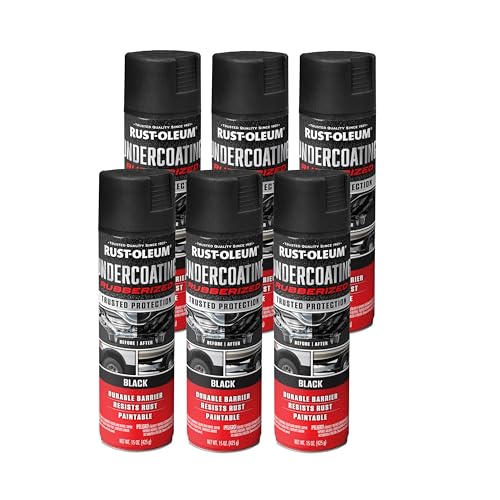
- Undercoating: This is a rubberized, tar-like sealant that is sprayed onto the underbody. It creates a hard, durable physical barrier that deflects rocks and seals out moisture. It’s excellent for preventing impact-related chips that can lead to rust.
- Rustproofing: This is typically an oil, wax, or lanolin-based spray. It’s a non-hardening formula designed to seep into seams, welds, and crevices where moisture can hide. It works by creating a self-healing, water-repellent film. Advanced methods like cavity wax injection are proven methods used by professionals to protect inside frame rails.
How Should You Clean a Vehicle’s Undercarriage?
The best way to clean a car’s undercarriage depends on your goal. For quick, regular salt removal, an automated car wash with an underbody flush is effective. For deep cleaning grime and mud, a DIY approach with a pressure washer or a professional detailing service is better.
DIY Step-by-Step Guide
For a more thorough clean, you can do it yourself at home.
⚠ Safety First: Never work under a car supported only by a jack. Always use a set of properly rated jack stands on a level, solid surface.
- Lift and Secure: Safely lift the front or rear of the vehicle with a jack and secure it with jack stands.
- Rinse: Use a pressure washer or a strong hose nozzle to rinse away loose dirt and mud.
- Degrease: Spray a quality automotive degreaser on oily areas around the engine and suspension. Let it sit for a few minutes.
- Scrub: Use a stiff-bristled brush to scrub away stubborn grime and caked-on mud.
- Final Rinse: Thoroughly rinse the entire underbody, ensuring all soap and degreaser are removed.
DIY vs. Professional Undercarriage Cleaning
Choosing between a DIY approach and a professional service comes down to cost, time, and thoroughness. This table breaks down the key differences.
| Feature/Aspect | DIY Cleaning (At Home) | Professional Detailing / Car Wash |
|---|---|---|
| Cost | Low (cost of supplies) | Moderate to High ($20 for flush, $150+ for detail) |
| Thoroughness | Can be very thorough if done correctly | Varies: Flush is superficial, detail is exhaustive |
| Time Investment | High (1-3 hours) | Low (5 minutes for flush, drop-off for detail) |
| Equipment Needed | Jack stands, pressure washer, degreaser, brushes | None for user |
| Best For | Deep cleaning mud/grime, pre-treatment prep | Quick salt removal (flush), restoring condition (detail) |
| Safety Risk | Moderate (requires proper vehicle lifting) | Very Low |
What Is the Difference Between a Car’s Chassis and Its Undercarriage?
The chassis is the car’s foundational skeleton, while the undercarriage is the entire bottom area of the car. Think of it this way: the chassis is a part of the undercarriage, but the undercarriage also includes non-chassis components like the muffler and gas tank.
The term chassis traditionally refers to the structural frame plus the “running gear” that makes it a rolling vehicle: the engine, transmission, drive shaft, differential, and suspension. It’s the core functional part of the car.
The term undercarriage is a broader, more general term. It refers to the entire exposed underside, which contains the chassis but also includes other parts like the exhaust system, fuel tank, brake lines, and various protective splash guards. If the undercarriage is a whole toolkit, the chassis is the wrench and socket set—the core functional parts. But the toolkit also contains other things, like a flashlight (the exhaust).
FAQs About what is an undercarriage on a car
How often should I wash my car’s undercarriage?
It’s recommended to wash your car’s undercarriage at least once per season, and more frequently in the winter if you live in an area that uses road salt. After any snow or ice event, a quick undercarriage flush within a few days is a great preventative measure to stop corrosion before it starts.
How much does it cost to repair undercarriage damage?
The cost to repair undercarriage damage varies wildly from under $100 to over $5,000. A loose plastic shield might cost $50-$150 to replace. Minor rust treatment could be a few hundred dollars. However, significant frame damage can easily cost thousands and may even lead to the car being declared a total loss by insurance.
Is an underbody car wash worth it?
Yes, an underbody car wash is absolutely worth it, especially during winter months. For a few extra dollars, the high-pressure flush is one of the most cost-effective ways to remove corrosive road salt and prevent long-term rust damage. It’s cheap insurance for your car’s most vulnerable area.
What is the plastic cover under my car called?
The plastic cover under your car is typically called a splash shield, splash guard, or engine cover. Its primary purpose is to protect the engine and other components from water, dirt, and road debris. It also plays a role in improving the vehicle’s aerodynamics for better fuel efficiency.
Can you drive with undercarriage damage?
It depends entirely on the type and severity of the damage. You can often drive with a scraped or loose plastic shield, though it should be fixed soon. However, if you have a damaged frame, a leaking brake line, or a bent suspension component, the vehicle may be unsafe to drive and should be inspected by a mechanic immediately.
What does 80 percent undercarriage mean?
This term is most common with heavy equipment, like bulldozers, and refers to the remaining life of the tracks and rollers. For a car, a mechanic might use similar phrasing to describe the condition, where “80 percent” would mean the undercarriage is in very good shape with only 20% wear and tear from its expected lifespan.
How do you inspect the undercarriage for rust?
To inspect for rust, use a powerful flashlight and a small mirror to see hidden areas. Park on a safe, level surface. Look for bubbling paint, orange or brown flaking, and areas where the metal feels soft or has holes. Pay close attention to the frame rails, wheel wells, and where suspension components mount to the body.
Is undercarriage damage a total loss?
Severe undercarriage damage, particularly to the frame or unibody, can absolutely result in the vehicle being a total loss. If the cost to repair the structural damage safely exceeds a certain percentage (often 70-80%) of the car’s cash value, an insurance company will declare it a total loss.
What is that rattling noise coming from under my car?
A rattling noise from the undercarriage is most often a loose heat shield on the exhaust system. These thin metal shields can corrode and come loose, rattling against the exhaust pipe. Other causes could be a loose exhaust clamp, a failing catalytic converter, or a worn suspension part.
Why is my undercarriage leaking fluid?
A leak from the undercarriage could be one of several fluids. Clear water is usually just condensation from the A/C and is normal. Black or brown fluid is likely engine oil. Red or pink fluid could be transmission or power steering fluid. A clear or brownish, very slick fluid could be a dangerous brake fluid leak.
Key Takeaways: What Is An Undercarriage On A Car Summary
- It’s More Than One Part: The undercarriage isn’t a single component but the entire bottom area of your car, housing the critical frame, suspension, exhaust, and drivetrain systems.
- Safety and Structure Are Linked: The undercarriage provides the car’s structural integrity and torsional rigidity, which are vital for safe handling during turns and for protecting occupants during a collision.
- Rust is the Primary Enemy: Moisture and road salt are the biggest threats, causing corrosion that can weaken the frame and lead to expensive and dangerous failures.
- Washing is Your Best Defense: Regular undercarriage cleaning, especially using a car wash undercarriage flush in the winter, is the most effective and affordable way to prevent rust.
- Damage Comes in Many Forms: Beyond rust, be aware of pothole damage that can bend suspension parts and impact damage that can crack protective splash guards or puncture the oil pan.
- Know Your Protection Options: For long-term defense, consider professional treatments. Undercoating provides a physical barrier, while wax-based rustproofing seeps into crevices to displace moisture.
- Inspection is Key for Resale Value: A clean, damage-free undercarriage is a major indicator of a well-maintained vehicle and significantly boosts its car resale value.
Final Thoughts on Your Car’s Undercarriage
Ultimately, the undercarriage is the hidden foundation of your vehicle’s safety, longevity, and value. While it’s easy to forget about what you can’t see, this complex network of components is constantly battling the elements and road hazards. Paying regular attention to its cleanliness and condition through inspections and washing is one of the most effective forms of preventative maintenance a car owner can perform. By treating the undercarriage with the importance it deserves, you are not just cleaning a part of your car—you are protecting your entire investment.
Last update on 2026-03-15 / Affiliate links / Images from Amazon Product Advertising API


