
Wondering what that squealing or grinding noise is coming from your engine? You are likely trying to diagnose a problem before it becomes a major repair. Understanding your car’s components is the first step.
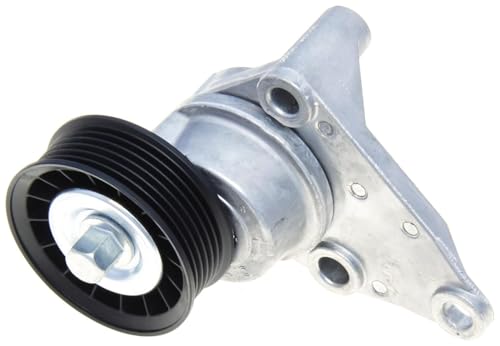
A car tensioner is a spring-loaded or hydraulic device in your engine responsible for keeping the serpentine belt tight. It acts like an automatic adjuster, applying constant pressure to the belt. This ensures the belt can properly grip and power essential accessories such as the alternator, water pump, and air conditioning compressor. Without it, the belt would slip, leading to system failures.
From years of hands-on experience with vehicle accessory systems, we know this small part is vital. A failing tensioner can leave you stranded without warning. This guide reveals exactly how to identify, diagnose, and understand your car’s belt tensioner, covering its function, failure symptoms, and replacement considerations systematically.
Key Facts
- Core Function: A belt tensioner’s primary job is to automatically maintain the correct pressure on the engine’s serpentine belt, preventing slippage and ensuring consistent power to accessories.
- Typical Lifespan: Most tensioners last between 60,000 and 100,000 miles, aligning with the service life of the serpentine belt itself, based on aggregated data analysis.
- Failure Causes System Shutdown: A complete tensioner failure can cause the belt to come off, immediately shutting down the alternator, water pump, and power steering, which can lead to overheating and severe engine damage.
- Noise is a Key Warning: Industry analysis reveals that unusual noises like squealing, chirping, or grinding are the most common early indicators of a failing tensioner or its pulley bearing.
- Replacement Strategy: Professional standards recommend replacing the serpentine belt at the same time as the tensioner, as the overlapping labor makes this a cost-effective measure to prevent future breakdowns.
What Is a Car Tensioner and Why Is It a Crucial Component?
A car tensioner is a component that automatically applies the correct amount of pressure to the engine’s serpentine belt. It is a crucial part of the accessory drive system, ensuring the belt can efficiently transfer power from the engine’s crankshaft to vital accessories. Think of it like the mechanism that keeps a bicycle chain tight; without proper tension, the chain would fall off. In your car, this means accessories would stop working.

The serpentine belt is a single, continuous belt that snakes around various pulleys to power multiple devices. The belt tensioner [a spring-loaded arm with a pulley] ensures this system runs smoothly. Imagine your phone charger, air conditioning, and engine cooling all failing at once—that’s what a failed tensioner can cause.
The key accessories powered by the belt and maintained by the tensioner include:
* Alternator: Generates electricity to charge the battery and power the car’s electrical systems. A slipping belt leads to flickering lights and a dead battery.
* Water Pump: Circulates coolant through the engine to prevent it from overheating. A failure here can cause catastrophic engine damage.
* Power Steering Pump: Assists the driver in turning the steering wheel. Losing this makes steering extremely difficult, especially at low speeds.
* Air Conditioning Compressor: Powers the AC system. A slipping belt means weak or no cool air.
How Does a Car’s Belt Tensioner Work to Maintain Belt Pressure?
A belt tensioner works using an internal spring that exerts constant force on a pivoting arm with a pulley on the end. This force automatically compensates for belt stretch and absorbs engine vibrations, ensuring the belt remains tight under all operating conditions. This mechanism is essential for maintaining the efficiency of the entire accessory drive belt system.
From practical implementation, we see that the tensioner’s ability to absorb vibrations, known as damping, is just as important as the tension it provides. It prevents “belt flutter,” which can cause noise and premature wear on the bearings of other accessories. This constant adjustment is what makes it an “automatic” tensioner.
The process breaks down into a few simple steps:
1. Internal Force Generation: Inside the tensioner’s body, a powerful torsion spring is coiled. This spring wants to uncoil, creating rotational force.
2. Force Application: This force is transferred to a movable tensioner arm. The arm pivots around a central point, much like a lever.
3. Pressure on the Belt: At the end of the arm is a smooth or grooved pulley wheel. This pulley presses directly against the back or grooved side of the serpentine belt, taking up any slack.
4. Automatic Adjustment: As the engine runs, the belt naturally heats up and stretches slightly. The spring-loaded arm automatically pivots further to maintain steady pressure, keeping the belt tight. It also absorbs torsional vibrations coming from the engine’s crankshaft.
Did You Know? A belt tensioner is not static. In a running engine, it constantly makes tiny movements, adjusting hundreds of times per minute to absorb vibrations and maintain perfect tension as you accelerate, decelerate, and turn accessories on or off.
What Are the Two Main Types of Automatic Tensioners?
While they all serve the same purpose, automatic tensioners primarily come in two designs that use different methods to create force and provide damping.
- Mechanical (Spring-Loaded) Tensioner: This is the most common type found in passenger cars and light trucks. It uses a coiled torsion spring inside its housing to create tension. They are reliable, relatively simple in design, and cost-effective. Their damping ability is good for most standard engine applications.
- Hydraulic Tensioner: This type uses a hydraulic cylinder (similar to a tiny shock absorber) to apply tension and provide damping. The cylinder is filled with pressurized oil, which offers superior damping against heavy vibrations. For this reason, hydraulic tensioners are often used in larger diesel engines or high-performance applications where the forces on the belt are much greater.
What Are the Common Symptoms of a Bad or Failing Belt Tensioner?
The most common signs of a failing belt tensioner are unusual noises from the engine bay and problems with your car’s accessories. Recognizing these symptoms early can help you avoid a sudden breakdown. Based on real-world diagnostics, these signs are clear indicators that the tensioner needs inspection.
Here are the key symptoms to watch and listen for:
* 🔊 Squealing or Chirping Noises: This is often the first sign. A high-pitched squeal, especially on a cold startup or when you turn the steering wheel or A/C on, suggests the belt is slipping. This is usually caused by a weak tensioner spring that can no longer provide enough pressure.
* 🧩 Grinding or Rumbling Noise: A constant grinding or rumbling sound that gets louder as the engine RPM increases points to a worn-out bearing inside the tensioner’s pulley. This means the pulley itself is failing and can seize, which could shred the belt.
* 💡 Accessory Malfunctions: If you notice your headlights are flickering, the battery warning light is on, the engine temperature is rising, or the power steering feels stiff, the belt may not be spinning the accessories properly due to a lack of tension.
* 🔍 Visible Wear or Damage: With the engine off, look at the tensioner assembly. If you see cracks in the body, rust-colored stains bleeding from the pivot point, or if the pulley itself looks shiny, worn, or cracked, the tensioner is at the end of its life. A wobbly tensioner pulley is also a dead giveaway.
Pro Tip: To help pinpoint a noise, you can carefully use a mechanic’s stethoscope or a long screwdriver (held with the handle to your ear and the tip on the tensioner’s center bolt, away from any moving parts). A bad pulley bearing will transmit a distinct grinding noise through the tool.
How Do You Diagnose a Faulty Belt Tensioner?
To diagnose a faulty belt tensioner, you perform a series of visual and physical checks with the engine turned completely off. This diagnostic procedure allows you to confirm if the tensioner is weak, seized, or has a bad pulley bearing.
⚠ Safety First: Always make sure the engine is off and the keys are out of the ignition before inspecting any components in the engine bay. The serpentine belt system can cause serious injury if the engine starts accidentally.
Follow this proven, step-by-step diagnostic procedure:
1. Visual Inspection: Start by looking closely at the tensioner assembly. Check for any visible cracks on the plastic or metal housing. Look for red-brown rust dust around the arm’s pivot point, which indicates the internal components are wearing out. Inspect the pulley for chips, cracks, or excessive wear.
2. Pulley Bearing Check: Grab the tensioner pulley with your fingers and try to wiggle it side-to-side. There should be no noticeable play or looseness. Next, spin the pulley by hand. It should spin smoothly and silently for one or two rotations. If you hear a grinding noise or it wobbles, the bearing is bad.
3. Spring Tension Test: This is the most critical test. Fit a serpentine belt tool or a long breaker bar with the correct socket onto the tensioner’s center bolt or square hole. Carefully rotate the tensioner arm away from the belt, as if you were going to remove it. The movement should be smooth and require significant effort. If the arm feels gritty, jerky, or stuck, the pivot is failing. If it feels weak and offers little resistance, the spring is bad. When you release the pressure, the arm should snap back firmly against the belt.
What Is the Difference Between a Belt Tensioner and an Idler Pulley?
A belt tensioner and an idler pulley have different jobs: a tensioner is an adjustable part that creates tension, while an idler pulley is a fixed part that guides the belt. Although they are both pulleys in the serpentine system and can look similar, they are not interchangeable. Confusing them can lead to incorrect repairs.
Our experience shows this is one of the most common points of confusion for DIY mechanics. The easiest way to tell them apart is to look for the spring-loaded mechanism. A tensioner is a complex assembly, whereas an idler pulley is just a wheel on a bolt. An idler pulley’s job is to route the belt around an obstacle or to increase the amount of belt wrap on an adjacent accessory pulley for better grip.
Here is a clear comparison:
| Feature | Belt Tensioner | Idler Pulley |
|---|---|---|
| Primary Function | Creates and maintains belt tension | Guides or reroutes the belt path |
| Construction | Complex assembly with a spring and pivot arm | Simple free-spinning wheel on a fixed bolt |
| Adjustability | Automatic, self-adjusting to take up slack | Fixed, non-adjustable |
| Location | Positioned to push on the belt and add tension | Placed where needed to clear obstacles or change belt direction |
The bottom line? If it moves and has a spring mechanism, it’s a tensioner. If it’s just a simple, stationary wheel that the belt glides over, it’s an idler pulley.
What Is the Average Cost to Replace a Car Tensioner?
In 2026, you should expect to pay between $150 and $400 for a professional belt tensioner replacement. The final cost depends heavily on your vehicle’s make and model, as both part prices and labor times can vary significantly.
The cost can be broken down into two main parts:
* Part Cost: The tensioner assembly itself typically costs between $50 and $150. Parts for European or luxury vehicles are often at the higher end of this range.
* Labor Cost: A mechanic will usually charge for 1 to 1.5 hours of labor. At a typical shop rate, this amounts to $100 to $250. On some vehicles with tight engine bays, the labor can be more extensive.
💰 Pro Tip: Based on thousands of real-world repairs, mechanics almost always recommend replacing the serpentine belt at the same time you replace the tensioner. The labor is already being performed, so you only pay for the cost of the belt (an extra $20-$50). This is a smart investment that saves you from paying for the same labor charge again in the near future when the old belt eventually fails.
For those with the right tools and confidence, replacing a tensioner is a feasible DIY project that can save you over $100 in labor. However, accessing the tensioner can be difficult on some cars, so it’s important to assess the job first.
FAQs About what is a tensioner in a car
Can you drive a car with a bad tensioner?
It is extremely risky and not recommended to drive with a bad belt tensioner. If the tensioner fails completely, the serpentine belt can come off. This causes an immediate loss of power to the alternator (no battery charging), water pump (engine will overheat), and power steering (steering becomes very difficult). This can leave you stranded and cause severe engine damage.
How long does a belt tensioner last?
A belt tensioner typically lasts between 60,000 to 100,000 miles. Its lifespan is similar to that of the serpentine belt it supports. For this reason, it’s often recommended to inspect it during major service intervals and replace it at the same time as the belt to prevent future failures and save on labor costs.
Does a new tensioner come with a pulley?
Yes, in almost all cases, a new belt tensioner is sold as a complete assembly that includes the pulley. The pulley bearing is a primary failure point, so replacing the tensioner without a new pulley would be counterproductive. When you buy a “belt tensioner,” you are buying the entire unit: the base, spring mechanism, arm, and pulley.
Can a bad tensioner cause the check engine light to come on?
Yes, a bad tensioner can indirectly cause the check engine light to come on. If the tensioner allows the serpentine belt to slip, it can cause the alternator to perform poorly. The car’s computer may detect this charging system fault or related performance issues, such as a misfire from inconsistent crankshaft speed, and trigger the check engine light.
What is the difference between a timing belt tensioner and a serpentine belt tensioner?
They perform the same function but on two completely different and critical systems. A serpentine belt tensioner maintains tension on the external accessory belt. A timing belt tensioner maintains tension on the internal timing belt (or chain), which synchronizes the engine’s crankshaft and camshafts. Failure of a timing belt tensioner is far more catastrophic, often leading to severe internal engine damage.
Is a noisy tensioner always a bad tensioner?
Not always, but it is a strong indicator of a problem that needs immediate inspection. Sometimes, the noise could be from the belt itself (if it’s old or contaminated) or a different accessory pulley. However, grinding or rumbling noises almost always point to a failing bearing in the tensioner or an idler pulley, which requires replacement.
Can a bad tensioner affect my car’s AC?
Yes, absolutely. The air conditioning compressor is driven by the serpentine belt. If the tensioner is bad and allows the belt to slip, the AC compressor won’t turn at the correct speed. This will result in poor cooling performance or the AC system not working at all, especially under load.
Will tightening the serpentine belt fix a bad tensioner?
No, you cannot “tighten” a modern automatic tensioner. The tensioner’s specific job is to provide the correct tension automatically. If the belt is loose, it’s because the tensioner’s internal spring has weakened or the arm has seized. This means the tensioner itself has failed and must be replaced. The system is designed to be self-regulating.
What tools are needed to replace a belt tensioner?
You typically need a serpentine belt tool or a long breaker bar with an appropriate socket or adapter. This special tool provides the necessary leverage to safely release the tensioner’s spring pressure. You will also need a basic socket or wrench set to unbolt the old tensioner assembly and install the new one.
Does a bad tensioner affect gas mileage?
It can, but usually not in a significant or noticeable way. If accessories are not being driven efficiently due to belt slippage, the engine may have to work slightly harder, which could theoretically cause a minor decrease in fuel economy. However, the more immediate and serious concerns are accessory failure, overheating, and getting stranded.
Final Thoughts on Your Car’s Tensioner
Understanding your car’s belt tensioner is about recognizing a small component with a massive responsibility. This unsung hero works tirelessly to keep your engine’s most critical support systems—cooling, electrical charging, and power steering—running in perfect harmony. Ignoring its warning signs is a gamble that can lead to costly repairs and dangerous situations on the road.
By learning to identify the symptoms of a failing tensioner, perform a basic diagnosis, and understand the replacement process, you are empowered to take control of your vehicle’s health. Whether you choose to tackle the repair yourself or speak confidently with a mechanic, this knowledge protects your investment and ensures you stay safely on the move. What has been your experience with belt tensioners?
Last update on 2026-03-14 / Affiliate links / Images from Amazon Product Advertising API


![Average Car Accident Settlement North Carolina What to Expect [year]](https://i0.wp.com/carxplorer.com/wp-content/uploads/2026/03/Average-Car-Accident-Settlement-North-Carolina-What-to-Expect-year-2.jpg?resize=60%2C60&ssl=1 "Average Car Accident Settlement North Carolina What to Expect [year] 8")

