
Confused by the term “plenum” when looking under your car’s hood? You are not alone; many struggle to identify this critical part and its function within the complex air intake system. This uncertainty can make diagnosing engine issues a challenge.
A car plenum, also known as an upper intake manifold, is a pressurized distribution chamber in the engine’s air intake system. It is a crucial component that sits between the throttle body and the engine’s cylinders, designed to distribute air evenly for optimal combustion and performance.
Based on automotive engineering principles, this guide breaks down exactly what a plenum is. You’ll discover how it works, why its design is so important, and the common symptoms of failure, giving you the confidence to identify and understand this key engine part.
Key Facts
- Central Air Distributor: The primary function of an intake plenum is to act as a reservoir, ensuring a consistent and equalized volume of air is available for every cylinder to draw from.
- Vacuum Leak Source: A failed plenum gasket is a very common cause of a vacuum leak, leading to a rough idle and poor fuel economy, as highlighted by extensive diagnostic data.
- Performance Tuning Component: Aftermarket plenums with larger volumes can increase high-RPM horsepower, demonstrating its role in performance tuning.
- Material Varies by Design: Modern plenums are often made of heat-resistant composite plastic for weight savings, while older or performance models use durable cast aluminum.
- PCV System Interaction: A small amount of oil inside the plenum is normal, as the PCV (Positive Crankcase Ventilation) system routes oil vapors through it to be burned.
What Is a Plenum on a Car and How Does It Work?
A car plenum, also known as an upper intake manifold, is a crucial component of an engine’s air intake system that functions as a pressurized distribution chamber. It sits between the throttle body and the engine’s cylinders, ensuring that a consistent volume of air is delivered evenly to each cylinder for optimal combustion and performance. Think of it as the central hub of the engine’s breathing system, directing incoming air to where it needs to go.

This component, which is a key part of the internal combustion engine, is essentially a box or chamber. Its main job is to take the single stream of air from the throttle body and divide it perfectly among all the engine’s cylinders. Without this equalization, some cylinders would get more air than others, leading to an unbalanced and inefficient engine.
Key characteristics of an intake plenum include:
* Large Internal Volume: It acts as a reservoir or surge tank for air.
* Multiple Outlets: It has one inlet from the throttle body and multiple outlets leading to the intake runners for each cylinder.
* Sealed Unit: It must be perfectly sealed with gaskets to prevent vacuum leaks.
* Location: It’s typically the most prominent component on top of or on the side of the engine.
What Is the Core Function of an Intake Plenum?
The core function of an intake plenum is to equalize the pressure and volume of intake air, ensuring every engine cylinder receives an identical charge of air for consistent and efficient combustion. This process of equalized air flow is vital for a smooth-running engine. Imagine trying to use a garden hose with multiple sprinklers, but the splitter is poorly designed; some sprinklers would get a strong spray while others would just trickle. The plenum prevents this from happening with air inside your engine.
So, what happens if one cylinder gets more air than another? The engine runs rough, loses power, and can even be damaged. The plenum’s design ensures this doesn’t happen by creating a calm, stable reservoir of air that all cylinders can draw from equally. This directly contributes to:
* Smooth engine idling
* Consistent power delivery
* Optimal fuel efficiency
* Reduced engine vibrations
Where Is the Plenum Located on an Engine?
On most modern vehicles, especially those with V-type engines (V6, V8), the intake plenum is the prominent component located in the center of the engine, directly on top of the ‘V’. It’s often a large plastic or aluminum box-like component that you can’t miss. On inline engines (like an Inline-4), it is typically found on the side of the cylinder head, connected to the throttle body.
To find it, a good method is to follow the large air tube from the air filter box. This tube leads to the throttle body, which is bolted directly to the inlet of the plenum. The plenum, in turn, is bolted to the intake runners (or lower intake manifold) that lead down to the cylinder head. Next time you open your hood, try to identify it! 🔍
How Does an Intake Plenum Work to Optimize Engine Performance?
An intake plenum works by acting as a surge tank. Air rushes through the throttle body at high speed, and the plenum’s large volume forces it to slow down and stabilize. This creates a calm reservoir of air at a consistent pressure, allowing each cylinder’s intake runner to draw an equal charge of air. This process is fundamental to improving the engine’s volumetric efficiency—its ability to breathe effectively.
The process can be broken down into a few simple steps:
1. Air Enters: Air is pulled through the air filter and rushes through the throttle body at high velocity.
2. Pressure Stabilizes: As this high-speed air enters the large, open volume of the plenum chamber, it slows down dramatically. This reduces turbulence and creates a zone of stable, static pressure.
3. Cylinder Draws Air: When an engine’s intake valve opens during the combustion cycle, the corresponding piston moves down, creating a vacuum.
4. Equal Distribution: This vacuum pulls air from the calm, pressurized reservoir inside the plenum. Because all intake runners are connected to this same common volume, each cylinder draws an identical amount of air.
5. Efficiency is Maximized: By ensuring each cylinder fills to its maximum potential with the correct air-fuel mixture, the plenum directly improves volumetric efficiency, leading to more power and better fuel economy.
How Does Plenum Volume and Shape Affect Performance?
The volume and shape of a plenum are tuned to affect the engine’s power band; a larger volume generally benefits high-RPM horsepower, while a smaller volume with longer intake runners typically increases low-RPM torque. This is a critical aspect of automotive engineering and performance tuning. It’s a balance—you can’t have the best of both worlds. Think of it like choosing gears on a bicycle: one is better for climbing hills (torque), and another is better for high-speed flats (horsepower).
This is why a truck engine’s intake looks so different from a high-revving sports car engine’s. Engineers make these trade-offs based on the vehicle’s intended purpose.
* Large Volume / Short Runners: This design is common in racing engines. It allows for a massive amount of air to be available instantly at high engine speeds, maximizing horsepower.
* Small Volume / Long Runners: This is typical for trucks and daily drivers. The longer runners help increase air velocity at lower engine speeds, which boosts low-end torque for better towing and acceleration from a stop.
This tuning sometimes utilizes a principle called Helmholtz resonance, a form of acoustic supercharging where pressure waves are timed to help “push” more air into the cylinders at specific RPMs.
Is an Intake Plenum the Same as an Intake Manifold?
No, an intake plenum is not the same as an intake manifold, but it is part of the assembly. Think of the plenum as the ‘upper intake manifold,’ a large chamber that distributes air. The ‘lower intake manifold’ is the set of runners that carry that air from the plenum to the cylinders. This terminology confusion is very common.
On many modern V-type engines, the entire intake manifold system is a two-piece design to make it easier to service. You have the upper part (the plenum) and the lower part (the runners). On many older or inline engines, the plenum and runners might be cast as a single piece, which is simply called the “intake manifold.”
Here’s a simple table to clarify the difference:
| Feature | Intake Plenum (Upper Intake) | Intake Manifold (Lower/Runners) |
|---|---|---|
| Primary Function | Equalize and distribute air pressure | Channel air to individual cylinders |
| Common Shape | Large, open box or chamber | A set of individual tubes or “runners” |
| Location | On top of the runners, connected to throttle body | Between the plenum and the cylinder head |
| Analogy | The central hall or lobby | The individual corridors to each room |
What Are the Symptoms of a Bad or Leaking Plenum?
Common symptoms of a bad plenum or leaking gasket include a rough idle, engine misfires, poor fuel economy, and a distinct hissing sound from the engine bay. These issues are almost always caused by a vacuum leak, where unmetered air gets sucked into the engine past a failed intake manifold gasket, disrupting the carefully balanced air-fuel ratio.
From years of working with automotive diagnostics, these are the most frequent signs a technician looks for when suspecting a plenum leak:
1. Rough Idle or Stalling: This is the most common symptom. The extra, unmetered air creates an unstable air-fuel mixture at low RPMs, causing the engine to stumble or even stall.
2. Hissing Sound: A clear sign of a vacuum leak. You may hear a loud sucking or hissing noise from the engine bay, which is the sound of air being pulled through the faulty gasket seal.
3. Check Engine Light: The leak will almost certainly trigger a check engine light. Diagnostic codes often point to a lean condition, such as P0171 or P0174, indicating too much air in the system.
4. Poor Fuel Economy: The engine’s computer (ECU) detects the extra air from the oxygen sensors and tries to compensate by adding more fuel. This leads to a noticeable drop in gas mileage.
5. Engine Misfires: The lean condition caused by the leak can prevent the air-fuel mixture from igniting properly in one or more cylinders, causing misfires that are especially noticeable under acceleration.
Why Is There Oil in My Intake Plenum?
Finding a small film of oil in your intake plenum is normal. It’s drawn in through the PCV (Positive Crankcase Ventilation) valve as part of the engine’s emissions system. The PCV system acts like a vent for the engine’s internal pressure, and just like a kitchen vent carries some grease, the PCV system carries oil vapor with it.
However, if you find pools of liquid oil, it could signal a problem. Here’s how to tell the difference:
* Normal: A light, thin coating of black oil residue on the internal walls of the plenum. This is expected and not a cause for concern.
* Problematic: Puddles of oil collecting in the bottom of the plenum. This suggests that the PCV valve may be faulty and stuck open, or it could indicate more serious engine problems like worn piston rings.
If you find more than a light coating of oil, the first and cheapest step in any diagnostic process is to inspect or replace your PCV valve.
How Do You Clean and Maintain a Car’s Intake Plenum?
Cleaning a car’s intake plenum involves removing it from the engine, spraying it with a dedicated intake or throttle body cleaner to dissolve carbon buildup, and scrubbing the internal surfaces. This maintenance is often done to address issues caused by carbon and oil deposits from the PCV and EGR systems. While this is a job a skilled DIYer can do, it requires care and the right tools.
Here is a high-level overview of the process. Always consult your vehicle’s specific service manual before starting.
1. Disconnect the Battery: Safety first. This prevents any electrical shorts.
2. Remove Components: Carefully disconnect all vacuum lines, electrical sensors, and the throttle body that are attached to the plenum.
3. Unbolt and Remove Plenum: Following the correct unbolting sequence from your service manual, carefully lift the plenum off the engine.
4. Clean Thoroughly: Take the plenum to a well-ventilated area. Use a quality intake cleaner and various brushes to scrub away all the carbon and oil buildup from the inside.
5. Reinstall with New Gasket: This is a critical step. Always use a new intake plenum gasket. Ensure the mating surfaces on both the engine and the plenum are perfectly clean before placing the new gasket.
6. Torque Bolts to Spec: Tighten the bolts in the correct sequence and to the manufacturer’s specified torque using a torque wrench.
⚠ CRITICAL WARNING: Failure to use a torque wrench and follow the factory torque specs is the number one reason for failed plenum gasket jobs. Overtightening can crack the plenum or crush the gasket, while undertightening will cause an immediate vacuum leak.

FAQs About what is a plenum on a car
Can you drive with a bad plenum?
While you can technically drive with a minor plenum leak, it is not recommended. A vacuum leak will cause a rough idle, poor performance, and terrible fuel economy. In severe cases, it can lead to engine stalling or long-term damage from running in a lean condition, so it should be repaired as soon as possible.
Does a plenum affect fuel economy?
Yes, a properly functioning plenum is essential for good fuel economy. Its main job is to ensure efficient combustion by providing equal air to all cylinders. A leaking plenum disrupts the air-fuel ratio, forcing the engine’s computer to inject more fuel to compensate, which directly and negatively impacts your gas mileage.
What material is a car plenum made of?
Modern plenums are typically made from a heat-resistant composite plastic, while older or high-performance versions are often cast from aluminum. Plastic is lighter and cheaper to manufacture, with the added benefit of resisting heat transfer. Aluminum is stronger, more durable, and can be polished for aesthetic appeal in performance applications.
What is a plenum spacer?
A plenum spacer is an aftermarket part that is installed between the upper and lower intake manifolds. Its purpose is to increase the total volume of the plenum. This modification is intended to improve airflow and potentially increase horsepower, typically at higher RPMs, though its effectiveness varies greatly by engine design.
Is a plenum part of the exhaust system?
No, the plenum is a critical part of the air intake system, not the exhaust. It handles the clean air coming into the engine for combustion. The corresponding component on the exhaust side, which collects spent gases from the cylinders, is called the exhaust manifold or header.
How much does it cost to replace a plenum gasket?
The cost to replace a plenum gasket can range from $200 to over $800. The gasket itself is inexpensive (typically $20-$60), but the labor is what drives the cost. On some engines, the plenum is easily accessible, making for a 1-2 hour job. On others, it’s buried under other components, requiring 4-6 hours of labor.
Can a plenum leak cause a misfire?
Yes, absolutely. A plenum leak is one of the most common causes of a “lean misfire.” When unmetered air enters one or more cylinders through a leak, it creates an air-fuel mixture that is too lean to ignite properly. This results in a cylinder misfire, which you feel as a stumble or hesitation.
What is a dual plenum intake?
A dual plenum intake manifold is a design that features two separate plenum chambers, each feeding a bank of cylinders. This is most common on V-type engines (like a V8). The design can help improve airflow characteristics and is often seen in performance applications to optimize the intake tuning for specific cylinder banks.
What is a plenum cover?
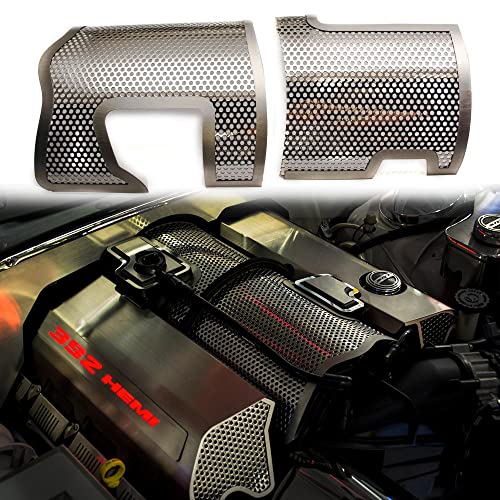
A plenum cover is typically a decorative plastic piece that sits on top of the actual intake plenum. Often emblazoned with the engine size (e.g., “5.7L HEMI”) or manufacturer logo, its primary purpose is to improve the under-hood appearance and provide some sound deadening. It is not a functional part of the plenum itself.
How do you torque plenum bolts correctly?
You must use a torque wrench and follow the sequence specified in the vehicle’s service manual. Plenum bolts are tightened in a specific pattern, usually starting from the center and working outwards in a spiral. This ensures the gasket is compressed evenly to create a perfect seal. Overtightening or using the wrong pattern is a primary cause of new leaks.
Key Takeaways: What Is a Plenum on a Car
- Core Function is Air Distribution: The intake plenum’s most critical job is to act as a pressurized reservoir that provides an equal and stable supply of air to every engine cylinder, ensuring balanced and efficient combustion.
- Plenum vs. Manifold: The plenum is best understood as the “upper intake manifold” (a large chamber), while the “lower intake manifold” consists of the runners that lead to the cylinders. They work together as one system.
- Leak Symptoms are Clear: A leaking plenum or gasket will almost always cause a vacuum leak, leading to symptoms like a rough idle, hissing noises, poor fuel economy, and a check engine light for a lean condition (P0171/P0174).
- Design Affects Performance: The volume and shape of a plenum are tuned by engineers. Larger volumes tend to favor high-RPM horsepower, while designs with longer runners improve low-RPM torque.
- Maintenance is Critical: A small amount of oil from the PCV system is normal, but excessive oil or carbon buildup should be cleaned. When reinstalling, always use a new gasket and torque bolts to OEM specifications to prevent leaks.
- Material Matters: Most modern plenums are a lightweight, heat-resistant composite plastic, while aluminum is used for its strength and durability in older or high-performance engines.
Final Thoughts on Understanding Your Car’s Plenum
The intake plenum is far more than just a plastic or metal box sitting on your engine. It’s a precisely engineered component designed to be the great equalizer of the air intake system. By ensuring every cylinder gets the same charge of air, it allows your engine to run smoothly, efficiently, and produce the power you expect.
Understanding its function not only demystifies what you see under the hood but also empowers you to diagnose common problems like vacuum leaks with more confidence. The next time you hear a strange hiss or experience a rough idle, you’ll know that the plenum and its gaskets are one of the first places to check.
Last update on 2026-03-15 / Affiliate links / Images from Amazon Product Advertising API


![Average Car Accident Settlement: What to Expect [year]](https://i0.wp.com/carxplorer.com/wp-content/uploads/2026/03/Average-Car-Accident-Settlement-What-to-Expect-year-2.jpg?resize=60%2C60&ssl=1 "Average Car Accident Settlement: What to Expect [year] 10")
