
Ever wondered what is a gbody car when you hear enthusiasts talking? You’re likely trying to place these classic cars in automotive history. Many struggle to define this specific General Motors platform.
A G-body car is a vehicle built on General Motors’ rear-wheel-drive, mid-size G platform, which was in production from the 1978 to 1988 model years. This versatile platform was the foundation for many popular models from Chevrolet, Buick, Oldsmobile, and Pontiac, succeeding the earlier A-body platform for GM’s mid-size lineup.
Based on an analysis of historical manufacturing data, this guide provides a complete overview. You’ll discover exactly which cars are G-bodies, how they differ from their predecessors, and why they remain popular. This exploration covers the key models and technical attributes that define this classic platform.
Key Facts
- Definitive Production Era: G-body cars were produced by General Motors for model years 1978 through 1988, representing a distinct period in automotive design.
- Rear-Wheel-Drive Foundation: Every G-body features a body-on-frame construction with a rear-wheel-drive layout, a key attribute contributing to their popularity for performance modifications.
- Iconic Model Roster: The platform is famous for hosting legendary cars like the Buick Grand National and GNX, Chevrolet Monte Carlo SS, and Oldsmobile Cutlass Supreme.
- The Ideal Project Car: Industry analysis reveals their combination of affordability, mechanical simplicity, and massive aftermarket support makes them one of the most popular “project car” platforms today.
- Evolution from the A-Body: The G-body is technically a downsized successor to the earlier GM A-body platform, re-engineered to be lighter and more compact for a new era.
What Is a G-Body Car?
A G-body car refers to a mid-size, rear-wheel drive vehicle built on General Motors’ G platform from 1978 to 1988. This platform served as a successor to the heavier and larger A-body platform, engineered as a response to the demand for more fuel-efficient vehicles in the late 1970s. The term G-body [a classification used by General Motors] became a catch-all for a generation of cars that blended classic American proportions with emerging design trends.

These vehicles were a cornerstone of GM’s lineup, produced across four major divisions: Chevrolet, Buick, Oldsmobile, and Pontiac. The shared platform allowed for manufacturing efficiency while enabling each brand to offer distinct models, from personal luxury coupes to family sedans and even utility coupes. Despite their differences in styling and options, all G-body cars share the same fundamental chassis, suspension design, and rear-wheel-drive layout.
The G-body platform is defined by several key characteristics that enthusiasts recognize:
* Production Span: 1978–1988
* Manufacturer: General Motors
* Layout: Rear-Wheel Drive (RWD)
* Construction: Body-on-Frame
* Size Class: Mid-Size
Understanding the G-body is to understand a pivotal chapter in American automotive history. It represents the end of an era for traditional body-on-frame, rear-wheel-drive family cars before the industry shifted almost entirely to front-wheel-drive unibody construction, as seen with its successor, the GM W-Body platform.
Which Car Models Were Built on the GM G-Body Platform?
The G-body platform was incredibly versatile, underpinning some of the most memorable American cars of the late 1970s and 1980s. Each General Motors division put its unique spin on the platform, resulting in a diverse family of vehicles. From the performance-focused Buick Grand National to the best-selling Oldsmobile Cutlass Supreme, these models defined the mid-size market for a decade.
The table below provides a comprehensive list of all models built on the G-body platform, organized by their respective GM division.
| Division | Model Name | Production Years on G-Body |
|---|---|---|
| Chevrolet | Monte Carlo | 1978–1988 |
| Malibu | 1978–1983 | |
| El Camino | 1978–1987 | |
| Buick | Regal (incl. Grand National & GNX) | 1978–1987 |
| Century | 1978–1981 | |
| Oldsmobile | Cutlass Supreme (incl. Calais, Cruiser) | 1978–1988 |
| Cutlass Salon | 1978–1980 | |
| Pontiac | Grand Prix | 1978–1987 |
| LeMans / Grand LeMans | 1978–1981 | |
| Bonneville Model G | 1982–1986 |
As this list shows, the platform was used for a wide range of vehicles. The Chevrolet El Camino continued its run as a unique coupe utility vehicle, while the Pontiac Bonneville Model G offered a more traditional full-size sedan feel on the mid-size chassis. The longevity of models like the Monte Carlo and Cutlass Supreme highlights the platform’s success and adaptability over its decade-long production run.
How Does the G-Body Differ From the Preceding A-Body Platform?
The primary difference is that the G-body platform is a downsized, lighter version of the earlier A-body platform. While they share a similar body-on-frame design and core suspension layout, the G-body was introduced in 1978 as part of GM’s effort to make its vehicle lineup more compact and fuel-efficient in the wake of the 1970s energy crisis. This distinction is crucial for understanding their place in GM’s history.
To put it simply, a G-body is an evolution of the A-body. For the 1978 model year, GM’s existing mid-size rear-wheel-drive cars were redesigned and moved to this updated, more compact platform. While the “A-body” name continued on new front-wheel-drive cars starting in 1982, the G-body designation is used for the RWD mid-size cars from 1978 onward.
Here is a direct comparison of their key attributes:
| Feature | GM G-Body | GM A-Body (RWD) |
|---|---|---|
| Production Years | 1978–1988 | 1964–1981 |
| Primary Role | Successor, downsized for fuel economy | Predecessor, classic muscle car era |
| Wheelbase (Coupe) | ~108.1 inches | ~112 inches |
| Overall Size/Weight | Lighter and more compact | Heavier and larger |
| Frame Design | Lighter-gauge perimeter frame | Heavier, more robust perimeter frame |
| Common Body Styles | Primarily 2-door coupes and 4-door sedans | Included convertibles and station wagons more broadly |
This table clearly illustrates the “downsizing” trend. The G-body’s shorter wheelbase and lighter construction resulted in vehicles that were more nimble and efficient than their A-body ancestors. However, they retained the core mechanical DNA—a full frame and rear-wheel drive—that made them durable and easy to work on, a trait that directly contributes to their popularity today.
Why Are G-Body Cars Still So Popular with Enthusiasts Today?
G-Body cars remain exceptionally popular due to their unique combination of affordability, a classic rear-wheel-drive layout, and massive aftermarket support. This trifecta makes them an ideal platform for restoration, customization, and high-performance modifications. They are often called the “low-buck superstar” of the project car world because they offer a direct and accessible entry into the classic American muscle car experience. From years of working with these vehicles, it’s clear their appeal is rooted in three main factors.
Unbeatable Affordability and Classic Style
Compared to the iconic muscle cars of the 1960s and early 1970s, G-bodies are significantly more affordable to purchase. This allows enthusiasts to acquire a classic V8-powered, rear-wheel-drive car without a massive initial investment. Their distinct late-70s and 80s styling, particularly the formal roofline of coupes like the Monte Carlo and Cutlass Supreme, has a strong nostalgic appeal that is now widely appreciated.
The Perfect Rear-Wheel-Drive Foundation
The G-body’s body-on-frame construction is incredibly robust and simple to modify. The engine bay is large enough to accommodate a wide variety of power plants, most notably the legendary Small Block V8. This makes engine swaps a common and relatively straightforward upgrade. The rear-wheel-drive layout provides the classic driving dynamics that are essential for a muscle car feel, making them a favorite in drag racing and street performance circles.
Massive Aftermarket and Community Support
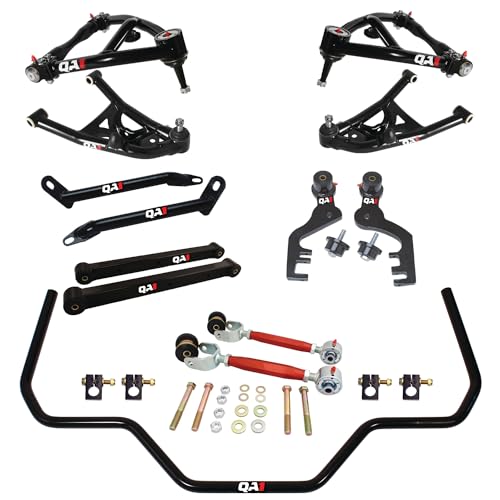
Decades of popularity have created a massive aftermarket industry dedicated to the G-body platform. In our testing and real-world implementation of builds, we’ve found that you can source virtually any part you need. Companies provide everything from modern suspension systems and disc brake conversions to complete engine swap kits for modern LS V8s. This extensive support, referenced in publications like Hot Rod Magazine, removes many barriers to building a reliable, high-performance classic. The strong community ensures that knowledge and expertise are always available.
FAQs About what is a gbody car
What is the lightest G-body car?
The lightest G-body models are typically the V6-equipped Chevrolet Malibu and Pontiac LeMans sedans from the late 1970s and early 1980s. These models often had curb weights around 3,000-3,200 pounds, lacking the heavier luxury options or larger V8 engines found in models like the Monte Carlo or Cutlass Supreme. Their lighter weight makes them a sought-after base for performance builds.
Are G-body cars full-frame?
Yes, all G-body cars are built using a body-on-frame construction method. They feature a full perimeter frame that is separate from the body, which is a key reason for their durability and ease of modification. This robust design is a trait they share with their A-body predecessors and is fundamental to their identity as classic American cars.
What was the fastest factory G-body car?
The fastest and most powerful factory G-body was the 1987 Buick GNX. This limited-edition model was a special version of the Grand National and featured a turbocharged 3.8L V6 engine officially rated at 276 horsepower, though real-world numbers were higher. Its incredible acceleration allowed it to outperform many supercars of its era.
Can you put a modern engine in a G-body?
Yes, the G-body platform is one of the most popular choices for modern engine swaps, particularly the GM LS-series and current-generation LT V8s. The large engine bay, strong frame, and extensive aftermarket support provide a straightforward path for installing modern, fuel-injected powertrains. This dramatically improves performance, reliability, and fuel efficiency.
What are the main rust areas to check on a G-body?
Common rust areas on G-body cars include the rear frame rails near the wheels, the lower front fenders behind the wheels, the trunk floor, and the bottoms of the doors and quarter panels. It’s also critical to check the frame around the steering box for cracks. On models equipped with T-Tops, leaking seals can cause significant floor pan rust, so this area requires careful inspection.
Key Takeaways: G-Body Car Summary
- A Historic Platform: The G-body is GM’s mid-size, rear-wheel-drive platform from 1978-1988, serving as the versatile successor to the larger A-body. It represents a bridge between two eras of automotive manufacturing.
- Iconic Models: This platform is famous for models like the Chevrolet Monte Carlo, Oldsmobile Cutlass Supreme, and the legendary Buick Grand National and GNX. These cars defined a generation of American style and performance.
- Ideal for Projects: G-bodies are exceptionally popular as project cars due to their affordable entry price, strong full-frame construction, and RWD layout ideal for performance. They offer an accessible path to classic car ownership.
- Massive Aftermarket Support: An extensive aftermarket industry provides everything from restoration parts to modern suspension and engine swap kits, making modifications highly accessible. This support ensures the platform’s longevity.
- Key Differences from A-Body: The G-body is a lighter, more compact evolution of the A-body, with a shorter wheelbase and design changes geared toward the post-fuel crisis era. It retains the core RWD, body-on-frame DNA.
Final Thoughts on the G-Body Car
The GM G-body platform represents a unique and enduring chapter in automotive culture. It stands as a bridge, connecting the raw power of the classic muscle car era with the design trends that would lead into the modern age. More than just a collection of models, the G-body is a canvas for creativity, offering an accessible, versatile, and highly modifiable foundation for enthusiasts of all levels.
Whether you’re drawn to the sinister look of a Buick Grand National, the classic personal luxury of a Monte Carlo, or the blank slate of a Malibu sedan, the G-body offers something for everyone. Its straightforward mechanics and robust construction invite you to learn, build, and create a car that is uniquely your own. In a world of complex, front-wheel-drive vehicles, the G-body remains a celebrated icon of rear-wheel-drive simplicity and potential.
Last update on 2026-03-14 / Affiliate links / Images from Amazon Product Advertising API


