
Ever see that dashboard light of a car with squiggly lines and wonder if you should pull over immediately? This common but often misunderstood symbol is a direct communication from your vehicle’s advanced safety systems. Understanding its message is crucial for staying safe, especially when road conditions are less than perfect.
The car with squiggly lines light indicates your vehicle’s Electronic Stability Control (ESC) or traction control system is active, has been turned off, or has a malfunction. It’s a key safety indicator related to your car’s traction and stability on the road.
This guide decodes exactly what your car is telling you by breaking down the difference between a flashing and a solid light, explaining the common causes, and providing a clear action plan. Leveraging extensive analysis of automotive safety data, we’ll unpack what this crucial symbol means so you can respond correctly and drive with confidence.
Key Facts
- It’s a Major Safety Feature: The “car with squiggly lines light” represents the Electronic Stability Control (ESC) or Traction Control System (TCS), a feature designed to prevent skids and loss of control.
- A Flashing Light is Normal: When the light flashes, it’s not a warning of a problem; it’s a notification that the system is actively working to maintain traction on a slippery surface.
- A Solid Light Signals an Issue: If the light stays on continuously (and isn’t accompanied by the word “OFF”), it indicates a malfunction in the system, meaning this safety feature is currently disabled.
- The System is Proactive: ESC works by using sensors to monitor your steering versus the car’s actual direction. It can then automatically apply individual brakes or reduce engine power to help keep the vehicle on its intended path.
- It’s Connected to Your Brakes: The stability control system is often integrated with the Anti-lock Braking System (ABS). Because they share components like wheel speed sensors, a single faulty sensor can cause both the ESC and ABS warning lights to illuminate simultaneously.
What Does the Car With Squiggly Lines Light Mean? (Updated for 2026)
The car with squiggly lines light indicates your vehicle’s Electronic Stability Control (ESC) or traction control system is active, has been turned off, or has a malfunction. It’s a key safety indicator related to your car’s traction on the road. This symbol, officially known as the Slip Indicator or Stability Control light, is a critical safety feature in modern vehicles, designed to help prevent skids and loss of driver control. When you see this light, your car is communicating important information about its grip on the road surface. Understanding what does the car with squiggly lines light mean is essential for safe driving.

This light typically appears as a car icon with two wavy or squiggly lines underneath it, visually representing a vehicle on a slippery path. It’s almost always yellow or amber, the standard color for a cautionary warning that doesn’t require an immediate stop but does demand your attention. Let’s decode exactly what your car is telling you when this light appears.
Flashing vs. Solid Light: Decoding What Your Car is Telling You
A flashing squiggly lines light means the stability system is actively working to maintain traction. A solid light indicates a system malfunction requiring inspection, while a solid light with the word “OFF” means the system has been manually deactivated. The state of the light—whether it’s flashing intermittently or glowing steadily—is the key to understanding the message. Interpreting it correctly allows you to take the right action. This interpretation is consistent across authoritative sources from manufacturers like Mazda and Toyota to automotive experts at Kelley Blue Book.
Quick Fact: “Did you know a flashing light is actually a good sign? It means your car’s safety system is actively protecting you from a potential skid.”
| Light Status | What It Means | What You Should Do |
|---|---|---|
| Flashing Light | The stability/traction control system is actively engaged due to detecting wheel slip. | Ease off the accelerator and steer smoothly. Avoid sudden movements. The system is working as intended. |
| Solid Light | There is a malfunction in the stability/traction control system. The safety feature is disabled. | The car is drivable, but with reduced safety. Schedule an inspection with a qualified mechanic soon. |
| Solid Light with “OFF” | The stability/traction control system has been manually turned off by the driver. | Press the button (usually with the same symbol) to turn the system back on for normal driving. |
The Flashing Light: Your Stability System in Action
When the light flashes, the system is intervening by applying brakes or reducing power to prevent wheel slip and help you maintain control. Think of it as your car’s reflex to prevent a slip before you even feel it. This is normal operation and a sign that the technology is doing its job to keep you safe. You don’t need to panic; instead, recognize it as a signal that road conditions are challenging.
The system will typically activate and cause the light to flash in situations like:
- Accelerating too quickly on wet, icy, or snowy pavement.
- Taking a corner too fast, especially on loose surfaces like gravel.
- Driving through standing water, causing temporary hydroplaning.
- Making an aggressive evasive maneuver to avoid an obstacle.
When this happens, the system is intelligently applying brake pressure to specific wheels or cutting engine torque just enough to help the tires regain their grip with the road, stabilizing the vehicle.
The Solid Light: A Signal for a System Malfunction
A solid, steady light (without “OFF”) means there’s a malfunction in the stability control system, and it will not assist you in a skid. Professional inspection is required. While the car’s primary braking and steering will still work, this crucial safety net is offline. It’s important not to ignore this warning. While you can still drive the car, remember that one of its key safety nets is disabled. It’s best to get it checked sooner rather than later.
Potential causes for a solid traction control light include:
- Faulty Wheel Speed Sensor: This is the most common cause. These sensors tell the car’s computer how fast each wheel is turning. A bad sensor provides faulty data, disabling both the ESC and often the ABS.
- Steering Angle Sensor Issue: This sensor monitors the direction you are steering. If it fails, the system doesn’t know your intended path and cannot make corrections.
- Control Module Problem: The central computer (ECU) that manages the stability system could have a fault.
- Wiring Issues: Damaged wires connecting the sensors to the control module can interrupt the signals.
Important Safety Warning: Driving with a solid stability control light means the vehicle will not automatically assist you in slippery conditions. The risk of skidding or losing control is significantly increased.
How to Respond: Your Action Plan for the Squiggly Lines Light
If the light is flashing, slow down and drive carefully for the conditions. If it’s solid, check if the system was manually turned off; if not, schedule a professional inspection to diagnose the fault. Your response should be directly tied to what the light is doing. Here is a clear, step-by-step action plan.
- If the light is FLASHING:
- Reduce your speed gently. Do not slam on the brakes.
- Avoid sharp turns or sudden acceleration. Make all steering, braking, and throttle inputs smooth and deliberate.
- Increase your following distance from the vehicle ahead.
- Recognize that the road surface is slippery and adjust your driving accordingly.
- If the light is SOLID:
- Find a safe place to pull over.
- Check if you accidentally pressed the ‘OFF’ button. Look for a button on your dashboard, center console, or steering wheel with the same “car with squiggly lines” symbol. Press it once to see if the light turns off.
- If the button doesn’t turn the light off, restart the car. Sometimes this can reset a temporary sensor glitch.
- If the light remains on after a restart, it confirms a system fault. You should schedule an appointment with a trusted mechanic to diagnose the problem using an OBD2 scanner.
Pro Tip: Often, the button to disable traction control has the same symbol. Before panicking about a solid light, double-check that you haven’t bumped this button by mistake.
When Other Dashboard Lights Appear with the Squiggly Lines
If the ‘car with squiggly lines’ and ABS light are on together, it often points to a faulty wheel speed sensor, as both safety systems rely on it. A professional scan is needed to confirm the cause. Because modern vehicle systems are interconnected, a single fault can often trigger multiple warning lights. This demonstrates a deeper diagnostic issue beyond just one system.
Here are the most common combinations and what they likely mean:
- Squiggly Lines + ABS Light: This is the most frequent pairing. The Anti-lock Braking System (ABS) and Electronic Stability Control (ESC) use the same wheel speed sensors to function. When one of these sensors fails or its wiring is damaged, it typically disables both systems and illuminates both warning lights.
- Squiggly Lines + Check Engine Light: This combination can be more complex. Sometimes, an engine problem (like a faulty throttle position sensor) can impact the data the stability control system needs, causing it to shut down as a precaution. In other cases, it could still be a wheel speed sensor issue that the engine’s computer also recognizes as a fault. A diagnostic scan is essential to pinpoint the exact cause.
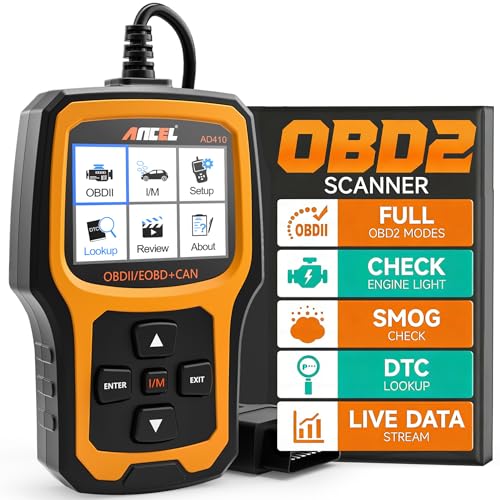
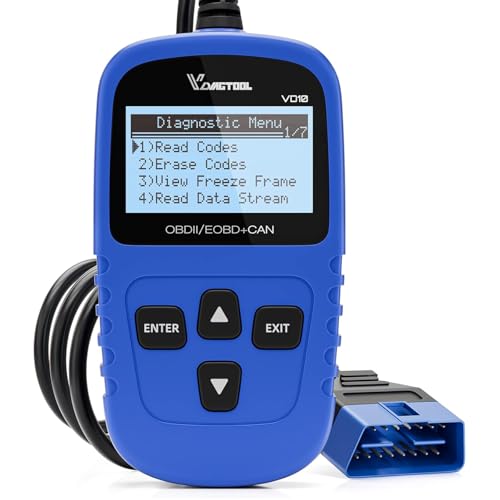
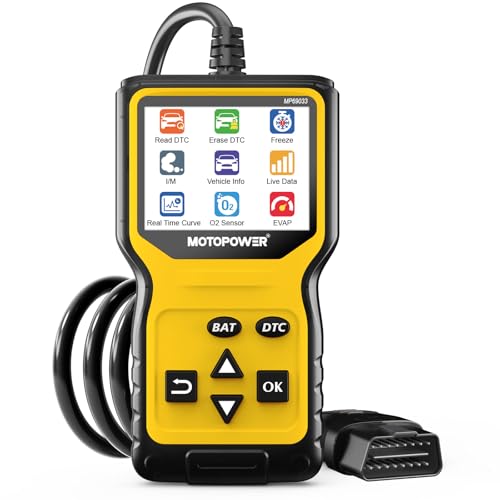
For those who want to investigate the issue themselves before heading to a mechanic, a quality OBD2 scanner can read the specific trouble codes from your car’s computer, often pointing you directly to the faulty sensor or system.



FAQs About The Car With Squiggly Lines Light
What does the light with the car and wavy lines mean?
This light, often called the Slip Indicator or Traction Control Light, warns that your car’s system for maintaining traction and stability is either active or has a fault. Its official name is the Electronic Stability Control (ESC) or Traction Control System (TCS) indicator. The wavy lines symbolize the slippery conditions or wheel spin that the system is designed to counteract.
Is it safe to drive with the traction control light on?
If it’s flashing, it’s safe but signals slippery conditions, so slow down. If it’s solid, the car is generally safe to drive under normal conditions, but the safety system is off, and you should get it inspected soon. Here’s the breakdown:
* Flashing: Safe to drive, but a clear warning to drive more cautiously.
* Solid: The vehicle can be driven, but without the assistance of the stability control system. Your risk of losing control in an emergency maneuver or on a slippery road is much higher.
How do I turn off the squiggly lines light on my car?
You can usually turn it off via a button with the same symbol. However, if the light is on due to a fault, it can only be turned off by fixing the underlying problem.
1. Look for a button on your dashboard or console, often marked with the same icon or “ESC OFF” / “TCS OFF”.
2. Pressing this will toggle the system on or off (when it’s working correctly).
3. It’s highly recommended to leave the system ON for all normal driving. The only time experts suggest turning it off is if you are stuck in deep snow or mud and need the wheels to spin freely to gain traction.
What does it mean when the car with squiggly lines and the ABS light are on?
This combination usually indicates a problem with a wheel speed sensor or the ABS control module, as both systems rely on the same components to function. The wheel speed sensors are the primary data source for both the anti-lock brakes and the stability control. A failure in one of these sensors will disable both safety features, triggering both warning lights.
Final Summary: Drive Smarter and Safer
The car with squiggly lines light is far more than just another light on your dash; it’s a vital part of your vehicle’s modern safety suite. By understanding its language—the critical difference between a flash and a solid glow—you can respond appropriately, enhancing your safety and the safety of those around you. It’s a direct line of communication about your car’s traction on the road.
To ensure you always drive with confidence, remember these key takeaways:
- Flashing = Working: The system is actively protecting you. Adjust your driving for slippery conditions.
- Solid = Fault: A key safety system is offline. Check the “OFF” button first, then schedule a professional diagnosis.
- Always Prioritize Safety: Heeding your vehicle’s dashboard warning lights is a fundamental part of responsible driving.
Now that you can interpret this crucial signal, you’re better equipped to handle whatever the road throws at you. Drive safely
Last update on 2026-03-14 / Affiliate links / Images from Amazon Product Advertising API


