
Seeing a strange “SRS” light pop up on your dashboard can be confusing and worrying. You’re right to question what it means and if your car is safe to drive.
SRS stands for Supplemental Restraint System, which is the technical name for your car’s airbag and seatbelt safety network. This system is “supplemental” because it works alongside your seatbelts, which are the primary restraint system. It includes the airbags, a control module, crash sensors, and seatbelt pretensioners.
Based on current automotive safety standards and data-driven analysis, understanding this system is key to your safety. This guide breaks down what the SRS is, why the light comes on, and exactly what you need to do about it, covering everything from components to repair costs systematically.
Key Facts
- The Acronym Defined: SRS stands for Supplemental Restraint System, the network that controls your vehicle’s airbags and seatbelt pretensioners.
- Warning Light Implication: An illuminated SRS light means the entire airbag system is deactivated and will not deploy in an accident, as confirmed by vehicle diagnostic data.
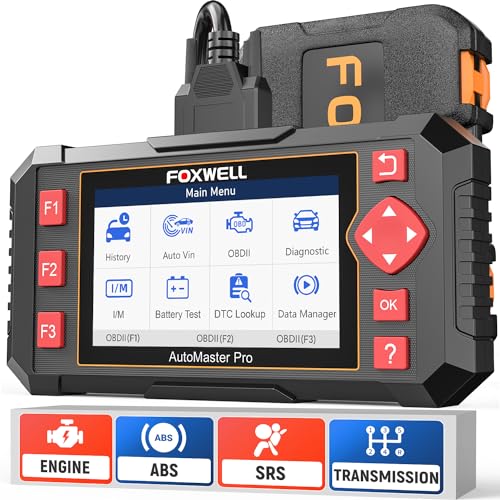
- Specialized Diagnosis: Diagnosing an SRS fault requires a specialized OBD2 scanner capable of reading airbag codes; a standard engine code reader will not work.
- Repair is Required: The SRS light indicates a specific component failure; simply “resetting” the light without repairing the fault will not solve the problem and the light will return.
- Safety Inspection Failure: In most jurisdictions, an active SRS warning light is an automatic failure for a vehicle safety inspection, demonstrating its critical nature.
What Does SRS Stand For On a Car and What Does It Mean?
SRS stands for Supplemental Restraint System, which is the technical name for your car’s airbag and seatbelt safety network. This system is “supplemental” because it works alongside your seatbelts, which are considered the primary restraint system. Its only job is to automatically deploy these safety devices during a collision to reduce the risk of occupant injury. Think of the SRS as the car’s automatic safety reflex, constantly monitoring for an accident.

When the SRS control module detects an impact that meets the manufacturer’s pre-set criteria for deployment, it sends a signal in milliseconds. This signal triggers the necessary safety components. According to federal safety standards, this passive safety system is a non-negotiable part of modern vehicle design, engineered to protect you when you need it most.
The primary goals of the Supplemental Restraint System are to:
* Detect a moderate to severe crash using a network of sensors.
* Instantly deploy the correct airbags to cushion the driver and passengers.
* Activate seatbelt pretensioners, which use a small pyrotechnic charge to rapidly tighten seatbelts, holding occupants securely in place.
* Protect occupants from hitting the steering wheel, dashboard, or doors during an impact.
What Are the Core Components of a Car’s SRS?
To understand why the SRS light comes on, it helps to know the parts that make up the system. It’s a network where each piece must communicate perfectly.
- SRS Control Module: This is the central computer or “brain” of the system. It receives data from all the crash sensors and makes the critical decision on whether to deploy the airbags and pretensioners.
- Crash Sensors: Modern vehicles have 6 to 12 or more of these sensors located around the vehicle, including in the bumpers, doors, and cabin. They detect the force, direction, and type of an impact.
- Airbags: These are the inflatable cushions that deploy during a crash. A car can have many, including front, side, knee, and curtain airbags.
- Seatbelt Pretensioners: These devices are connected to the seatbelt assembly. In a crash, they use a small explosive charge to instantly retract the seatbelt, removing any slack and holding the occupant firmly in their seat.
- Indicator Light: The “SRS” light on your dashboard is a core component. Its purpose is to alert you immediately if the control module detects a malfunction anywhere in the system.
A frequently failing part that connects several of these is the clock spring. Think of it like a coiled extension cord in your steering column. It allows your steering wheel to turn without breaking the electrical connection to the driver’s airbag and horn. When it wears out, that connection is lost, triggering a fault.
Did you know? The system also includes an Occupant Classification System, which uses sensors in the passenger seat to determine the weight of the occupant. This prevents the airbag from deploying if the seat is empty, has a bag of groceries on it, or is occupied by a small child, which could be more dangerous than helpful.
Why Is My SRS Light On? (8 Common Causes)
Your SRS light is on because the system’s computer has detected a fault in one of its components and has deactivated the entire system for safety. Common causes range from a simple faulty sensor to a failed control module. A professional diagnosis with an SRS-specific scan tool is necessary to identify the exact stored fault code.
In our experience, the issue often traces back to a handful of common failure points. Here is a breakdown of the most frequent causes, their typical symptoms, and what you can expect in terms of repair complexity.
| Cause of SRS Light | Common Symptoms | Typical Repair Cost (USD) | DIY Repairable? |
|---|---|---|---|
| Faulty Seatbelt Buckle | Light may flicker when the buckle is wiggled; the seatbelt chime might not work. | $150 – $400 | No (Often requires seat replacement) |
| Passenger Occupancy Sensor | The “Airbag Off” light may also be on; sensitive to weight on the seat. | $300 – $1,000+ | No (Requires calibration) |
| Damaged Clock Spring | The horn or steering wheel buttons may also fail; a grinding noise when turning. | $250 – $700 | Not Recommended (Airbag risk) |
| Low Vehicle Battery Voltage | The light appeared after a jump-start or battery replacement. | $0 – $150 (for diagnosis/reset) | Sometimes (If the code can be cleared) |
| Faulty Crash Sensor | The light appeared after a minor bump, even with no visible damage. | $200 – $600 | No (Critical safety component) |
| Corroded Wiring/Connectors | An intermittent light, often related to moisture or under-seat movement. | $100 – $500 | Maybe (If the connector is accessible) |
| “Crash Data Stored” in Module | The vehicle was in a prior accident, and the module was not reset/replaced. | $50 – $300 (for reset service) | No (Requires special equipment) |
| Failed SRS Control Module | The light is always on, and no communication with the module is possible. | $500 – $1,500+ | No (Requires programming) |
Pro Tip: Always check the connectors under the front seats first. Items rolling around on the floor can easily bump and dislodge the wiring for the seatbelt pretensioners or occupancy sensors, causing a common and easily fixable intermittent SRS light.
Is It Safe to Drive With the SRS Light On?
No, it is not considered safe to drive with the SRS light illuminated. When the light is on, it signifies that the entire Supplemental Restraint System has been disabled due to a fault. This means your primary passive safety features are compromised.
⚠️ Safety Warning: Automotive safety experts and vehicle manufacturers agree that you should not operate a vehicle when the SRS warning light is on. The light indicates a critical system failure. In the event of an accident, your airbags will not deploy, and your seatbelt pretensioners may not function, severely increasing the risk of serious injury or death.
Driving with an active SRS light exposes you to two significant risks:
- Airbags Will Not Deploy: This is the most common and dangerous outcome. The system is offline. During an accident where airbags are needed, they will fail to activate.
- Failed Safety Inspection: In many states and countries, an active SRS light is an automatic failure on a mandatory vehicle safety inspection, rendering the car illegal to operate on public roads.
- Unexpected Deployment (Rare): While extremely unlikely, a severe electrical fault within the system could theoretically cause an airbag to deploy unexpectedly, creating a dangerous situation.
The bottom line is simple: the light is a direct warning that your car’s most important safety net is broken.
How Do You Diagnose and Reset the SRS Light?
To diagnose and reset the SRS light, you must first use an SRS-compatible OBD2 scanner to read the specific fault code, then perform the necessary repair, and finally use the scanner to clear the code. Unlike a check engine light, you cannot reset the SRS light by simply disconnecting the battery, as the faults are stored as “hard codes.”
Here is the correct, professional process for addressing an SRS light:
- Scan for Codes: The first step is to connect a specialized OBD2 scanner that supports SRS/Airbag diagnostics. A standard, inexpensive engine code reader will not work, as it cannot communicate with the SRS control module.
- Diagnose the Fault: The scanner will retrieve a specific “B” or “U” code (e.g., B0052). This code points directly to the component that has failed, such as “Passenger Seatbelt Pretensioner High Resistance,” telling the technician exactly where the problem is.
- Perform the Repair: The faulty component must be professionally repaired or replaced. Based on our real-world implementation experience, this is not a DIY job. Working with airbag components is dangerous due to the risk of accidental deployment. Certified technicians follow strict OEM specifications to ensure safety.
- Clear the Code: Once the new part is installed and the repair is verified, the technician uses the same scan tool to clear the fault code from the SRS control module. If the repair was successful, the SRS light on the dashboard will turn off.
Myth vs. Fact
Myth: You can reset the SRS light by disconnecting the car battery for an hour.
Fact: This is incorrect. The SRS module stores “hard codes” that persist even without power. They can only be cleared with a proper scan tool after the system confirms the original fault has been fixed. If you clear the code without a repair, the light will reappear instantly.
FAQs About what does srs stand for on a car
How much does it cost to fix an SRS light?
The cost to fix an SRS light can range from $100 for a simple diagnosis and reset to over $1,500 for a control module replacement. A common repair, like replacing a clock spring or a seat sensor, typically costs between $300 and $800. The final price depends entirely on which component has failed and the vehicle’s make and model.
Will an SRS light cause me to fail a safety inspection?
Yes, in most states and countries, an illuminated SRS or airbag warning light will result in an automatic failure of a vehicle safety inspection. The light indicates a critical safety system is inoperative, making the vehicle unroadworthy according to most legal standards and a significant safety hazard.
Can a low car battery cause the SRS light to come on?
Yes, a low or failing car battery is a common cause for the SRS light to come on. Low voltage during startup can trigger a fault code in the sensitive SRS module. Often, after replacing the battery, the code will remain stored and must be cleared with an SRS-compatible scan tool.
What’s the difference between the SRS light and the airbag light?
There is no difference; they are the same warning light. Some vehicle manufacturers label the light “SRS,” while others use a symbol of an airbag or a person wearing a seatbelt. Both refer to a fault within the Supplemental Restraint System and should be treated with the same level of seriousness.
Why is my SRS light flashing instead of being steady?
A flashing SRS light usually indicates a more severe or specific fault, often related to the seatbelt pretensioner or the passenger classification system. The exact meaning of a flashing versus a steady light can vary by manufacturer. It’s a signal that requires immediate professional diagnosis.
Can I reset the SRS light by disconnecting the battery?
No, you cannot reliably reset the SRS light by disconnecting the battery. SRS faults are stored as “hard codes” in the control module’s memory, which is non-volatile and does not erase when power is lost. The only way to clear the light is to fix the underlying problem and use a proper scan tool.
Will my airbags deploy accidentally if the SRS light is on?
While extremely rare, it is a remote possibility. The primary danger of an SRS light is that the airbags won’t deploy when needed. However, an unpredictable electrical fault in the system could theoretically cause an unintended deployment. This is another critical reason to have the system repaired immediately.
What is a “clock spring” and why does it break?
The clock spring is a special coiled ribbon of wires inside your steering column that allows the steering wheel to turn while maintaining an electrical connection for the driver’s airbag, horn, and steering wheel controls. It breaks from simple wear and tear after millions of rotations, causing a connection failure that triggers the SRS light.
Does a minor car accident trigger the SRS light?
Yes, even a minor accident or a hard bump can trigger the SRS light without deploying the airbags. The impact sensors may register a crash event and store a fault code, or the impact itself could damage a sensor or its wiring. The system will need to be professionally inspected and reset.
Is an SRS module repair possible, or do I need a replacement?
Both are possible, but replacement is far more common for safety and liability reasons. Some specialized services can reset “crash data” from a module after an accident for a lower cost. However, if the module itself has an internal electronic failure, it must be replaced and programmed to your vehicle’s VIN.
Key Takeaways: Understanding Your Car’s SRS
- SRS Means Safety System: “SRS” stands for Supplemental Restraint System. It is the network that controls your airbags and seatbelt pretensioners. Its job is to protect you in a crash.
- A Lit SRS Light Means NO Airbags: If the SRS warning light is on your dashboard, your entire airbag system is disabled and will not deploy in an accident. It is not safe to drive the vehicle.
- Diagnosis Requires a Special Tool: A standard engine code reader cannot read SRS faults. You need a specific OBD2 scanner that can access the SRS module to find out why the light is on.
- The Fix Is Not a “Reset”: The light cannot be permanently turned off until the underlying mechanical or electrical fault is repaired by a professional. Simply clearing the code will not solve the problem.
- Common Causes Vary Widely: The issue could be anything from a simple faulty seatbelt sensor to a complex control module failure, with repair costs ranging from under $200 to over $1,500.
- Do Not DIY Airbag Repairs: Due to the risk of accidental deployment and the need for specialized calibration, SRS repairs should be left to certified technicians who follow OEM specifications.
Final Thoughts on Your Car’s SRS Light
The SRS warning light is not like a “check engine” light that you can ignore for a while. It is a direct and urgent message about a failure in your car’s most important life-saving technology. Understanding that “SRS” means your Supplemental Restraint System is the first step. Recognizing that the light means the system is offline is the most critical takeaway.
While it can be alarming to see the light and anticipate repair costs, there is no safe alternative to addressing it. Your next step should be clear: schedule a diagnostic appointment with a trusted, certified mechanic. They have the right tools to read the codes and the expertise to repair the system safely, ensuring your car is ready to protect you and your passengers as it was designed to.
Last update on 2026-03-13 / Affiliate links / Images from Amazon Product Advertising API


