Seeing a new warning light on your dashboard can be unsettling. You’re likely wondering what the car with squiggly lines means and, more importantly, if it’s safe to keep driving. That light is your vehicle’s slip indicator, and it plays a critical role in your safety.
A ‘slip’ light in a car means the vehicle’s Traction Control System (TCS) or Electronic Stability Control (ESC) is engaged. If the light is blinking, the system is actively working to prevent wheel spin on a slippery surface like rain, ice, or snow. If the light stays on solid, it usually signals a fault within the traction or stability control systems that needs diagnosis.
Based on extensive analysis of manufacturer specifications and real-world repair data, this guide breaks down the cause. You’ll learn the critical difference between a blinking and a solid light, what causes each, and discover the exact steps to take next for a safe resolution.
Key Facts
- Two States, Two Meanings: A blinking slip light indicates the safety system is actively preventing a skid, which is normal. A solid, continuously lit slip light signals a malfunction in the system that needs attention.
- Most Common Cause: A faulty ABS wheel speed sensor is the number one reason for a solid slip light, as this sensor provides the essential data for the entire traction and stability system.
- Safety is Compromised: When the slip light is solid, your vehicle’s Electronic Stability Control (ESC)—a feature the NHTSA credits with saving thousands of lives—is disabled, reducing your car’s ability to handle emergency maneuvers.
- Core Function: The primary purpose of the system is to maintain traction and prevent skids by automatically reducing engine power or applying individual brakes when it detects a wheel losing grip.
- Simple First Checks: Before heading to a mechanic, you can often diagnose or fix the issue by checking your tire pressure and simply restarting your vehicle to reset the system.
What Does the Slip Indicator Light Mean in a Car?
The slip indicator light in a car, often showing a vehicle with squiggly lines, signals that the Traction Control (TCS) or Electronic Stability Control (ESC) system is either actively working or has a fault. Think of it as your car’s brain automatically working to prevent a skid. These systems are crucial active safety features designed to help you maintain control of your vehicle, especially in challenging conditions.

Understanding this light involves recognizing two distinct systems that work together:
- Traction Control System (TCS): This system’s primary job is to prevent your wheels from spinning during acceleration. If you press the gas on a wet or icy road and a wheel starts to spin, the TCS intervenes to help it regain grip.
- Electronic Stability Control (ESC): This is a more advanced system that helps prevent skidding during turns or sudden maneuvers. It monitors your steering direction and compares it to the car’s actual direction. If it detects a skid, it applies brakes to individual wheels to bring the car back under your control.
The slip light’s purpose is to alert you to a loss of traction and confirm that these automated safety systems are engaged or require service. Because the TCS and ESC work closely with the Anti-lock Braking System (ABS), understanding the health of your brake system is also connected to this light. The owner’s manual for your specific vehicle provides the definitive guide to its safety standards and icons.
Is It Safe to Drive with the Slip Light On?
If your slip light is blinking, it is safe to drive; the system is working correctly. Reduce your speed for the conditions. If the slip light is solid (stays on), you can usually drive cautiously to a mechanic, but your automatic stability and traction assistance are disabled. Avoid hard acceleration and high speeds, especially in rain or snow. This distinction is the most important thing to understand for your immediate safety.
Let’s break down the two scenarios:
Blinking Light (System Active)
A blinking light is a good sign. It means the TCS or ESC is actively helping you maintain control. It is safe to continue driving, but the blinking light is a clear signal from your car that road conditions are slippery. You should immediately ease off the accelerator and drive more cautiously.
Solid Light (System Fault)
A solid, non-blinking light indicates a problem. Your vehicle’s electronic safety net is turned off. While you can typically continue driving to your destination or a repair shop, your car’s ability to handle a skid or emergency maneuver is significantly reduced.
Safety Warning: When the slip light is on and solid, drive with extreme caution. Your car will handle more like an older vehicle without modern stability aids. According to NHTSA guidelines, ESC is a critical safety feature, and driving without it, especially in poor weather, increases risk.
If the light is solid, follow these precautions:
* Increase your following distance from other cars.
* Avoid sudden acceleration, braking, or steering.
* Reduce your speed, especially on corners and in wet or icy conditions.
* Schedule an appointment with a certified mechanic for a diagnostic check as soon as possible.
Why Does My Slip Light Blink (And What Does It Mean)?
A blinking slip light is normal and indicates your car’s safety systems are working. It means a wheel has lost traction, and the Traction Control System (TCS) is actively reducing engine power or applying brakes to regain grip. You may feel a slight hesitation or hear a clicking noise, which is normal operation.
This blinking light is your car communicating that it just saved you from a potential spin or skid. This commonly happens in real-world situations like accelerating too quickly from a stoplight in the rain or when one tire hits a patch of ice. It’s a key part of hydroplaning prevention.
Here’s a simple breakdown of what’s happening behind the scenes:
1. Detection: A wheel speed sensor detects that one wheel is spinning significantly faster than the others, signaling a loss of grip.
2. Calculation: The car’s Electronic Control Unit (ECU) instantly processes this data.
3. Intervention: The ECU commands the system to intervene. This can happen in two ways: reducing engine power to the spinning wheel or applying the brake to that single wheel (a process called differential braking). This action transfers power to the wheel(s) that still have grip.
What You Might Feel or Hear
When the system activates, you might notice:
* The slip indicator light flashing on your dashboard.
* A brief reduction in engine power, making the car feel like it’s hesitating.
* A pulsing or grinding noise from the brakes as the system rapidly applies and releases pressure.
* A slight pulsing feeling in the brake pedal.
These physical sensations are completely normal. They are signs that your vehicle’s advanced safety features are doing their job to keep you on the road.
What Causes the Slip Indicator Light to Stay On (Solid Light)?
When the slip indicator light comes on and stays on, it signals a fault within the system. Unlike the helpful blinking light, a solid light means one of the key safety components is not working. The system has disabled itself as a precaution and requires a diagnostic check.
The table below clarifies the crucial difference between the two light states.
| Feature/Aspect | Blinking Slip Light | Solid (Steady) Slip Light |
|---|---|---|
| Meaning | TCS/ESC is actively preventing wheel slip. | Fault detected in the TCS/ESC system OR system is manually turned off. |
| Safety | Normal operation. Vehicle is protecting you. | Safety systems are disabled. Reduced vehicle stability. |
| Common Trigger | Slippery surfaces (rain, ice, snow), hard acceleration. | Faulty wheel speed sensor, steering angle sensor issue, low tire pressure. |
| Driver Action | Ease off the accelerator; drive smoothly. | Drive with caution; avoid sudden maneuvers. Schedule a diagnostic check. |
Here are the most common causes for a solid slip light, starting with the number one culprit.
1. A Faulty ABS Wheel Speed Sensor
This is, by far, the most common reason for a solid slip light. Each wheel has a sensor that constantly tells the car’s computer how fast it’s spinning. This data is essential for the Anti-lock Braking System (ABS), Traction Control, and Stability Control. Because these sensors are located at the wheels, they are exposed to water, dirt, and road debris, making them prone to failure over time. If one sensor fails, the entire system can’t get accurate data, so it shuts down and triggers the warning light.
2. Steering Angle Sensor Issues
This sensor is located in your steering column and tells the car’s brain the exact direction you are trying to steer. The ESC system compares this information to the data from the yaw rate sensor (which measures the car’s rotation). If the data doesn’t match—for instance, the sensor says you’re steering straight but the car is starting to spin—it flags an error. This sensor can fail or, more commonly, may simply need to be recalibrated after a wheel alignment.
3. Uneven Tire Pressure or Size
The traction control system works by comparing the rotational speed of all four tires. If one tire is significantly low on pressure, its diameter shrinks, causing it to spin faster than the others to keep up. The system can misread this constant speed difference as a perpetual slip, eventually flagging a fault and turning the light on. Using a mismatched spare tire or installing one new tire of a different size can cause the same issue.
4. Other Potential Issues
While less common, other problems can trigger the light:
* A damaged or corroded wire leading to one of the wheel speed sensors.
* A problem with the ABS control module or pump.
* Low battery voltage, which can cause a wide range of phantom electronic errors in modern cars.
How Do You Diagnose and Fix a Slip Light Issue?
To fix a slip light, follow these steps: 1. Check and correct your tire pressure. 2. Turn the car off for 60 seconds, then restart to reset the system. 3. Check if the traction control button was accidentally pressed. 4. If the light remains, use an OBD2 scanner to read the fault codes. 5. If a sensor is identified as faulty, schedule a repair with a qualified mechanic.
This step-by-step process starts with the easiest and cheapest fixes before moving to professional diagnostics.
Step 1: How Do You Perform Basic Checks at Home?
Before you panic or call a mechanic, perform these three simple checks that cost nothing and can often solve the problem.
* Check Tire Pressure: Use a tire pressure gauge to check all four tires. Inflate any low tires to the pressure recommended on the sticker inside your driver’s side doorjamb, not the maximum pressure listed on the tire itself.
* Restart the Vehicle: Sometimes, a temporary sensor glitch can trigger the light. Turn your car completely off, remove the key, wait for about 60 seconds, and then restart it. This simple car computer reset can clear temporary faults.
* Check the TCS/ESC Button: Most cars have a button that allows you to manually turn off the traction or stability control system. This button usually has an icon of a car with squiggly lines and the word “OFF.” It’s possible the button was pressed by accident. Press it once to see if the light goes out. If it was off, this will re-engage the system.
Step 2: How Do You Use an OBD2 Scanner to Read Fault Codes?
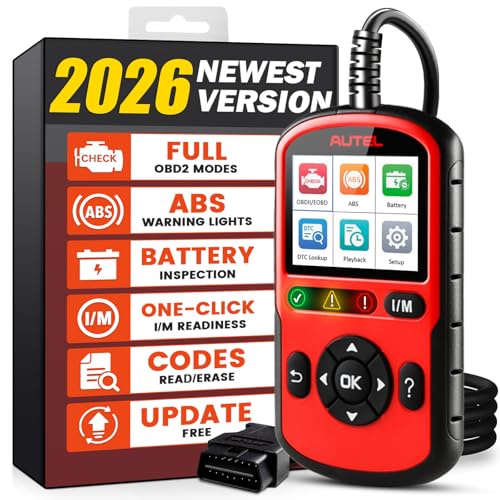
If the simple checks don’t work, the next step is to read the specific error code the system has stored. You’ll need an OBD2 scanner—a small device that plugs into your car’s diagnostic port (usually under the steering wheel) to read these codes.
However, a basic “check engine” code reader may not work. You need a scanner that is specifically able to read codes from the ABS, TCS, or ESC module. These are often referred to as ‘C’ codes (for Chassis), whereas engine codes start with ‘P’ (for Powertrain).
Here is how to use one:
1. Locate your car’s OBD2 port, typically under the dashboard on the driver’s side.
2. Plug in the scanner and turn the ignition to the “On” position without starting the engine.
3. On the scanner’s menu, navigate to the diagnostic section and select the ABS/TCS/VSC module.
4. The scanner will display a specific fault code. For example, a code like C1223 on a Toyota often points directly to a fault in the ABS control system. Write this code down.
This code is the key. It tells you or your mechanic exactly which sensor or circuit is causing the problem, saving hours of diagnostic time.
FAQs About what does slip mean in a car
What does the VDC OFF and slip light mean together?
This combination usually means the Vehicle Dynamics Control (VDC) system has a fault or has been manually turned off. If you haven’t pressed the VDC/ESC OFF button, a solid slip light and VDC OFF light together point to a system malfunction, often caused by a faulty wheel speed sensor or steering angle sensor.
Can a bad wheel sensor cause the slip light to come on?
Yes, a bad ABS wheel speed sensor is the single most common cause of a solid slip light. The traction and stability control systems rely on data from these sensors to know if a wheel is spinning. If a sensor fails, the entire system shuts down as a precaution, triggering the warning light.
Does low tire pressure cause the slip light to illuminate?
Yes, significantly low or uneven tire pressure can trigger the slip light. A deflated tire rotates at a different speed than the others. The system can misinterpret this difference in rotation as wheel slip, causing either a blinking light during driving or a solid fault light if the discrepancy is large and constant.
What’s the difference between “wheel slip” and the transmission “slipping”?
These are completely different issues. “Wheel slip” refers to a tire losing grip on the road, which is handled by the traction control system (slip light). Transmission “slipping” is an internal gearbox problem where the engine revs up but the car doesn’t accelerate properly, often indicating worn clutch packs or low fluid.
How much does it cost to fix a slip light issue?
The cost can range from $0 to over $500. A simple reset or tire pressure adjustment is free. The most common repair, replacing a faulty ABS wheel speed sensor, typically costs between $150 and $350 for parts and labor. A more complex issue involving the ABS module or steering sensor could be more expensive.
Why is my slip light on after a wheel alignment?
This often means the steering angle sensor needs to be recalibrated. After an alignment, the steering wheel might be straight, but the sensor may still think it’s turned. This mismatch between steering input and the car’s direction triggers the slip light. It’s a common issue that the alignment shop can quickly resolve.
Can a bad battery cause traction control lights?
Yes, a weak or dying battery can cause various electronic issues, including a solid slip light. The sensitive control modules for traction and stability require a stable voltage to operate correctly. If the battery voltage is low or inconsistent, it can trigger false error codes in these systems.
Does the slip light mean I need new tires?
Not directly, but it can be a strong indicator. If your slip light blinks frequently on dry pavement during normal acceleration, it suggests your tires have very little tread left and are losing grip easily. A solid light is a sensor/system fault, not a direct measure of tire wear.
Is slip light related to the transmission?
No, the slip indicator light is not related to the automatic transmission. It is exclusively linked to the wheel traction and vehicle stability systems, which are part of the car’s chassis and braking systems. A transmission problem would typically trigger a “Check Engine” light or a specific gear-related warning.
What does ‘pink slip’ mean in car terminology?
A “pink slip” is a colloquial term for a vehicle’s Certificate of Title. It has no connection to the slip indicator light on your dashboard. This document proves legal ownership of a vehicle. The term comes from the color of the title certificates issued in California for many years.
Key Takeaways: Car Slip Light Meaning Summary
- Blinking vs. Solid is Critical: A blinking slip light means the safety system is actively working and is normal on slippery roads. A solid slip light means there is a fault in the system.
- Safety Depends on the Light: It is safe to drive with a blinking light (just drive cautiously). With a solid light, your stability control is off; drive carefully to a mechanic and avoid harsh conditions.
- A Bad Sensor is the Top Suspect: For a solid light, the most common cause is a faulty ABS wheel speed sensor, a repair that typically costs between $150 and $350.
- Start with Simple Checks: Before paying for a diagnosis, always check your tire pressure and try restarting the car, as these simple actions can sometimes resolve the issue.
- Diagnosis Needs the Right Tool: A standard code reader may not work. You need an OBD2 scanner that can specifically read codes from the ABS/TCS/ESC computer module to accurately diagnose the problem.
- It’s Not Your Transmission: The dashboard “slip” light is related to wheel traction and is completely separate from a “slipping” transmission, which is a gearbox problem.
- Manufacturer Names Vary: The system is called VSC on a Toyota, VSA on a Honda, and VDC on a Nissan, but the slip light symbol and function are nearly identical.
Final Thoughts on Your Car’s Slip Light
Understanding your car’s slip indicator light is more than just fixing an annoying dashboard icon; it’s about being an informed and safer driver. This light is the primary alert for one of your vehicle’s most important modern safety systems. A blinking light is your co-pilot, confirming it’s on the job. A solid light is your cue to take action. By knowing the difference and following a logical diagnostic path, you can address the issue with confidence, ensuring your car’s safety features are ready to protect you when you need them most. Never ignore a solid slip light—it’s there to help you stay in control.
Last update on 2026-03-15 / Affiliate links / Images from Amazon Product Advertising API