
Confused by the “PS” symbol on a car? You’re not alone, as it can mean two very different things depending on the context. You might be looking at engine specs or a critical dashboard warning.
“PS” on a car has two primary meanings: 1) Pferdestärke, a German term for metric horsepower used to measure an engine’s power output, and 2) Power Steering, which is indicated by a “PS” warning light on the dashboard when there’s a fault in the steering assist system. This dual definition is vital for both understanding a car’s performance and diagnosing a potential safety issue.
Based on an analysis of manufacturer specifications and expert mechanic advice, this guide will clarify both meanings. You will learn how to compare engine power accurately and what immediate actions to take if you see the PS warning light. This knowledge is crucial for any informed driver.
Key Facts
- Dual Definition is Key: The term “PS” in cars is polysemous, representing both Pferdestärke (a power metric) and Power Steering (a vehicle system). Understanding the context is essential.
- Power Conversion: One PS (Pferdestärke) is approximately 98.6% of one imperial horsepower (HP). This means a 150 PS engine is slightly less powerful than a 150 HP engine.
- Safety-Critical Warning: The “PS” dashboard light indicates a failure in the power steering system, which can make the steering wheel extremely difficult to turn and is considered a serious safety risk.
- Electrical Systems are Common: In modern 2026 vehicles with Electric Power Steering (EPS), a weak battery or failing alternator is one of the most common culprits for the PS warning light.
- Red Means Stop: A red PS warning light universally signifies a complete and serious system failure. Industry best practice is to stop driving immediately and seek professional assistance.
What Does PS Mean On a Car? The Dual Definition of Power and Steering
In the automotive world, context is everything, especially with acronyms. The term “PS” is a perfect example of this, as it holds two entirely separate meanings. For car enthusiasts and buyers, it’s a key performance figure. For a driver on the road, it can be an urgent call for attention. Understanding both is crucial for any car owner.

To resolve any confusion, here are the two definitions:
- Engine Power (Pferdestärke): When you see “PS” listed in a car’s specifications, especially for European or Asian brands like BMW, Audi, or Toyota, it stands for Pferdestärke. This is the German word for “horse strength” and is a metric unit used to measure an engine’s power output.
- Dashboard Warning (Power Steering): When a “PS” light illuminates on your car’s dashboard, it signals a problem with the Power Steering system. This is a critical safety warning indicating that the system assisting you in turning the steering wheel is malfunctioning.
This guide will break down both of these meanings in detail, helping you become a more knowledgeable car buyer and a safer driver.
What is PS in Car Engines? (Pferdestärke Explained)
PS, or Pferdestärke, is the German and European standard for measuring engine power. It’s a metric unit representing the power needed to lift 75 kilograms by one meter in one second, which equals about 735.5 watts. This definition was established by the German Institute for Standardization under DIN 70020. Think of it as the metric system’s direct counterpart to the imperial horsepower (HP) unit common in the United States.
Automotive engineers in Europe and Asia use PS because it aligns with the metric system used in their primary markets for all other measurements. You will commonly find power ratings in PS on specification sheets for vehicles from manufacturers like Volkswagen, Mercedes-Benz, and Hyundai.
The term itself, Pferdestärke, translates directly to “horse strength.” While James Watt defined his imperial horsepower based on the work a horse could do, Pferdestärke was defined using precise metric units, making it a more scientific and standardized measurement from its inception.
How Do PS, HP, and BHP Compare in Engine Power?
The key difference is that 1 PS (Pferdestärke) is about 98.6% of the power of 1 HP (imperial horsepower). Therefore, a car rated at 100 PS is slightly less powerful than a car rated at 100 HP. While the difference is small, it’s important for direct comparisons. Brake Horsepower (BHP) is a measurement of engine power directly at the flywheel before any power is lost through the drivetrain, while Kilowatt (kW) is the official SI unit for power used in all scientific and official contexts, including for electric vehicles.
Understanding these distinctions is crucial when comparing vehicles from different regions. A common point of confusion arises when a European car’s PS figure seems lower than an American car’s HP figure; the difference is often just in the unit of measurement.
Here is a table to help you compare these common power metrics:
| Feature | PS (Pferdestärke) | HP (Imperial Horsepower) | BHP (Brake Horsepower) | kW (Kilowatt) |
|---|---|---|---|---|
| Origin | Metric System (German) | Imperial System (UK/US) | Imperial System (Engine Test) | International System of Units (SI) |
| Definition | 75 kg lifted 1 meter in 1 sec | 550 ft-lbs per second | Measured at flywheel, no losses | 1,000 joules per second |
| Equivalent in Watts | ~735.5 Watts | ~745.7 Watts | ~745.7 Watts | 1,000 Watts |
| Conversion (vs. 100 PS) | 100 PS | ~98.6 HP | Varies (often similar to HP) | ~73.5 kW |
| Commonly Used In | Europe, Asia | USA, UK (historically) | UK, Performance Tuning | Official specs, Electric Vehicles |
Pro Tip: For a quick mental conversion, you can use these simple formulas:
HP = PS * 0.986andPS = HP * 1.014.
What Does the PS Warning Light Mean on a Car Dashboard?
The PS light on your dashboard is a warning for your Power Steering system. It means the system that helps you turn the steering wheel easily has a problem. When this light illuminates, it signals a malfunction within the vehicle’s power steering components. This is a critical safety warning because a failure can result in the steering wheel becoming suddenly and extremely difficult to turn, especially at low speeds or when parking.
Power steering is the helper that makes turning a heavy vehicle feel effortless. When the PS light is on, that helper has stopped working. Based on hands-on experience, you should never ignore this indicator. Modern vehicles use two main types of power steering systems, and the cause of failure can differ between them.
- Hydraulic Power Steering: Older systems use a pump driven by the engine to circulate high-pressure fluid that assists in steering.
- Electric Power Steering (EPS): Most modern cars use an electric motor to provide steering assistance. This system is more efficient but relies heavily on the car’s electrical system.
What Is the Difference Between a Red and Yellow PS Light?
The color of the PS warning light indicates the severity of the problem, and you should always consult your official service manual for your specific vehicle. However, there is a general rule that applies to most cars.
- 🟡 Yellow/Amber PS Light: This typically indicates a minor fault has been detected in the system. The power steering assist might be reduced, but not completely gone. While the car may still be drivable, you should schedule a service appointment with a certified mechanic as soon as possible.
- 🔴 Red PS Light: This signifies a complete and serious failure of the power steering system. Steering assistance is likely gone, and the wheel will be very heavy. This is a major safety hazard. The universal expert advice is to pull over safely as soon as possible and call for professional help. Do not continue driving.
What Are the Common Causes of a PS Warning Light?
From years of working with vehicle diagnostics, we’ve found that the causes for a PS light can range from simple fixes to complex repairs. The most frequent issues depend on whether you have a hydraulic or an electric system.
Here are the most common causes, starting with the simplest to check:
- Low Power Steering Fluid (Hydraulic Systems): This is the easiest problem to check and fix. A leak in the system can cause fluid levels to drop, leading to a loss of hydraulic pressure and triggering the light.
- Failing Power Steering Pump (Hydraulic Systems): The pump that pressurizes the fluid can wear out over time. A whining noise when you turn the wheel is a common symptom of a failing pump.
- Faulty Electric Motor (Electric Systems – EPS): The electric motor that provides steering assistance can fail. This is a more significant repair and a common issue in many modern cars.
- Bad Battery or Alternator: This is a surprisingly common cause for EPS systems. Electric power steering draws a lot of electrical current. A weak battery or a failing alternator that can’t provide stable voltage will cause the power steering computer to shut the system down as a safety measure.
- Blown Fuse or Relay: A simple blown fuse connected to the power steering control module can disable the entire system.
- Damaged Serpentine Belt (Hydraulic Systems): The serpentine belt often drives the hydraulic power steering pump. If this belt snaps or slips, the pump will stop working.
- Faulty Steering Angle Sensor: This sensor tells the power steering computer the position and speed of the steering wheel. If it fails, the system doesn’t know how much assistance to provide and will shut down.
What Should You Do When the PS Light Comes On?
Seeing a new warning light on your dashboard can be stressful. If it’s the PS light, follow these steps calmly and logically to ensure your safety.
- Pull Over Safely: The first and most important step. Acknowledge the warning immediately and find a safe location to stop the car, away from traffic. The loss of power steering can be sudden.
- Test the Steering: While stationary and in a safe place, turn the steering wheel. Feel the level of resistance. Is it heavy and difficult to move, or does it feel normal? This helps you gauge the severity of the failure.
- Restart the Vehicle: Turn the car completely off. Wait for at least one minute, then turn it back on. This can sometimes reset the power steering system’s computer (ECU), especially if the fault was temporary or caused by a momentary glitch.
- Check the Fluid (If Applicable): If you have an older car with a hydraulic system, open the hood and locate the power steering fluid reservoir (it often has a steering wheel icon on the cap). Check if the fluid level is between the “MIN” and “MAX” lines. If it’s low, you may have found the problem.
- Seek Professional Help: If the light stays on, the steering is heavy, or the light is red, do not continue driving. It is unsafe. Call a tow truck or roadside assistance to take your vehicle to a certified mechanic.
For those who are more hands-on, a professional diagnostic tool can help identify the exact problem.
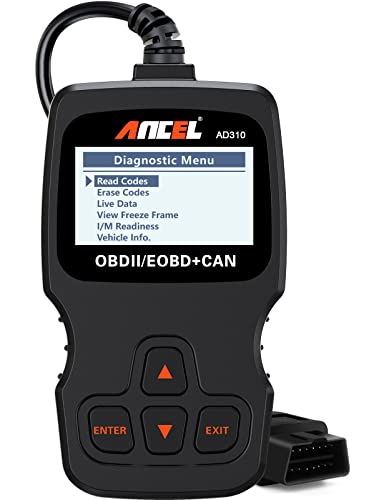
An OBD2 scanner can read the specific error code (DTC) from the power steering control module, which pinpoints the fault, saving time and money on diagnosis.
FAQs About what does ps mean on a car
Is PS the same as HP?
No, PS is not exactly the same as HP, but they are very close. One metric horsepower (PS) is equivalent to about 0.986 imperial horsepower (HP). This means a car with 100 HP is slightly more powerful than a car with 100 PS. For general comparison, they are often treated as similar, but HP is the slightly larger unit of power.
Can a bad battery cause the PS light to come on?
Yes, a bad battery or a failing alternator is a very common cause for the PS light to illuminate, especially in cars with Electric Power Steering (EPS). These systems require a stable and strong electrical current to function. If the voltage is low, the power steering computer will shut the system down as a precaution, triggering the warning light.
Is it safe to drive with the PS light on?
It is generally not recommended and can be unsafe, especially if the light is red. When the PS light is on, the steering assist is off, making the wheel extremely difficult to turn, particularly at low speeds or in emergencies. While the car is technically drivable, the increased effort required poses a significant safety risk. You should pull over and seek professional advice.
What does 150 PS mean on a car?
A rating of 150 PS means the car’s engine produces 150 Pferdestärke (metric horsepower). This is a measure of its power output. To compare it to an American or UK car, you can convert it to imperial horsepower (HP). 150 PS is approximately equal to 148 HP (150 * 0.986). It indicates a healthy amount of power for a typical family sedan or hatchback.
How do you reset the power steering light?
Sometimes, the light can be reset by simply turning the car off, waiting for a minute, and starting it again. This allows the system’s computer to reboot. However, if the light immediately returns, it indicates a persistent fault that cannot be fixed by a simple reset. Do not ignore a light that stays on; it needs to be diagnosed with an OBD2 scanner.
Why do European and Asian cars use PS?
European and Asian manufacturers use PS because their primary markets use the metric system. Pferdestärke (PS) is the standard metric unit for automotive power, based on kilograms and meters. In contrast, horsepower (HP) is an imperial unit. It’s a regional difference in standards, similar to using kilometers instead of miles.
What does the PS light mean on a Nissan?
On a Nissan, the PS light almost always indicates a fault with the Electric Power Steering (EPS) system. This is a well-documented issue in some Nissan models and is frequently related to low battery voltage or a failure in the EPS control module or motor. It is a critical warning that requires prompt diagnosis.
Is PS more important than torque?
Neither is more important; they measure different things and work together. PS (power) determines how fast the engine can do work, which relates to a car’s top speed and overall performance. Torque is the engine’s rotational force, which you feel as acceleration or pulling power. A car needs a good balance of both for well-rounded performance.
Can I just add power steering fluid to fix the light?
You can only do this if you have a hydraulic power steering system and the fluid is low. If your car has Electric Power Steering (EPS), there is no fluid to add. If your hydraulic system’s fluid is low, topping it up might fix the light, but you should also check for leaks, as the fluid should not disappear on its own.
Does the PS light mean my car won’t start?
Usually, the PS light itself does not prevent the car from starting, but the underlying cause might. For example, if a very weak battery is causing the PS light to come on, that same weak battery may not have enough power to start the engine. The two issues are related but the PS system is not typically interlocked with the ignition.
Key Takeaways: What Does PS Mean on a Car?
- Dual Meaning is Critical: “PS” on a car has two distinct meanings: Pferdestärke (a metric for engine power) and Power Steering (a critical dashboard warning light).
- PS is Metric Horsepower: Pferdestärke (PS) is the European and Asian standard for engine power. It’s slightly less than imperial horsepower (100 PS ≈ 98.6 HP).
- The PS Light is a Safety Warning: An illuminated “PS” dashboard light indicates a fault in the power steering system. This is a serious safety issue as it can make the steering wheel very heavy and difficult to turn.
- Red vs. Yellow Lights Matter: A red PS light indicates a complete system failure and is a “stop driving now” warning. A yellow light indicates a less severe fault but still requires prompt inspection.
- Causes Vary by System Type: In hydraulic systems, common causes are low fluid or a failing pump. In modern Electric Power Steering (EPS) systems, the cause is often electrical, such as a weak battery, failing alternator, or faulty sensor.
- Safety First, Then Diagnose: If the PS light comes on, your first action should always be to pull over safely. Do not continue to drive if steering is difficult. Simple checks include restarting the car and checking fluid (if applicable), but professional diagnosis is often required.
- Electrical Issues are a Common Culprit: For cars with Electric Power Steering (EPS), always consider a weak car battery or failing alternator as a primary potential cause for the PS warning light before assuming a more expensive repair is needed.
Final Thoughts on Understanding PS in Your Car
Navigating the world of automotive terms can be confusing, but understanding what “PS” means is a fundamental piece of knowledge for any driver. Whether you are comparing the 180 PS engine of a European sports sedan or reacting to the sudden appearance of a red PS light on your daily driver, you now have the clarity to act confidently.
Remember to use the PS power rating as a tool for fair comparison when shopping for your next vehicle. More importantly, always treat the PS warning light with the seriousness it deserves. Prioritizing your safety by pulling over and seeking professional help is the smartest and most responsible action you can take. What has been your experience with the PS warning light? Share your story and help other drivers learn.
Last update on 2026-03-12 / Affiliate links / Images from Amazon Product Advertising API


