
Wondering what color car shows the least dirt? You’re tired of your vehicle looking dusty just days after a wash. This constant battle for cleanliness is frustrating and time-consuming.
The best car colors for showing the least amount of dirt are neutral, mid-spectrum shades such as silver, gray, charcoal, and beige. These colors effectively camouflage common types of road grime like dust and light mud because their color profile is very similar, making the dirt blend in rather than stand out in high contrast. This simple choice can dramatically reduce your car wash frequency.
Based on extensive analysis and professional detailer advice, this guide will walk you through the science of dirt concealment. You’ll discover the top-rated colors, which ones to avoid, and how to protect any finish. This reveals why some cars always look clean while others demand constant attention.
Key Facts
- Low-Contrast is Key: The easiest colors to keep clean, like silver and gray, have a color profile similar to common dust and dirt, creating a camouflage effect.
- Black is the Hardest: Black is the most high-maintenance car color, as it creates a high-contrast background that makes every speck of dust, pollen, and minor scratch highly visible.
- Color Impacts Temperature: Lighter colors like white and silver reflect more sunlight, potentially keeping a car’s interior 10-15°F cooler than a black car, according to industry analysis.
- Resale Value is Affected: Neutral colors, including white, black, gray, and silver, consistently command the highest resale value due to their broad appeal in the used car market.
- Finish Plays a Role: Metallic and pearlescent paint finishes hide dirt better than solid colors because the embedded flakes scatter light and create a more complex, less uniform surface.
What Color Car Shows The Least Dirt and Why Does It Matter?
The car colors that show the least dirt are mid-range, neutral tones like silver, gray, and beige. The reason this matters is that choosing a low-maintenance car color saves you significant time, money, and effort over the life of your vehicle. You’ll reduce your washing frequency, spend less on car care products, and help maintain the vehicle’s aesthetic appeal and resale value with far less work. It’s a practical decision that pays dividends for any owner tired of a car that always looks dirty.

As car care experts and professional detailers consistently advise, the choice of color is the first line of defense in your exterior car care routine. A car that appears clean longer is not only more enjoyable to own but also better protected. Dust and grime, when left on the surface, can be abrasive and damage the clear coat over time, especially when washed improperly. By selecting a practical car color that naturally conceals this everyday buildup, you are making a smart investment in your vehicle’s long-term health and appearance, streamlining your car maintenance schedule from day one.
Why Do Certain Car Colors Hide Dirt More Effectively?
The ability of a car color to hide dirt is based on color contrast. Mid-tone colors like silver and gray have a similar brightness and hue to common road dust and grime. This low-contrast relationship makes the dirt blend into the paint’s background, becoming much less noticeable than on a high-contrast color like black or white. It is the same principle as camouflage; by minimizing the difference between the object and its background, visibility is reduced.
The science behind dirt visibility on car paint is straightforward and involves a few key principles of color theory and light reflection. Understanding these concepts helps clarify why certain shades are praised by car care experts for their low-maintenance qualities.
- The Role of Contrast: The human eye easily spots things that contrast with their background. Light-colored dust on a black car is a prime example of high contrast, making it extremely visible. Conversely, the same light-colored dust on a silver car is low contrast, making it difficult to discern.
- The “Middle Ground” Effect: Colors like gray, silver, and beige occupy a middle ground in the color spectrum. They aren’t dark enough to contrast with dust and aren’t light enough to contrast with darker mud splatter. They effectively hide a wider range of dirt types.
- Light Reflection: The way paint reflects light also plays a crucial role. Metallic and pearlescent paints contain small flakes that scatter light in multiple directions. This complex reflection breaks up a uniform surface and helps hide minor scratches, swirl marks, and a thin layer of dust.
- The Albedo Effect: This scientific term refers to how well a surface reflects solar energy. Lighter colors have a high albedo effect, reflecting more light and heat. While this is primarily discussed for keeping a car cool, this high level of light reflection also helps to dazzle the eye slightly, making it harder to focus on minor imperfections and dirt.
Did You Know? The concept of spectral reflectance is central to this phenomenon. Every object reflects a certain spectrum of light. The closer the spectral reflectance of the dirt is to the car’s paint, the less visible that dirt will be. This is why beige cars are fantastic in sandy, dusty regions.
What Are The Top 5 Easiest Car Colors To Keep Clean?
The top easiest car colors to keep clean are silver, gray, white, champagne/beige, and light blue. Based on a consensus from the detailing community and real-world testing, these shades offer the best performance in hiding dust, dirt, and even minor paint imperfections. Silver and gray are consistently ranked as the best overall choices for their ability to mask a wide variety of road grime.
Here is a ranked breakdown of the best low-maintenance car colors.
- Silver: The champion for hiding dirt, dust, and minor scratches.
- Gray/Charcoal: Excellent at masking dust, road grime, and mud.
- White: Hides dust and swirl marks well but shows darker mud.
- Champagne/Beige: Blends effectively with sandy or dusty environments.
- Light Blue: A good non-neutral option that still offers decent dirt concealment.
What Is The Best Color: Silver?
Silver is widely considered the best car color for hiding dirt because its bright, reflective surface scatters light, making dust, water spots, and minor scratches difficult to see. Professional detailer advice often points to silver as the “king” of low-maintenance colors. It can reduce the appearance of visible dirt by a significant margin compared to a dark color like black. This is especially true for metallic silver paint, where the embedded flakes enhance its imperfection-hiding abilities.
- Pros: ✅ Exceptional at hiding light dust and road salt. ✅ Masks minor scratches and swirl marks better than any other color. ✅ Reflects heat, keeping the car cooler. ✅ Holds strong resale value.
- Cons: ❌ Can show dark mud splatter more than gray. ❌ So common that it may not stand out.
What Is The Second Best Color: Gray & Charcoal?
Gray and charcoal are top contenders because they represent the perfect middle ground of car color cleanliness. Their shade is extremely close to that of dried mud and common road grime, providing natural camouflage. This makes them particularly effective in urban environments and climates with frequent rain, where cars are often exposed to brake dust and dirty road spray. For owners of trucks and SUVs who may encounter more mud, gray is arguably a better choice than silver.
- Pros: ✅ The absolute best color for hiding mud and wet road grime. ✅ Masks brake dust effectively. ✅ Still hides light dust and scratches well. ✅ Offers a sophisticated, modern aesthetic.
- Cons: ❌ Can show water spots more than silver. ❌ Darker charcoal shades begin to share some of the same issues as black cars.
What Are The Worst Car Colors for Hiding Dirt?
Black is unequivocally the hardest car color to keep clean. It acts as a high-contrast background that magnifies every speck of light-colored dust, pollen, and hard water spots. As any owner of a black car can attest, the vehicle can look dirty within hours of being washed. Furthermore, black paint is notorious for showing swirl marks from washing and fine scratches, making it a detailer’s nightmare to maintain a flawless finish.
While black is the primary offender, other dark and vibrant colors also present a significant maintenance challenge.
- Black: The absolute worst. Its uniform, dark surface shows everything. Dust, pollen, water spots, and scratches are all on prominent display.
- Dark Blue/Navy: Behaves almost identically to black. It’s a beautiful color when clean but incredibly difficult to maintain.
- Red: Bright red cars, especially solid (non-metallic) ones, tend to show dust and pollen quite clearly. They are also known for revealing swirl marks and can be more susceptible to UV degradation over many years.
- Dark Green: Similar to dark blue, this color provides a high-contrast background for light-colored contaminants.
Choosing one of these colors means committing to a frequent and meticulous car wash routine. While they can be stunning when perfectly clean and polished, they offer no forgiveness for daily driving conditions.
How Do Light Colors (White vs. Silver vs. Gray) Compare for Hiding Dirt?
When comparing white, silver, and gray, silver emerges as the best all-around color for hiding a mix of dirt and minor scratches. However, the ideal choice depends on your specific environment and priorities. Gray is a close second and excels at masking darker grime, while white is fantastic for hiding dust and swirl marks but falls short with mud. A direct comparison reveals the specific strengths and weaknesses of these top-tier, low-maintenance car colors.
For users trying to make a final decision, this head-to-head analysis provides clarity. If your primary concern is fine scratches from automatic car washes, white or silver is ideal. If you live on a dirt road or in a rainy climate, gray is the superior choice.
| Feature / Dirt Type | Silver | Gray / Charcoal | White |
|---|---|---|---|
| Light Dust & Pollen | Excellent | Very Good | Excellent |
| Dark Mud & Grime | Good | Excellent | Poor |
| Water Spots | Good | Very Good | Fair |
| Scratches & Swirls | Excellent | Good | Excellent |
| Overall Maintenance | Lowest | Low | Low-to-Medium |
| Best For | All-around performance | Winter/rainy climates | Hot, sunny climates |
The verdict is clear: for the average driver seeking the path of least resistance for car cleanliness, silver offers the most balanced performance. It handles the most common types of dirt and imperfections with ease. Gray is a specialized workhorse for tougher conditions, and white is a brilliant choice for sunny, dry climates where dust is the main enemy.
How Can You Protect Any Car Color from Dirt and Grime?
To protect any car color, apply a hydrophobic layer like a ceramic coating or high-quality car wax, which makes it harder for dirt to stick. While choosing a low-maintenance color is the first step, proactive protection is the key to keeping any vehicle looking clean longer and preserving the paint finish. These methods work by creating an ultra-slick, non-stick surface that repels water and contaminants.
Even if you have a high-maintenance color like black, or you want to give your silver car an extra edge, these expert-recommended strategies will drastically reduce your cleaning efforts.
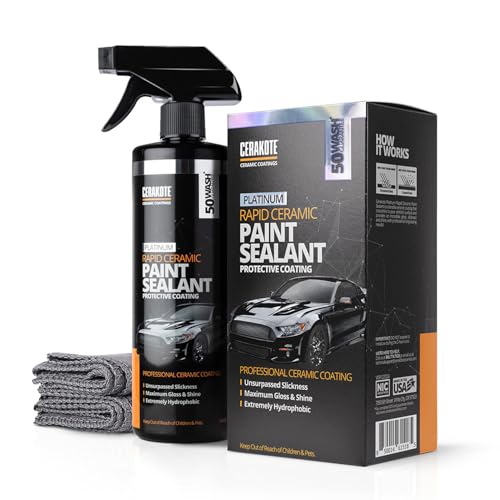
- Apply Protective Coatings: Modern ceramic coatings create a hard, glossy, and hydrophobic layer over your paint. This “sacrificial” layer prevents dirt, bird droppings, and tree sap from bonding to your clear coat. Water beads up and rolls off, taking dirt with it. A quality car wax or paint sealant offers similar, though less durable, benefits.
- Use Proper Washing Techniques: Washing your car incorrectly can create the very swirl marks you want to avoid. Use the “two-bucket method” (one for soapy water, one for rinsing your wash mitt) to prevent dragging trapped grit across the paint.
- Consider Paint Protection Film (PPF): For the ultimate defense, PPF is a transparent, self-healing film applied to high-impact areas of your car (like the front bumper, hood, and mirrors). It provides a physical barrier against rock chips, scratches, and stains.
- Park Smart: Whenever possible, park your car in a garage or under a covered structure. This protects it from direct sunlight, bird droppings, tree sap, and environmental fallout, keeping it clean for much longer.
- Address Contaminants Quickly: Don’t let harsh contaminants like bird droppings or bug splatter bake into your paint in the sun. Clean them off as soon as you spot them with a quick detailer spray and a microfiber towel to prevent permanent etching.
FAQs About what color car shows the least dirt
What color car hides scratches the best?
Silver is the best color for hiding minor scratches and swirl marks. Its high level of light reflectivity scatters light, making it difficult for the human eye to focus on small imperfections in the clear coat. White is also very effective at hiding these types of fine scratches for the same reason.
Does metallic paint hide dirt better than solid paint?
Yes, metallic paint generally hides dirt better than a solid color. The small metallic flakes (mica) embedded in the paint create a multi-toned, deeper finish that reflects light from various angles. This complexity helps to break up the flat surface, providing a camouflage effect for dust and light grime.
What is the most high-maintenance car color?
Black is, without a doubt, the most high-maintenance car color. It shows every particle of dust, pollen, and dried water spots in high contrast. It is also notoriously difficult for revealing swirl marks from washing and fine scratches, requiring immense effort to keep it looking flawless.
Does car color affect the inside temperature?
Yes, car color has a measurable impact on interior temperature. Lighter colors like white and silver reflect more solar radiation (a high albedo effect), which can result in a cabin temperature that is 10-15°F cooler than an identical car painted black. Black absorbs the most light energy, converting it into heat.
What color car has the highest resale value?
Neutral colors like white, black, gray, and silver consistently have the highest resale value. While not all of them are low-maintenance, they have the broadest appeal to the used car market. Extreme or niche colors like bright green or purple can depreciate faster due to a smaller pool of interested buyers.
Is a matte finish harder to keep clean?
Yes, a matte finish is significantly harder to keep clean and maintain than a gloss finish. The porous, non-reflective surface tends to hold onto oils, fingerprints, and dirt. It cannot be polished or waxed like a standard clear coat, and removing contaminants like bird droppings requires specialized cleaning products to avoid creating a permanent shiny spot.
What about red cars? Are they hard to keep clean?
Yes, bright and dark red cars are relatively hard to keep clean. While not as demanding as black, they still offer a high-contrast background for light-colored dust and pollen. Additionally, red pigments historically were more prone to UV degradation and fading over time, though modern paint technology has improved this significantly.
What is the best color for a car that sits outside?
Silver or gray are the best colors for a car that is parked outside. They offer the best all-around protection from the appearance of dirt, dust, rain spots, and bird droppings. Their resistance to showing minor scratches and ability to reflect heat also make them ideal for enduring outdoor conditions.
Does a white car look dirty faster than a black car?
It depends on the type of dirt. A white car will show dark mud and road grime faster than a black car. However, a black car will show light-colored dust, pollen, and hard water spots almost immediately, which are often more common than mud. Overall, black cars tend to look “dirty” more frequently than white cars.
Is champagne or beige a good color for hiding dirt?
Yes, champagne and beige are excellent colors for hiding dirt, especially in dusty or sandy environments. Much like silver and gray, these light, earthy tones are very close in color to common types of dust and light-colored dirt, allowing them to blend in seamlessly and keep the car looking cleaner for longer.
Final Thoughts
Choosing a car color is a big decision, and opting for one that minimizes your maintenance burden is a smart move. This guide has shown that the choice is about more than just aesthetics; it’s about applying the science of color and light to make your life easier. By understanding the principles of contrast and reflectivity, you can select a car that looks cleaner for longer, saving you time and money.
Here is a summary of the key takeaways:
- The Ultimate Low-Maintenance Colors: Silver and Gray are the undisputed champions for hiding dirt, dust, and minor scratches due to their mid-tone, low-contrast nature that camouflages common road grime.
- The Science of Concealment: A color’s ability to hide dirt depends on contrast. Mid-tones blend in with dirt, while very dark (black) or very light (white) colors make dust or mud stand out.
- Black is the Most Difficult: Black is the hardest color to keep clean. It acts as a high-contrast canvas for dust, pollen, and water spots, and it is infamous for showing swirl marks and scratches.
- White is a Strong Contender: White is excellent for hiding dust and swirl marks and keeps the car’s interior cooler, but it will show dark mud and road spray more than silver or gray.
- Finish Matters: Metallic and pearlescent finishes generally hide dirt better than solid colors due to their light-scattering properties. Matte finishes are the most difficult to maintain.
- Protection is Key: Regardless of color, you can significantly reduce dirt buildup and protect your paint by applying a ceramic coating or quality wax, which creates a hydrophobic, slick surface.
- Consider Your Environment: The best color can depend on your location. Beige and champagne excel in dusty, sandy areas, while gray is a powerhouse in rainy climates with lots of road spray.
Ultimately, choosing a low-maintenance color like silver, gray, or white is a practical decision that enhances your ownership experience. It frees you from the cycle of constant washing and allows you to enjoy a vehicle that maintains its visual appeal with minimal effort. Armed with this knowledge, you can now make a confident and informed choice for your next vehicle.
Last update on 2026-03-14 / Affiliate links / Images from Amazon Product Advertising API


![Being Sued for a Car Accident Your Complete Action Guide [year]](https://i0.wp.com/carxplorer.com/wp-content/uploads/2026/03/Being-Sued-for-a-Car-Accident-Your-Complete-Action-Guide-year-2.jpg?resize=60%2C60&ssl=1 "Being Sued for a Car Accident Your Complete Action Guide [year] 12")