Ever popped the hood and seen that strange, colorful, crusty buildup on your car’s battery terminals? You’re not alone. This common sight often raises immediate questions: Is my battery dying? Is it dangerous? And most importantly, what causes battery corrosion in a car in the first place?
The primary cause of battery corrosion is a chemical reaction where hydrogen gas, released from the battery’s sulfuric acid during normal operation, interacts with the metal terminals, moisture, and oxygen in the air, forming a crusty buildup. This guide will unpack the exact causes, helping you diagnose whether it’s a sign of normal aging or a more serious issue with your vehicle’s charging system.
Leveraging extensive analysis of established automotive patterns, this guide unpacks the five main culprits behind battery corrosion. We’ll explore everything from normal chemical processes to specific electrical faults, giving you the critical insights needed to understand, diagnose, and address the issue effectively.
Key Facts
- Primary Cause: The fundamental reason for corrosion is hydrogen gas, which is naturally vented from the battery’s sulfuric acid, reacting with the metal terminals and atmosphere.
- Positive Terminal Corrosion: A buildup of corrosion specifically on the positive (+) terminal is a classic symptom of the battery being overcharged, often due to a faulty alternator.
- Negative Terminal Corrosion: Conversely, corrosion appearing on the negative (-) terminal is frequently a sign of undercharging, which can be caused by frequent short trips or a high electrical load.
- Battery Age is a Factor: Evidence shows that as a car battery ages beyond the typical 3-to-5-year lifespan, its internal chemistry degrades, causing it to vent more gas and making corrosion significantly more likely.
- It Impedes Performance: The corrosive buildup acts as an electrical insulator, restricting current flow. This is a direct cause of a car struggling to start, having dim lights, or failing to start at all.
First, What Is Car Battery Corrosion? (And What to Look For)
Car battery corrosion is a crusty, powdery substance (typically white, green, or blue) formed by a chemical reaction between the battery’s sulfuric acid, the metal terminals, and gases released during operation. Ever popped the hood and seen that strange, colorful crust on your battery? Here’s what it actually is.

At its core, this buildup is the physical evidence of a chemical process. The hydrogen gas vented by the battery contains trace amounts of sulfuric acid. When this acidic gas meets the lead or copper of your battery terminals and combines with oxygen and moisture in the air, it crystallizes. This creates the non-conductive layer you see. Here are the key visual cues to look for:
- Appearance: A crusty, flaky, or powdery buildup that looks out of place on the otherwise clean metal.
- Common Colors: It can be a chalky white (lead sulfate), or a distinct blue or green (copper sulfate) if you have copper clamps.
- Location: The corrosion forms directly on and around the battery posts, the metal terminals that clamp onto them, and sometimes can spread to the ends of the battery cables.

Reason #1: The Fundamental Chemical Reaction and Gas Release
The primary cause is hydrogen gas, released during normal battery operation, reacting with sulfuric acid fumes, the metal terminals, and moisture in the air to form corrosive crystals. This process is a fundamental, and to some extent unavoidable, aspect of how a standard lead-acid car battery functions.
Here’s the breakdown:
Did you know a perfectly healthy battery still releases the gases that cause corrosion? It’s a normal part of the process. The key is understanding that this is the baseline cause, which can be accelerated by other factors. Here’s how it happens step-by-step:
- Gas Release: Your car’s lead-acid battery contains an electrolyte solution of sulfuric acid and water. As the alternator charges the battery, a chemical process called electrolysis occurs, which naturally releases small amounts of hydrogen gas through microscopic vents.
- Contact & Reaction: This hydrogen gas, carrying minute particles of sulfuric acid, escapes and makes contact with the metal battery terminals (typically made of lead) and cable clamps (often copper). It also mixes with oxygen and moisture present in the air under your hood.
- Crystal Formation: The acid reacts with the metal, causing it to oxidize and form crystals. If the reaction is with the lead post, it forms lead sulfate (the white powder). If your clamps are copper, this reaction forms the distinct blue/green copper sulfate.
- Visible Buildup: These tiny crystals accumulate over time, trapping more moisture and debris, which results in the visible, crusty corrosion that can disrupt your car’s electrical system.
Reason #2: Improper Charging (A Tale of Two Problems)
Overcharging often causes corrosion on the positive (+) terminal as the battery overheats and vents excess gas, while undercharging is a frequent cause of corrosion on the negative (-) terminal due to sulfate buildup. The location of the corrosion can tell you a lot about the health of your car’s charging system. It’s a powerful diagnostic clue that points to one of two distinct problems.
If you see corrosion building up on one terminal but not the other, it’s rarely a random occurrence. It’s your car giving you a hint about an underlying electrical issue that needs attention.
Pro Tip: If you see corrosion only on the negative terminal, think about your driving habits. Lots of short trips could be the culprit.
| Charging Issue | Common Cause | Where Corrosion Appears |
|---|---|---|
| Overcharging | Faulty alternator/voltage regulator | Positive (+) Terminal |
| Undercharging | Frequent short trips, high electronic load | Negative (-) Terminal |
A faulty alternator or voltage regulator can send too much voltage to the battery, causing it to overcharge. This makes the electrolyte inside heat up, expand, and sometimes even boil, forcing an excessive amount of corrosive hydrogen gas out of the vents. This gas aggressively attacks the positive terminal, leading to a rapid buildup of white, crusty corrosion.
On the flip side, if the alternator isn’t charging the battery enough, it leads to undercharging. This is common for people who take many short trips, as the alternator doesn’t have enough time to fully replenish the battery’s power. In an undercharged state, lead sulfate crystals build up on the battery’s internal plates and can also manifest as corrosion on the outside of the negative terminal.
Reason #3: Electrolyte Leaks from Damage or Overfilling
Cracks in the battery case, loose seals around the posts, or overfilling a refillable battery can cause the highly corrosive sulfuric acid electrolyte to leak directly onto the terminals, causing rapid corrosion. Unlike the slow, gassy venting that is part of normal operation, a direct liquid acid leak is a more serious issue that causes corrosion to appear much faster and often more severely.
Think of it like a leaky container. If the battery’s casing is compromised, the corrosive liquid inside will inevitably get out. This direct contact between the liquid sulfuric acid and the metal terminals is a recipe for aggressive corrosion. Look for these specific points of failure:
- Cracks in the Casing: Vibrations, age, or physical impact can cause small hairline cracks in the plastic body of the battery, allowing the acidic electrolyte to seep out.
- Loose Terminal Seals: Over time, the seals where the metal battery posts exit the plastic casing can degrade, weaken, or break, creating a pathway for acid to escape.
- Overfilling: Some batteries require maintenance where you add distilled water. If you have a refillable battery, adding too much water can raise the electrolyte level too high, causing the acidic mixture to push out through the vent caps during charging.
Reason #4: The Inevitable Factor of Battery Age
As a car battery ages beyond 3-5 years, its internal chemistry becomes less stable, causing it to release more hydrogen gas and making terminal corrosion a more common and expected occurrence. Time is a factor for every component in your vehicle, and the battery is no exception. While a new battery is efficient, an older one has to work harder and becomes less chemically stable.
Well-established research indicates most car batteries have a lifespan of 3 to 5 years. As they approach and surpass this age, the internal lead plates degrade and the electrolyte balance changes. This internal wear and tear means the battery can’t hold a charge as efficiently and tends to release more hydrogen gas during charging cycles than a newer battery would. This increased gassing directly leads to a higher likelihood of corrosion forming on the terminals. It’s a natural sign of aging.
How old is your car’s battery? If it’s over three years old, regular corrosion checks become even more important.
Reason #5: Environmental Conditions and Poor Connections
External factors like high heat, humidity, and road salt can accelerate corrosion, while loose or dirty battery connections can create heat and trap moisture, promoting buildup. Not every cause of battery corrosion is internal. The environment under your hood and the physical state of your connections play a huge role in how quickly corrosion can form.
High temperatures are a major catalyst, accelerating the chemical reactions inside the battery and leading to faster corrosion.
The area under the hood is already a hot place, and a summer heatwave can push the battery’s internal chemistry into overdrive. This is often why corrosion seems to appear or worsen during hot months. Other external factors include:
- Humidity: Moisture in the air is a key ingredient for corrosion. In humid climates, that moisture readily mixes with any sulfuric acid fumes vented from the battery, worsening the buildup on the terminals.
- Road Salt: For those in winter climates, the sodium chloride used to de-ice roads is highly corrosive. Salt spray can find its way into the engine bay and land on the battery terminals, dramatically speeding up the corrosive process.
- Loose or Dirty Connections: A loose battery cable clamp doesn’t make a solid electrical connection. This creates resistance, which generates excess heat right at the terminal. This heat accelerates the chemical reaction for corrosion. Furthermore, dirt and grime on the terminals can trap moisture, creating a perfect little micro-environment for corrosion to start and thrive.
Why You Can’t Ignore It: The Effects of Battery Corrosion
Battery corrosion is a problem because it acts as an insulator, restricting the flow of electricity. This leads to issues like difficulty starting the car, dim lights, and a shortened battery life. That crusty buildup isn’t just an ugly cosmetic issue; it’s a physical barrier that chokes off the electrical power your car needs to function.
If you’re turning the key and only hearing a ‘click’, a layer of unseen corrosion could be the silent culprit. Corrosion acts as an electrical insulator, blocking the essential flow of power from your battery to the rest of your vehicle. This resistance can lead to a cascade of frustrating and potentially damaging problems:
- Difficulty Starting Your Car: The starter motor requires a massive jolt of current to turn over the engine. Corrosion can prevent enough of that current from getting through.
- Dim Headlights & Flickering Electronics: A poor electrical connection caused by corrosion can lead to insufficient voltage for your car’s systems, showing up as dim or flickering lights and unstable electronic displays.
- A No-Start Condition: If the buildup becomes severe enough, it can completely block the flow of electricity, preventing your car from starting at all, leaving you stranded.
- Shortened Battery Lifespan: The restricted current flow makes both the battery and the alternator work harder to try and push power through. This constant strain can cause both components to wear out prematurely.
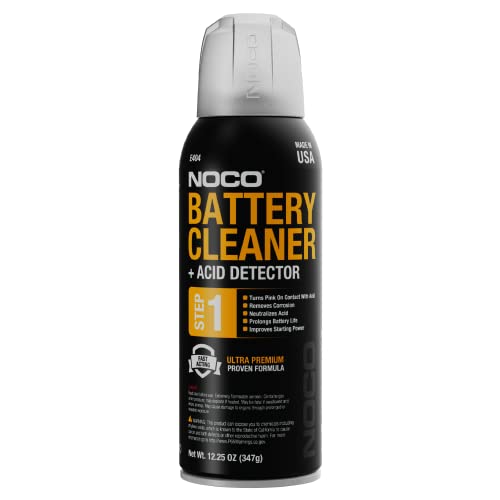
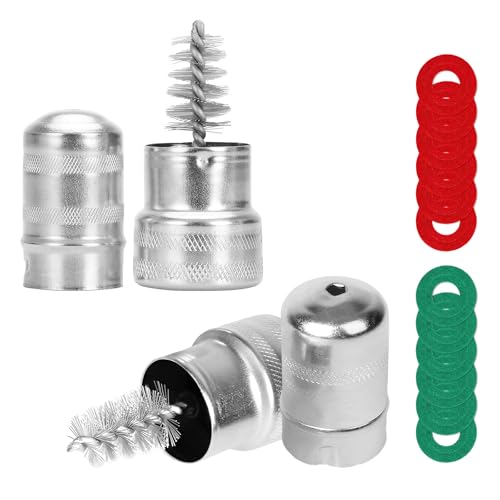
To effectively combat this issue, using a dedicated car battery terminal cleaner and protector kit can make the job easier and provide lasting prevention.





FAQs About what causes battery corrosion in a car
Here are answers to some of the most common questions about car battery corrosion.
Does car battery corrosion mean the battery is bad?
Not necessarily. Corrosion can happen on healthy batteries due to normal gassing or charging issues. However, excessive corrosion, especially on an older battery (3+ years), is a strong sign it’s nearing the end of its life. You should clean the corrosion and have the battery and charging system tested to know for sure.
What does blue corrosion on a battery mean?
Blue or green corrosion on a car battery typically indicates the formation of copper sulfate. This happens when the sulfuric acid fumes react with the copper clamps used for the battery terminals. While the cause is the same—leaking acid fumes—the color simply points to the specific metal involved in the reaction.
Is it safe to drive a car with battery corrosion?
While the corrosion itself isn’t flammable, driving with it is risky. It can cause poor electrical connections, leading to your car not starting and potentially leaving you stranded. It’s best to clean it promptly. The biggest danger is not fire but unreliability and the potential for vehicle failure at an inconvenient time.
How do I stop corrosion on my car battery?
To stop battery corrosion, regularly clean the terminals and cables, apply a specialized anti-corrosion spray or grease, and ensure your vehicle’s charging system is working correctly to avoid over or undercharging. Prevention is a combination of routine maintenance and addressing any underlying electrical faults.
Final Summary: Key Causes of Car Battery Corrosion
Understanding what causes battery corrosion in a car is the first and most critical step toward proper maintenance and preventing frustrating electrical problems. It’s rarely a random event; it’s a symptom that tells a story about your battery’s health, its age, and your car’s charging system. By recognizing the signs, you can move from simply reacting to a no-start situation to proactively managing your vehicle’s health.
To recap, the primary causes you should always check for are:
* The normal chemical reaction of a battery venting hydrogen gas.
* Overcharging (check the positive terminal) or undercharging (check the negative terminal).
* Physical leaks from cracks or bad seals in the battery casing.
* Simple old age, especially in batteries over three years old.
* External factors like extreme heat, humidity, or a loose connection.
Now that you know what causes battery corrosion, pop the hood and take a look. What you see can tell you a lot about your car’s health.
Last update on 2026-04-10 / Affiliate links / Images from Amazon Product Advertising API