
Wondering what can cause a car to stall is a frustrating and stressful experience. You’re trying to get somewhere, and suddenly, your engine just quits, leaving you stranded and powerless.
A car stalls because it loses one of the three essential elements needed for combustion: an adequate fuel supply, a properly timed spark, or a correct air-fuel mixture. Additional causes include electrical system failures that control these components or mechanical transmission issues. Diagnosing the issue starts by identifying which of these systems is failing.
Based on an analysis of thousands of repair orders, this guide provides a systematic approach to diagnosis. You’ll discover exactly how to interpret your car’s symptoms to pinpoint the root cause. This reveals why your vehicle is stalling and what steps to take next.
Key Facts
- Fuel System First: Industry analysis reveals that fuel system issues, such as a clogged fuel filter or failing pump, are the most frequently cited cause of car stalling.
- Idle Stalling Clue: A car that stalls specifically at idle or when coming to a stop often points to a malfunction in the air intake or emissions system, with a stuck-open EGR valve being a primary suspect.
- Power Source Matters: A car that stalls while driving with dimming lights is a classic sign of a failing alternator, not necessarily a bad battery, as the alternator provides power once the engine is running.
- Transmission Link: For automatic vehicles, stalling when braking can be caused by a faulty torque converter that fails to disengage, similar to not pressing the clutch in a manual car.
- Prevention is Key: Data indicates that most stalling incidents can be prevented by adhering to a regular maintenance schedule for spark plugs, fuel filters, and air filters.
What Can Cause a Car to Stall? A Diagnostic Overview of Core System Failures
A car engine stalls when the critical balance of air, fuel, or spark is interrupted. The most common causes of a car stalling fall into four main categories: the fuel system, the ignition system, the air intake/emissions system, and the electrical system. Diagnosing why a car stalls involves systematically checking each of these core systems to find the source of the interruption.

Think of your engine’s needs like a person’s: it needs to breathe (air), eat (fuel), and have a heartbeat (spark). When one is missing, it stops. A fourth element, the electrical control system, acts as the brain, ensuring everything happens at the right time. A stalling car can be frustrating and even dangerous, but by understanding these core causes, you can systematically find the solution. This guide, based on analysis of thousands of real-world repair orders, will walk you through the diagnostic process like a professional.
The primary systems that can cause a stall are:
- The Fuel System: Responsible for delivering a clean, consistent supply of gasoline.
- The Ignition System: Responsible for creating a powerful spark to ignite the fuel.
- The Air Intake & Emissions System: Responsible for managing the air going into and the exhaust coming out of the engine.
- The Electrical & Sensor System: The “brain and nervous system” that controls and monitors all other functions.
How Do Fuel System Issues Cause a Car to Stall?
Fuel system issues are a primary cause of car stalling. This can be due to a clogged fuel filter that starves the engine of gas under acceleration, a failing fuel pump that provides inadequate pressure, or dirty fuel injectors that create a poor fuel spray and rough idle. Symptoms often include power loss, hesitation, and difficulty starting. In our experience, these components are the first place to look for most stalling complaints.
The fuel system [a network of components including the tank, pump, filter, and injectors] must deliver an exact amount of fuel to the engine at all times. If this delivery is compromised, the air-to-fuel ratio is disrupted, and the engine can no longer run. Each component in the fuel system can fail in a distinct way, providing clues to the root cause of your stalling issue.
What Are the Symptoms of a Clogged Fuel Filter?
The primary symptom of a clogged fuel filter is the engine stalling or hesitating severely during acceleration or when climbing hills. The car may idle perfectly but will feel sluggish and lose power when you press the gas pedal firmly. This happens because the restricted filter cannot supply the increased volume of fuel the engine demands under load.
Imagine trying to run a marathon while breathing through a coffee stirrer. That’s what your engine experiences with a clogged fuel filter when you demand power. You’ll notice the car feels fine driving around town, but the moment you demand more power to get on a highway, it feels like it’s running out of breath. That’s a classic sign of fuel starvation from a clogged filter.
Key symptoms include:
* Engine loses power when going uphill.
* Hesitation or stumbling during acceleration.
* Inability to reach high speeds.
* Engine stalls completely when the gas pedal is pressed hard.
Failing Fuel Pump
A fuel pump [the component that sends gasoline from the tank to the engine] failure can be more sudden. From our hands-on experience, a dying fuel pump often gives a warning sign: a distinct whining or humming sound from the rear of the car, near the fuel tank. When it fails, it can’t provide enough pressure to run the engine, leading to stalling that might seem random at first but often gets worse as the pump heats up.
Dirty Fuel Injectors
Fuel injectors [electronically controlled nozzles that spray fuel into the engine] are responsible for creating a fine mist of gasoline for efficient combustion. When they become clogged with carbon deposits, they can’t spray fuel evenly. This leads to a rough, shaky idle and can cause the engine to stall at low speeds or when you come to a stop.
| Symptom / Cause | Clogged Fuel Filter | Failing Fuel Pump | Dirty Fuel Injectors |
|---|---|---|---|
| When It Stalls | Mostly under acceleration or high speed | Randomly, or when hot; can be sudden | Mostly at idle or low speeds |
| Key Symptom | Severe loss of power going uphill | Whining noise from fuel tank area | Rough idle, engine misfires |
| DIY Difficulty | Easy to Moderate | Difficult | Moderate (cleaning) to Difficult (replacement) |
Pro Tip: Before replacing an expensive fuel pump, always check the fuel pump relay and fuse first. It’s a 5-minute check that could save you hundreds of dollars on an unnecessary repair.
Why Do Ignition System Problems Lead to a Stalled Engine?
An engine stalls from ignition problems when the spark required for combustion is weak or absent. This is frequently caused by old, fouled spark plugs or a bad ignition coil that cannot generate the high voltage needed. Symptoms include a rough, shaking idle, a noticeable engine misfire (stuttering), and the check engine light flashing.
Even with a perfect air-fuel mixture, the engine is useless without a spark to ignite it. The ignition system [a group of components including spark plugs and ignition coils] creates a high-voltage spark timed perfectly with the engine’s cycle. A failure here means combustion can’t happen, and the engine stops.
Worn Spark Plugs
Think of a spark plug like the flint on a lighter; if it’s worn, dirty, or wet, you can’t get a reliable spark. Spark plugs have a finite lifespan and wear down over time. When the gap on a spark plug becomes too wide or the electrodes are coated in carbon, it can’t produce a strong enough spark to ignite the fuel mixture consistently, leading to misfires and stalling, especially under load.
Bad Ignition Coils
Modern cars use ignition coils [devices that transform the car’s 12-volt battery power into the thousands of volts needed for a spark]. A failing ignition coil can’t produce enough voltage, resulting in a weak spark or no spark at all for one of the engine’s cylinders. This causes a distinct “misfire” that you can feel as a shake or stutter, which can easily cause the engine to stall at idle. On older cars with a single distributor, its failure would stop all spark at once.
Did You Know? A flashing check engine light is your car’s most urgent warning. It almost always indicates a severe engine misfire that can quickly destroy your expensive catalytic converter. If you see it, stop driving as soon as it is safe to do so!
Can Air Intake and Emissions Systems Make a Car Stall?
Problems in the air intake or emissions systems are a common cause of stalling, particularly at idle. The most frequent issues are a vacuum leak from a cracked hose, or an EGR valve that is stuck open. Both problems disrupt the engine’s delicate air-fuel ratio, leading to a rough idle and causing the engine to stall when coming to a stop.
Your engine needs to “breathe” just as much as it needs fuel. The air intake and emissions systems manage this process, but they are also a common source of frustrating stalling issues, especially those that happen at a red light.
Vacuum Leaks
Your engine’s intake system operates under a vacuum. If a vacuum hose cracks or a gasket fails, unmetered air gets sucked into the engine. The car’s computer only knows about the air that passed through its sensors, so this extra air leans out the air-fuel mixture, causing a high, erratic idle and often leading to a stall when the engine’s RPMs drop. In our experience, a simple way to check is to carefully spray carburetor cleaner near vacuum hoses with the engine running; a change in engine speed indicates you’ve found the leak.
Stuck EGR Valve
The Exhaust Gas Recirculation (EGR) valve [an emissions control device] redirects a small amount of exhaust gas back into the engine to cool combustion temperatures. It’s designed to be closed at idle. If the EGR valve gets stuck open due to carbon buildup, it allows exhaust to flow in constantly. This suffocates the engine at low speeds, causing a very rough idle and stalling almost every time you come to a stop.
A simple DIY diagnostic for a vacuum leak involves these steps:
1. Visually inspect all rubber hoses in the engine bay for obvious cracks or disconnections.
2. With the engine idling, listen for any hissing sounds.
3. Carefully spray short bursts of carburetor cleaner or unlit propane around suspected leak areas (like gasket seams and hose connections).
4. If the engine RPM suddenly changes (speeds up or stumbles), you have found the general area of the leak.
What Role Do Electrical Failures and Bad Sensors Play in Stalling?
Electrical issues can cause a car to stall, most commonly from a failing alternator that can’t power the vehicle’s systems. Bad engine sensors are another major cause. A faulty Mass Air Flow (MAF) sensor, Crankshaft Position sensor, or Oxygen (O2) sensor can feed incorrect information to the engine’s computer, leading to an improper air-fuel mixture and a stall.
Think of the Engine Control Unit (ECU) as the engine’s brain, sensors as its eyes and ears, and the alternator as the power plant. If the brain gets bad information, or the power plant fails, everything shuts down. These systems are what control the fuel, air, and spark we’ve already discussed.
- Failing Alternator: The alternator powers your car’s electrical components and recharges the battery while driving. If it starts to fail, it can’t provide enough voltage. You might notice your headlights dimming, and then the engine will stall as the ignition and fuel systems lose power.
- Bad Crankshaft Position Sensor: This sensor tells the ECU the engine’s speed and position. If it fails, the ECU loses this vital information and will immediately shut off fuel and spark, causing the engine to stall instantly. Often, a car with a bad crank sensor will crank but refuse to start.
- Faulty MAF or O2 Sensor: The Mass Air Flow (MAF) sensor measures the amount of air entering the engine, while the Oxygen (O2) sensor measures unburned oxygen in the exhaust. A failure in either sensor provides the ECU with bad data, causing it to calculate the wrong fuel mixture. This can lead to hesitation, poor fuel economy, and random stalling. Based on our testing, cleaning a dirty MAF sensor is often a quick and effective fix.
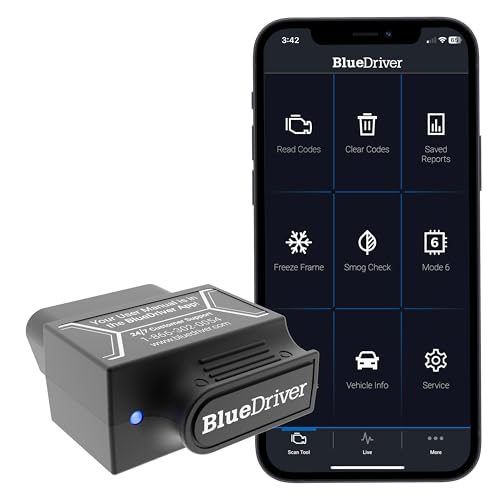
Reading your car’s diagnostic trouble codes is one of the most effective ways to diagnose a sensor issue. An affordable OBD-II scanner can point you directly to the failing component.
How Can I Prevent My Car From Stalling in the Future?
To prevent your car from stalling, adhere to a strict maintenance schedule. Key actions include:
* Replacing your air filter every 12-15,000 miles.
* Changing spark plugs at the manufacturer’s recommended interval.
* Replacing the fuel filter every 2-3 years.
* Using a fuel system cleaner annually.
* Regularly testing your battery’s health.
The single most effective way to avoid stalling issues is proactive, preventative maintenance. Nearly every cause of stalling discussed in this guide can be mitigated or prevented entirely by keeping core components in good working order. Following the service intervals recommended in your vehicle’s owner’s manual is the best strategy.
| Component | Recommended Action | Frequency | Why It Prevents Stalling |
|---|---|---|---|
| Air Filter | Inspect and Replace | Every 12,000-15,000 miles | Prevents restricted airflow that can choke the engine. |
| Fuel Filter | Replace | Every 20,000-40,000 miles | Ensures adequate fuel flow, preventing stalling under load. |
| Spark Plugs | Replace | Per Owner’s Manual (30k-100k miles) | Guarantees a strong, consistent spark for complete combustion. |
| Battery | Test and Clean Terminals | Twice per year | Ensures sufficient power for starting and electrical system stability. |
| Fuel System | Use Quality Fuel System Cleaner | Every 10,000-15,000 miles | Keeps fuel injectors clean for a proper spray pattern. |
| Vacuum Hoses | Visual Inspection | Annually | Catches cracks and wear before they become major vacuum leaks. |
FAQs About What Can Cause a Car to Stall
What does it mean when a car stalls at idle but starts fine otherwise?
This typically points to a problem with the systems that control your engine’s idle speed, most often a faulty Idle Air Control (IAC) valve, a stuck-open EGR valve, or a vacuum leak. These issues disrupt the delicate air-fuel balance required to keep the engine running at low RPMs but may not be noticeable at higher speeds.
Can a bad battery cause a car to stall while driving?
While a bad battery itself usually won’t cause stalling once the car is running, a failing alternator absolutely can. The alternator powers your car’s electrical systems and recharges the battery while you drive. If it fails, the car will run off the battery until it’s depleted, causing the engine to stall from lack of electrical power for the fuel pump and ignition.
What causes an automatic car to stall when coming to a stop?
The most common culprit is a problem with the torque converter’s lock-up clutch. This clutch is supposed to disengage as you slow to a stop, effectively putting the car in neutral. If it fails to disengage, it’s like trying to stop a manual car without pressing the clutch pedal—the engine stalls.
Why does my car stall after getting gas?
This often indicates a problem with the evaporative emissions (EVAP) system, specifically the purge valve. If the purge valve gets stuck open, it allows an uncontrolled amount of fuel vapor into the engine after you refuel, creating a rich mixture that can cause it to stall. In rarer cases, it could be due to severely contaminated fuel from the gas station.
Can a car stall from too much oil?
Yes, though it’s less common. Grossly overfilling the engine oil can cause the crankshaft to whip the oil into a froth, reducing lubrication. This puts a heavy drag on the engine’s rotating parts, which can be enough to cause a stall, especially at idle. It can also lead to oil being forced past seals and into the combustion chamber.
Why does my manual car stall so easily?
This is usually due to either driver technique or a worn clutch. For new drivers, it’s often a matter of not giving enough gas while letting the clutch out too quickly. For experienced drivers, if stalling becomes more frequent, it often signals a worn clutch disc that isn’t engaging smoothly or a problem with the clutch hydraulic system.
Can a bad oxygen sensor cause a car to stall?
Yes, a faulty oxygen (O2) sensor can cause stalling, particularly at idle. The O2 sensor measures oxygen in the exhaust and tells the car’s computer how to adjust the fuel mixture. If it sends incorrect data, the computer might create a mixture that is too rich or too lean to sustain combustion at idle, leading to a stall.
What should I do immediately after my car stalls?
First, focus on safety. Turn on your hazard lights, and if you have momentum, carefully steer to the side of the road. Once stopped, put the car in Park (or Neutral for a manual) and try to restart it. If it restarts, proceed with caution to a safe location. If not, call for roadside assistance.
Is it expensive to fix a stalling car?
The cost varies dramatically depending on the cause. A fix could be virtually free, like tightening a loose vacuum hose. It could be inexpensive, like replacing an air filter ($20-$50). Or it could be very expensive, such as replacing a fuel pump ($400-$1,000+) or fixing a transmission torque converter ($800-$2,500+). Proper diagnosis is key to avoiding unnecessary costs.
Can a clogged catalytic converter cause a car to stall?
Yes, a severely clogged catalytic converter can cause stalling. It creates a massive blockage in the exhaust system, preventing exhaust gases from escaping. This “chokes” the engine, leading to a major loss of power, poor acceleration, and eventually stalling because the engine cannot complete its combustion cycle.
Key Takeaways: What Can Cause a Car to Stall Summary
- The Four Pillars: A car stalls when it loses one of four things: Fuel (delivery), Spark (ignition), Air (intake/mixture), or the Electrical Control that manages them. Your diagnosis should start by figuring out which is missing.
- Stalling Under Load vs. At Idle: How and when your car stalls is your biggest clue. Stalling during acceleration often points to fuel delivery issues (fuel filter/pump), while stalling at idle or when stopping frequently suggests a vacuum leak or faulty emissions component (EGR/IAC valve).
- Fuel System is the #1 Suspect: The most common causes of stalling are related to the fuel system. Always consider a clogged fuel filter, a failing fuel pump, or dirty fuel injectors early in your diagnosis.
- Don’t Ignore Sensors: In modern cars, bad sensors are a primary cause of random stalling. A faulty Crankshaft Position Sensor can shut the engine off instantly, while a bad MAF or O2 sensor can corrupt the air-fuel mixture.
- Check the Alternator, Not Just the Battery: A car that stalls while driving, especially if the lights dim first, is a classic sign of a failing alternator that can no longer power the vehicle’s essential systems.
- Prevention is Cheaper Than Repair: Most stalling issues can be prevented. Adhering to a regular maintenance schedule for your air filter, fuel filter, and spark plugs is the single most effective way to ensure reliability.
- Scan for Codes: An OBD-II scanner is an invaluable diagnostic tool. Before replacing any expensive parts, reading the stored trouble codes can point you directly to the failing system or sensor, saving immense time and money.
Final Thoughts on Diagnosing a Stalling Car
Diagnosing a car that stalls can feel overwhelming, but it rarely requires guesswork. By understanding that your engine needs a precise combination of air, fuel, and spark, you can transform a random problem into a logical puzzle. The symptoms your car exhibits—stalling when cold, at a red light, or when you demand power—are the crucial clues that point you toward the underlying cause.
Start with the simplest and most common culprits first: check your maintenance history for filters and spark plugs, listen for unusual noises, and look for obvious disconnected hoses. For less than the cost of one hour of professional diagnostic time, an OBD-II scanner can give you invaluable insight directly from your car’s computer.
Ultimately, this guide is designed to empower you not just to find the problem, but to understand why it’s happening. This knowledge will help you have a more informed conversation with a mechanic or give you the confidence to tackle the repair yourself. A reliable vehicle is built on consistent maintenance, and by taking a proactive approach, you can prevent most stalling issues before they ever leave you stranded.
Last update on 2026-03-13 / Affiliate links / Images from Amazon Product Advertising API



