
Has your car ever shut off while driving, leaving you stranded and stressed? It’s a frightening experience that turns a normal drive into an emergency. You’re left wondering what went wrong and how to handle a vehicle that has lost all power.
A car shutting off while driving is most often caused by a failure in one of three critical systems: the fuel system (e.g., a bad fuel pump or clogged filter), the electrical system (e.g., a failing alternator or faulty ignition switch), or the engine management system (e.g., a bad crankshaft position sensor). These issues prevent the engine from receiving the necessary fuel, spark, or timing information to continue running.
Based on an analysis of thousands of repair scenarios, this guide provides a systematic approach to understanding this dangerous problem. You will learn the immediate safety steps to take and discover how to diagnose the issue, from the most common culprits to less frequent mechanical failures.
Key Facts
- Safety First Priority: Losing engine power means you also lose power steering and power brakes, requiring significantly more physical effort to control the vehicle, as highlighted by multiple roadside emergency safety procedures.
- Alternator vs. Battery: A car that dies while running is almost always caused by a failing alternator. A bad battery typically prevents the car from starting in the first place, a key distinction in diagnostics.
- The #1 Sensor Culprit: The Crankshaft Position Sensor (CKP) is the single most common sensor to cause an abrupt engine shutdown, as it provides the engine’s computer with its most critical data: engine speed and position.
- Codes Are Clues: The appearance of a Check Engine Light before a stall is your car’s way of telling you it has stored a Diagnostic Trouble Code (DTC). An OBDII scanner is the most effective tool to retrieve this vital information.
- Maintenance Matters: Industry analysis reveals that sticking to a preventative maintenance schedule, especially for the fuel filter, oil, and battery, can prevent a majority of the common issues that lead to engine stalling.
What Can Cause a Car to Shut Off While Driving?
A car can shut off while driving due to four main categories of failure: fuel delivery issues, electrical system problems, sensor malfunctions, or critical mechanical failure. An engine needs a precise mixture of fuel, air, and a spark at the right time to run. When any part of that chain is broken, the engine will stall. The most common reasons include a faulty fuel pump that starves the engine of gas, a failing alternator that can no longer power the vehicle’s electronics, or a bad crankshaft position sensor that stops sending vital timing data to the car’s computer.

Understanding these systems is the first step to a successful diagnosis. Fuel issues often give warning signs like sputtering, while electrical failures can be more abrupt. Sensor failures are often invisible without the right diagnostic tools. This guide will walk you through each possibility, helping you pinpoint the problem.
Key Questions Answered In This Article:
* What are the immediate, critical safety steps to take?
* How can I tell if it’s the battery or the alternator?
* What are the signs of a failing fuel pump vs. a clogged filter?
* Which sensor failure is the most common cause of stalling?
* Can a mechanical problem like low oil cause a shutdown?
What Should You Do Immediately If Your Car Shuts Off While Driving?
Your absolute first priority is to get the vehicle to a safe location off the roadway. Handling a car without power is challenging and requires calm, decisive action. Here is the standard operating procedure recommended by safety experts.
- Turn on Hazard Lights: Immediately activate your four-way flashers. This is the universal signal for distress and is the most important first step to alert other drivers that you have a problem.
- Shift to Neutral (N): This disengages the engine from the wheels. It ensures that if the engine tries to seize, it won’t cause the drive wheels to lock up, which could lead to a skid.
- Steer Firmly to Safety: Grip the steering wheel with both hands and begin steering toward the nearest shoulder or breakdown lane. Be prepared: without the engine running, your power steering will be gone. It will feel incredibly heavy, requiring 3-4 times the normal effort to turn.
- Brake Early and Hard: Just like the steering, your power brakes will not work. You will still have braking ability, but you must press the brake pedal much harder and earlier than you normally would to slow the vehicle down.
- Attempt a Restart Only When Safely Stopped: Do not try to restart the car while you are still moving. Once you are completely stopped and safely off the road, you can put the car in Park (P) and try to restart it. If it doesn’t start, don’t keep cranking, as this can drain the battery.
- Call for Roadside Assistance: If the car won’t restart or you are unsure of the cause, it is safest to call for a tow. A stalled car on the side of the road, especially a highway, is in a dangerous position.
Why Do Fuel Delivery Issues Cause Engine Stalling?
Fuel delivery issues are a primary cause of engine stalling because an engine requires a constant, pressurized supply of gasoline to run. If the fuel pump fails, the fuel filter becomes clogged, or the fuel injectors are blocked, the engine is starved of fuel. This “fuel starvation” prevents combustion, causing the engine to shut down, often after sputtering or losing power.
Think of your car’s fuel system like a garden hose. The fuel tank is the water source, the fuel pump is the spigot providing pressure, the fuel filter is the hose itself, and the fuel injectors are the spray nozzle. A problem at any point in that line means the engine doesn’t get the fuel it needs. The Engine Control Module (ECM), the engine’s brain, commands these injectors, but it can’t do its job without fuel to spray.
What Are the Signs of a Failing Fuel Pump?
A failing fuel pump often gives several warning signs before it quits completely. Diagnosis is typically confirmed with a professional fuel pressure gauge test. The key signs of a failing fuel pump [a component powered by the electrical system] include:
- 🔊 A Constant Whining or Humming Noise: You may hear a distinct, high-pitched whine coming from the rear of the car, where the fuel tank and pump are located.
- 🚗 Engine Sputters or Surges: The car may sputter at high speeds or feel like it’s surging and losing power intermittently as the pump struggles to maintain pressure.
- 🤔 Difficulty Starting: The car might take longer than usual to start because the pump isn’t building up enough pressure in the fuel lines.
- 📈 Sudden Loss of Power: You might experience a significant loss of power when accelerating, climbing a hill, or towing, as the engine’s demand for fuel outstrips what the weak pump can supply.
A classic symptom is when a car shuts off while driving but starts back up after it has had time to cool down. This often indicates an overheating fuel pump, a sign of impending failure.
How Does a Clogged Fuel Filter Cause Stalling?
A clogged fuel filter causes stalling by creating a bottleneck that restricts the flow of gasoline to the engine. Think of it like trying to drink a thick milkshake through a tiny, clogged straw. While enough fuel might get through for the engine to idle or run at low speeds, the moment you demand more power by accelerating, the engine is starved of fuel and will sputter and die.
The most common symptom is a noticeable loss of power during acceleration or when driving up hills, eventually leading to a stall. This is a critical part of the preventative maintenance schedule, as a neglected fuel filter is a common and inexpensive fix for stalling problems. A severely clogged fuel filter can also overwork the fuel pump, causing it to fail prematurely.
How Can Charging & Electrical System Problems Cause a Shutdown?
The car’s charging system, led by the alternator, powers every electrical component while the engine is running, including the fuel pump and ignition system. If the alternator fails, the car’s electronics are forced to run solely off the battery’s stored power. The battery will drain until it’s empty, at which point the engine will shut off.
Think of your car’s electrical system like a smartphone. The battery is the phone’s internal battery, and the alternator is the wall charger. You can run the phone with the charger plugged in, but if you unplug it, you are running on borrowed time. A faulty ignition switch can also cut power abruptly, mimicking the effect of turning the key off.
How Can You Tell if it’s the Battery or Alternator?
This is one of the most common diagnostic questions. While their symptoms can seem similar, there is a key difference. A bad battery usually prevents the car from starting. A bad alternator causes a running car to die. Here is a differential diagnosis chart used by technicians:
| Symptom / Test | Bad Battery | Bad Alternator |
|---|---|---|
| Stalling Condition | Rarely causes stalling while driving. Prevents car from starting. | Common cause of stalling while driving. |
| Warning Light | May or may not have a battery light. | Often triggers a Battery/ALT/Charge light. |
| Headlight Behavior | Headlights are dim or don’t work before starting. | Headlights are bright, then dim progressively as the car dies. |
| Restart Attempt | Clicking sounds (clicking sound when trying to restart stalled car), or nothing happens. | May restart after a jump, but will die again shortly after. |
| Voltage Test (Car Off) | Below 12.4 volts. | Can be above 12.4 volts (if recently charged). |
| Voltage Test (Car On) | Voltage will be ~13.7-14.7V (if alternator is working). | Voltage will be below 13.0V and dropping. |
The Bottom Line: If your car died while you were driving, the alternator is the prime suspect. A multimeter voltage reading is the definitive way to test the charging system.
Why Does a Bad Ignition Switch Cause Stalling?
A bad ignition switch causes stalling because it physically breaks the electrical circuit that powers the fuel pump, ignition system, and Engine Control Module (ECM). The ignition switch isn’t just the place you put your key; it’s an electrical component behind the lock cylinder. Over time, the internal contacts can wear out.
Even a small bump in the road or the vibration from the engine can be enough for a worn switch to lose contact for a split second. This instantly cuts power to all critical systems, shutting off the engine as effectively as if you had turned the key to the “off” position. A notoriously heavy keychain can accelerate this wear over years, making it a surprising but real cause of intermittent stalling.
What Sensor Malfunctions Can Instantly Shut Off an Engine?
Critical engine sensors act as the “eyes and ears” for the car’s computer, the Engine Control Module (ECM). If a key sensor like the Crankshaft Position Sensor fails, the ECM loses the most vital information it needs—engine speed and position. As a failsafe, the ECM will immediately shut off the fuel and spark, stopping the engine instantly to prevent damage. These failures are often “invisible” without retrieving the OBDII diagnostic codes with a scanner.
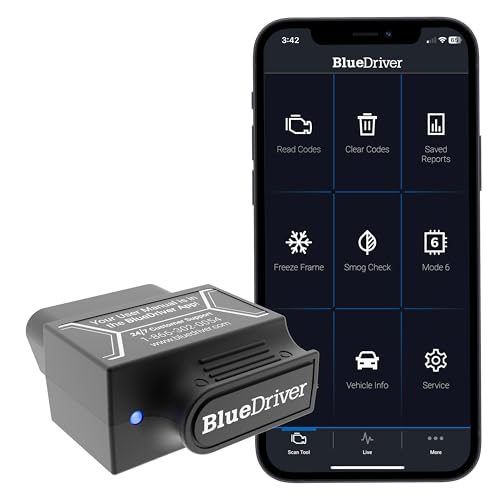
The most common sensor culprits are:
* Crankshaft Position Sensor (CKP): The number one cause. The engine computer loses its timing reference and shuts down.
* Mass Air Flow (MAF) Sensor: A severe failure can cause a wildly incorrect air reading, leading to a stall.
* Throttle Position Sensor (TPS): A faulty TPS can confuse the computer about driver demand, causing stalls, especially when slowing down.
Why is a Bad Crankshaft Position Sensor the #1 Culprit?
A bad crankshaft position sensor is the top cause of a car stalling while driving because it provides the two most critical pieces of data to the engine computer: engine speed (RPM) and the exact rotational position of the crankshaft. Without this signal, the computer cannot correctly time the ignition spark or the fuel injector pulses. It essentially thinks the engine has stopped, so it cuts all fuel and spark as a failsafe.
This results in an abrupt engine shutdown, often with no sputtering or warning. A classic symptom of a failing CKP sensor is heat sensitivity. Often, the sensor works when the engine is cold but fails as it heats up from normal operation. If your car stalls after 20 minutes of driving but starts again after it cools down, the CKP sensor is a prime suspect. The Check Engine Light will usually illuminate and store a specific trouble code.
Can Mechanical Engine Issues Cause a Sudden Shutdown?
Yes, while less common than fuel or electrical faults, severe mechanical issues can cause a sudden shutdown. These are often the worst-case scenarios and are typically preceded by loud noises or other dramatic warning signs that should never be ignored. They represent a catastrophic failure of the engine’s core components.
The most common mechanical failures leading to a stall are:
- Severe Overheating: If the engine cooling system fails and the engine overheats to an extreme degree, metal parts can expand so much that they bind together and seize, stopping the engine cold. This would be preceded by the temperature gauge being in the red zone.
- Total Loss of Oil Pressure: If the engine runs out of oil or the oil pump fails, there is no lubrication for the moving parts. This causes metal-on-metal friction, which will quickly cause the engine’s bearings to fail and the engine to seize. An oil pressure warning light would be on before this happens.
- Broken Timing Belt or Chain: The timing belt or chain synchronizes the top half of the engine with the bottom half. Think of it like the chain on a bicycle. If it snaps, the connection is lost, and the engine stops instantly, often causing catastrophic internal damage.
FAQs About what can cause a car to shut off while driving
Why does my car shut off when I slow down or stop?
This issue is most commonly caused by a faulty Idle Air Control (IAC) valve or a dirty throttle body. These components are responsible for managing the engine’s idle speed. When they fail or get dirty, the engine can’t get the right amount of air to stay running at low RPMs, causing it to stall when you take your foot off the accelerator.
Can low oil cause an engine to shut off while driving?
Yes, but it is an extreme and rare scenario that causes engine seizure. If the oil level is so low that the oil pump sucks in air, the engine loses all oil pressure. To prevent catastrophic damage, safety systems in modern cars may shut down the engine. This would be preceded by a flickering or solid oil pressure warning light and likely loud knocking noises.
My car shuts off but starts right back up. What could it be?
This classic symptom often points to a failing Crankshaft Position Sensor (CKP) or a faulty ignition switch. The CKP sensor can fail when it gets hot and then work again once it cools down. Similarly, a worn ignition switch can lose electrical contact for a moment due to a bump or vibration and then regain it, allowing the car to be restarted immediately.
What should I check first if my car stalls?
First, ensure your safety by pulling over. Once stopped, check the two most basic things: your fuel gauge and your battery connections. A surprising number of stalls are simply due to an empty gas tank. After that, check that the battery terminals are clean and tight. A loose connection can interrupt power and shut the car down.
Can a vacuum leak cause my car to shut down?
Yes, a large enough vacuum leak can cause a stall. The engine’s computer expects a specific air-to-fuel ratio. A significant leak introduces a large amount of unmetered air, which throws this ratio off dramatically. The computer can’t compensate, leading to a very rough idle and eventual stalling, especially when coming to a stop.
Will a bad Mass Air Flow (MAF) sensor cause a stall?
Yes, a faulty MAF sensor can definitely cause a car to stall. The MAF sensor’s job is to tell the car’s computer exactly how much air is entering the engine. If it provides a wildly inaccurate reading, the computer will command the wrong amount of fuel. This severe air-fuel mixture imbalance can easily cause the engine to sputter and die.
Why did my check engine light come on and then the car died?
This indicates the engine’s computer (ECM) detected a critical fault right before the shutdown. A flashing check engine light signals a severe engine misfire, which could be from a failed crankshaft sensor or ignition coil. A solid light could point to many faults that led to the stall. The stored trouble code is your best clue for diagnosis.
Can a bad transmission cause a car to shut off?
Yes, particularly in automatic transmissions. A faulty torque converter clutch solenoid can cause the torque converter to remain locked as you slow to a stop. This is mechanically the same as trying to stop a manual transmission car without pushing in the clutch—it will force the engine to stall.
What happens to my steering and brakes when the engine dies?
Your power steering and power brakes will immediately stop working. Both systems use power generated by the running engine to make steering and braking easy. You can still steer and brake, but it will require significantly more physical force. You must grip the wheel firmly and push the brake pedal much harder and earlier than usual.
How can I prevent my car from stalling?
The best prevention is consistent, preventative maintenance. Regularly change your oil, fuel filter, and air filter according to your manufacturer’s recommended schedule. Pay immediate attention to any warning lights on your dashboard and don’t ignore early symptoms like engine sputtering or rough idling. This proactive approach prevents most common stalling issues.
Key Takeaways: Why Your Car Shuts Off While Driving
- Safety First, Always: If your car shuts off, your immediate priority is to get to the shoulder safely. Turn on your hazards, shift to neutral, and be prepared for heavy steering and braking.
- Think Fuel, Electrical, and Sensors: Nearly all stalling issues trace back to one of these three systems. The engine is missing either fuel (bad pump/filter), spark/power (bad alternator/switch), or critical information (bad sensor).
- The Crankshaft Sensor is a Prime Suspect: A faulty Crankshaft Position Sensor (CKP) is the single most common reason for a car to shut off abruptly while driving, often without any warning.
- Alternator Fails While Driving, Battery Fails at Startup: A car dying mid-drive is almost always a sign of a failing alternator, not a bad battery. The alternator powers the running car; the battery just starts it.
- Listen for Clues: Symptoms provide valuable hints. A whining noise from the rear suggests a fuel pump, while dimming headlights point to the alternator. Sputtering before a stall often means fuel starvation.
- Warning Lights Are Your Friend: Never ignore a Check Engine, Battery, Oil, or Temperature light. These are early warnings. An OBDII scanner is the most valuable tool for reading the codes behind these lights.
- Prevention is Cheaper Than Towing: Following your car’s preventative maintenance schedule, especially for items like the fuel filter and oil changes, is the best way to prevent many common causes of stalling.
Final Thoughts on Diagnosing a Stalled Car
Facing a car that shuts off while driving can feel overwhelming, but it’s a problem that can be understood and solved. By adopting a systematic approach—safety first, then basics, then systems—you can transform a moment of panic into a logical diagnostic process. Start with the simple checks like the fuel level and battery terminals before considering the three main culprits: the fuel system, the electrical system, and engine sensors.
While many symptoms point strongly to a specific component, a definitive diagnosis often requires the right tools, like an OBDII scanner or a multimeter. Use the knowledge in this guide to have an informed conversation with an ASE certified technician or to confidently tackle the repair yourself. Regular maintenance remains your most powerful tool, preventing most of these issues from ever leaving you stranded in the first place.
Last update on 2026-03-15 / Affiliate links / Images from Amazon Product Advertising API


