Wondering why your car suddenly feels wrong after filling up? You’re likely dealing with the frustrating effects of bad gasoline, a problem that can leave you stranded and facing expensive repairs.
Bad gas can seriously harm a car by clogging critical components, disrupting combustion, and leading to engine damage. Old or contaminated fuel can clog fuel injectors, damage the fuel pump, and foul spark plugs. This leads to poor performance, stalling, and costly repairs.
Based on analysis of thousands of automotive repair orders and EPA fuel standards, understanding the signs of bad fuel is the first step to preventing a minor issue from becoming a major mechanical failure. This guide breaks down exactly what bad gas does, how to diagnose the symptoms, and what steps to take to fix the problem.
Key Facts
- Rapid Degradation: Modern ethanol-blended gasoline can begin to chemically degrade and cause problems in as little as 30 days, forming varnish and sediment that clogs fuel systems.
- Common Warning Light: Bad gas is a frequent trigger for the check engine light, often producing diagnostic trouble codes like P0300 (Random Misfire) or P0171 (System Too Lean).
- Wide Range of Repair Costs: Fixing a bad gas problem can cost as little as $20 for a fuel additive, but can escalate to over $2,000 if major components like the fuel pump or injectors need replacement.
- Engine Knock is Destructive: Using a lower octane fuel than required by your engine can cause engine knock, a form of uncontrolled combustion that can severely damage pistons and other internal engine parts.
- “Burning It Off” is Risky: Attempting to drive on a tank of severely contaminated fuel can force damaging water, rust, and debris through the entire fuel system, turning a simple drain-and-refill job into a much more expensive repair.
What Can Bad Gas Do to a Car Engine and Fuel System?
Bad gas can cause significant engine and fuel system damage, leading to issues like rough idling, stalling, and poor acceleration. Contaminated, old, or incorrect octane fuel can clog fuel injectors, damage the fuel pump, and lead to costly repairs. The severity of the damage depends on the type and amount of bad gas in the system. Fuel quality is regulated by standards, like those from the EPA, but contamination and degradation are still common problems that can harm your vehicle.

Understanding what can go wrong with your fuel helps you pinpoint the problem. Bad gasoline isn’t just one thing; it generally falls into three distinct categories, each with its own way of wreaking havoc on your car.
- Old or Degraded Fuel: Gasoline is a chemical mixture that breaks down over time. Through a process called oxidation, it forms gummy deposits and varnish that can clog the narrow passages in your fuel system.
- Contaminated Fuel: This is fuel mixed with foreign substances. The most common culprits are water from condensation in the storage tank, rust, and sediment. This debris can block fuel flow and cause corrosion.
- Incorrect Fuel Type: This includes putting diesel in a gasoline car or, more commonly, using the wrong octane rating. Using a lower octane than your engine requires can cause damaging engine knock.
What Exactly Is “Bad Gas” and How Does It Happen?
To understand the damage, it helps to know how fuel goes bad in the first place. It’s a chemical process that can happen faster than you think.
- Old/Degraded Fuel (Oxidation): Just like a sliced apple turns brown when exposed to air, gasoline undergoes oxidation. This chemical reaction breaks down the stable fuel compounds, creating varnish and gummy sediment. In as little as 30 days, modern ethanol-blended fuels can start to degrade, leaving sticky deposits that are a nightmare for your engine.
- Contaminated Fuel (Water & Debris): Water is a primary enemy. It can enter your tank from a gas station’s underground storage or simply from condensation. Ethanol in gasoline is like a sponge; it loves to soak up any water it can find. This can lead to “phase separation,” where a damaging water-ethanol mixture sinks to the bottom of your tank, ready to be pulled into your engine.
- Incorrect Fuel (Wrong Octane): Octane rating measures a fuel’s ability to resist “knocking” or pre-detonation. High-performance engines require high-octane fuel. Using regular 87 octane in a car that demands premium 91 can cause the fuel to ignite too early, creating a damaging shockwave inside the combustion chamber.
What Are the Main Symptoms of Bad Gas in a Car?
The most common symptoms of bad gas include difficulty starting, a rough or vibrating idle, engine stalling, and poor acceleration. You may also notice a significant drop in fuel economy and the illumination of the check engine light on your dashboard. Your car has a very direct way of telling you it doesn’t like the fuel it’s being fed.
Difficulty Starting or No-Start
This is a classic sign. If water or debris has been pulled into the fuel lines, the engine isn’t getting the combustible fuel it needs to fire up. This is especially common in severe contamination cases.
Rough Idle and Engine Vibrations
Your engine may shake or vibrate noticeably when you’re stopped. This is caused by inconsistent combustion—some cylinders are firing properly, while others are sputtering due to contaminated fuel.
Engine Stalling, Especially at Low Speeds
Stalling at a red light or when you’re moving slowly is a common and dangerous symptom. The engine can’t maintain its minimum speed because the fuel supply is too inconsistent to keep it running smoothly.
Hesitation or Sputtering During Acceleration
When you press the gas pedal, the car may stumble or hesitate before picking up speed. This happens when clogged fuel injectors or a struggling fuel pump can’t deliver the extra fuel needed for acceleration.
Noticeable Decrease in Fuel Economy (MPG)
If you suddenly find yourself filling up more often, bad gas could be the culprit. Inefficient combustion means your engine is burning more fuel to produce the same amount of power.
Engine Knocking or Pinging Sounds
This symptom is specific to using the wrong octane fuel. It sounds like a faint metallic rattling or pinging, especially when accelerating or going up a hill. This is the sound of uncontrolled explosions inside your engine.
Check Engine Light Illumination
Your car’s Engine Control Unit (ECU) is a sensitive computer. It detects when the air-fuel mixture is off or when cylinders are misfiring and turns on the check engine light to warn you. A mechanic can use an OBDII scanner to read the specific Diagnostic Trouble Code (DTC) to help pinpoint the issue.
Strong Fuel or Rotten Egg Smell
A strong, unburned fuel smell can indicate a leak or that the fuel is not being burned properly. A “rotten egg” smell, however, usually points to a problem with the catalytic converter, which can be a downstream effect of bad gas.
Why Does Bad Gas Cause a Rough Idle and Stalling?
A rough idle is caused by an inconsistent air-fuel mixture reaching the cylinders. Think of your engine at idle like a spinning top that needs perfect balance to stay upright. Bad fuel is like a gust of wind that makes it wobble (the rough idle) or even fall over completely (the stall).
Contaminants like water or sediment don’t burn. When a fuel injector sprays this mixture into the combustion chamber, the spark plug has nothing to ignite properly. This causes a “misfire.” When these misfires happen randomly across different cylinders, the engine’s rotation becomes jerky and uneven, creating the vibration you feel. When the engine is at a low RPM, like at a stoplight, it doesn’t have enough momentum to power through these misfires, and it simply stalls.
How Does Bad Gas Damage Your Car’s Fuel System and Engine?
Bad gas damages a car by clogging the fuel filter with sediment, forcing the fuel pump to overwork and fail. It also creates varnish deposits that clog fuel injectors, leading to misfires, and can foul spark plugs, ultimately reducing engine power and efficiency. This type of damage is often not covered by a vehicle’s warranty.
Here is the chain reaction of destruction that follows the fuel’s path:
- Fuel Tank & Lines: Water, the heaviest contaminant, sinks to the bottom of the fuel tank. Here, it causes rust and corrosion on the inside of the tank and metal fuel lines. These tiny rust particles then get circulated through the rest of the system.
- Fuel Pump: The fuel pump’s job is to send fuel to the engine. When the fuel filter gets clogged with debris, the pump has to work much harder to push fuel through. This strain causes it to overheat and fail prematurely. A fuel pump replacement is an expensive repair that can cost between $400 and $1,200.
- Fuel Filter: This is the system’s first line of defense, designed to catch debris. With bad gas, it can become completely overwhelmed and clogged with rust, sediment, and varnish. A clogged filter starves the engine of fuel, causing hesitation and stalling.
- Fuel Injectors: These are precision components with tiny nozzles that spray a fine mist of fuel into the engine. Varnish and gummy deposits from old gas can clog these nozzles. A clogged injector can’t deliver the right amount of fuel, leading to misfires, rough running, and a check engine light.
- Combustion Chamber: When fuel doesn’t burn cleanly, it leaves behind hard carbon deposits on top of the pistons, valves, and spark plugs. This fouls the spark plugs, reducing their effectiveness, and can increase engine compression, leading to damaging engine knock.
How Do You Fix Bad Gas in Your Car?
To fix bad gas, you can start by adding a high-quality fuel system cleaner or fuel stabilizer to the tank to clean deposits and absorb small amounts of water. For more severe cases, the fuel tank must be drained and refilled with fresh gasoline. If symptoms persist, a mechanic is needed for professional cleaning or parts replacement.
The right solution depends on the severity of the problem. Here’s a guide to help you decide.
| Situation | DIY or Pro? | Recommended Action |
|---|---|---|
| Minor Case: Slight hesitation, started right after refueling. | DIY | Level 1: Try a Fuel Additive. Add a quality fuel system cleaner to the tank and top it off with fresh, premium-grade gasoline. |
| Moderate Case: Car is stalling, running very rough, or hard to start. | Advanced DIY / Pro | Level 2: Drain the Tank. The contaminated fuel must be removed. This can be done by siphoning or by dropping the tank. Safety First: Gasoline is extremely flammable. If you are not 100% confident, this job is best left to a professional. |
| Severe Case: Car will not start, or you suspect major contamination (like diesel). | Professional | Level 3: See a Mechanic. Do not attempt to start the car further. Have it towed to an ASE certified mechanic for a professional fuel system service, which may include flushing the lines and cleaning the injectors. |
Can a Fuel Additive Really Fix Bad Gas?
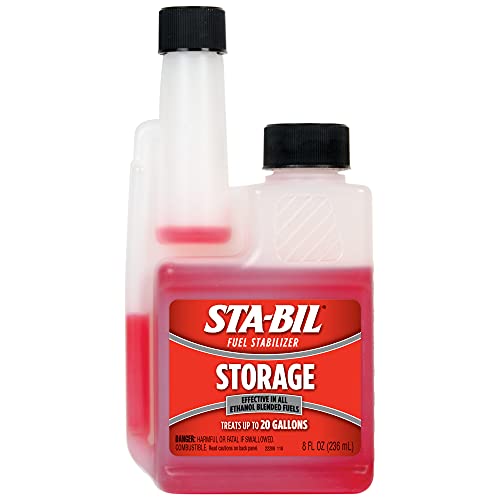
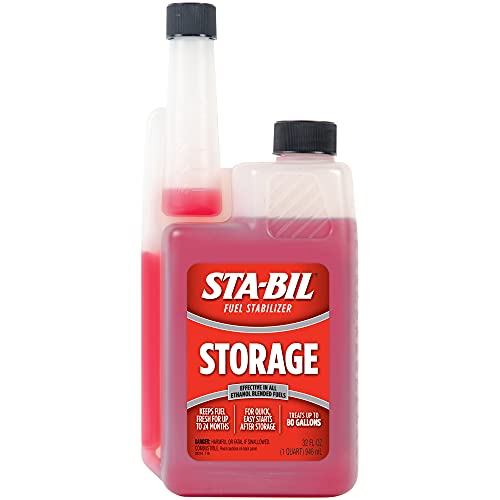
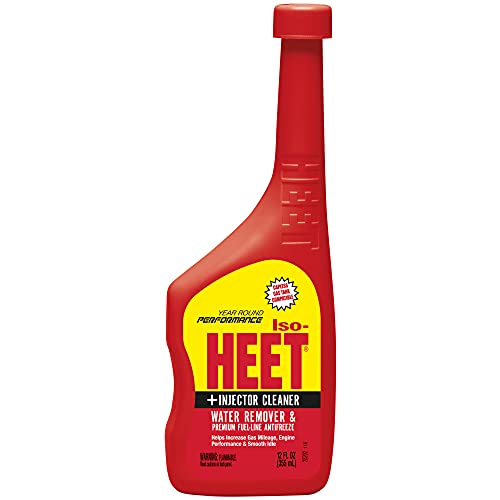
Fuel additives can effectively fix minor issues from bad gas by using detergents to clean varnish from old gas and demulsifiers to absorb small amounts of water. However, they are a treatment, not a cure-all. They cannot remove significant debris, large amounts of water, or fix mechanical damage that has already occurred.
Here’s how they work and what their limits are:
- ✅ Pros:
- Cleaning: Additives with polyetheramine (PEA) are excellent at dissolving gummy varnish deposits from fuel injectors and intake valves.
- Water Removal: Some additives contain alcohols that act as demulsifiers, helping small amounts of water mix with the gasoline so it can be burned away.
- Prevention: Fuel stabilizers are a type of additive that prevents gasoline from oxidizing and going bad in the first place, perfect for stored vehicles.
- ❌ Cons:
- Cannot Remove Debris: An additive cannot dissolve rust, dirt, or large sediment particles.
- Limited Water Capacity: They can only handle a few ounces of water. A tank with significant water contamination must be drained.
- Cannot Fix Broken Parts: If the fuel pump has already failed or an injector is mechanically stuck, no chemical can repair it.
An additive is a great first step for mild symptoms. If the problem is minor, it’s a cheap and effective fix.
How Can You Tell if it’s Bad Gas or a Different Car Problem?
To tell bad gas from other problems, note that bad gas symptoms often appear suddenly after filling the tank. A failing fuel pump may cause a consistent whining sound from the rear of the car, while bad spark plugs typically cause a more consistent, rhythmic misfire and poor performance over time.
Before you drain your tank, it’s wise to rule out other common culprits with similar symptoms. Here’s a quick diagnostic comparison:
| Symptom | Bad Gas | Failing Fuel Pump | Worn Spark Plugs |
|---|---|---|---|
| Symptom Onset | Sudden, usually right after filling the tank | Gradual failure over weeks or months | Slow decline in power and efficiency |
| Characteristic Sound | Engine knocking or pinging under load | A distinct, constant whining noise from the fuel tank area | No specific sound, just a general rough engine note |
| Stalling Behavior | Intermittent stalling, especially at idle or low speed | Stalls more frequently as the pump weakens, often when hot | Less likely to cause stalling than rough performance |
| Check Engine Light Code | P0300 (Random Misfire), P0171 (System Too Lean) | P0087 (Fuel Rail Pressure Too Low) | P0301, P0302, etc. (Cylinder-specific misfire) |
A good rule of thumb: if the problem started within 20 miles of getting gas, it’s almost certainly the fuel. If it’s been getting progressively worse for weeks, look at the fuel pump or spark plugs first.
FAQs About what can bad gas do to a car
How long does gas last in a car tank?
Gasoline can start to degrade in as little as 30 days, especially modern ethanol-blended fuels. After 3-6 months, it can cause noticeable problems. For long-term storage (over 3 months), it’s critical to use a fuel stabilizer to prevent oxidation and varnish formation, which preserves the fuel’s quality and protects your engine.
Will the check engine light turn on from bad gas?
Yes, bad gas is a common cause for the check engine light to come on. An inconsistent air-fuel mixture from contaminated fuel can trigger codes like P0300 (Random Misfire) or P0171 (System Too Lean). If the light comes on shortly after you’ve refueled and the engine is running poorly, bad gas is a likely suspect.
Can you just “burn off” a tank of bad gas?
It depends on the severity. If symptoms are mild, you can top off the tank with fresh, high-quality premium fuel and a fuel system cleaner. However, if the car is stalling heavily, attempting to burn it off can force damaging contaminants through the fuel system. In those cases, draining the tank is the safest option.
What does bad gas smell like?
Old, degraded gasoline often loses its distinct pungent odor and may smell stale or sour. If the contamination is from another chemical, it may have a heavier, oilier smell. A “rotten egg” smell, however, is usually related to a failing catalytic converter, which can be a downstream effect of bad gas.
How much does it cost to fix bad gas in a car?
The cost can range from $20 to over $2,000. A simple DIY fix with a bottle of fuel additive is the cheapest option. Having a mechanic drain and flush the fuel tank might cost $200-$500. If components like the fuel pump or fuel injectors need to be replaced, the repair cost can easily exceed $1,000.
Can bad gas cause a car not to start at all?
Absolutely. This is a common symptom of severe contamination. If there is a large amount of water in the tank, it can get pulled into the fuel lines instead of gasoline, making combustion impossible. Similarly, if a fuel filter is completely clogged with sediment, no fuel can reach the engine, resulting in a no-start condition.
What should you do if you get bad gas from a gas station?
First, keep the receipt from the gas station as proof of purchase. Contact the station manager to report the issue. You should also file a complaint with your state’s department of weights and measures, which regulates fuel quality. Have a mechanic document the problem and the repair needed for a potential claim.
Can using the wrong octane gas cause damage?
Yes, using a lower octane than your car’s manufacturer requires can cause engine knock. This puts immense stress on pistons and connecting rods and can lead to severe, long-term engine damage. Always use the octane rating specified in your vehicle owner’s manual.
How do you prevent gasoline from going bad in a stored car?
The best way is to use a quality fuel stabilizer. Before storing the vehicle for more than a month, fill the tank to about 90% full and add the correct amount of fuel stabilizer. Then, run the engine for 5-10 minutes to allow the treated fuel to circulate through the entire system.
Does premium gas go bad faster than regular?
No, premium gas does not necessarily go bad faster and may even last slightly longer. It often has a more robust additive package, including detergents and corrosion inhibitors. However, all gasoline is susceptible to degradation over time, so proper storage practices are important regardless of the octane rating.
Key Takeaways: What Bad Gas Does To A Car
- Immediate Symptoms Are Your First Clue – A sudden onset of rough idling, engine stalling, or a check engine light right after refueling are the strongest indicators of bad gas.
- Damage Follows the Fuel’s Path – Contaminants in bad gas cause a chain reaction, clogging the filter, burning out the fuel pump, blocking injectors, and creating carbon deposits inside the engine.
- The Fix Must Match the Problem – A simple fuel additive can solve minor issues from old gas, but significant water or debris requires draining the tank. Don’t try to “burn through” a severely contaminated tank.
- Rule Out Other Issues – Before draining your tank, consider if the symptoms could be a failing fuel pump (whining noise) or old spark plugs (gradual power loss), as they can mimic bad gas issues.
- Prevention Is Cheaper Than Repair – Use a fuel stabilizer for any car stored for more than a month and buy fuel from reputable, high-volume gas stations to minimize the risk of contamination.
- Octane Rating Matters – Always use the fuel octane rating recommended by your car’s manufacturer. Using a lower octane in a high-performance engine can cause destructive engine knock.
Final Thoughts on Dealing with Bad Gas in Your Car
Dealing with bad gas is a frustrating experience, but it’s a solvable problem. By understanding the symptoms, you can accurately diagnose the issue and take the right steps before minor contamination causes major damage. Whether it’s a simple bottle of additive for a mild case or a trip to a trusted mechanic for a more severe one, addressing the problem quickly is key to protecting your engine and your wallet. Always prioritize safety, and when in doubt, consult a professional.
Last update on 2026-03-11 / Affiliate links / Images from Amazon Product Advertising API