
Are you wondering what are heat shields on a car and why they matter? Many struggle with identifying this critical, often overlooked component. Understanding their function is essential for vehicle safety and longevity.
Car heat shields are crucial thermal barriers that protect vital vehicle components from extreme heat produced by the engine and exhaust. They safeguard parts like fuel lines, brake lines, wiring, and the chassis from heat-related damage and reduce the risk of vehicle fires by effectively managing thermal energy.
From years of hands-on experience in automotive maintenance, this guide clarifies the specific purpose of these essential components. You will discover exactly how they work, what they are made of, and why their proper function is non-negotiable for your car’s reliable operation.
Key Facts
- Car heat shields are indispensable for vehicle safety: They prevent temperatures from reaching critical levels in sensitive areas, safeguarding against thermal damage.
- They protect vital systems: Fuel lines, brake lines, and electrical wiring are particularly vulnerable to high temperatures, making heat shields crucial for their integrity.
- Heat shields significantly reduce fire risk: By isolating hot exhaust components, they prevent flammable materials from igniting, as highlighted by industry analysis.
- Diverse materials are used for specific thermal demands: Materials like aluminum, stainless steel, and ceramics are chosen based on their unique heat-resistant properties, ensuring tailored protection.
- Malfunctioning heat shields pose serious dangers: A loose or missing heat shield can lead to component failure, increased cabin temperatures, and even catastrophic vehicle fires.
What Are Heat Shields on a Car?
Car heat shields are essential thermal barriers designed to protect sensitive vehicle components from the intense heat generated by the engine and exhaust system. These automotive heat shields manage thermal energy, acting as a crucial component in maintaining optimal vehicle performance and safety. They are protective metal guards or insulating material strategically placed throughout a vehicle.
Their fundamental purpose is to prevent overheating, damage, and potential fire hazards to various parts of the car. This includes safeguarding delicate systems like fuel lines, brake lines, wiring harnesses, the transmission, and even the chassis itself. Without effective thermal management, these components could degrade or fail under extreme temperatures, leading to costly repairs and significant safety risks.

The function of car heat shields extends beyond simple physical separation; they actively dissipate, reflect, or absorb heat to limit heat transfer. This critical role ensures that while the engine and exhaust systems operate at extremely high temperatures, adjacent components remain within their safe operating ranges. Understanding car heat shields is fundamental to appreciating the intricate engineering behind vehicle thermal protection.
Why Are Car Heat Shields Important for Vehicle Safety and Longevity?
Car heat shields are vital because they prevent critical vehicle components from extreme heat, ensuring both safety and longevity. They stop fuel and brake lines from overheating and degrading, protect wiring from melting, prevent chassis damage, and significantly reduce the risk of vehicle fires by isolating high-temperature sources like the exhaust system. This importance cannot be overstated for a vehicle’s long-term reliability and safety.
Heat shields mitigate numerous risks that could compromise vehicle safety and lifespan. The intense heat from the engine and exhaust system can cause rapid degradation of sensitive materials. For instance, fuel lines exposed to excessive heat can become brittle, leading to leaks and potential fires. Similarly, brake lines could suffer diminished performance or outright failure if their fluid boils due to external heat.
Moreover, heat shields protect electrical wiring from melting, which could cause short circuits and system malfunctions. They also shield plastic components and underbody coatings from warping or degrading, preserving the structural integrity and aesthetic appeal of the vehicle. By preventing these issues, heat shields ensure that essential systems continue to function as intended, contributing to vehicle durability enhancement and safety-compliant automotive parts.
Where Are Heat Shields Located on a Car and What Do They Protect?
Car heat shields are strategically located throughout a vehicle to protect heat-sensitive components from high temperatures. Common locations include above the exhaust system and catalytic converter, around engine manifolds, near fuel lines and brake lines, and under the chassis, safeguarding critical parts from thermal damage. Their placement is precise, targeting specific high-heat zones.
The specific placement of automotive heat shields corresponds directly to the location of significant heat sources and vulnerable components. Beneath the vehicle, the exhaust system is a major contributor to heat. Heat shields are extensively used here to protect:
- Exhaust System & Catalytic Converter: Shields the undercarriage, fuel tank, and floorboards from the extreme heat generated by these components. This prevents damage to the chassis and protects occupants from radiant heat.
- Fuel Lines & Brake Lines: Positioned between these critical lines and any heat source, typically the exhaust. This is paramount for preventing fuel vaporization or brake fluid boiling, which could lead to loss of vehicle control or fire.
- Transmission: Heat shields protect the transmission from exhaust heat, helping to maintain optimal fluid temperatures and prevent premature wear.
- Driveshaft and Suspension Components: These can also be shielded, particularly on performance vehicles, to ensure their material integrity isn’t compromised by high temperatures, maintaining consistent functionality.
Under the hood, heat shields also play a vital role, especially around the engine. They are often found:
- Around Engine Manifolds: Shielding adjacent wiring, hoses, and plastic components from the intense heat of the exhaust manifold.
- Turbochargers: Vehicles with turbochargers often have dedicated heat shields to manage the extremely high temperatures generated, protecting nearby engine bay components.
- Battery: Some vehicles include small heat shields around the battery to protect it from engine heat, which can reduce its lifespan and performance.
These manufacturer specifications heat shields are integral to overall vehicle design, ensuring that components operate within their intended temperature ranges.
What Are Car Heat Shields Made Of and What Are Their Properties?
Car heat shields are constructed from various heat-resistant materials, including aluminum, stainless steel, fiberglass, and ceramic, often in multi-layered designs. These materials are chosen for their ability to reflect, dissipate, or absorb intense heat, with properties like high-temperature resistance and corrosion resistance being paramount for effective thermal management. The selection of material directly influences the shield’s performance.
The composition and properties of heat shield materials are critical to their effectiveness. Each material offers a unique balance of thermal performance, durability, and cost:
- Aluminum: Often used for general underbody protection and moderate heat applications. It’s lightweight and an excellent thermal reflector, helping to bounce radiant heat away from sensitive parts. Aluminum heat shields are relatively flexible.
- Stainless Steel: Known for its superior high-temperature resistance and excellent corrosion resistance, making it ideal for direct exhaust system shielding and other extreme heat zones. It’s more rigid than aluminum.
- Fiberglass: Frequently found in flexible heat shields or as part of multi-layered composites, often used for exhaust wraps or insulating blankets. It primarily works by absorbing heat and providing insulative properties.
- Ceramic: Offers the highest temperature resistance and exceptional insulative qualities. Ceramic heat shield car components are typically found in demanding applications like turbocharger housings or exhaust manifolds, effectively preventing heat transfer.
Often, heat shields are engineered-grade heat shields and utilize layered composites combining these materials, sometimes with an air gap, to maximize thermal barrier effectiveness. This design leverages the strengths of each material, creating a robust solution that reflects, absorbs, and dissipates heat more efficiently than a single material could. Automotive material safety data plays a crucial role in the selection and design of these protective components.
| Feature/Aspect | Aluminum | Stainless Steel | Fiberglass | Ceramic |
|---|---|---|---|---|
| Temperature Resistance | Good (up to 1200°F) | Excellent (up to 2000°F) | Very Good (up to 1800°F) | Excellent (up to 2500°F) |
| Heat Mechanism | Reflective | Reflective/Conductive | Absorptive/Insulative | Insulative/Absorptive |
| Corrosion Resistance | Moderate | Excellent | Good | Excellent |
| Flexibility | High | Low | High | Low |
| Cost | Low to Moderate | Moderate to High | Low to Moderate | High |
| Best Use Case | General underbody, moderate heat | Exhaust systems, high heat | Wraps, engine bay, sound | Turbo/manifold, extreme heat |
How Do Car Heat Shields Work to Protect Against High Temperatures?
Car heat shields protect against high temperatures by leveraging principles of thermal science, primarily through reflection, absorption, and dissipation. They reflect radiant heat from sources like the exhaust, absorb heat using insulative materials, and often use air gaps or vents to dissipate heat via convection, effectively limiting heat transfer to sensitive components. This sophisticated thermal management solution is critical.
The core function of a heat shield is to interrupt the various modes of heat transfer: conduction, convection, and radiation. Understanding how these mechanisms work reveals the engineering behind effective heat protection.
- Heat Reflection: Many heat shields, especially those made from polished aluminum or stainless steel, work by reflecting radiant heat. Radiant heat is thermal energy transferred through electromagnetic waves, similar to how the sun warms your skin. By reflecting these waves, the shield prevents this energy from reaching and heating up vulnerable car components. This creates a thermal barrier.
- Heat Absorption: Materials like fiberglass or ceramic composites are excellent at absorbing thermal energy. When heat energy strikes these materials, it is absorbed within their structure rather than being quickly transmitted through. This process slows down heat transfer significantly, preventing it from reaching the protected area.
- Heat Dissipation: Some heat shields incorporate designs that promote heat dissipation, primarily through convection. This often involves creating air gaps or channels behind the shield. As the shield heats up, the air within these gaps also warms and rises, drawing in cooler air. This constant airflow carries heat away from the shield and protected components, effectively cooling the area.
By employing these mechanisms, heat shields manage thermal energy flow. They separate hot zones, like a manifold, from cold zones, such as fuel lines, ensuring that sensitive parts remain within their safe operational temperature ranges. This application of automotive thermophysics is crucial for vehicle integrity.
What Are the Common Problems with Car Heat Shields and How Can They Be Fixed?
Common car heat shield problems include persistent rattling, physical damage (cracks, bends), or complete detachment due to corrosion or loose fasteners. These issues can lead to increased noise, reduced thermal protection, and serious safety risks if left unaddressed. Prompt inspection and resolution are crucial for maintaining vehicle integrity.
These problems often arise from continuous exposure to harsh road conditions, temperature fluctuations, and vibrations. Understanding the nature of these issues is the first step toward effective resolution.
- Rattling Noises:
- Cause: This is the most common problem, often caused by corroded or loose fasteners (bolts, clips) that hold the heat shield in place, or fatigued welds that break. The shield vibrates against the chassis or other components.
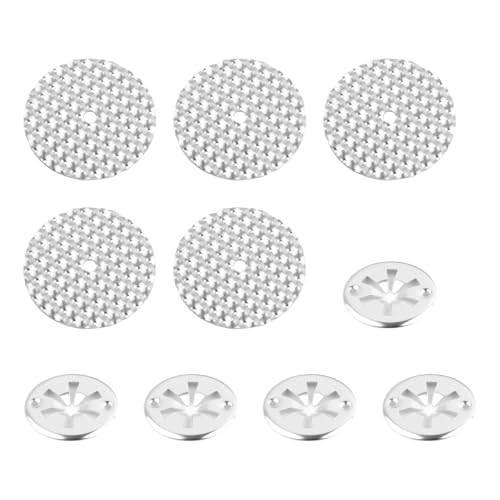
- Solution: For loose heat shields, tightening the existing fasteners or replacing them with new bolts and washers (often oversized for a better grip) can resolve the rattle. In cases of broken welds, specialized heat shield repair kits that involve new mounting hardware or high-temperature adhesives may be used. Professional assistance might be needed for re-welding.
- Physical Damage:
- Cause: Road debris, impacts from speed bumps, or even improper jacking of the vehicle can cause dents, cracks, or tears in the heat shield material. Corrosion over time can also weaken and crack the metal.
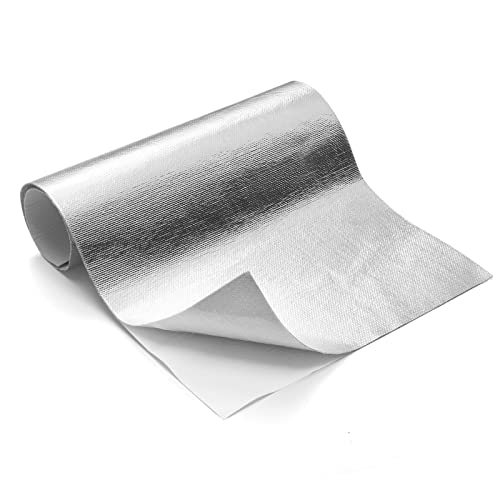
- Solution: Minor cracks or small holes in metal heat shields can sometimes be repaired using high-temperature metal repair tape or specialized sealants. Dents might be carefully straightened if the metal is not brittle. However, significant damage or structural compromise typically necessitates replacing the entire heat shield to restore full protection.
- Complete Detachment or Missing Shields:
- Cause: Severe corrosion of mounting points, repeated impacts, or negligence during previous repairs can lead to a heat shield detaching completely or going missing.
- Solution: A detached or missing heat shield must be replaced immediately. This might involve sourcing an OEM (Original Equipment Manufacturer) or a suitable aftermarket replacement. This ensures critical components are not left exposed to dangerous temperatures.
Addressing these common problems quickly prevents further damage and maintains the vehicle’s safety features. Trusted mechanic insights confirm that ignoring these issues can lead to more significant and expensive repairs down the line.
Is It Safe to Drive with a Loose or Missing Car Heat Shield?
No, driving with a loose or missing car heat shield is generally not safe due to significant risks. It can lead to vehicle fires by exposing flammable materials (like dry grass) to hot exhaust. It also risks damage to fuel lines, brake lines, and wiring, potentially causing system failures. This compromise dramatically increases the risk to vehicle safety.
Driving with a compromised heat shield presents several serious dangers:
- Increased Fire Hazard: The most immediate and severe risk. Hot exhaust components can reach temperatures capable of igniting flammable materials on the road, such as dry grass or leaves, or leaked fluids from the vehicle itself. This is a critical safety concern.
- Component Degradation: Without protection, vital components like fuel lines, brake lines, and electrical wiring are directly exposed to extreme heat. This can cause material degradation, leading to leaks, boiling brake fluid (resulting in brake fade or failure), or melted insulation and short circuits.
- Elevated Cabin Temperatures: Heat from the exhaust system can radiate into the passenger compartment, causing discomfort and potentially affecting sensitive electronics inside the car.
- Structural Damage: Prolonged heat exposure can weaken structural components or melt plastic parts underneath the vehicle, impacting its long-term integrity and safety.
Given these serious implications, certified auto technician recommendations strongly advise immediate inspection and repair if you suspect a loose or missing heat shield. Prioritizing safety-compliant automotive parts is always paramount.
How Can You Replace or Repair a Damaged Car Heat Shield?
To replace or repair a damaged car heat shield, first assess the damage: for loose shields, tighten fasteners or add large washers; for cracks, use high-temperature sealant or repair tape. For severe damage, remove the old shield (often rusted bolts) and install a new OEM or aftermarket replacement, ensuring proper alignment and secure fastening. The method depends on the issue’s severity.
Addressing heat shield problems can range from simple DIY fixes to more complex professional installations. Here’s a practical guide:
DIY Repair for Rattling or Minor Damage:
- Diagnosis: Carefully inspect the heat shield for loose fasteners, broken welds, or minor cracks. Let the car cool down completely before starting.
- Tools: You’ll typically need a ratchet and sockets, wrenches, pliers, a wire brush (for rust), and potentially a drill.
- Secure Loose Shields:
- Locate the loose mounting points.
- If bolts are present but loose, tighten them.
- If mounting holes are enlarged or bolts are corroded, use large fender washers with new bolts and nuts to provide a wider surface area for secure fastening. Stainless steel zip ties or large hose clamps can offer a temporary or supplementary fix, ensuring they are high-temperature resistant.
- Patch Minor Cracks/Holes: For small cracks or holes, high-temperature metal repair tape or exhaust repair compounds can provide a temporary seal. Ensure the surface is clean and dry before application.
Replacing a Severely Damaged Heat Shield:
- Acquire Replacement: Determine if you need an OEM shield or an aftermarket equivalent. Ensure it’s compatible with your car’s make and model.
- Safety First: Park the car on a level surface, engage the parking brake, and use jack stands to securely raise the vehicle. Wear appropriate safety gear.
- Remove Old Shield:
- Use penetrating oil on rusted bolts or nuts holding the old shield.
- Carefully unbolt or unclip the old shield. Be prepared for bolts to snap if heavily corroded. You might need to cut off stubborn fasteners.
- Clean the mounting area thoroughly with a wire brush to remove rust and debris.
- Install New Shield:
- Align the new heat shield with the mounting points.
- Install new, high-quality bolts, washers, and nuts, ensuring they are tightened securely to prevent future rattling. Professional installation standards dictate a firm, stable fit.
- Final Check: Lower the car and visually inspect the installed shield. Start the engine and listen for any rattles or unusual noises.
For complex placements or if you’re unsure, consulting a certified auto technician is advisable. The cost of repairing a loose heat shield is often minimal for DIY, but a full replacement can vary depending on parts and labor.
What Are the Best Aftermarket Heat Shields for Cars?
The best aftermarket heat shields often feature advanced materials like multi-layered aluminum or stainless steel, offering superior thermal performance and durability. Key considerations include material (reflectivity vs. absorption), application (flexible, rigid, self-adhesive), and specific component protection (exhaust, engine bay, fuel lines) for optimal vehicle thermal management. These options can significantly upgrade thermal protection.
Choosing the right aftermarket heat shield depends largely on your specific needs, the heat source, and the components you aim to protect. While OEM heat shield parts meet factory specifications, aftermarket performance-tested heat barriers often provide enhanced characteristics.
Consider the following factors when selecting:
- Material Composition:
- Multi-layered Aluminum: Excellent for reflecting radiant heat, often combined with an insulating layer for improved performance. Good for general underbody and engine bay use.
- Stainless Steel: Offers high-temperature resistance and corrosion protection, ideal for close proximity to exhaust components.
- Fiberglass/Ceramic Composites: Provide exceptional insulation and heat absorption, frequently used in exhaust wraps or as inserts in rigid shields for extreme heat zones like turbos or manifolds.
- Type of Application:
- Flexible Heat Shields: Often made from woven materials, ideal for wrapping irregular shapes like exhaust pipes or custom applications.
- Rigid Heat Shields: Pre-formed metal or composite panels designed for specific locations like catalytic converters or floorboards.
- Self-Adhesive Heat Shields: Feature a high-temperature adhesive backing, useful for direct application to flat or mildly curved surfaces like firewalls or fuel tanks for easy installation.
- Specific Protection Needs:
- For exhaust systems, look for materials with high-temperature resistance and excellent reflection properties.
- For engine bay components (wiring, hoses), a combination of reflection and insulation can be most effective.
- For fuel or brake lines, focus on robust thermal barriers that prevent heat transfer and potential fluid boiling.
Aftermarket heat shields can be a significant upgrade, offering better thermal management than standard parts. Researching options from reputable manufacturers and considering the specific thermal environment will lead to the most effective choice.
FAQs About what are heat shields on a car
Do all cars have heat shields?
Not all vehicles have identical heat shield configurations, but most modern cars incorporate them extensively due to stringent safety standards and the need to protect sensitive components. While older models might have fewer, contemporary cars feature heat shields around the engine, exhaust system, catalytic converter, and critical lines to prevent thermal damage and fire risks.
What are the signs of a faulty car heat shield?
Common signs of a faulty car heat shield include a persistent rattling noise, especially noticeable at certain RPMs or during acceleration/deceleration, and a distinct burning smell or excessive heat radiating into the cabin. Visual inspection might also reveal rust, cracks, or a detached shield hanging under the vehicle.
Can a car run without a heat shield?
While a car can technically run without a heat shield, it is highly unsafe and not recommended due to significant risks of damage and fire. Removing or driving with a missing heat shield exposes critical components like fuel lines, brake lines, and wiring to extreme temperatures, leading to potential failure and dangerous situations.
How much does it cost to replace a car heat shield?
The cost to replace a car heat shield varies widely, typically ranging from $100 to $500, depending on the specific shield (e.g., exhaust vs. engine), vehicle make/model, and whether it’s an OEM or aftermarket part. Labor costs can significantly influence the total, with complex placements requiring more time and specialized tools.
What is the lifespan of a car heat shield?
The lifespan of a car heat shield generally aligns with the vehicle’s overall longevity, often 10-15 years or more, but it can be significantly shortened by road salt, impacts, or severe corrosion. Regular inspections during maintenance can help identify early signs of degradation, ensuring timely replacement for continued protection.
What can be used as a heat shield alternative?
While direct alternatives for factory-designed heat shields are limited, temporary solutions or supplementary protection might include exhaust wrap for localized heat, or thermal blankets for engine components. However, these should not fully replace a vehicle’s original, structurally integrated heat shields, especially for critical safety components like fuel and brake lines.
Why do car heat shields make noise?
Car heat shields primarily make noise, typically a rattling sound, when they become loose due to corroded fasteners, broken welds, or physical impacts. The loose metal vibrates against the vehicle’s chassis or exhaust components, causing an annoying and sometimes alarming sound that indicates a need for repair.
How do you secure a dangling heat shield on a vehicle?
To secure a dangling heat shield, you can often use large hose clamps, stainless steel zip ties, or oversized washers with new bolts if the original fasteners have corroded. For more permanent solutions, specialized heat shield repair kits are available, or re-welding small tabs might be possible for professional repairs, ensuring a tight fit.
What are the risks of a missing car heat shield?
The risks of a missing car heat shield are severe and include potential vehicle fires if hot exhaust components ignite flammable materials (e.g., dry grass, leaked fluids). Additionally, prolonged heat exposure can degrade crucial components like fuel lines, brake lines, electrical wiring, and plastic parts, leading to system failures and safety hazards.
How important are heat shields on a car?
Heat shields are critically important on a car, serving as an indispensable safety feature that protects the vehicle and its occupants from extreme temperatures generated by the engine and exhaust. Their absence or malfunction can lead to severe component damage, reduced vehicle longevity, and a significantly increased risk of fire, making them a non-negotiable component for safe operation.
Key Takeaways: What Are Car Heat Shields on a Car Summary
- Essential Thermal Protection: Car heat shields are crucial thermal barriers that protect sensitive vehicle components like fuel lines, brake lines, and wiring from the intense heat generated by the engine and exhaust system, significantly reducing the risk of fire and component damage.
- Diverse Materials & Mechanisms: They are made from various heat-resistant materials such as aluminum, stainless steel, fiberglass, and ceramics, often in layered composites. These materials work by reflecting radiant heat, absorbing thermal energy, or dissipating heat through convection to prevent transfer to vulnerable areas.
- Strategic Placement is Key: Heat shields are strategically located around the exhaust manifold, catalytic converter, muffler, and under the chassis, ensuring that specific high-heat zones are isolated from critical vehicle systems and flammable components.
- Critical for Safety & Longevity: Proper functioning heat shields are vital for both vehicle safety and longevity, preventing overheating that can lead to melted wires, fuel line degradation, and even catastrophic vehicle fires. Their integrity directly impacts the reliability and lifespan of numerous car parts.
- Common Problems & Solutions: Frequent issues include rattling noises (due to loose fasteners or corrosion), physical damage from road debris, or complete detachment. Solutions range from simple tightening or repair kits for DIY fixes to full replacement for severely compromised shields, often requiring professional assistance.
- Aftermarket Options for Performance: For replacements or upgrades, aftermarket heat shields offer enhanced thermal performance and durability, often utilizing advanced materials and designs. Choosing the right type depends on the specific application, heat source, and required protection level.
- Don’t Ignore Malfunctions: Driving with a loose or missing heat shield is unsafe and can lead to severe consequences. Prompt inspection and repair are paramount to maintain vehicle safety, prevent costly damage, and ensure compliance with automotive thermal management standards.
Final Thoughts on What Are Heat Shields on a Car
Car heat shields, though often out of sight, are a silent guardian of your vehicle’s safety and longevity. This comprehensive guide has explored their fundamental purpose, diverse materials, intricate working mechanisms, and crucial role in protecting vital components from the extreme temperatures of your engine and exhaust system. From preventing dangerous fires to safeguarding delicate wiring and brake lines, their function is indispensable. Understanding the signs of a faulty heat shield and knowing how to address common issues can save you significant repair costs and, more importantly, mitigate safety risks. By paying attention to this often-overlooked component, you ensure your vehicle operates reliably and safely for years to come, reflecting a commitment to informed car ownership and proactive maintenance.
Last update on 2026-03-29 / Affiliate links / Images from Amazon Product Advertising API


![Dubai Luxury Cars: Ultimate Guide for Buying & Renting [year]](https://i0.wp.com/carxplorer.com/wp-content/uploads/2026/03/Dubai-Luxury-Cars-Ultimate-Guide-for-Buying-Renting-year-1.jpg?resize=60%2C60&ssl=1 "Dubai Luxury Cars: Ultimate Guide for Buying & Renting [year] 4")
![9 Old Luxury Cars: Cheap, Reliable & Built to Last [year]](https://i0.wp.com/carxplorer.com/wp-content/uploads/2026/03/9-Old-Luxury-Cars-Cheap-Reliable-Built-to-Last-year-1.jpg?resize=60%2C60&ssl=1 "9 Old Luxury Cars: Cheap, Reliable & Built to Last [year] 6")

![Luxury Cars White: 9 Elegant Designs & Top Models for [year]](https://i0.wp.com/carxplorer.com/wp-content/uploads/2026/03/Luxury-Cars-White-9-Elegant-Designs-Top-Models-for-year-1.jpg?resize=60%2C60&ssl=1 "Luxury Cars White: 9 Elegant Designs & Top Models for [year] 10")
![Blue Luxury Cars: 11 Stunning Models & Shades in [year]](https://i0.wp.com/carxplorer.com/wp-content/uploads/2026/03/Blue-Luxury-Cars-11-Stunning-Models-Shades-in-year-1.jpg?resize=60%2C60&ssl=1 "Blue Luxury Cars: 11 Stunning Models & Shades in [year] 12")