
Tired of your Volkswagen Beetle getting lost in a sea of look-alikes? You love your car’s iconic shape, but its stock appearance feels impersonal and lacks the unique flair that reflects your style.
Volkswagen Beetle customization involves modifying the vehicle’s interior, exterior, and performance to reflect personal style. Common projects include upgrading wheels, installing custom upholstery, applying a new paint job or vinyl wrap, and enhancing engine performance with aftermarket parts. This guide provides unique DIY mods for a truly personalized build.
Drawing from the Beetle’s rich history of personalization and established best practices, this guide is your starting point for a transformation. You will discover 9 achievable DIY projects to make your Beetle stand out. Let’s build the car you’ve always envisioned.
How Do I Customize My VW Beetle for a Truly Unique Look?
The Volkswagen Beetle has always been more than just a car; it’s a cultural icon and a blank canvas for creative expression. From the early “Cal Look” drag racers of the ’60s to the modern “stance” scene, VW Bug customization is a tradition celebrated by enthusiasts worldwide. The desire to personalize your VW Beetle is part of its ownership DNA. This isn’t about just bolting on parts; it’s about making a statement and building a vehicle that is uniquely yours. This Beetle modding guide is designed to bridge the gap between inspiration and action, providing a clear path for turning your vision into reality.
9 Unique DIY Mods to Transform Your Volkswagen Beetle in 2026
Transforming your Beetle doesn’t have to involve a professional custom car builder or a five-figure budget. Many of the most impactful VW Beetle custom mods are surprisingly accessible for the home DIY enthusiast. This list focuses on unique, achievable projects that deliver significant visual and performance results. We will cover everything from simple interior upgrades to entry-level performance enhancements, providing a comprehensive ‘how-to’ for each idea. Each section is a complete mini-guide, detailing the necessary tools and a step-by-step process to ensure your custom VW Beetle build is a success.
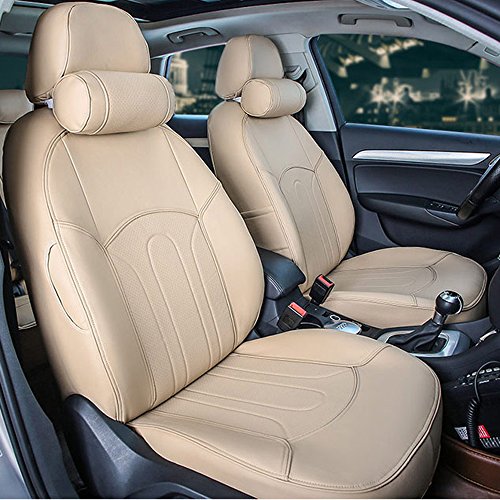
1. Revitalize Your Cabin with Custom Seat Upholstery

Pin this stunning interior upgrade to your ‘VW Beetle Mods’ board!
A personalized VW Beetle interior starts with the seats. Swapping worn, faded, or boring factory cloth for a fresh set of custom-fit covers can dramatically elevate the look and feel of your cabin. This is one of the most effective interior customization options Beetle owners can tackle themselves for a premium result without the high cost of a professional upholstery shop.
Tools & Supplies Needed
- Custom-fit seat cover kit (leatherette, fabric, or vinyl)
- Hog ring pliers and new hog rings
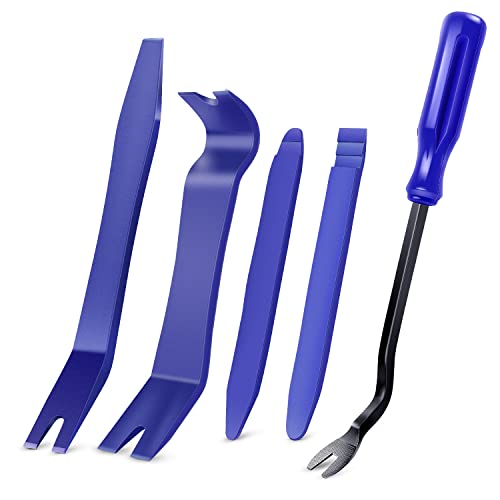
- Upholstery trim removal tool kit
- Socket wrench set (for seat removal)
- Heat gun or hair dryer (for vinyl covers)
- Heavy-duty zip ties (optional alternative to hog rings)
Step-by-Step Directions
- Disconnect the Battery: As a safety precaution, disconnect the negative battery terminal before starting.
- Remove the Seats: Use your socket set to unbolt the front and rear seats from the car floor. Carefully remove them from the vehicle.
- Disassemble Old Upholstery: Use the trim removal tools and hog ring pliers to carefully detach the old fabric from the foam cushions. Keep track of all plastic clips and trim pieces.
- Install New Covers: Start with the seat bottoms. Stretch the new cover over the foam. If using vinyl, gently warm it with a heat gun to make it more pliable.
- Secure the Covers: Use hog ring pliers to attach the new cover’s listings to the seat frame wires. Pull the material taut as you go to avoid wrinkles. Alternatively, use strong zip ties.
- Reassemble and Reinstall: Reattach any plastic trim pieces, then reinstall the seats in your Beetle, ensuring all bolts are securely tightened. Reconnect the battery.
Pro-Tip: In my experience, letting new vinyl seat covers sit in the sun for an hour before installation makes them significantly easier to stretch for a factory-tight fit. This is a trick professional upholsterers use to avoid wrinkles.
2. Upgrade to Custom Wheels and Dial in the Stance

Save this perfect wheel fitment to your ‘Dream Car’ board for inspiration!
Nothing transforms a car’s profile more than a set of custom wheels VW enthusiasts covet and the perfect ride height. Achieving the ideal stance VW Beetle customization look involves more than just wheels; it requires adjustable suspension. Installing coilovers allows you to fine-tune the height, creating that desirable “stanced” appearance where the wheels and tires sit perfectly flush with the fenders. These aftermarket parts work together to dramatically alter both the look and handling of your Bug.
Tools & Supplies Needed
- Set of 4 coilovers compatible with your Beetle’s model year
- Set of 4 custom wheels with the correct bolt pattern and offset
- Floor jack and four jack stands
- Lug wrench or impact wrench with appropriate socket
- Socket/wrench set
- Spring compressors
- Coilover spanner wrenches (usually included with kit)
- Torque wrench
Step-by-Step Directions
- Safely Lift the Vehicle: Park on a level surface. Use the floor jack to lift the car and secure it on all four jack stands.
- Remove Wheels and Old Suspension: Remove the wheels. Then, begin unbolting the factory shock and spring assembly. This process varies between classic air-cooled and modern water-cooled Beetles, so consult a model-specific guide. Use spring compressors if removing separate springs.
- Install the New Coilovers: Bolt the new coilover assemblies into place where the old suspension was removed. Ensure all bolts are tightened to the manufacturer’s specifications.
- Set Initial Ride Height: Use the spanner wrenches to adjust the lower spring perch on the coilovers. As a starting point, lower it by 1.5 inches from the stock height. Ensure both sides are set to the same height.
- Mount New Wheels: Install your new custom wheels. Use the torque wrench to tighten the lug nuts to the specified torque in a star pattern.
- Lower and Settle: Carefully lower the car off the jack stands. Roll the car back and forth a few feet to let the suspension settle.
- Fine-Tune the Height: Measure the fender-to-ground height on all four corners. Readjust the coilovers as needed until you achieve your desired stance. Get a professional wheel alignment afterward.
Pro-Tip: Understanding wheel offset, or ‘ET’, is crucial. A lower offset (e.g., ET25) will push the wheel further out, while a higher offset (e.g., ET45) will pull it further in. For a flush look without rubbing, research your specific model’s ideal offset range on a VW Beetle community forum before buying wheels.

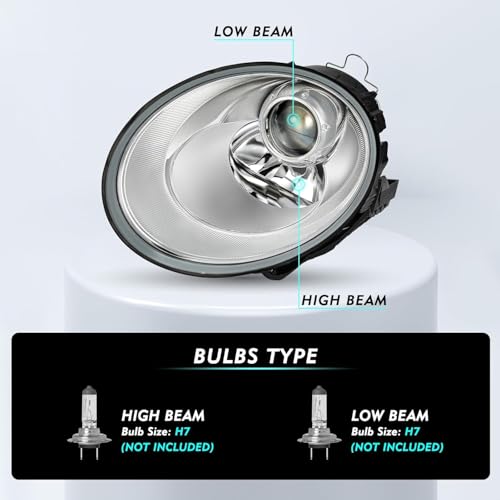
3. Install Modern LED Headlights for a Custom Look and Better Visibility

Light up your feed! Pin this sleek lighting mod.
A custom lighting Beetle upgrade is a two-for-one modification: it adds a sharp, modern touch to your car’s face while dramatically improving nighttime visibility. Replacing dim, yellow halogen units with a full headlight + upgrade assembly featuring LED projectors and halo rings is a popular choice for both classic and modern Beetles. This is a plug-and-play project that makes a huge impact on your car’s daily usability and style.
Tools & Supplies Needed
- Plug-and-play LED headlight assembly kit
- Torx screwdriver set or socket set (depending on model)
- Trim removal tool
- Painter’s tape
- Clean microfiber cloth
Step-by-Step Directions
- Mark Headlight Alignment: Before starting, park the car on a level surface facing a wall or garage door. Turn on the low beams and use painter’s tape to mark the center of each beam’s cutoff line on the wall. This will help you aim the new lights.
- Access the Headlight Housing: For modern Beetles, you may need to remove the front bumper cover. For classic Beetles, you typically access screws from the front. Place painter’s tape on the paint around the light to prevent scratches.
- Remove the Old Headlight: Unscrew the bolts holding the factory headlight assembly in place. Carefully pull it forward and disconnect the main wiring harness from the back.
- Connect the New LED Unit: Connect the wiring harness from the new LED assembly to the car’s factory plug. If there are extra wires for features like DRLs or sequential signals, follow the manufacturer’s instructions for tapping them into the appropriate circuits.
- Test the Lights: Before fully reinstalling, have a helper cycle through all light functions (low beam, high beam, turn signal, DRLs) to ensure everything works correctly.
- Install and Aim: Secure the new headlight assembly in place with the bolts. Turn the lights on and compare their cutoff line to the tape marks you made in Step 1. Use the adjustment screws on the back of the new housing to aim the beams correctly.
Pro-Tip: Proper headlight aiming is a critical safety step, not an optional one. Misaligned LED lights are intensely bright and can easily blind oncoming drivers. Most aftermarket headlights have vertical and horizontal adjustment screws accessible from the back of the housing.
4. Apply a Custom Vinyl Wrap for a Reversible Color Change

Pin this DIY color swap for your next weekend project!
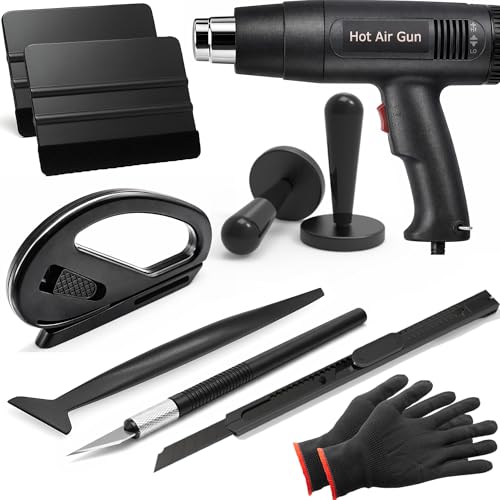
Dreaming of a new color for your Bug but hesitant about the cost and permanence of custom paint jobs Beetle owners face? A vinyl wrap is the perfect solution for customization without permanent changes. It allows for a complete Beetle color modification in thousands of finishes—from satin to chrome—and protects your original paint underneath. While wrapping a whole car is a big job, tackling a single panel like the hood is a great way to learn the process.
Tools & Supplies Needed
- High-quality cast vinyl wrap (e.g., 3M, Avery Dennison)
- Wrap-specific tool kit (felt-tipped squeegees, utility knife, cutting tape)
- Isopropyl alcohol (70% or higher) and microfiber towels
- Clay bar kit
- Heat gun
- Infrared thermometer (recommended)
Step-by-Step Directions
- Decontaminate the Surface: This is the most critical step. Wash and dry the panel you’re wrapping. Use a clay bar to remove any embedded contaminants from the paint until it feels perfectly smooth.
- Final Wipe-Down: Wipe the entire panel down with isopropyl alcohol to remove any remaining waxes, oils, or residues.
- Position the Vinyl: Unroll a sheet of vinyl larger than the panel. With a helper, lay the vinyl over the panel, letting it drape without applying pressure. The “air-release” technology will let it float.
- Squeegee the Film: Starting from the center of the panel, use a felt-tipped squeegee to apply firm, overlapping strokes. This adheres the vinyl and pushes air out through the air-release channels.
- Tackle the Curves: For curved areas like the Beetle’s fenders, gently heat the vinyl with a heat gun (to about 190-210°F or 87-99°C). This makes it soft and pliable. Stretch the vinyl over the curve and squeegee it down.
- Trim the Edges: Use knifeless cutting tape for safe, precise cuts along panel gaps. Alternatively, use your utility knife to carefully trim the excess vinyl, leaving about a quarter-inch to wrap around the edge.
- Post-Heat: Once the panel is complete, go over all edges and stretched areas with the heat gun (to 210°F or 99°C). This “sets” the vinyl’s memory and locks it in place, preventing it from lifting.
Pro-Tip: Always choose “cast” vinyl over “calendared” vinyl for wrapping a car. Cast vinyl is a premium film that is manufactured to be dimensionally stable, meaning it won’t shrink or pull back from complex curves over time. Calendared vinyl is cheaper but is prone to shrinking and failing on deep recesses.
5. Achieve a Classic Vibe with a Vintage-Style Roof Rack

Pin this classic look to your ‘Vintage VW’ board!
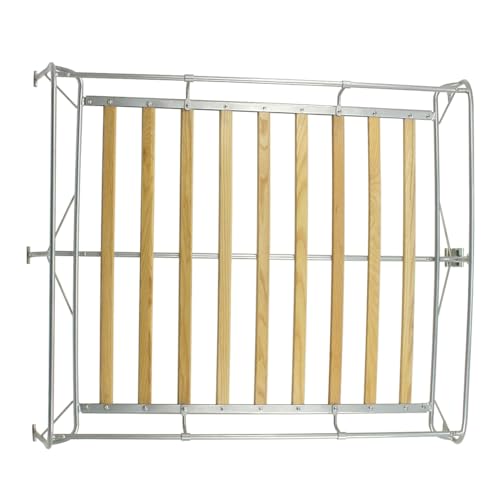
For the owner of a classic VW Beetle custom, few vintage accessories are as iconic as a wood-slat roof rack. This is one of the easiest and most functional exterior accessories you can add, instantly evoking a sense of nostalgia and adventure. These racks are designed to clamp directly onto the Beetle’s rain gutters, requiring no drilling and making installation a simple, completely reversible process.
Tools & Supplies Needed
- Vintage-style, gutter-mount roof rack kit
- Allen key or wrench set (often included)
- Rubber mallet (optional)
- Measuring tape
- Step stool
Step-by-Step Directions
- Assemble the Rack: Following the manufacturer’s instructions, loosely assemble the main frame of the roof rack on the ground. Do not fully tighten the bolts yet.
- Clean the Gutters: Thoroughly clean the rain gutters on your Beetle’s roof to ensure the rack’s clamps have a clean, secure surface to mount to.
- Position the Rack: With a helper, carefully lift the assembled rack and place it on the roof of the Beetle.
- Engage the Clamps: Position the mounting clamps so they hook securely into the rain gutters. Use a measuring tape to ensure the rack is centered on the roof and the clamps are evenly spaced.
- Tighten the Clamps: Alternating from side to side and front to back, begin to tighten the clamps. This ensures even pressure. The clamps should be snug, but do not overtighten and risk denting the gutter. A rubber mallet can gently tap them into place if needed.
- Final Assembly Tightening: Once the rack is securely clamped to the gutters, go back and fully tighten all the bolts on the rack’s frame itself. Give the entire rack a firm shake to ensure there is no movement.
Pro-Tip: Although these racks are sturdy, they are not designed for extremely heavy loads. According to industry best practices, always distribute weight evenly and place heavier items towards the mounting points. After your first drive, re-check the tightness of all clamps and bolts.
6. Unleash a Sportier Sound with an Aftermarket Exhaust System

Pin this performance mod for an instant attitude adjustment!
Your Beetle’s voice is a huge part of its personality. Upgrading to one of the many custom exhaust systems VW Beetle owners favor is a fantastic way to enhance the driving experience. A quality aftermarket exhaust + system adds a deep, throaty growl and can free up a little extra horsepower. For a straightforward DIY project, look for a “bolt-on” kit that replaces everything from the catalytic converter back (on modern cars) or simply the muffler (on classic Beetles).
Tools & Supplies Needed
- Bolt-on exhaust kit for your specific Beetle model
- Floor jack and jack stands
- Socket set with extensions and universal joint
- Exhaust hanger removal tool
- Penetrating oil (e.g., PB Blaster)
- New exhaust gaskets and hardware (often included with kit)
Step-by-Step Directions
- Safely Lift the Vehicle: Jack up the rear of the car and secure it on jack stands to get enough room to work.
- Soak the Bolts: Liberally spray all exhaust bolts and rubber hangers with penetrating oil. Let it soak for at least 15-20 minutes. This is the most important step for dealing with rusty, old parts.
- Remove the Old System: Use the exhaust hanger removal tool to pry the rubber hangers off the factory muffler. Then, use your socket set to unbolt the old exhaust from the catalytic converter (on modern cars) or heat exchangers (on classic cars).
- Prepare for Installation: Clean the flange surface where the new exhaust will bolt up. Ensure the surface is smooth and free of old gasket material.
- Hang the New Exhaust: Place the new gasket on the flange. With a helper, lift the new exhaust system into place and slide the new rubber hangers on. Loosely thread the bolts to hold it in position.
- Align and Tighten: Adjust the position of the muffler and tips until they are perfectly centered in the bumper cutouts. Once you are happy with the alignment, tighten all bolts to the manufacturer’s specified torque.
- Check for Leaks: Start the car and listen for any hissing sounds near the connection flange, which would indicate an exhaust leak. If you find one, re-tighten the bolts.
Pro-Tip: While it’s tempting to go for the loudest system, a complete “straight pipe” exhaust with no muffler can be unpleasant for daily driving and may be illegal in your area. A quality performance muffler provides a deep, aggressive tone without excessive drone at highway speeds.
![J2 Engineering J2-CBE-OS-062 Cat Back Exhaust System [Compatible with 06-10 Volkswagen Beetle]](https://m.media-amazon.com/images/I/51hykr6jCXL.jpg "Volkswagen Beetle Customization: 9 Unique DIY Mods for [year] 12")
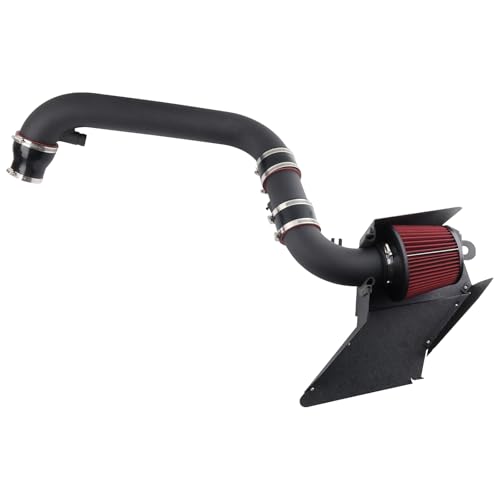
7. Improve Throttle Response with a Cold Air Intake

Pin this easy engine mod for a weekend power boost!
If you’re wondering, can you make a VW Beetle faster?, one of the simplest and most satisfying first steps is installing a cold air intake. This is one of the most common Beetle engine reliability upgrades because it allows the engine to breathe cooler, denser air, which can improve throttle response and produce a pleasing induction sound. It’s a straightforward bolt-on modification that also enhances your engine bay customization Beetle aesthetic.
Tools & Supplies Needed
- Cold air intake kit with filter, piping, and couplers
- Screwdriver set (flathead and Phillips)
- Socket set
- Pliers
Step-by-Step Directions
- Disconnect the Battery: Disconnect the negative battery terminal as a safety measure.
- Locate the Stock Airbox: Open the hood and locate the factory airbox. It’s typically a large black plastic box connected to the engine’s throttle body via a large tube.
- Remove the Factory System: Unplug the Mass Airflow (MAF) sensor wiring harness. Loosen the hose clamps on the intake tube and unclip the top of the airbox. Remove the stock air filter, tube, and entire airbox assembly from the engine bay.
- Transfer the MAF Sensor: Carefully unscrew the MAF sensor from the factory intake tube and install it onto the new cold air intake pipe. Be very gentle; this sensor is delicate.
- Assemble the New Intake: Loosely assemble the new intake pipe, silicone couplers, and heat shield (if included) according to the kit’s instructions.
- Install the New System: Fit the heat shield into the engine bay where the stock airbox was. Install the new intake pipe, connecting one end to the throttle body and positioning the filter end in the coolest part of the engine bay.
- Tighten and Secure: Once everything is aligned, tighten all hose clamps and bolts. Reconnect the MAF sensor wiring harness. Double-check that all connections are secure. Reconnect the battery.
Pro-Tip: The Mass Airflow (MAF) sensor is extremely sensitive. Never touch the sensor’s delicate wires with your fingers or spray cleaner directly on it. When moving it to the new intake pipe, handle it by its plastic housing only.
8. Remap Your Engine with a Plug-In ECU Tune

Unlock hidden power! Pin this modern tuning guide.
For owners of a modern (2012+) Beetle, the single most effective Beetle performance customization is a plug-in ECU tune. VW Beetle tuning involves rewriting the engine’s software to safely increase horsepower and torque. This form of advanced ECU tuning VW Beetle modification offers the biggest performance gain for your money and can be done in your own driveway in under an hour.
Tools & Supplies Needed
- Handheld ECU flash tuner (e.g., from APR, Unitronic, Cobb Tuning)
- A reliable car battery charger/tender
- Laptop with tuner’s software (if required)
Step-by-Step Directions
- CRITICAL: Connect a Battery Charger: Before you begin, connect a stable battery charger to your car’s battery. An interruption in power during the flash process can corrupt the ECU, rendering the car undriveable.
- Download Stock File (If Applicable): Follow the tuner’s instructions. This usually involves plugging the device into the OBD-II port (under the steering wheel), turning the ignition to the “On” position (do not start the engine), and following the on-screen prompts to read and save your car’s stock engine file.
- Purchase and Load Tune File: You may need to email your stock file to the tuning company. They will send you back a modified “tune” file (e.g., a “Stage 1” file). Load this new file onto your handheld device via your computer.
- Flash the ECU: Reconnect the device to the OBD-II port with the battery charger still attached. Select the option to “Flash” or “Write” the new tune file to the car.
- Follow On-Screen Prompts: The process will take several minutes. You will see progress bars and may see various warning lights flash on your dashboard. Do not interrupt this process for any reason.
- Finalize the Process: Once the flash is 100% complete, the device will prompt you to cycle the ignition off and then on again. Disconnect the tuner and the battery charger. Your car is now tuned.
Pro-Tip: ECU tuning companies offer different “stages.” A Stage 1 tune is designed for a completely stock car. A Stage 2 tune requires supporting hardware modifications, like a cold air intake and a high-flow downpipe. Starting with a Stage 1 tune is the safest and most data-driven Beetle performance upgrade for beginners.

9. Customize Your Dashboard with Unique Accents

Pin this easy interior hack for a pop of color!
A customized dashboard Beetle interior adds a pop of personality right where you’ll see it most. Adding dashboard accessories or changing the color of the trim pieces is a great way to make your VW Beetle look unique on a budget. Many of the plastic trim pieces on the dashboard and doors can be easily removed, allowing you to either paint them or apply a vinyl overlay for a custom touch.
Tools & Supplies Needed
- Interior trim removal tool kit
- Isopropyl alcohol and microfiber cloths
- For Painting: Sandpaper (400 grit), plastic-specific primer (adhesion promoter), automotive color-matched spray paint, and clear coat.
- For Vinyl: Pre-cut dash trim vinyl kit, small squeegee, heat gun.
Step-by-Step Directions
- Remove the Trim Pieces: Carefully use plastic trim removal tools to pry off the dashboard accent pieces you wish to customize. They are usually held in by clips.
- Clean Thoroughly: Vigorously clean the surface of the trim pieces with isopropyl alcohol to remove any oils or interior protectant residues. This is vital for both paint and vinyl adhesion.
- Method A: Painting the Trim
a. Lightly scuff the entire surface with 400-grit sandpaper.
b. Apply 2-3 light coats of plastic adhesion promoter (primer). Let it dry completely.
c. Apply several light coats of your chosen color-matched spray paint.
d. Finish with 2-3 coats of automotive clear coat for gloss and protection. Let it cure for 24 hours. - Method B: Applying a Vinyl Kit
a. Peel the backing off a pre-cut vinyl piece.
b. Lightly spray the adhesive side with a water/soap solution for easier positioning.
c. Lay the vinyl on the trim piece and use a small squeegee to push out the water and air bubbles.
d. Use a heat gun on low to help the vinyl conform to any curves and to set the adhesive. - Reinstall the Trim: Once the paint has cured or the vinyl is applied, carefully snap the custom trim pieces back into the dashboard.
Pro-Tip: When painting plastic interior parts, using an adhesion promoter is not optional. It’s a special type of primer that chemically bonds to the plastic, creating a stable surface for the color coat to stick to. Without it, your paint will almost certainly peel or flake off over time.
Key Takeaways
- Customization is Accessible: Many unique VW Beetle mods, from interior upholstery to bolt-on performance parts, are achievable as DIY projects with basic tools and careful planning.
- Preparation is Paramount: For mods like vinyl wrapping and painting, 90% of the work is in the surface preparation. A perfectly clean, decontaminated surface is essential for a professional result.
- Balance Aesthetics and Performance: The most satisfying custom VW Beetle builds often combine visual upgrades like custom wheels with performance enhancements like an ECU tune or an improved exhaust system.
- Safety First: When working with suspension, electrical systems, or using jacks, always follow safety guidelines for Beetle mods. Disconnecting the battery and using jack stands are non-negotiable first steps.
- Choose Reversible Mods: Options like vinyl wraps, bolt-on parts, and plug-in tuners allow you to personalize your Volkswagen without making permanent changes, which can be beneficial for resale value.
- Research is Key: Before buying aftermarket parts, consult VW Beetle community forums to find reviews and confirm fitment for your specific model year, preventing costly mistakes.
FAQs About Volkswagen Beetle Customization
How much does it cost to customize a VW Beetle?
The cost to customize a VW Beetle ranges widely, from under $100 for small DIY mods to over $20,000 for professional, full-scale builds. A simple DIY project like installing a roof rack or a cold air intake can cost $150-$400. A set of quality wheels and coilovers can range from $1,500-$3,000, while a professional custom paint job can start at $5,000.
What are the easiest DIY mods for a Beetle?
The easiest DIY mods include installing gutter-mount roof racks, applying pre-cut vinyl dash kits, swapping to LED interior bulbs, and installing a bolt-on cold air intake. These projects typically require only basic hand tools, are easily reversible, and can be completed in an afternoon, making them perfect for beginners looking to personalize VW Beetle aesthetics and feel.
Can you make a VW Beetle faster?
Yes, you can absolutely make a VW Beetle faster, especially modern turbocharged models. The most effective ways to increase speed are through a Stage 1 ECU tune, which can add 30-50 horsepower instantly. Supporting mods like a cold air intake, a high-flow downpipe, and a performance exhaust system further improve engine breathability and power.
What is the difference between a classic and new Beetle for customization?
Classic air-cooled Beetles excel in mechanical simplicity and vintage aesthetics, while modern water-cooled Beetles offer advanced performance tuning and comfort upgrades. Customizing a classic Bug often involves engine swaps and achieving styles like “Cal Look” or “Rat Look.” Customizing a new Beetle focuses more on ECU tuning, air ride suspension, and modern wheel fitment.
Are customized VW Beetles reliable?
A customized Beetle’s reliability depends entirely on the quality of the parts and installation. Using reputable Beetle customization shops and certified VW Beetle aftermarket parts from trusted brands generally leads to a reliable vehicle. Poorly installed wiring, cheap suspension components, or overly aggressive engine tunes without supporting mods can significantly decrease reliability.
What are some budget-friendly Beetle customization ideas?
You can customize a Beetle on a budget by focusing on high-impact, low-cost DIY projects. Ideas include painting your brake calipers, applying vinyl overlays to interior trim, “smoking” your taillights with film, installing a short-throw shifter, or finding used VW Beetle accessories from online marketplaces and forums.
How do I add modern features to a vintage VW Beetle?
Adding modern tech to a classic Beetle is a popular “restomod” trend. This can include installing a discreet Bluetooth stereo, upgrading to LED headlights, performing a disc brake conversion for better stopping power, and even adding custom air conditioning systems. These upgrades improve daily usability while retaining the car’s classic charm.
What is a “restomod” VW Beetle?
A restomod VW Beetle is a classic Beetle that has been restored with modern parts and technology. This approach combines the timeless look of the vintage car with the performance, reliability, and comfort of a modern vehicle. Common restomod features include fuel-injected engines, updated suspension, modern interiors, and disc brakes.
Do I need special tools for Beetle customization?
While many mods can be done with a basic socket set and screwdrivers, some jobs require special tools. An exhaust hanger removal tool, interior trim removal kit, and coilover spanner wrenches are inexpensive tools that make specific jobs much easier. For engine or suspension work, a torque wrench is essential for safety.
Where can I find inspiration for my custom Beetle build?
The best inspiration comes from online communities and visual platforms. Pinterest is excellent for searching custom VW bug styles. Instagram hashtags like #vwbeetle and #custombeetle are full of ideas. Finally, dedicated VW Beetle community forums like TheSamba.com are invaluable resources for seeing detailed build threads and asking for advice from experienced owners.
Final Thoughts on Your VW Beetle Customization Journey
Your Volkswagen Beetle is a rolling reflection of you. More than almost any other car, it provides a great platform for self-expression, whether you own a classic VW Beetle custom or a modern Beetle custom look is more your speed. As this guide shows, a unique Beetle customization is well within reach, often with just a few well-chosen aftermarket parts and a free weekend. By prioritizing quality components, following safety guidelines, and starting with manageable Beetle custom projects, you can confidently begin to build the car you’ve always wanted. The journey is just as rewarding as the destination. Which of these Beetle transformation ideas will you try first?
Last update on 2026-04-02 / Affiliate links / Images from Amazon Product Advertising API


![Dubai Luxury Cars: Ultimate Guide for Buying & Renting [year]](https://i0.wp.com/carxplorer.com/wp-content/uploads/2026/03/Dubai-Luxury-Cars-Ultimate-Guide-for-Buying-Renting-year-1.jpg?resize=60%2C60&ssl=1 "Dubai Luxury Cars: Ultimate Guide for Buying & Renting [year] 20")
![9 Old Luxury Cars: Cheap, Reliable & Built to Last [year]](https://i0.wp.com/carxplorer.com/wp-content/uploads/2026/03/9-Old-Luxury-Cars-Cheap-Reliable-Built-to-Last-year-1.jpg?resize=60%2C60&ssl=1 "9 Old Luxury Cars: Cheap, Reliable & Built to Last [year] 22")

![Luxury Cars White: 9 Elegant Designs & Top Models for [year]](https://i0.wp.com/carxplorer.com/wp-content/uploads/2026/03/Luxury-Cars-White-9-Elegant-Designs-Top-Models-for-year-1.jpg?resize=60%2C60&ssl=1 "Luxury Cars White: 9 Elegant Designs & Top Models for [year] 26")
![Blue Luxury Cars: 11 Stunning Models & Shades in [year]](https://i0.wp.com/carxplorer.com/wp-content/uploads/2026/03/Blue-Luxury-Cars-11-Stunning-Models-Shades-in-year-1.jpg?resize=60%2C60&ssl=1 "Blue Luxury Cars: 11 Stunning Models & Shades in [year] 28")