
Trying to capture the elusive Vintage Porsche Aesthetic in your photos or style? Many struggle to define this blend of engineering, culture, and timeless design. It goes far beyond just an old car.
The Vintage Porsche Aesthetic is a visual and cultural style defined by the design of classic Porsche models, primarily from the 1960s through the 1980s. It emphasizes timeless, functional design, iconic silhouettes like the 911’s flyline, specific details like Fuchs wheels, and a sense of understated, analog performance. It represents a blend of motorsport heritage and sophisticated, often nostalgic, lifestyle appeal.
Based on an analysis of Porsche design stories and historical accuracy, this guide explains the core principles of this enduring style. You will discover the specific design elements, the philosophy behind its timelessness, and how to capture this aesthetic in your own life and work.
Key Facts
- Form Follows Function: The Vintage Porsche Aesthetic is rooted in German engineering, where every design element, from the shape of a spoiler to the design of a wheel, serves a performance-oriented purpose, demonstrating that style is a byproduct of function.
- Unbroken Design Lineage: The Porsche 911’s design is considered timeless because its core silhouette has been consistently evolved since 1963, not revolutionized, creating a powerful sense of heritage that few other cars possess.
- ‘Old Money’ Connection: This aesthetic is strongly associated with the ‘Old Money’ lifestyle, as it represents discerning taste, heritage, and quality over flashy trends, according to cultural analysis.
- Analog Experience is Central: A key part of the aesthetic’s appeal comes from the raw, mechanical experience of an air-cooled engine and a manual transmission, a sensory experience that defines its nostalgic charm.
- Photography’s Role: The aesthetic is heavily defined and propagated through car photography, which often uses muted tones, natural light, and brutalist or scenic backdrops to enhance the car’s classic lines, as seen on platforms like Pinterest and Instagram.
What Defines the Vintage Porsche Aesthetic?
The Vintage Porsche Aesthetic is a design language from the 1960s to 1980s characterized by functional minimalism, iconic silhouettes, and an air of understated performance. It combines German engineering precision with a timeless, artistic quality. This aesthetic is defined by key elements like air-cooled engines, specific wheel designs, and a driver-focused interior. It’s not just about the car itself, but the feeling it evokes—a blend of motorsport DNA, historical legacy, and a connection to a more analog era of driving. The origins of this style are rooted in Automotive History and the principles of German Engineering, where efficiency and purpose create a unique form of beauty.

This classic Porsche style is more than just retro; it’s a curated identity built on decades of heritage. It avoids fleeting trends in favor of a proven, refined form. The aesthetic’s meaning is found in its details and the philosophy behind them. To truly understand the porsche visual identity, we look at its foundational pillars.
- Timeless Form: The aesthetic prioritizes the iconic shape, most notably the 911’s “flyline”—the single, elegant curve that runs from the roof to the rear bumper. This shape has remained fundamentally unchanged, creating instant recognition.
- Mechanical Honesty: There is nothing superfluous. Spoilers add downforce, vents cool the engine, and the wide rear arches accommodate larger tires for better grip. This stripped-back approach is central to its appeal.
- Motorsport DNA: The aesthetic is heavily influenced by Porsche’s rich rally and Le Mans history. Elements like rally tires, chunky supergraphics, and the overall purposeful stance of the cars are direct nods to their racing pedigree.
- Understated Presence: Unlike many modern supercars that shout for attention, a vintage Porsche has a quiet confidence. It uses muted tones and classic lines, making a statement through its design purity rather than flash.
What Are The Core Design Elements of the Vintage Porsche Aesthetic?
The core design elements of the vintage Porsche aesthetic include the iconic 911 flyline, round headlights, forged alloy Fuchs wheels, functional spoilers like the “ducktail” and “whale tail,” and driver-focused analog interiors with classic five-dial gauge clusters. These specific visual cues are the building blocks that create the unmistakable classic Porsche style. Each element tells a story of performance, design, and heritage.
The Iconic Flyline
This is the quintessential design feature, the unmistakable roofline of the Porsche 911 that slopes down to the rear bumper in a perfect, unbroken arc. It’s the car’s signature and has been a constant element of the Porsche Design Language since the very beginning, a testament to its perfect proportions.
Round Headlights
The simple, circular headlights give the front of a classic 911 an approachable and instantly recognizable face. This design choice has become a defining part of the car’s identity, contrasting with the more aggressive and angular designs of many contemporaries.
The Fuchs Wheel
Perhaps no single component is more associated with the vintage aesthetic than the Fuchs wheel. This forged alloy wheel features a distinctive 5-leaf “cloverleaf” design. Originally engineered to be lightweight and strong for the 911S, its functional beauty made it a visual staple.
💡 Did You Know? The German name for this iconic wheel is Fuchsfelge. It was commissioned by Porsche from the company Otto Fuchs KG in the 1960s and became the first mass-produced forged aluminum wheel, setting an industry standard for performance.
Functional Spoilers: “Ducktail” and “Whale Tail”
The spoilers on vintage Porsches are perfect examples of form following function. The “ducktail” spoiler on the Carrera RS 2.7 reduced rear-end lift significantly. The larger “Whale Tail Spoiler,” introduced on the first 911 Turbo, was even more dramatic, providing immense downforce and housing the intercooler needed for the turbocharger, enhancing its aggressive aesthetic.
The Five-Dial Dash
The interior is defined by a simple, driver-focused layout. The classic five-dial instrument cluster, with the tachometer placed directly in the center, emphasizes that this is a machine built for driving. The use of analog gauges and simple, high-quality materials reinforces the mechanical and tactile nature of the car.
Vintage Color Palette
While many Porsches are seen in classic silver or black, the vintage era was famous for its unique and expressive color palette. Muted tones and earthy shades were popular, but so were bold choices that are now iconic. Colors like Bahama Yellow, Irish Green, Signal Orange, and Slate Gray are synonymous with this aesthetic.
Why Is the Classic Porsche 911 Design Considered Timeless?
The Porsche 911’s design is timeless due to its evolutionary principle, maintaining its iconic “flyline” silhouette since 1963. Unlike other cars that undergo revolutionary redesigns with each new generation, the 911 has been meticulously refined, creating an unbroken visual lineage. This commitment to its original form, rooted in a “form follows function” philosophy from German Engineering, makes it instantly recognizable and perennially modern.
This approach was established by its original designer, Ferdinand “Butzi” Porsche. The philosophy was simple: every line and every component must have a purpose. This results in an “honest” design, free from unnecessary ornamentation. This Timeless Design creates a powerful sense of authenticity that trend-driven designs lack.
Here’s why this evolutionary approach contributes to its enduring appeal:
- Unbroken Heritage: A 911 from the 1970s is clearly related to a model from the 2026 lineup. This creates a strong Porsche Heritage Design identity that resonates with owners and enthusiasts. When you see a classic 911, you’re seeing the spirit of every 911 that came after it.
- Functionalism Over Trends: The car’s shape was dictated by its rear-engine, air-cooled layout. The lack of a front grille, the sloping rear, and the wide hips were all born from engineering needs. Because its design is rooted in function rather than fashion, it never goes out of style.
- The Semiotics of Design: The 911’s shape has become a cultural symbol for “sports car.” Its consistent form for over 60 years means it has been ingrained in our collective visual library. It communicates performance, quality, and a certain kind of sophisticated style without saying a word. In the debate of Classic 911 vs New 911, the core DNA remains the constant.
“A formally harmonious product needs no decoration; it should be elevated through pure form.” — Ferdinand A. “Butzi” Porsche
This quote perfectly captures the essence of the Porsche 911 Spirit. The car’s beauty comes from its purity of form and purpose, which is the ultimate reason its design has stood the test of time and become a benchmark in automotive history.
How Does the Vintage Porsche Aesthetic Connect to the ‘Old Money’ Lifestyle?
The Vintage Porsche Aesthetic is a cornerstone of the ‘Old Money’ lifestyle because it symbolizes quiet luxury and heritage over ostentatious wealth. A classic 911 is chosen for its timeless design and engineering pedigree, not for being the newest or flashiest model. This preference for enduring quality and the appreciation of patina aligns perfectly with the ‘Old Money’ ethos of valuing inherited, well-maintained items.
Unlike the “New Money” aesthetic, which often favors loud colors and the latest supercars to signal immediate success, the Porsche Old Money Aesthetic is about understatement. It’s a choice that suggests taste cultivated over generations. A vintage Porsche isn’t a purchase; it’s often seen as a custodianship of a piece of history. This aligns perfectly with the core values shared by both aesthetics.
Here’s a breakdown of the shared values:
- Quality over Flash: ‘Old Money’ values a well-made watch, a tailored suit, or a piece of art that lasts. A vintage Porsche, with its emphasis on German Engineering and durable materials, fits this mold perfectly.
- Heritage is Paramount: The aesthetic appreciates items with a story. A classic Porsche, with its motorsport legacy and decades-long design lineage, possesses an authentic heritage that a brand-new car cannot buy.
- Appreciation of Patina: A small stone chip on the hood or the gentle wear on a leather seat is not seen as a flaw. Instead, this patina is a sign of a life well-lived and an object well-loved, a concept central to the ‘Old Money’ appreciation for heirlooms.
- Discreet Choice: Opting for a 40-year-old car instead of the latest release is a deliberate and sophisticated choice. It signals confidence and a taste that doesn’t require external validation, a key marker of the Vintage Lifestyle.
For those wondering how to achieve the old money car aesthetic, the answer lies in choosing a vehicle for its history, design purity, and driving pleasure, not for the attention it commands.
How Can You Capture the Vintage Porsche Aesthetic in Photography?
To capture the vintage Porsche aesthetic in photography, focus on natural lighting during golden hour, use composition to highlight the car’s lines, and choose locations that complement its heritage, like brutalist architecture or winding country roads. In post-production, the goal is a stripped-back approach that feels authentic, not over-produced. This involves editing for muted tones, adding a subtle film grain, and crushing the blacks slightly to achieve a timeless, analog feel.
From our experience in car photography, successfully capturing the classic Porsche style is less about expensive gear and more about understanding the mood. It’s about telling a story of heritage and performance.
Shooting Tips: Capturing the Raw Image
- Choose the Right Location: The background is half the story. Look for brutalist concrete buildings, empty airfields, scenic mountain roads, or dense forests. These locations provide a sense of scale and texture that complements the car’s industrial design.
- Shoot in “Golden Hour”: The first hour after sunrise and the last hour before sunset provide soft, warm light that accentuates the car’s curves and gives the paint a rich glow. Avoid harsh midday sun, which creates unflattering reflections.
- Focus on the Details: The aesthetic is in the small things. Take close-up shots of the five-dial gauges, the texture of the Fuchs wheels, the “Carrera” script on the side, or the light catching the patina on the hood badge.
- Master Composition: Use leading lines (like the curve of a road) to draw the viewer’s eye to the car. The “rule of thirds” is your best friend. Position the car off-center to create a more dynamic and visually interesting shot.
- Use a Low Angle: Shooting from a lower angle makes the car look more heroic and powerful. It emphasizes the car’s stance and its connection to the road.
Editing Tips: Crafting the Vintage Vibe
- Create Muted Tones: This is the most crucial step. In editing software like Lightroom or a mobile app like VSCO, slightly desaturate the vibrant colors, especially blues and greens. This gives the photo a more timeless, film-like quality.
- Add Subtle Film Grain: Digital photos are perfectly clean, but vintage film had a natural grain. Adding a very subtle grain effect makes the image feel more tactile and nostalgic. Don’t overdo it.
- “Crush” the Blacks: In your tone curve settings, pull the bottom-left point of the curve slightly upwards. This makes the darkest parts of the image a faded gray instead of pure black, a common characteristic of old photographs.
- Warm Up the Highlights: Add a slight yellow or orange tint to the highlights of the image. This mimics the warm cast of vintage film stock and complements the golden hour light.
- Experiment with Aspect Ratios: Cropping your photo to a wider, more cinematic aspect ratio (like 16:9 or 2.35:1) can instantly make it feel more intentional and stylized.
Where Can You Find and Use Vintage Porsche Aesthetic Art and Wallpapers?
You can find free, high-resolution vintage Porsche wallpapers on copyright-free sites like Unsplash and Pexels by searching for “classic Porsche” or “vintage 911.” For purchasable art prints, posters, and wall decor, platforms like Etsy offer a wide selection of unique designs from independent artists. For official art, the Porsche Design online store is the primary source. Whether for your phone’s background or your living room wall, there are great options for every budget.
Free Resources for Wallpapers and Inspiration
For those seeking Vintage Porsche Wallpaper for desktops or phones, free resources are the best place to start.
- Unsplash & Pexels: These platforms host professional-quality, copyright-free images. Searching for “classic Porsche,” “old 911,” or “air-cooled Porsche” will yield thousands of high-resolution classic Porsche pictures perfect for wallpapers.
- Pinterest: This is the ultimate tool for visual inspiration. Create Pinterest Boards dedicated to the “Vintage Porsche Aesthetic” to curate images, discover photographers like Pistaman81, and refine your sense of style.
Platforms for Purchasing Art and Decor
If you want to bring the aesthetic into your home or office, these platforms offer a range of wall decor options.
- Etsy: This is the go-to marketplace for unique, artist-created items. You can find everything from minimalist blueprint posters of a Porsche 356 to stylized prints of a 911 Turbo in motion. It’s the best source for finding authentic art with a personal touch.
- Society6: Similar to Etsy, Society6 allows artists to sell their designs on various products, including high-quality art prints, framed canvases, and even furniture. This is a great place to find more abstract or modern interpretations of the classic Porsche style.
Here is a quick comparison to help you choose:
| Source Platform | Best For | Price Range |
|---|---|---|
| Unsplash | Free High-Resolution Wallpapers | Free |
| Visual Inspiration & Mood Boards | Free | |
| Etsy | Unique Art Prints & Posters | $$ |
| Society6 | Artist-Designed Decor & Goods | $$ – $$$ |
| Porsche Design Store | Official Merchandise/Prints | $$$ |
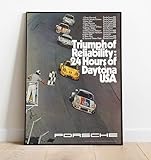
When searching on these platforms, use descriptive keywords like “Porsche 911 blueprint print,” “classic car aesthetic,” or “old money aesthetic porsche” to find exactly what you’re looking for.
FAQs About Vintage Porsche Aesthetic
What is the difference between a “vintage” and a “classic” Porsche?
While often used interchangeably in pop culture, “vintage” technically refers to cars made before 1930, but is commonly used for pre-1980s cars. A “classic” is a broader term, often defined by enthusiast clubs as any model that has been out of production for a number of years. For this aesthetic, both terms point toward the heritage designs of older, air-cooled models.
What are the most iconic vintage Porsche colors?
Beyond standard silver and red, the most iconic vintage colors are period-specific hues that evoke the 60s and 70s. These include Bahama Yellow, Signal Orange, Irish Green (one of the very first 911 colors), and the sophisticated Slate Gray. These colors are a key component of the retro feel and “Muted Tones” associated with the aesthetic.
Why is the ‘whale tail’ spoiler so iconic?
The “whale tail” is iconic because it perfectly embodied Porsche’s “form follows function” philosophy with a visually dramatic result. Introduced on the 1975 911 Turbo (930), its large surface was essential for providing downforce to manage the car’s massive power, while its design cleverly integrated the intercooler needed for the turbocharger.
Are all old Porsches considered part of the vintage aesthetic?
Not necessarily, as the aesthetic is most closely tied to the air-cooled, rear-engine models like the 911, 356, and 914. While front-engine models from the same era like the 924, 944, and 928 are respected classics, their distinct, more angular design language generally separates them from the core “vintage Porsche aesthetic.”
How do I achieve the vintage look if my car is modern?
You can evoke the vintage aesthetic on a modern Porsche by incorporating ‘Heritage Design’ elements. This can be done through tasteful, retro-style decals, choosing wheels that mimic the classic Fuchs design, or selecting a “Paint to Sample” color that references an iconic classic hue. The goal is a respectful homage, not an imitation.
What is a Porsche “outlaw”?
A Porsche “outlaw” is a vintage Porsche that has been modified for higher performance and a more aggressive style, intentionally deviating from factory-original specifications. This popular sub-culture within the vintage community prioritizes the driving experience over collectable originality, often featuring engine upgrades, wider wheels, and a lowered stance.
What does “air-cooled” mean and why is it important for the aesthetic?
“Air-cooled” describes an engine that uses airflow over finned metal cylinders to dissipate heat, rather than a liquid coolant and radiator system. All Porsche 911s up to the 993 model in 1998 were air-cooled. This engineering is vital to the aesthetic because it dictated the car’s shape (no need for a front grille) and produced a unique, raw mechanical sound that is central to its nostalgic appeal.
Where does the term ‘Fuchs’ wheels come from?
The iconic wheels are named after the German company that first manufactured them, Otto Fuchs KG. Porsche commissioned them in the 1960s for the 911S model, and they became the world’s first mass-produced forged aluminum wheel. Their strong, lightweight, 5-leaf design was a performance innovation that quickly became a key visual identifier for the brand.
Can I find vintage Porsche apparel?
Yes, a wide variety of apparel channels the vintage Porsche aesthetic. The official Porsche Design store offers a “Classic Collection” featuring heritage-inspired designs. Furthermore, many independent brands on platforms like Etsy and dedicated automotive apparel websites sell t-shirts, hats, and jackets featuring retro logos and illustrations of classic models.
What are “supergraphics” in Porsche design?
“Supergraphics” are the large, bold decals and stripes seen on many vintage Porsches, most famously the “Carrera” script running along the car’s side. These graphics were very popular in the 1970s and served to emphasize the car’s dynamic lines and communicate its performance identity, adding to the aggressive, motorsport-derived aspect of the aesthetic.
Key Takeaways: Vintage Porsche Aesthetic Summary
- Aesthetic Defined by Function: The Vintage Porsche Aesthetic isn’t just a look; it’s a result of a “form follows function” philosophy. Iconic elements like the “whale tail” spoiler and air-cooled engine shape are rooted in engineering and performance needs.
-
Timeless Through Evolution: Unlike other brands, Porsche’s design language is timeless because it has evolved consistently rather than being reinvented. The core 911 silhouette from the 1960s is still recognizable in cars produced decades later.
-
Key Visual Identifiers: The aesthetic is immediately identifiable by a few key features: the 911’s iconic flyline, round headlights, 5-spoke Fuchs wheels, and a minimalist, driver-focused five-dial gauge cluster.
-
‘Old Money’ Cultural Connection: This aesthetic strongly aligns with the ‘Old Money’ lifestyle by symbolizing heritage, understated quality, and discerning taste over flashy, trend-based luxury.
-
Capturing the Vibe is About Authenticity: Whether in photography or decor, successfully capturing the aesthetic requires focusing on authenticity. This means using natural light, muted tones, and locations with historical character, and choosing art that respects the brand’s heritage.
-
It’s More Than Just the 911: While the air-cooled 911 is the centerpiece, the aesthetic also includes the foundational Porsche 356 and the quirky, mid-engine 914, which all share the same minimalist, driver-focused ethos.
-
Analog Experience is Key: A core part of the appeal is the analog nature of the cars. The mechanical sound of the flat-six engine, the feel of the H-pattern shifter, and the direct feedback from the road are sensory inputs that are central to the vintage experience.
Final Thoughts on the Vintage Porsche Aesthetic
The Vintage Porsche Aesthetic is an enduring cultural and design phenomenon because it represents more than just a car; it’s a testament to timeless, functional design and an authentic, analog driving experience. Its appeal lies in the perfect balance between sophisticated engineering and pure, understated style. By understanding its core elements—from the iconic flyline to the philosophy of “form follows function”—you can learn to appreciate, identify, and even capture this unique aesthetic in your own creative work. Whether you’re a photographer, a designer, or simply an enthusiast, embracing this aesthetic is about celebrating a legacy of purpose-driven beauty.
Last update on 2026-03-29 / Affiliate links / Images from Amazon Product Advertising API


![Dubai Luxury Cars: Ultimate Guide for Buying & Renting [year]](https://i0.wp.com/carxplorer.com/wp-content/uploads/2026/03/Dubai-Luxury-Cars-Ultimate-Guide-for-Buying-Renting-year-1.jpg?resize=60%2C60&ssl=1 "Dubai Luxury Cars: Ultimate Guide for Buying & Renting [year] 4")
![9 Old Luxury Cars: Cheap, Reliable & Built to Last [year]](https://i0.wp.com/carxplorer.com/wp-content/uploads/2026/03/9-Old-Luxury-Cars-Cheap-Reliable-Built-to-Last-year-1.jpg?resize=60%2C60&ssl=1 "9 Old Luxury Cars: Cheap, Reliable & Built to Last [year] 6")

![Luxury Cars White: 9 Elegant Designs & Top Models for [year]](https://i0.wp.com/carxplorer.com/wp-content/uploads/2026/03/Luxury-Cars-White-9-Elegant-Designs-Top-Models-for-year-1.jpg?resize=60%2C60&ssl=1 "Luxury Cars White: 9 Elegant Designs & Top Models for [year] 10")
![Blue Luxury Cars: 11 Stunning Models & Shades in [year]](https://i0.wp.com/carxplorer.com/wp-content/uploads/2026/03/Blue-Luxury-Cars-11-Stunning-Models-Shades-in-year-1.jpg?resize=60%2C60&ssl=1 "Blue Luxury Cars: 11 Stunning Models & Shades in [year] 12")