
Dreaming of kicking up fresh powder with a classic car, the engine rumbling through a silent, snowy landscape? You’re not alone. But the fear of rust, a non-starting engine, or a dangerous slide often keeps that Vintage Car Snow Adventure firmly in the realm of fantasy.
A successful Vintage Car Snow Adventure requires preparing your vehicle for the unique challenges of cold and low traction. This involves upgrading to proper winter tires, winterizing engine fluids and battery systems, implementing robust rust protection, and carrying essential recovery gear. By mastering these key areas, you can turn a classic car from a garage queen into a reliable winter explorer.
Drawing from established best practices and verified mechanical knowledge, this guide provides the framework to make that dream a reality. You will discover the 7 essential tips to prepare both your car and yourself for an unforgettable journey. Let’s transform your classic into a true winter legend.
How Do You Turn a Classic Car into a Winter Legend?
The image of a vintage automobile gracefully navigating a snowy mountain pass is the stuff of dreams. It evokes a sense of romance, resilience, and pure analog driving pleasure that modern, computer-controlled vehicles often lack. However, the reality of driving period-correct vehicles in harsh winter conditions is fraught with challenges. The primary concerns for any classic owner—cold start issues, a terrifying lack of traction, and the corrosive devastation of road salt damage—are all amplified by freezing temperatures and snow. This guide is built on decades of driving experience and proven cold-weather techniques to address these fears head-on. We will provide a clear, 7-step path to achieving your dream of a historical car snow tour, ensuring it’s remembered for the breathtaking views and not for a call to a tow truck.
Vintage Car Snow Adventure: 7 Essential Tips for 2026
Embarking on a Vintage Car Snow Adventure is less about having the “perfect” car and more about having a perfectly prepared one. This is a master guide to the most critical areas of vehicle and driver readiness. Each of the following seven tips is a crucial piece of a comprehensive winterization puzzle, engineered to address the specific vulnerabilities of antique cars in snow. By systematically working through this mechanic-verified checklist, you will build layers of reliability, safety, and comfort, transforming your retro winter road trip from a daunting challenge into an achievable and deeply rewarding experience.
1. Equip Your Classic with the Right Winter Tires

Pin this essential tire tip to your ‘Classic Car Care’ board!
In a classic car without modern electronic aids, tires are not just components; they are your entire traction system. Unlike modern vehicles that rely on wide tires and computer-assisted grip, achieving classic car snow handling excellence often involves a counterintuitive approach. The right set of dedicated winter tires is the single most important safety and performance upgrade you can make for classic car winter driving.
What You Need
- A set of four dedicated winter tires (preferably with a narrow tire profile)
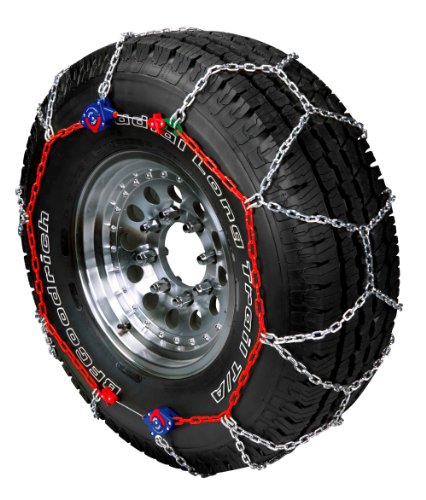
- Optional: A set of classic-style ladder snow chains for deep snow emergencies
- A high-quality tire pressure gauge accurate in cold temperatures
- A torque wrench for proper lug nut specification
Steps
- Remove your all-season or summer tires before the first snowfall.
- Mount and balance your dedicated winter tires. Ensure they are inflated to the vehicle manufacturer’s recommended cold-weather pressure.
- Inspect the treads for deep sipes and flexible rubber, which are key to winter grip.
- Practice installing your snow chains in your driveway before you need them on a snowy mountain pass.
- Test the new setup in a safe, empty, snowy parking lot to understand the car’s new handling characteristics.
Pro-Tip: Contrary to modern logic, narrow tires often outperform wide ones on period-correct vehicles in snow. They exert higher ground pressure, allowing the tire to cut through soft snow and bite into the firmer surface below, a principle crucial for cars without modern electronic traction aids.
2. Prepare for the Cold: Winterize Your Engine & Battery

Don’t get left in the cold! Save this winterization checklist.
The biggest fear of any winter adventurer is being stranded by a car that won’t start. For a vintage vehicle, cold start issues are a significant risk. Batteries lose a substantial amount of their power in freezing temperatures, fluids become thick, and older ignition systems are less forgiving. A thorough engine and battery winterization process is your best defense against the cold.
What You Need
- Engine oil with a low winter viscosity rating (e.g., 5W-30), suitable for your engine type
- Fresh antifreeze/coolant rated for sub-zero temperatures
- A battery terminal cleaning tool and dielectric grease
- An engine block heater or a battery tender/trickle charger
- A can of fuel de-icer/stabilizer
Steps
- Flush the cooling system and refill with a 50/50 mix of new antifreeze and distilled water.
- Change the engine oil and filter, using an oil with a lower “W” number for better cold flow.
- Clean the battery terminals of any corrosion and apply a thin layer of dielectric grease to prevent future buildup.
- Test your battery’s health. If it’s over 3 years old, consider replacing it.
- Install and use an engine block heater the night before a cold start, or keep the battery on a trickle charger to prevent battery drain.
- Add a bottle of fuel de-icer to a full tank of gas to prevent moisture from freezing in the fuel lines.
Pro-Tip: For carbureted engines, carburetor icing is a real risk. It happens when moisture freezes in the carburetor’s venturi, starving the engine of fuel. A properly functioning manual choke and a thorough engine warm-up are your best defenses against this common cold start issue.

3. Implement an Aggressive Rust & Salt Damage Defense

Save your classic from salt! Pin this rust prevention guide.
Road salt is the mortal enemy of a steel body classic car. What might be a minor concern in summer becomes an existential threat in winter. Effective rust prevention is not just a suggestion; it’s a mandatory part of the heritage driving experience if you want that experience to last more than one season. Protecting your investment from salt damage requires a proactive and aggressive defense.
Supplies Needed
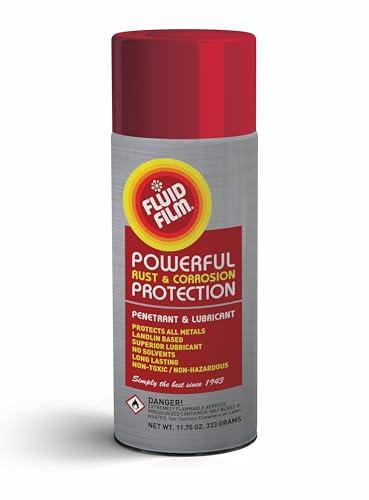
- Multiple cans of a lanolin-based or wax-based rust inhibitor spray (e.g., Fluid Film)
- A high-pressure washer or access to a car wash with an undercarriage spray
- A set of car ramps or jack stands for safe under-vehicle access
- Safety glasses and gloves
- Old clothes or a painter’s suit
Step-by-Step Directions
- Prepare the vehicle by thoroughly washing and drying the undercarriage, removing all dirt and loose rust.
- Secure the vehicle safely on ramps or jack stands.
- Underseal the entire chassis. Systematically spray the rust inhibitor on the frame, floor pans, inside rocker panels, behind bumpers, and on suspension components. Don’t forget the brake lines.
- Protect during the trip by frequently visiting a car wash that has an undercarriage spray to remove fresh salt and grime.
- Maintain the coating. Lanolin/wax coatings are self-healing but should be touched up annually before winter.
Pro-Tip: Avoid old-school hard rubberized undercoatings. Over time, they can dry, crack, and trap moisture against the metal, making rust worse. A modern, non-drying, lanolin-based chassis undercoating is mechanic-verified to be more effective as it remains pliable and actively displaces water.
4. Assemble a Vintage-Specific Off-Road Recovery Kit

Get unstuck! Pin this vintage recovery kit list to your ‘Road Trip Prep’ board.
When you’re exploring snowy backroads in a Vintage 4×4, you are your own roadside assistance. Getting stuck in snow is not a matter of if, but when. Being prepared with the right off-road recovery gear turns a potential trip-ending disaster into a minor inconvenience and a great story. Your kit should be tailored to the simplicity of your vehicle and focus on safe, effective self-recovery.
Tools Required
- A pair of high-visibility traction mats
- A 20-30 foot recovery strap (not a chain) with a rating of at least 2-3x your vehicle’s weight
- A sturdy, collapsible shovel
- A portable 12V air compressor for adjusting tire pressure
- A portable jumper pack or jumper cables
- Basic toolkit (wrenches, sockets, screwdrivers)
- Extra warm blankets, water, and non-perishable food
Steps
- Secure all recovery gear in the vehicle so it cannot become a projectile in a sudden stop.
- Pack the shovel and traction mats last so they are the first things you can grab.
- Learn your vehicle’s recovery points. Identify strong frame points where a recovery strap can be safely attached.
- Practice using the gear. Know how to properly deploy traction mats and safely connect a recovery strap.
- Inspect the kit before every trip, ensuring the jumper is charged and all items are present.
Pro-Tip: Never use a tow chain for recovering a stuck vehicle. They don’t stretch and can shock-load the vehicle frames, causing significant damage. A proper nylon recovery strap stretches, storing kinetic energy for a smoother, safer pull—a critical piece of specialized automotive knowledge for any antique overland trip.

5. Upgrade for Cold Weather Comfort & Visibility

Cozy up your classic! Pin these winter comfort hacks.
Let’s be honest: most classic cars are not paragons of comfort. They often suffer from inefficient heating, and their dim headlights can make driving in a snowstorm a white-knuckle affair. Addressing these issues isn’t just about luxury; it’s about safety and endurance. Simple, reversible upgrades can transform the cabin from a freezing penalty box into a cozy command center, dramatically improving poor visibility and allowing you to enjoy the drive.
Supplies Needed
- A high-quality 12V heated seat cushion or blanket
- Modern LED headlight bulbs that are compatible with your car’s housing
- A new set of winter-specific windshield wiper blades
- Windshield de-icer spray and a good quality ice scraper
- Anti-fog treatment for the inside of the windows
Step-by-Step Directions
- Upgrade your lighting by replacing the old sealed beams or halogen bulbs with a modern LED conversion kit for vastly improved poor visibility.
- Install new winter wiper blades, which are designed to resist ice buildup. Top off your washer fluid with a de-icing formula.
- Calibrate your heating system. Ensure the functional heater core is flushed and the blower motor is working at its best. For cars with notoriously inefficient heating (like an air-cooled engine Beetle), a 12V heated seat cushion is a game-changer.
- Defrosting is key. Apply an anti-fog coating to the interior glass to prevent condensation from freezing on the inside.
- Test all systems before you leave. Ensure your new lights are aimed correctly and don’t blind oncoming traffic.
Pro-Tip: Before upgrading to powerful LED headlights, check your car’s voltage regulator and wiring. Older electrical systems can be overloaded. It’s sometimes wiser to install a relay harness that draws power directly from the battery, protecting your original switches and wiring.

6. Master Historical Traction & Driving Techniques

Drive like a pro. Pin this guide to vintage winter driving.
All the preparation in the world is useless without the right skills behind the wheel. Driving a classic in snow is a delicate dance of physics and feel. Without anti-lock brakes or traction control, the driver becomes the car’s primary safety system. Mastering manual driving snow techniques and developing mechanical sympathy is the final, and most important, step in becoming a true winter legend.
What You Need
- An empty, snowy parking lot for safe practice
- A deep understanding of your car’s drivetrain (RWD, 4WD, locking diffs)
- A patient and smooth approach
Driving Instructions
- Navigate with smoothness. All inputs—steering, throttle, and brakes—should be gentle and deliberate to avoid breaking traction.
- Anticipate stops and turns far in advance. Your braking distance is significantly longer.
- Practice skid correction. In a safe location, learn to feel a skid begin and practice steering into it to regain control. For rear-wheel drive cars, this is essential.
- Understand your historical traction enhancer. If you have a 4WD vehicle with manual locking differentials, learn when to engage them (deep, straight-line snow) and when to disengage them (on grippy surfaces or when turning).
- Use engine braking by downshifting (smoothly!) to slow the car on slippery descents, saving your brakes for when you truly need them.
Pro-Tip: The key to driving a classic in snow is mechanical sympathy. Feel what the car is doing through the steering wheel and the seat. Unlike a modern car that isolates you, a vintage automobile provides constant feedback. Learning to interpret this feedback is more effective than any electronic nanny.
7. Perform a Final Pre-Adventure Systems Check

Ready for adventure? Pin this final pre-trip checklist.
Just before you head out, with the car packed and the mountains calling, it’s time for one final, crucial ritual. The pre-adventure systems check is your last chance to catch a small issue before it becomes a big problem on the road. This isn’t a full mechanical inspection, but a quick walk-around to ensure all your preparations are in order and the vehicle is ready for the demands ahead.
Supplies Needed
- Your complete pre-trip plan and route
- A reliable digital tire pressure gauge
- Rags for checking fluid levels
The Final Walk-Around
- Test all lights: headlights (high and low beams), brake lights, and turn signals.
- Check your fluids one last time: oil, coolant, and washer fluid.
- Verify tire pressure. Cold temperatures can lower tire pressure, so check them right before you depart.
- Secure your load. Double-check that all gear on your roof rack or inside the vehicle is tied down securely.
- Warm-up the engine fully. Let the car idle until the temperature gauge starts to move and the cabin heater produces warm air. This ensures the oil is circulating and the defrosting systems are working.
- Review your road trip planning, check the latest weather forecasting, and inform someone of your route and estimated arrival time.
Pro-Tip: During your warm-up, turn the steering wheel from lock to lock a few times. This helps circulate cold, thick fluid in the power steering system (if equipped) and gives you a final chance to feel for any binding or strange noises in the suspension or steering.
Key Takeaways: Your Quick Guide to Vintage Car Snow Adventure
Your journey into the world of classic winter driving is built on a foundation of preparation, protection, and practice. This guide has covered the essential mechanical and skill-based steps to ensure your adventure is both safe and memorable. By internalizing these core principles, you’re not just getting a car ready for the cold; you’re adopting the mindset of a true winter explorer.
- Traction is Mechanical, Not Electronic: Your primary tools for grip are proper winter tires (often narrow tires) and skillful driving, not ABS or traction control. Mastering historical traction techniques is non-negotiable.
-
Cold is the Enemy of Metal and Fluids: Prevent cold start issues by winterizing your oil and coolant, and protect your battery with a tender or block heater. The cold is relentless and requires proactive preparation.
-
Rust is a Bigger Threat Than Getting Stuck: Salt damage can permanently harm your vehicle. An annual application of a lanolin-based chassis undercoating is the single most important investment for any winter driving.
-
Modern Comforts are Smart Upgrades: Don’t suffer with inefficient heating and dim headlights. Reversible upgrades like heated seat cushions and LED headlights dramatically improve safety and enjoyment.
-
Prepare to Self-Rescue: A vintage-specific recovery kit featuring traction mats and recovery straps is mandatory. You are your own first responder on a classic car adventure.
-
Smoothness is Speed: All driver inputs must be smooth and deliberate. Mechanical sympathy—feeling what the car is doing and reacting gently—is the core skill for safe classic car snow handling.
FAQs About Vintage Car Snow Adventures
How do you prevent rust on a classic car in winter?
The most effective method is to apply a lanolin or wax-based undercoating like Fluid Film to the entire chassis before winter. This creates a self-healing, waterproof barrier. Additionally, you should frequently wash the car’s undercarriage throughout the season to remove salt deposits.
Are old Land Cruisers good in snow?
Yes, classic Land Cruisers like the FJ40 and FJ60 are legendary in the snow due to their robust build, solid axles, reliable 4WD systems, and good ground clearance. While they lack modern electronic aids, their mechanical simplicity and durability make them a top choice for a Vintage Car Snow Adventure.
Is a Volkswagen Beetle good in snow?
Surprisingly, yes. The classic rear-engine, rear-wheel-drive Beetle has excellent traction over the drive wheels. Combined with its narrow tires, it can perform very well in snow. However, its inefficient heating system is a major drawback that requires mitigation with modern comfort upgrades.
Should I use snow chains on a vintage car?
You should carry them for emergencies, but use them sparingly. Snow chains provide unmatched traction on ice or in deep snow but can be harsh on suspension components and should not be used on pavement. Modern winter tires are the preferred first line of defense.
How do you start a carbureted car in the cold?
Pump the accelerator once or twice to prime the carburetor, then engage the manual choke fully. Turn the key to crank the engine. Once it starts, you may need to slowly reduce the choke as the engine warms up to prevent it from running too rich.
What is a “ski town beater car”?
A ski town beater is an old, often rusty, but mechanically reliable car used for driving around mountain towns in winter. These cars, like old Subarus or Toyotas, are chosen because they are effective in snow and their owners don’t worry about cosmetic damage from salt or ski gear.
Why are narrow tires better in snow for old cars?
Narrow tires concentrate the vehicle’s weight onto a smaller contact patch, increasing ground pressure. This allows the tire to slice through soft snow and grip the firmer surface underneath, a crucial advantage for heavy cars without modern traction control systems.
What is the best vintage SUV for snow?
Models like the first-generation Ford Bronco, International Scout II, and Toyota Land Cruiser FJ-series are top contenders. They all feature simple, robust four-wheel drive systems, high ground clearance, and strong aftermarket support, making them ideal platforms for a retro SUV winter build.
How do you recover a stuck vintage car?
First, try to dig out snow from around the tires and under the chassis. Then, place traction mats in front of the drive wheels. If that fails, use a recovery strap (never a chain) attached to a solid frame point on both vehicles for a gentle pull from a second vehicle.
Is front-wheel drive better than AWD in snow?
It depends on the tires. According to testing, a front-wheel-drive car with dedicated winter tires will often outperform an all-wheel-drive vehicle on all-season tires. AWD helps you get moving, but good winter tires are what help you steer and stop safely.
Final Thoughts on Your Vintage Car Snow Adventure
A Vintage Car Snow Adventure is more than just a drive; it’s a partnership between you and your machine. It’s an opportunity to connect with the raw, mechanical essence of driving that is often lost in modern vehicles. With the right preparation, a profound respect for the elements, and a willingness to learn the language of your car, this challenging experience becomes one of the most rewarding adventures you can undertake. It proves that with the right care, these timeless vehicles are not delicate relics but capable and enduring companions for exploration.
Now that you have the roadmap, the only question left is: where will your adventure take you first?
Last update on 2026-03-30 / Affiliate links / Images from Amazon Product Advertising API


![Dubai Luxury Cars: Ultimate Guide for Buying & Renting [year]](https://i0.wp.com/carxplorer.com/wp-content/uploads/2026/03/Dubai-Luxury-Cars-Ultimate-Guide-for-Buying-Renting-year-1.jpg?resize=60%2C60&ssl=1 "Dubai Luxury Cars: Ultimate Guide for Buying & Renting [year] 16")
![9 Old Luxury Cars: Cheap, Reliable & Built to Last [year]](https://i0.wp.com/carxplorer.com/wp-content/uploads/2026/03/9-Old-Luxury-Cars-Cheap-Reliable-Built-to-Last-year-1.jpg?resize=60%2C60&ssl=1 "9 Old Luxury Cars: Cheap, Reliable & Built to Last [year] 18")

![Luxury Cars White: 9 Elegant Designs & Top Models for [year]](https://i0.wp.com/carxplorer.com/wp-content/uploads/2026/03/Luxury-Cars-White-9-Elegant-Designs-Top-Models-for-year-1.jpg?resize=60%2C60&ssl=1 "Luxury Cars White: 9 Elegant Designs & Top Models for [year] 22")
![Blue Luxury Cars: 11 Stunning Models & Shades in [year]](https://i0.wp.com/carxplorer.com/wp-content/uploads/2026/03/Blue-Luxury-Cars-11-Stunning-Models-Shades-in-year-1.jpg?resize=60%2C60&ssl=1 "Blue Luxury Cars: 11 Stunning Models & Shades in [year] 24")