
Wondering if you need to turn off the AC before turning off your car? You’ve likely heard conflicting advice and worry about causing expensive damage to your engine or battery. This common question deserves a clear, expert answer.
For most modern vehicles (built after the year 2000), you do not need to turn off the AC before turning off the car. Advanced engine control units (ECUs) automatically disengage the AC compressor during startup to prevent excess load on the electrical system. However, this habit still offers a key benefit for air quality.
Based on established automotive engineering principles, the old rule is largely a myth for today’s cars. This guide reveals the technical reasons why the advice has changed. You will discover the one compelling reason you should still consider turning off your AC early.
Key Facts
- Modern Cars Are Protected: In vehicles made after 2000, the car’s computer (ECU) automatically prevents the AC compressor from engaging during startup, protecting the starter and battery.
- The Primary Reason is Air Quality: The most important reason to turn off the AC early in 2026 is to prevent mold and bacteria growth on the evaporator core, which causes musty odors.
- It Was Once Valid Advice: For older cars (pre-2000), leaving the AC on could put significant strain on the starter motor and a weak battery during the next ignition.
- The Blower Fan is the Real Load: On startup in a modern car, the only immediate load from the AC system is the blower fan, a minimal draw for a healthy battery.
- A Puddle Under the Car is Normal: Seeing water dripping under your vehicle on a hot day is a good sign; it means your AC is correctly draining condensation. The issue is the moisture that doesn’t drain.
Should You Turn Off AC Before Turning Off Your Car? An Expert’s Guide
The short answer is no; in modern cars, it is not necessary to turn off the AC before shutting off the engine for mechanical reasons. Vehicle electrical systems built in the last two decades are smart. Onboard computers, known as the Engine Control Unit (ECU), automatically manage the electrical load. They ensure components like the air conditioning compressor are disengaged during the critical engine startup sequence. This prevents any undue strain on your car’s starter motor or battery.
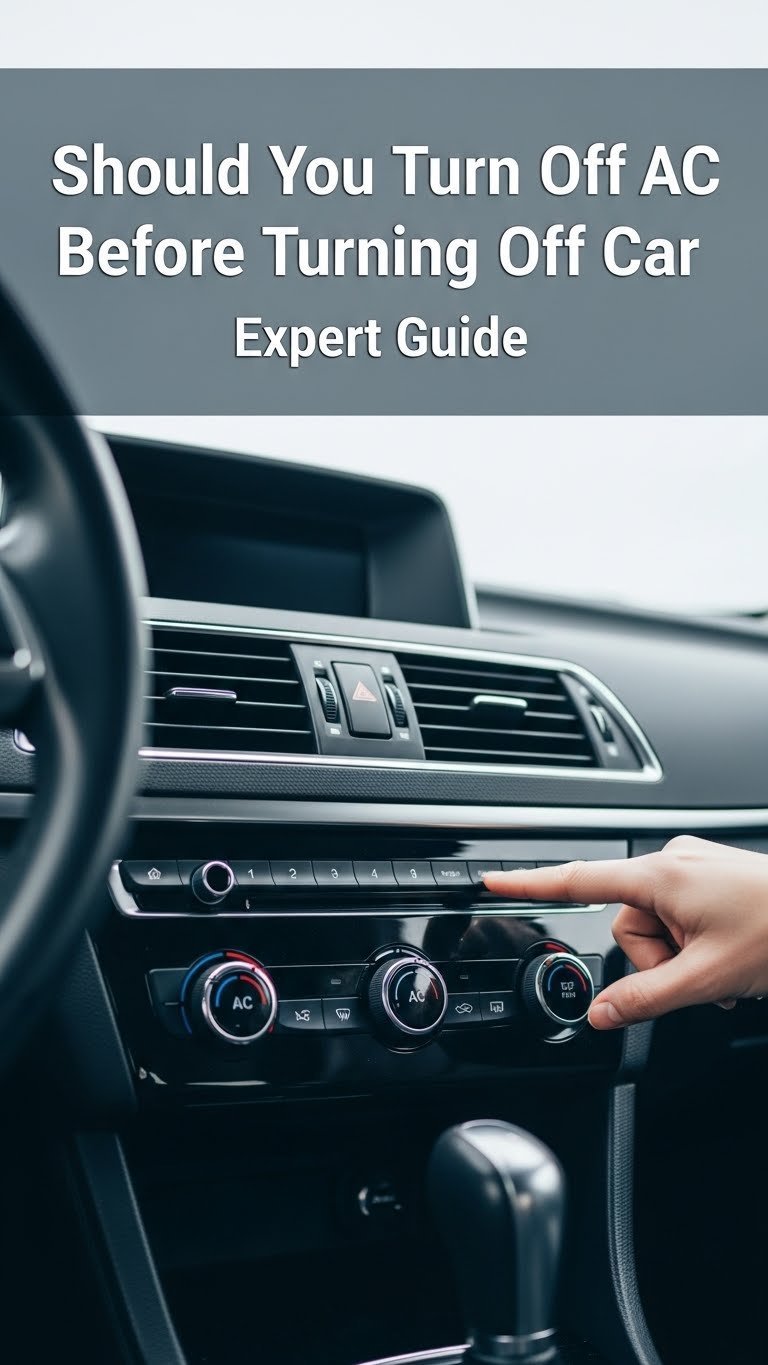
This advice comes from an analysis of modern automotive design and expert consensus among certified mechanics. While the fear of damaging your car by leaving the AC on is largely unfounded today, that doesn’t mean the conversation is over. There is still one very important, and often overlooked, reason to make a habit of turning the AC off a few minutes before you park.
The debate isn’t about mechanical strain anymore—it’s about preventing mold, bacteria, and that unpleasant “musty sock” smell from developing inside your car’s ventilation system. So, while you don’t have to do it to protect your engine, you may want to do it to protect your nose and your health.
Why Is This a Debate? The Myth of AC Strain vs. The Reality of Modern Cars
The advice to turn off your AC before the engine is a classic example of a “car rule” passed down through generations. Your dad or grandpa wasn’t wrong—for the cars they drove, this was a proven maintenance habit. The debate exists because automotive technology has evolved dramatically, but the old advice has lingered.
In older vehicles, the electrical and mechanical systems were far simpler. When you turned the key, the starter motor had to crank the engine while also potentially powering accessories left on, like the AC compressor. This high-amperage draw put significant electrical strain on the car battery and increased the starter motor load. Over time, this could contribute to premature wear on these expensive components.
Modern cars operate differently. The Engine Control Unit (ECU) is the brain of the vehicle, managing everything from fuel injection to the car cooling system. It follows a sophisticated ECU startup logic that prioritizes engine ignition above all else. It intelligently delays powering non-essential components, like the AC’s compressor clutch, until after the engine is running smoothly.
Here’s a clear breakdown of the differences:
| Feature / Scenario | Older Cars (Pre-[year-20] approx.) |
Modern Cars (Post-[year-20] approx.) |
|---|---|---|
| Startup Load | AC compressor engages with starter, causing significant electrical strain. |
ECU disengages compressor clutch; minimal extra load. |
| Battery Impact | High amperage draw could weaken an older car battery. |
Smart charging systems and startup logic protect the battery. |
| Starter Motor | Increased starter motor load could lead to premature wear over time. |
Load is managed by the computer, protecting the starter motor. |
| Shutdown Logic | Mechanical; components shut off as power is cut. | Electronic; ECU manages shutdown sequence for various components. |
| Recommendation | Recommended to turn off AC before shutdown. | Not necessary for mechanical or electrical reasons. |
What Is the Real Impact on Your Car’s Electrical System?
Concerns about leaving the AC on often center on three key components of the automotive electrical system: the battery, the starter motor, and the alternator. Let’s look at the real-world impact on each in a modern vehicle.
- Car Battery: The idea that the AC will drain your battery on startup is the biggest myth. The primary electrical load from a leftover AC setting during ignition is the blower fan, which is a manageable draw for any healthy car battery. The
ac compressor, the component that uses significant power, is kept off by the ECU. If your car fails to start because the fan was on, the weak battery is the root cause, not the AC system. - Starter Motor: The
starter motorhas one of the hardest jobs in your car: turning over a heavy engine. The ECU is specifically programmed to protect it. By preventing thecompressor clutchfrom engaging, the computer ensures the starter doesn’t have to do the extra work of turning the compressor at the same time. There is no additionalstarter motor wearfrom leaving the AC on. - Alternator: The
alternatoris responsible for powering all electrical components and recharging the battery once the engine is running. Running the AC does increase the load on the alternator, which is why you see a slight drop infuel efficiency. However, this component is designed to handle the full load of the car’s systems, and leaving the AC on at shutdown has no negative impact on its health or lifespan.
What Is the Most Important Reason to Turn Off Your AC Early?
While the mechanical and electrical arguments have faded with technology, there is one compelling reason to turn off your AC before you park: to prevent the growth of mold and bacteria in your HVAC system, which causes a musty, unpleasant odor.
Here’s how it happens. The evaporator core is a component deep inside your dashboard that gets ice-cold to cool the air. Think of it like a cold glass of iced tea on a humid day—it collects condensation from the air passing over it. This moisture is supposed to drain out under your car (that’s the puddle you see on hot days).
However, when you shut your car off immediately after running the AC, the evaporator core is still cold and wet. It sits in a dark, damp, and enclosed space, creating the perfect breeding ground for mold and bacteria. This microbial growth is the source of that “dirty sock” smell that blasts from your vents when you first turn on the air.
How Can You Correctly Dry the AC System Before Shutdown?
By adopting a simple habit, often called the “2-Minute Rule,” you can effectively dry the evaporator core and keep your car’s air fresh. This is the single most effective preventive maintenance step you can take for your car’s air quality.
- Switch Off the AC Compressor: About 2-5 minutes before you reach your destination, press the AC button (often marked with a snowflake ❄️) to turn the cooling function off. The light on the button should go out.
- Keep the Fan On: Do not turn the whole system off. Leave the
blower motorrunning. You can even increase the fan speed to push more air through the system. - Allow Air to Circulate: For the last few minutes of your drive, the fan will blow ambient, non-chilled air across the wet evaporator. This airflow quickly
dries the evaporator, removing the moisture that mold needs to grow. - Shut Down as Normal: When you arrive, you can now turn off your engine as usual. The HVAC system is now dry and far less likely to develop odors.
FAQs About should you turn off ac before turning off car
Is it bad to start a car with the AC on?
No, in a modern car, it is not bad to start the engine with the AC on. The car’s computer (ECU) is designed to manage the electrical load. It momentarily prevents the AC compressor from engaging until the engine is stable, thus protecting the starter and battery from excessive strain.
Does this advice also apply to the car’s heater?
No, the advice is specific to the air conditioner. The heater core uses hot coolant from the engine to warm the air; it does not have a compressor that creates a significant electrical or mechanical load on startup. Therefore, there is no need to turn off the heater before shutting off the engine.
Should I turn off the AC in a hybrid or electric car (EV)?
For hybrids and EVs, this is completely unnecessary. These vehicles use high-voltage battery systems to run the AC compressor, which is entirely separate from the 12V battery used for accessories or starting a small gas engine (in a hybrid). The climate control system is managed electronically with no risk of strain.
What about turning off the AC before a car wash?
Yes, it’s a good practice to turn off your climate control and engage recirculate mode before entering an automatic car wash. This prevents water and harsh cleaning chemicals from being drawn into your HVAC system and cabin air filter, which can cause damage or unpleasant smells.
Does leaving the AC on affect fuel efficiency?
Yes, running the AC does increase fuel consumption. The engine must work slightly harder to power the compressor. However, leaving the system “on” when you shut down the car does not impact fuel use; the impact only occurs when the engine and compressor are actively running.
Can leaving the AC on damage the compressor?
No, leaving the AC system switched on will not damage the compressor during startup in a modern car. The ECU’s management of the compressor clutch relay is specifically designed to prevent this type of damage by ensuring the compressor only engages when the engine is running stably.
If my AC already smells like mold, is it too late?
No, it’s not too late, but it requires more than just drying. You may need to clean the system using a specialized AC evaporator cleaning foam or spray. After cleaning, adopting the habit of drying the evaporator before shutdown will prevent the mold from returning.
Does the “AC off” trick work if I only drive short distances?
It’s actually more important on short trips. On short drives, the evaporator doesn’t get a chance to dry out naturally from prolonged airflow. Making a conscious effort to run the fan with the AC off for the last few minutes is especially beneficial for city drivers or those with short commutes.
Does using “recirculate” vs. “fresh air” matter for the mold issue?
It can. Constantly using recirculate mode traps moisture inside the car. While it cools the cabin faster, switching to fresh air mode, especially during the “drying out” phase before you park, can help reduce overall humidity in the HVAC system.
I see water dripping under my car on a hot day. Is this related?
Yes, and it’s a good sign! ✅ That puddle of water is condensation that has been collected by the evaporator and is draining out through a drain tube. This is the normal function of the system. The problem we aim to prevent is the moisture that doesn’t drain out and remains on the evaporator core.
Key Takeaways: Turning Off Car AC Best Practices
- Modern Cars Are Safe: In any car made after ~2000, leaving the AC on when you shut off the engine will not harm your starter or battery. The car’s computer automatically manages the load.
- The Real Enemy is Mold: The single best reason to alter your routine is to prevent musty odors. A damp evaporator core is a breeding ground for mold and bacteria.
- Adopt the 2-Minute Rule: To prevent mold, turn off the AC compressor (the ‘snowflake’ button) but leave the fan blowing for 2-5 minutes before you shut off the engine. This
dries the evaporator. - Heaters Are Different: This advice does not apply to your car’s heater, which operates differently and does not create a load on startup or a risk of mold from condensation.
- EVs and Hybrids Are Immune: The climate systems in electric and hybrid vehicles run on high-voltage batteries and are electronically managed, making this practice entirely unnecessary.
- A Puddle is a Good Sign: Seeing water drip under your car is normal. It’s the AC system’s condensate draining as intended. The goal of the 2-Minute Rule is to dry the moisture that doesn’t drain.
Final Thoughts on Your Car’s AC Habits
Ultimately, the choice is yours, but the facts are clear. Turning off your car’s AC before shutting down the engine has evolved from a mechanical necessity into a smart preventive maintenance habit. You no longer need to do it out of fear of damaging your vehicle’s electrical system. Instead, you should consider doing it for a much more tangible benefit: ensuring the air you and your passengers breathe is clean, fresh, and free from unpleasant odors.
By adopting the simple “2-Minute Rule,” you take control of your vehicle’s cabin environment. It’s a small change in your routine that pays significant dividends in comfort and air quality for years to come.


