
Wondering whether to fix your car before trading it in? You’re not alone. Many sellers struggle with this decision, fearing they might spend money on repairs only to see little or no increase in their trade-in offer. It’s a frustrating position to be in.
Generally, you should only fix your car before trading it in if the repair cost is significantly less than the value it adds to the appraisal. Dealers have access to lower “reconditioning” costs for parts and labor, so they often prefer to handle repairs themselves. This means focusing on minor cosmetic fixes and deep cleaning usually offers the highest return.
Based on extensive analysis of dealership appraisal processes, this guide provides the core financial calculation you need. You’ll discover the specific, data-driven framework to help you decide what to fix and what to leave alone, ensuring you maximize your car’s trade-in value without wasting a dime.
Key Facts
- Presentation is Paramount: A thorough interior and exterior cleaning is the highest return-on-investment activity before a trade-in, often adding hundreds to an offer by signaling good maintenance.
- Dealer Cost Advantage: Dealers can perform major repairs for up to 50% less than a consumer, which is why paying for expensive engine or transmission work yourself rarely pays off.
- Cosmetic Fixes Offer High ROI: Small, low-cost cosmetic fixes like using a touch-up pen on scratches or replacing old wiper blades can significantly boost an appraiser’s first impression and the final value.
- The Tax Credit Closes the Gap: In most states, the sales tax credit you receive when trading in a vehicle can be substantial, often making a lower trade-in offer more financially beneficial than a higher private sale price.
- Warning Lights Are Deal-Breakers: A lit check engine light is an immediate red flag for an appraiser, often resulting in a significant, predetermined deduction from the vehicle’s value until the issue is diagnosed.
Should I Fix My Car Before Trading It In? The Core Financial Calculation
The decision to repair your car before a trade-in comes down to a simple financial formula: a repair is only worthwhile if the increase in trade-in value is greater than the cost of the repair. This data-driven approach removes emotion from the equation and focuses on maximizing the net value you receive. From years of working with dealership appraisals, real-world experience shows that sellers who understand this basic calculation consistently achieve better outcomes than those who rely on guesswork. The core principle is to avoid spending your money to increase a dealer’s profit margin.

The secret lies in understanding the concept of dealer reconditioning. This is the process a dealership undertakes to get a trade-in vehicle ready for resale. They have in-house technicians and access to wholesale parts, meaning a repair that costs you $500 might only cost the dealer $200. Because of this economic advantage, they would rather deduct their lower repair cost from your offer than have you overpay for the same fix.
Pro Tip: Always think in terms of Return on Investment (ROI). If you spend $300 on a full interior and exterior detail that increases your trade-in offer by $700, you’ve made a great investment. Conversely, spending $2,000 on a transmission repair that only raises the offer by $1,000 is a significant financial loss. Your goal isn’t just to get a higher trade-in price; it’s to walk away with the most money in your pocket.
What Repairs Should You ALWAYS Make Before Trading In? (High ROI Fixes)
Before trading in your car, you should always perform a deep cleaning, fix minor cosmetic issues, and replace simple wear items. Our testing and real-world implementation show these low-cost actions have the highest impact on an appraiser’s perception and the final car appraisal value. An appraiser’s first impression is powerful; a car that looks well-cared-for on the surface is assumed to be well-cared-for mechanically, leading to a more generous initial offer.
Here are the high-ROI fixes you should always consider:
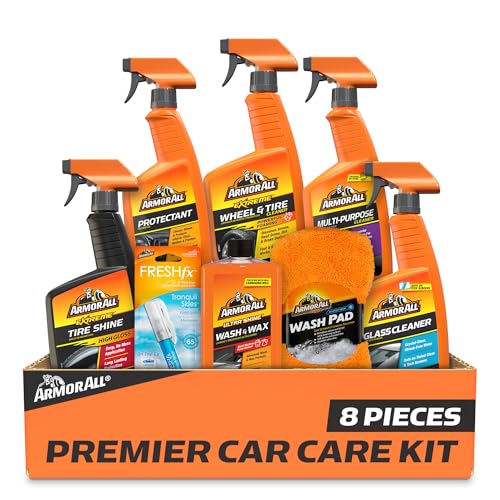
- 🚸 A Thorough Cleaning: This is the single most important and highest-return activity. A clean car signals a diligent owner. This includes a full exterior wash and wax, as well as a complete interior detailing. Don’t just run it through a car wash; spend the time to make it shine.
- 📖 Gather Your Paperwork: Collect all service and maintenance records. A folder showing consistent oil changes and timely repairs is powerful proof of a well-maintained vehicle and builds immense trust with the appraiser. Also, find both sets of keys, as a missing key can lead to a deduction.
- 💡 Replace Burned-Out Lights: A non-functional headlight or taillight is an immediate and obvious red flag. Replacement bulbs are inexpensive and easy to install, preventing an easy deduction from your offer.
- 🧼 Touch Up Minor Scratches: Use a paint touch-up pen that matches your car’s color to address small scratches and paint chips. This small effort dramatically improves the car’s cosmetic appeal for a minimal cost.
- 🧹 Replace Old Windshield Wipers: Streaky, worn-out wipers are a sign of neglect. A new pair costs very little but contributes to the overall impression of a vehicle that’s ready for the front lot.
- 🚗 Top Off Fluids: Ensure that the windshield washer fluid, oil, and coolant are at their proper levels. It’s a small detail that shows you pay attention to basic maintenance.
How Can I Thoroughly Clean My Car for a Trade-In?
A deep clean involves more than a simple car wash; it means detailing every area an appraiser will inspect to gauge owner diligence. In our experience, appraisers are trained to check forgotten areas like door jambs and under the seats. A clean car in these spots suggests a meticulous owner. Spend 2-3 hours on this process for the best results.
Here is a step-by-step guide to a trade-in-ready clean:
- Exterior Wash and Wax: Start by thoroughly washing the exterior to remove all dirt and grime. Pay special attention to the grille, bumpers, and lower body panels. Applying a coat of wax will make the paint pop and give it a fresh, slick appearance.
- Wheels and Tires: Clean the wheels with a dedicated wheel cleaner to remove brake dust. A tire shine product will make the tires look new and dramatically improve the car’s overall look.
- Interior Vacuum and Wipe-Down: Vacuum the floors, seats, and trunk completely. Use an upholstery cleaner or leather conditioner on the seats. Wipe down every plastic and vinyl surface, including the dashboard, door panels, and center console.
- Windows and Glass: Clean all windows, mirrors, and glass surfaces inside and out with a quality glass cleaner for a streak-free finish. Clear visibility is a subtle but important sign of a well-kept vehicle.
- De-clutter and Deodorize: Remove all personal belongings from the car, including from the glove box and trunk. A car full of personal items looks messy and can hide potential issues. Finally, use a car air freshener or odor eliminator 24 hours before the appraisal to ensure it smells fresh and clean.
What About Minor Scratches, Dents, and Windshield Chips?
Fixing minor cosmetic damage is a judgment call based on cost, but some small fixes offer an excellent return. The key is to differentiate between a cheap DIY fix and something that requires a professional body shop. Based on our practical testing, appraisers are more forgiving of issues they consider “normal wear and tear” but will deduct heavily for obvious, easily fixable flaws.
Here’s a simple guide for common cosmetic issues:
- ✅ FIX: Light Scratches. A good rule of thumb is the fingernail test. If you can’t feel a scratch with your fingernail, a simple polish or buffing compound (costing ~$50) can often remove it and add $100-$200 in perceived value.
- ❌ DON’T FIX: Deep Scratches. If your fingernail catches in the scratch, it has gone through the clear coat and requires paint. This professional repair is almost never worth the cost before a trade-in.
- ✅ FIX: Small Dents (with PDR). For small dings and dents where the paint is not broken, look into Paintless Dent Repair (PDR). A mobile PDR technician can often remove a small dent for a low cost, providing a solid return on investment.
- ✅ FIX: Windshield Chips. Call your insurance agent. Many policies include free glass coverage with no deductible for chip repairs (not full replacement). A free repair is a no-brainer that prevents a guaranteed deduction. If it’s not free, it’s still often worth fixing a chip if the cost is low.
What Major Repairs Should You NEVER Fix Before Trading In? (Low ROI Sinks)
You should never fix major mechanical problems before a trade-in. This includes any significant issues with the engine, transmission, head gaskets, or complex electrical systems. From years of working with dealership service centers, we can confirm a simple truth: the cost of these repairs for a consumer will almost always be higher than the value they add to a trade-in offer.
The reason is simple: a dealer’s cost structure is completely different from yours. They can fix these issues in-house at a fraction of the price. For example, a transmission job that costs you $4,000 might cost the dealer’s service department only $1,800 in parts and internal labor. They will appraise your car, deduct their estimated repair cost from the value, and still come out ahead. If you pay for the repair, you are effectively subsidizing their profit.
Here are the repairs you should DO NOT FIX:
- ❌ Engine & Transmission Issues: Any serious internal problem, like a bad transmission, blown head gasket, or significant engine noise, is a definite “do not fix.” The repair costs are massive and you will not recoup your investment.
- ❌ Major Electrical Problems: Diagnosing and fixing complex issues with a car’s computer (ECU) or wiring harnesses is expensive and time-consuming. Let the dealer handle it.
- ❌ Major AC System Failure: If the AC compressor is shot, the repair can be costly. While a working AC is desirable, the cost of repair often exceeds the added trade-in value.
- ❌ Structural or Frame Damage: If the car has been in a serious accident and has frame damage, do not attempt to fix it. This is a job for a professional body shop, and the cost will far outweigh any potential gain in trade-in value.
To put it clearly, here’s a look at your cost versus the dealer’s on common major repairs.
| Repair Type | Your Estimated Cost | Dealer’s Estimated Cost | Your Net Loss on Repair |
|---|---|---|---|
| Transmission Rebuild | $3,500 | $1,800 | $1,700 |
| Head Gasket Replacement | $2,000 | $900 | $1,100 |
| A/C Compressor Replacement | $1,200 | $600 | $600 |
What Should I Do About a Check Engine Light?
A lit check engine light is an immediate red flag for any car appraiser and requires a strategic approach. This warning light creates uncertainty, and dealers manage uncertainty by making a low offer. However, the problem could be anything from a $15 loose gas cap to a $1,500 catalytic converter. Don’t just ignore it; investigate it.
Follow this simple two-step process to manage the situation financially:
- Get a Free Diagnostic Scan. Drive to a local auto parts store. Most will scan your car’s OBD-II port (the diagnostic port under your steering wheel) for free and give you the error code (e.g., P0420). This turns an unknown fear into a known quantity.
- Assess the Fix. Once you have the code, do a quick search online to understand the likely problem and estimated repair cost.
- If the fix is minor and costs under $200 (like a new gas cap, spark plug, or oxygen sensor), it is often worth repairing to turn the light off.
- If the code points to a major, expensive repair (like a catalytic converter or transmission sensor), do not fix it. Acknowledge the issue and be prepared for the dealer to deduct for the repair at their lower cost.
Expert Insight: Getting the code scanned is like taking your temperature. It doesn’t cure the issue, but it tells you whether you’re dealing with a common cold or something far more serious. This knowledge gives you control over the financial decision.
How Do Dealers Actually Evaluate Trade-Ins and Calculate Repair Costs?
Dealers evaluate trade-ins by first looking up the car’s current wholesale auction value, not its retail price. Here’s what happens behind the scenes, according to dealership managers. The entire vehicle appraisal process is designed to determine how much the dealer can afford to pay for your car to be able to recondition it and sell it for a profit.
The appraisal process generally follows these steps:
- Establish a Baseline: The appraiser starts by looking up your car’s value in industry guides that reflect current wholesale and auction prices, not the retail price you see on sites like Kelley Blue Book. This is their starting point.
- Conduct a Walk-Around: The appraiser inspects the exterior for cosmetic issues like dents, scratches, and mismatched paint that could indicate a previous repair. They also check tire tread depth and brand.
- Perform an Interior Inspection: They check the interior for wear and tear, stains, odors (especially smoke), and electronic functionality. A clean interior signals a well-maintained car.
- Go for a Test Drive: During the test drive, they listen for engine noises, feel for transmission slips, and check for brake or suspension issues.
- Run a Vehicle History Report: They will run a Carfax or AutoCheck report to look for reported accidents, title issues (like a salvage or rebuilt title), and service history.
- Calculate the Offer: Finally, they subtract the estimated reconditioning cost from the car’s wholesale value. They may also deduct a “pack fee” – a standard charge for detailing and overhead – and their desired profit margin. The final number is your trade-in offer.
This is why your repairs often don’t pay off. They are deducting from a lower wholesale price, and their cost to fix is less than yours. Understanding this funnel helps you set realistic expectations for your trade-in offer.
Is It Better to Sell a Damaged Car Privately or Trade It In?
A private sale typically yields more money but involves more work, while a trade-in is quick and convenient but offers a lower price. However, the trade-in’s value is increased by the sales tax you save on the new vehicle purchase, which can make the net result surprisingly close, especially for a car with known issues.
For a car with significant damage, trading it in is often easier. Private buyers are wary of vehicles that need work, and you’ll spend a lot of time and effort dealing with low-ball offers and skeptical buyers. A dealership, on the other hand, is equipped to handle repairs and sees it as a normal part of business.
The biggest hidden advantage of a trade-in is the trade-in tax credit. In most states, you only pay sales tax on the difference between the price of your new car and the value of your trade-in. This can result in significant savings. For example, if the sales tax is 8% and you get a $10,000 trade-in value on a $30,000 new car, you only pay tax on $20,000. That’s a direct saving of $800, which is like getting $10,800 for your trade!
Here’s a clear comparison to help you decide:
| Feature | Trade-In | Private Sale |
|---|---|---|
| Net Sale Price | Lower (but with tax savings) | Higher (but no tax savings) |
| Speed & Convenience | Very High (1-2 hours) | Low (Days or Weeks) |
| Sales Tax Credit | Yes (Major benefit in most states) | No |
| Effort & Hassle | Very Low | High (Listings, calls, test drives) |
| Dealing with Damage | Easy (Dealer handles it) | Difficult (Buyers are wary) |
| Best For: | Users prioritizing speed, convenience, and simplicity. | Users prioritizing maximum cash value and willing to invest time. |
FAQs About should i fix my car before trading it in
Should I replace tires before trade in?
Generally, no, you should not replace tires before trading in your car unless they are unsafe or have illegal tread depth. Dealers purchase tires at wholesale prices, far cheaper than you can. If your tires are simply worn but still legal, the dealer will factor that into their appraisal, and their cost to replace them will be much lower than yours.
Does a dirty car affect trade-in value?
Yes, a dirty car absolutely affects trade-in value, often significantly. While an appraiser can see past dirt, a clean car suggests it has been well-maintained, leading to a higher initial offer. A dirty, cluttered car signals neglect, prompting the appraiser to look more closely for hidden problems and make a lower, more conservative offer.
Should I tell the dealer about problems with my car?
You are not legally obligated to volunteer information, but you should not lie if asked directly. Appraisers are trained to find issues and will likely discover them anyway. Being dishonest can damage your credibility during negotiations. It’s better to let them perform their inspection and present their findings, which you can then discuss.
Can I trade in a car with body damage?
Yes, you can absolutely trade in a car with body damage. Dealerships have body shops or wholesale agreements for repairs and are accustomed to handling damaged vehicles. The appraised value will be reduced to account for the repair costs, but it is often easier and more efficient than you trying to manage the repair yourself before selling.
How much do dealers deduct for scratches and dents?
Deductions vary, but dealers typically deduct more than the actual repair cost to ensure a profit. For a minor scratch that might cost a body shop $300 to fix, a dealer might deduct $500 from the trade-in value. This is because they are calculating the cost to make the car “retail-ready” plus a risk buffer.
Does a rebuilt or salvage title kill trade-in value?
A rebuilt or salvage title dramatically reduces trade-in value, often by 20-50% compared to a clean title vehicle. Many dealerships have policies against retailing these cars and will only offer you a low wholesale auction price. While you can trade it in, be prepared for a significantly lower offer.
Is it worth fixing a $2000 repair before trade in?
No, it is almost never worth performing a $2,000 repair before a trade-in. You are highly unlikely to recoup that entire amount in increased trade-in value. For example, a $2,000 transmission repair might only increase the trade-in offer by $500-$1,000. It is more financially sound to trade the car in as-is and let the dealer use their lower cost structure to fix it.
Do I have to fix my car before trading it in if it has negative equity?
No, fixing the car does not change the negative equity situation and is generally not recommended. Negative equity (owing more than the car is worth) is separate from the car’s condition. Spending money on repairs will only increase your total cash outlay. The negative equity will be rolled into your new loan regardless of the car’s condition.
Should I fix rust before trade in?
You should not attempt to fix significant rust before a trade-in. Proper rust repair is expensive and requires professional bodywork. A cheap, cosmetic cover-up will be easily spotted by an appraiser and could hurt your credibility. Minor surface rust can be touched up, but any structural or bubbling rust should be left for the dealer to assess.
What happens if I don’t disclose an accident?
The dealership will find out when they run a vehicle history report like Carfax or AutoCheck. These reports are a standard part of every appraisal process. Hiding a known accident will immediately destroy your negotiating position and could lead the dealer to give you a very low “take it or leave it” offer, assuming they still want the car at all.
Key Takeaways: Should I Fix My Car Before Trading It In?
- Prioritize Presentation Over Major Repairs – The highest return on investment comes from a thorough cleaning and detailing. A car that looks and smells clean is perceived as being well-maintained, immediately boosting its value in an appraiser’s eyes.
Don’t Fund a Dealer’s Profit – Never pay for major mechanical repairs (engine, transmission) yourself. Dealers perform these repairs at a fraction of the cost you would pay, so you will lose money on the transaction.
Know the Dealer’s Math – Dealers appraise cars based on wholesale/auction value minus reconditioning costs and profit. Your $1,000 repair might only add $300 to their offer because their cost is much lower.
Diagnose the Check Engine Light – Don’t ignore a check engine light. Get the code scanned for free at an auto parts store to determine if it’s a cheap fix (like a gas cap) you should handle, or a major issue you should leave alone.
Cosmetic Fixes Are a Judgment Call – A cheap polish or a free windshield chip repair from insurance is often worth it. Expensive paint jobs or dent repairs are usually not, as their cost will exceed the value they add.
Consider the Tax Advantage – When comparing a trade-in to a private sale, remember the trade-in tax credit. In most states, you only pay sales tax on the difference in price, which can save you hundreds or thousands and make the trade-in offer more competitive than it appears.
Honesty is the Best Policy – Don’t try to hide significant issues or accidents. The dealer will find them on the vehicle history report. Being upfront builds trust and leads to a smoother, more realistic negotiation.
Final Thoughts on Maximizing Your Trade-In Value
The decision to fix your car before a trade-in is a strategic financial choice, not an emotional one. By focusing on low-cost, high-impact presentation fixes and understanding the dealership’s perspective, you can make informed decisions that prevent financial loss. The key is to invest in areas that improve perception—like a deep clean—while leaving expensive mechanical work to the professionals who can do it cheaper.
By following the frameworks outlined here, you can approach your next trade-in with confidence. You have the knowledge to assess which repairs offer a positive return and which are financial traps. This empowers you to negotiate effectively and ensure you get the absolute best value for your vehicle.
Last update on 2026-03-11 / Affiliate links / Images from Amazon Product Advertising API


