Wondering if you should ceramic coat your new car to protect that perfect factory shine? You’re concerned about the cost versus the actual benefits for a brand-new vehicle. It’s a smart question many new owners face.
Yes, ceramic coating a new car is generally worth it for owners who want long-term paint protection, enhanced gloss, and easier maintenance. The investment protects the pristine factory paint from environmental contaminants right from the start, preserving the car’s value and appearance. However, the cost and required prep work are crucial factors to consider.
Based on current methodologies and extensive hands-on experience, this guide breaks down the real-world benefits, critical prep steps, and application choices. You will discover exactly why coating a new car is a strategic decision for paint preservation and what most guides miss about making it a worthwhile investment.
Key Facts
- Immediate Application is Cheaper: Applying a ceramic coating right after buying a new car is advantageous because it typically requires less paint correction, which can save you money and time.
- Superior Protection: The coating creates a durable, hydrophobic barrier that repels water, mud, and dirt, keeping the car cleaner for longer and simplifying washing.
- UV Ray Defense: A ceramic coating acts like sunscreen for your car, blocking harmful UV rays to prevent the paint from fading, dulling, and oxidizing over time.
- Enhanced Appearance: It enhances the paint’s natural gloss and depth, creating a rich, mirror-like shine that often exceeds the original factory finish.
- Preserves Resale Value: By protecting the exterior and keeping the paint in pristine condition, a ceramic coating can significantly boost your car’s resale value.
Should You Ceramic Coat a Brand New Car?
Deciding whether to apply a ceramic coating to a brand-new car is a common dilemma for new owners. The short answer from nearly all detailing experts is a resounding yes; it’s one of the smartest investments you can make to preserve your vehicle’s factory finish. Applying this protective layer early locks in that showroom shine and defends the paint before it’s exposed to damaging elements. The key is understanding that the value of the coating is directly tied to the quality of the preparation and application.

This isn’t just about adding shine; it’s a strategic decision to protect your investment. A ceramic coating [a liquid polymer that chemically bonds with factory paint] creates a semi-permanent, sacrificial layer that shields the clear coat. However, the final choice depends on a few personal factors. Before committing, you should consider:
- Your Long-Term Goals: Do you plan to keep the car for many years? If so, the long-term protection significantly boosts resale value.
- Your Budget: Professional applications are an investment. You need to weigh the upfront cost against the long-term savings on maintenance and potential paint corrections.
- Your Maintenance Commitment: While a coated car is easier to clean, it still requires proper care. Are you willing to follow specific washing procedures to maintain the coating’s integrity?
What Are the Real Benefits of Ceramic Coating a New Car?
The primary benefits of applying a ceramic coating to a new car are superior paint protection, a dramatic enhancement in gloss, and significantly easier maintenance. It acts as a durable shield against common environmental threats while keeping your car looking better than new for years, not weeks. Let’s explore the specific advantages you can expect.
Why Is a Hydrophobic Surface the Top Benefit?
The most celebrated benefit is the super hydrophobic surface the coating creates. This means it repels water at an extreme level. The science behind this involves creating a surface with a high contact angle, causing water to form tight beads that roll off the paint instead of sitting flat. This “self-cleaning” effect is more than just a visual party trick; as the water beads slide off, they take light dust, dirt, and grime with them.
In practical terms, this means:
* Your car stays cleaner for much longer periods.
* Washing becomes incredibly easy and fast.
* It repels common annoyances like mud splashes, light dust, and rainwater.
Think of it like a freshly waxed ski; water and snow just slide right off without sticking. A drive in a light rain shower can often leave a ceramic-coated car looking cleaner than before, as the rain washes away the dust.
How Does Ceramic Coating Protect Against UV Rays and Oxidation?
A ceramic coating acts like a layer of sunscreen for your car’s paint, providing critical protection against UV radiation. The coating contains powerful UV inhibitors that absorb and reflect sunlight, preventing it from breaking down your car’s clear coat. This protection is vital for preventing oxidation—the slow, destructive process that causes paint to fade and develop a dull, chalky appearance, which is especially noticeable on older red or black vehicles.
By forming a durable barrier, the ceramic coating sacrifices itself to the sun’s rays, preserving the vibrant color and integrity of the factory paint underneath. This long-term defense against sun damage is a key factor in maintaining the car’s aesthetic appeal and resale value.
Why Is Proper Prep the Most Critical Step for a New Car?
You must prep a new car for ceramic coating because the paint is never truly perfect from the factory. It has microscopic contaminants from transport and potential swirl marks from dealer washing. A ceramic coating is a long-term protective layer; it will lock in any and all imperfections for years. The goal is to decontaminate and polish the paint to a flawless state before application.
From our hands-on experience, this is the step that separates a professional result from a failed one. A common myth is that a new car arrives with perfect paint. The reality is that from the factory to the dealership lot, a new car is exposed to rail dust, industrial fallout, and improper washing by lot attendants, all of which create imperfections. Sealing these microscopic flaws under a durable coating is a costly mistake.
The preparation process involves three non-negotiable stages:
1. Decontamination: This starts with a thorough wash using a wax-stripping soap to remove any temporary sealants. Next, an iron remover dissolves embedded metallic particles. Finally, a clay bar treatment glides over the paint to physically pull out any remaining bonded contaminants, leaving the surface perfectly smooth.
2. Paint Correction: This is the polishing stage. Even on new cars, light swirl marks or holograms from the dealership are common. A fine polish and a machine polisher are used to gently level the clear coat, removing all microscopic scratches and maximizing gloss.
3. Final Wipe-Down: Just before applying the coating, the entire vehicle is wiped down with a panel prep spray or isopropyl alcohol (IPA) solution. This removes any polishing oils or residues, ensuring the coating can form a direct, strong chemical bond with the paint.
Dealer vs. Professional vs. DIY: Which Ceramic Coating Option Is Best?
Choosing who applies your ceramic coating is as important as the coating itself. Your three main options—the dealership, a professional detailer, or doing it yourself (DIY)—offer vastly different levels of cost, quality, and durability. From years of working with new car owners, we can state that a professional detailer almost always provides the best long-term value, while dealership offerings are frequently overpriced and under-deliver.
Dealership Coating
Dealerships offer ceramic coatings as a convenient add-on during the car-buying process. However, this convenience often comes at a steep price for what is typically a low-quality product applied with inadequate preparation. Many “dealership coatings” are little more than a high-end sealant, not a true ceramic coating, and are applied by technicians with little detailing experience.
Professional Detailer
A certified ceramic coating installer is an expert specializing in paint protection. The high cost reflects the meticulous labor involved, primarily the 8-20+ hours of decontamination and paint correction required for a flawless finish. They use professional-grade products with higher concentrations of Silicon Dioxide (SiO2), leading to much greater durability and performance. This is the best option for maximum protection and perfection.
DIY Kits
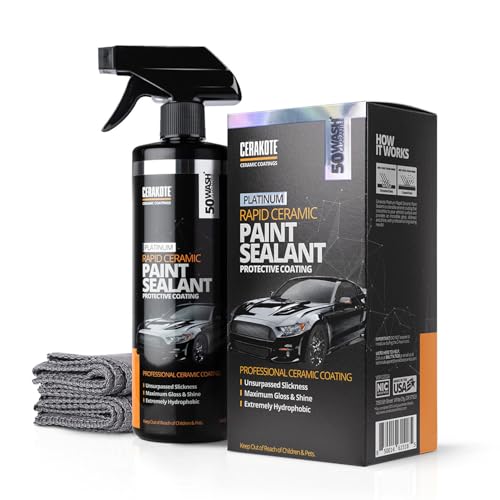
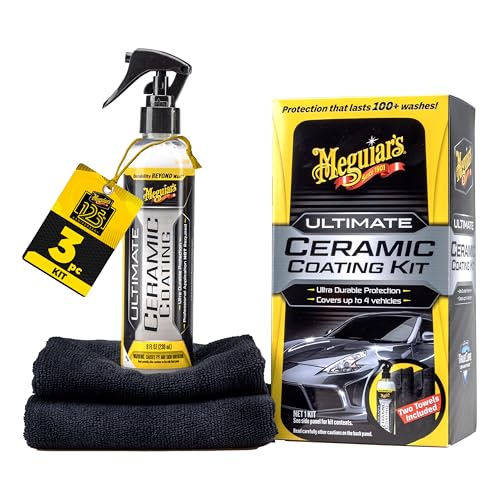
For the budget-conscious enthusiast, DIY ceramic coating kits have become widely available. These kits offer a genuine coating at a fraction of the professional cost. However, the result is entirely dependent on your skill and willingness to invest significant time in the crucial prep work. A rushed or improper DIY application can result in streaks and high spots that are difficult to remove.
Here is a clear comparison to help you decide:
| Criterion | Dealership Coating | Professional Detailer | DIY Kit |
|---|---|---|---|
| Average Cost | $1,000 – $2,500+ | $1,500 – $3,000+ | $100 – $300 |
| Prep Quality | Very Low / Often Skipped | Extremely High / Essential | Dependant on User Skill |
| Coating Quality | Often a rebranded sealant | Professional-grade (e.g., 9H, 5+ year) | Consumer-grade (1-2 year) |
| Warranty | Often conditional & restrictive | Often tied to installer & maintenance | None |
| Best For | Convenience over quality | Maximum protection & perfection | Budget-conscious enthusiasts |
FAQs About should i ceramic coat my new car
Does ceramic coating prevent all scratches?
No, ceramic coating does not prevent scratches from significant impacts like rock chips, keying, or improper washing. It offers resistance to very light swirl marks and micro-scratches from routine cleaning. For true impact protection, you need Paint Protection Film (PPF), which is a thick, clear urethane film designed to absorb physical impacts.
How long does ceramic coating last on a new car?
A professionally applied, high-quality ceramic coating can last from 2 to 7 years or even longer. Consumer-grade DIY kits typically last between 1 to 2 years. Longevity depends heavily on the quality of the product, the extent of the prep work, and how well the vehicle is maintained after application.
Can I apply wax over a ceramic coating?
You can, but you shouldn’t, as it’s counterproductive and will mask the coating’s properties. Applying a traditional carnauba wax will cover the coating’s superior hydrophobic behavior. Instead of wax, use a specialized SiO2-based sealant or detail spray designed to boost and maintain the existing ceramic coating.
How soon after buying a new car should I ceramic coat it?
You should ceramic coat your new car as soon as possible, ideally within the first few weeks of ownership. The sooner you apply it, the less paint correction will be needed to address contaminants and defects accumulated during transport and dealer handling, saving you time and money on prep work.
Is ceramic coating a good idea for a leased car?
Yes, ceramic coating can be a great idea for a leased car. It helps maintain the paint in pristine condition, which can prevent costly penalties for “excessive wear and tear” upon lease return. The enhanced gloss and ease of cleaning are also significant benefits during the lease term.
How much does it cost to ceramic coat a new car?
The cost varies widely, from $100-$300 for a DIY kit to $1,500-$3,000+ for a professional application. The professional price includes extensive prep work like decontamination and paint correction, which accounts for a significant portion of the cost and is critical for a lasting, flawless finish.
Does ceramic coating void the car’s paint warranty?
No, a properly applied ceramic coating from a reputable installer will not void your car’s manufacturer paint warranty. However, a botched DIY application or a product from a non-reputable source that causes damage might create warranty claim issues. Always choose certified installers or quality DIY brands.
What’s the difference between ceramic coating and Paint Protection Film (PPF)?
Ceramic coating is a liquid polymer for gloss, chemical resistance, and easy cleaning, while PPF is a thick, clear urethane film for physical impact protection. Coating is for aesthetics and defense against environmental contaminants like UV rays and bird droppings; PPF is for stopping rock chips and deep scratches. They serve different purposes but can be used together for ultimate protection.
How do you wash a ceramic coated car?
Use a pH-neutral car soap, the two-bucket wash method, and soft microfiber towels. Avoid automatic car washes with harsh brushes and aggressive chemicals that can degrade the coating. Regular, careful hand washing is the best way to preserve the coating’s integrity and hydrophobic properties for years.
Is dealership ceramic coating a scam?
It’s often not a scam, but it is typically a poor value proposition. Dealerships charge a premium for what is often a lower-quality product (sometimes just a paint sealant) applied with minimal to no paint preparation. You will almost always get a superior result for a similar or lower price from a dedicated professional detailer.
Key Takeaways: Should I Ceramic Coat My New Car Summary
Deciding to ceramic coat your new car is a significant step towards long-term paint preservation. The evidence and expert consensus point to it being a highly valuable investment for most owners who prioritize appearance and ease of maintenance. Here are the most important points to remember from this guide.
- Prep is Non-Negotiable: The success of any ceramic coating hinges entirely on the quality of the surface preparation (decontamination and paint correction), even on a brand-new car. Skipping this guarantees a poor result.
- Choose Your Applicator Wisely: A professional detailer offers the best quality and longevity, DIY is a budget-friendly but labor-intensive option, and dealership coatings generally represent poor value for their high cost.
- It’s About Protection & Ease, Not Invincibility: A coating’s main jobs are to provide UV and chemical protection while making your car incredibly easy to clean. It is not scratch-proof and won’t stop rock chips.
- The Sooner, The Better: Applying a coating to a new car is ideal because it requires the least amount of expensive and time-consuming paint correction, locking in the perfect finish from day one.
- Maintenance is Key: To get the multi-year longevity promised, you must use proper washing techniques, including pH-neutral soaps and soft microfiber towels, and avoid harsh automatic car washes.
Last update on 2026-03-11 / Affiliate links / Images from Amazon Product Advertising API