
Are rising housing costs forcing you to reconsider your traditional living situation entirely? You are not alone in seeking immediate financial relief and ultimate freedom today. A no build car living setup offers a highly accessible escape from crushing rent.
No build car living is the process of converting a standard car, SUV, or minivan into a functional, full-time living space using only non-permanent, removable gear. By utilizing modular storage bins, portable power stations, and custom stealth window covers, you can create a safe, comfortable car home without permanently modifying the vehicle. This functional setup requires absolutely zero carpentry skills to execute.
Drawing from years of real-world experience and comprehensive analysis of stealth urbanism data, we understand this lifestyle perfectly. This guide will reveal the car living essentials needed for a comfortable full time car living experience. You will discover exactly how to maintain urban stealth while saving money every single month.
9 Proven Stealth Tips for No Build Car Living To Maximize Your Budget in 2026
Transitioning into a no-build camper setup requires strategic planning rather than expensive power tools. Your primary goal is to organize and optimize a low budget car camping setup that thrives in urban areas. By utilizing a modular approach, you can transform a standard passenger vehicle into a highly functional micro-dwelling. This no build suv camper strategy prevents structural damage and preserves your vehicle’s resale value completely. Let’s explore the step-by-step process of outfitting your vehicle for full-time living without making permanent alterations.
1. Level Out a Reversible Sleeping Platform

Pin this cozy no-build bed hack to your Nomadic Lifestyle board!
Creating a level sleeping surface: The foundation of comfortable car living relies on maximizing your existing vehicle geometry. Instead of building heavy wooden frames, you can bridge the footwell gap seamlessly using precisely measured storage containers. A high-quality sleeping mattress paired with these bins prevents structural damage while providing a functional, compact sleeping area for modular car living.
What You Need
- Custom-fit SUV air mattress or high-density foam sleeping pad (minimum R-value of 4 for insulation)
- Low-profile heavy-duty storage bins (measured to match the height of your folded seats)
- Thick moving blankets (to cover seat gaps and protect the mattress from sharp plastic edges)
- Moisture-wicking mattress topper to prevent sweat buildup
Setup Steps
- Fold your rear seats completely flat and push the front driver and passenger seats as far forward as possible.
- Measure the vertical gap between the folded rear seat and the floorboard behind the front seats.
- Stack your heavy-duty storage bins tightly into the footwell gap until they sit perfectly flush with the folded seats.
- Drape a thick moving blanket over the entire flattened area to create a seamless, snag-free foundation.
- Inflate or unroll your custom mattress over the newly leveled surface, ensuring it fits snugly against the side panels.
Pro-Tip: In my years of experience as a full-time resident, the biggest mistake beginners make is ignoring the footwell gap. Using stackable, hard-sided storage bins here not only levels your bed but gives you accessible storage for emergency gear without adding heavy plywood.

2. Install Stealth Window Covers for Maximum Privacy

Save this essential stealth privacy hack for your next road trip!
Securing true visual isolation: To completely block light from escaping your vehicle at night, you must install stealth window covers for car living. This stealth optimization provides privacy and ensures safety while remaining completely unobtrusive from the outside. Proper window tint combinations and dark privacy curtains prevent anyone from seeing inside, allowing for secure urban camping.
What You Need
- Pre-cut blackout car window shades (customized to your specific vehicle make and model)
- Alternately: Reflectix insulation rolls paired with matte black fabric and spray adhesive
- Heavy-duty suction cups or integrated magnetic mounting strips
- Dark, low-profile privacy curtain (to separate the front cab from the rear sleeping area)
Setup Steps
- Clean the interior glass of all windows thoroughly with rubbing alcohol to ensure strong adhesion for suction cups.
- Press the custom-fit blackout shades firmly into the window frames, ensuring the matte black side faces outward to mimic dark tinted windows.
- Check for any light leaks around the edges by turning on an interior flashlight at night and standing outside the vehicle.
- Tuck oversized edges directly into the plastic window trim to seal off any remaining light gaps.
- Mount a tension rod directly behind the front seats and hang your dark privacy curtain to completely isolate the rear cabin.
Pro-Tip: True stealth urbanism relies on light discipline. If you use double-sided covers (reflective on one side, black on the other), always face the black side out when stealth parking in the city. Reflective silver covers scream camper to security guards and local residents.

3. Set Up a Portable Power Station Ecosystem

Pin this essential 12V power setup for off-grid car living!
Managing off-grid electricity: A robust 12V ecosystem is essential to safely power laptops and phones without draining your vehicle’s starter battery. A lithium-based solar generator, like a Jackery power station or EcoFlow, integrates with solar to support full-time living effortlessly. This setup prevents devastating battery drainage and ensures reliable portable power for car dwellers off the grid.
What You Need
- 500W to 1000W portable power station (Look for Lithium Iron Phosphate / LiFePO4 battery chemistry for superior safety and lifespan)
- 12V car charging cable (to charge the unit via your cigarette lighter while driving)
- Portable folding solar panel (100W minimum) for off-grid charging when parked
- Multi-port USB charging hub to manage small device cables
Setup Steps
- Position your power station securely behind the passenger seat or wedged between storage bins so it cannot become a heavy projectile while driving.
- Route the 12V charging cable from the unit to your vehicle’s dashboard cigarette lighter, tucking the wire safely under the floor mats.
- Plug the unit in only when the engine is running to avoid accidental vehicle battery drainage.
- Connect your essential devices—like USB fans, phones, and laptops—directly to the power station’s pure sine wave AC or DC ports at night.
- Deploy your folding solar panel on your windshield or roof during sunny days when parked at a safe, dispersed camping site.
Pro-Tip: Never rely on your car’s built-in battery to charge devices overnight. Deep cycling a standard starter battery will kill it rapidly, leaving you stranded. Investing in a dedicated LiFePO4 power station is the most critical safety upgrade you can make for a no-build setup.

4. Optimize Storage with Modular Packing Cubes and Bins

Keep your car camper clutter-free with this genius storage system!
Organizing confined spaces logically: To pack clothing and gear efficiently without installing wooden cabinets, you must implement a strict modular design approach. Utilizing heavy-duty storage bins and organization cubes keeps the space clutter-free and highly efficient daily. These best storage solutions for car living help you categorize life into manageable, easily accessible zones while maximizing limited floor space.
What You Need
- Low-profile, heavy-duty plastic storage bins (with latching lids to prevent spills while driving)
- Compression packing cubes (for massive space-saving on seasonal clothing)
- Soft-sided collapsible organizers (for the front seat and center console)
- Over-the-seat hanging organizers (for quick-access toiletries and small electronics)
Setup Steps
- Categorize your life into three main zones: Daily Use (toiletries, fresh clothes), Kitchen/Pantry (food, stove), and Deep Storage (winter gear, tools).
- Pack all soft clothing into color-coded compression cubes to reduce their physical footprint by up to 50%.
- Assign specific low-profile bins for your Kitchen and Deep Storage items, ensuring they slide effortlessly beneath your sleeping platform.
- Mount hanging organizers on the back of the front seats to hold flashlights, keys, phone chargers, and daily hygiene wipes.
- Secure all hard plastic bins with bungee cords connected to the vehicle’s factory D-rings to prevent shifting during transit.
Pro-Tip: In a space this small, if an item doesn’t have a designated home, it becomes clutter instantly. Stick to the “one in, one out” rule. Using clear plastic for your food bins and opaque black for personal items helps speed up your daily routines immensely.

5. Control Condensation with USB Cross-Ventilation

Prevent window condensation with this simple car camping fan setup!
Combating interior moisture effectively: To prevent waking up to soaking wet windows and dangerous mold growth, you must actively manage the vehicle’s condensation point. This vital process requires ventilation through strategic cross-ventilation using small, rechargeable USB fans. By pairing these fans with exterior window deflectors, you handle condensation in a car effortlessly during cold nights.
What You Need
- Rechargeable USB clip-on fans (minimum of two, with oscillating features and low power draw)
- Exterior window rain guards/deflectors (custom molded to your doors)
- Mesh window bug screens (that slide over the door frame)
- Moisture absorber tubs (like Damprid, as a secondary backup)
Setup Steps
- Install the exterior window rain guards using their heavy-duty adhesive backing, allowing you to crack your windows invisibly, even in the rain.
- Slide the mesh bug screens over your rear door frames to prevent insects from entering when parked in nature.
- Clip one USB fan to the grab handle above the rear passenger door, angling it to push air out of the cracked window.
- Attach the second USB fan near the front of the vehicle, pointing inward to pull fresh air into the cabin.
- Run both fans on low throughout the night to establish a constant cross-ventilation current that removes respiration moisture.
Pro-Tip: An adult exhales about a pint of water vapor every night. If you don’t crack a window and run a fan, that moisture hits the cold glass, reaches its condensation point, and drips down into your car’s upholstery, leading to black mold. Cross-ventilation is absolutely non-negotiable.

6. Create a Micro Kitchen for Safe Indoor/Outdoor Cooking

Setup the perfect portable car kitchen with this easy gear list!
Preparing healthy meals safely: To prepare hot meals while living in a vehicle, you need a safe and portable stove setup that requires zero permanent plumbing. A high-retention Yeti cooler easily replaces a traditional fridge, while a simple butane burner simplifies travel cooking. Proper smell control, food spoilage prevention, and strict safety locks are essential to prevent dangerous indoor accidents.
What You Need
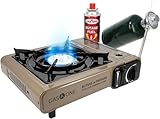
- Compact single-burner butane stove (with a stable, low-profile base)
- High-retention rotomolded cooler (like a Yeti or RTIC) or a 12V portable refrigerator
- Collapsible silicone wash basin (for cleaning dishes)
- Biodegradable dish soap and a tightly sealed trash container for smell control
- Battery-operated carbon monoxide detector
Setup Steps
- Store your butane stove and fuel canisters in a cool, dark storage bin away from direct sunlight to prevent overheating.
- Position your rotomolded cooler behind the passenger seat; its flat, rigid lid can double as an excellent prep table.
- Set up your cooking station outside the vehicle on a picnic table or on your open tailgate to ensure absolute safety.
- Prepare one-pot meals to drastically reduce the amount of water needed for cleanup.
- Wash your dishes in the collapsible silicone basin using biodegradable soap, and dispose of the gray water according to Leave No Trace principles.
Pro-Tip: Never, under any circumstances, use a butane or propane stove inside your car with the doors and windows closed. The risk of carbon monoxide poisoning and fire is severe. Always cook outside, or at minimum, on the edge of your open trunk with maximum cross-ventilation.
7. Manage Daily Hygiene and Restroom Needs Discreetly

Master car life hygiene with this essential gym bag setup!
Solving the daily shower dilemma: Maintaining professional levels of personal cleanliness without built-in plumbing requires leveraging a reliable network of public resources. A nationwide gym membership, public libraries, and interstate rest areas facilitate hygiene access consistently on the road. You can simplify your routine by keeping dry shampoo and extra-thick wipes ready for days when a traditional shower simply isn’t possible.
What You Need
- National gym membership card (Planet Fitness or 24 Hour Fitness)
- High-quality waterproof toiletry bag (with a built-in hanging hook)
- Extra-large, extra-thick body wipes (for days when a shower isn’t possible)
- Dry shampoo and leave-in conditioner
- Portable emergency urinal/waste bags (for middle-of-the-night emergencies)
Setup Steps
- Pack your gym bag so it is the most easily accessible item in your car, ideally stored right behind the driver’s seat.
- Schedule your gym visits strategically during off-peak hours (mid-morning or late evening) to guarantee access to hot showers without waiting.
- Hang your waterproof toiletry bag directly on the shower stall hooks to keep your items off wet, public floors.
- Use dry shampoo and extra-thick body wipes for quick “bird baths” when dispersed camping far from city amenities.
- Keep emergency waste bags equipped with absorbent gel securely stored in a designated, easily reachable compartment for late-night use when leaving the car is unsafe.
Pro-Tip: A premium Planet Fitness Black Card is the single most important investment for an urban car dweller. It provides unlimited hot showers, clean restrooms, a place to charge your phone, massage chairs, and a safe, well-lit parking lot across the entire country.

8. Winterize Your Setup Without Permanent Insulation

Stay toasty all winter with this zero-build insulation gear list!
Insulating against extreme cold: To survive freezing night temperatures safely, you must shift your focus to insulating the human body rather than the metal vehicle. High-quality winter warmth gear, like a zero-degree sleeping bag and thermal layers, replaces permanent housing insulation effectively. This no build car living winter survival strategy ensures safety during sudden and extreme drops in temperature without permanently modifying your interior walls.
What You Need
- 0-degree or 15-degree mummy sleeping bag (down or high-quality synthetic)
- Fleece or thermal sleeping bag liner (adds up to 10 degrees of warmth)
- High R-value insulated sleeping pad (R-value 5.0 or higher)
- Merino wool base layers, thick wool socks, and a warm beanie cap
- 12V heated electric blanket (to use before bed while the power station is on)
Setup Steps
- Layer your sleeping platform by placing the high R-value insulated pad directly on top of your air mattress to block the cold radiating from the car floor.
- Pre-heat your sleeping area by running your 12V electric blanket from your portable power station for 30 minutes before getting into bed.
- Dress in dry, clean Merino wool base layers; never sleep in the clothes you wore all day, as body moisture will make you freeze.
- Slip the fleece liner into your mummy sleeping bag to trap maximum body heat.
- Cinch the hood of the mummy bag securely around your face, wearing a beanie to prevent heat from escaping through your head.
Pro-Tip: In a no-build setup, it is physically impossible to insulate the car itself enough to hold heat overnight—cars are essentially metal iceboxes. The golden rule of winter car living is: Insulate the human, not the vehicle. Invest heavily in your sleeping bag and pad.

9. Establish a Stealth Parking Routine

Master the art of stealth parking with this simple nightly routine!
Finding safe overnight sanctuary: To find legal, undisturbed places to sleep every night, you must master the delicate art of stealth parking. Identifying prime stealth spots like a Walmart parking lot requires proper parking apps and a discreet location transition routine. Implementing visible safety locks ensures safety when utilizing temporary vehicle housing, preventing locals from noticing your presence entirely.
What You Need
- Nomad parking apps installed on your phone (iOverlander, Sekr, or Park4Night)
- Heavy-duty steering wheel lock (for visible physical security)
- Pre-made blackout window covers (ready to deploy instantly)
- Driver’s seat cleared of all clutter (so you can drive away immediately in an emergency)
Setup Steps
- Scout your potential parking spot during daylight hours using apps to check for “No Overnight Parking” signs, lighting, and safety.
- Transition your vehicle for sleeping (putting up covers, making the bed, brushing your teeth) at a separate location, like a public park or gym.
- Arrive at your final stealth sleeping spot late at night (after 9:00 PM) when the area has quieted down.
- Park legally, kill the engine and lights immediately, and lock the doors. Slip discreetly into the back without exiting the vehicle.
- Leave early the next morning (before 7:00 AM) to avoid drawing attention from local business owners or residents waking up for the day.
Pro-Tip: The golden rule of stealth urbanism is separating your “living room” from your “bedroom.” Never hang out, cook, or watch movies on your tablet in the exact spot you plan to sleep. Arrive strictly to sleep, and leave as soon as you wake up.

Key Takeaways: Your Quick Guide to No Build Car Living
Before you hit the road, reviewing the most critical survival and comfort strategies will ensure your transition is successful. This quick summary provides immediate value and actionable safety reminders for time-pressed nomads. Master these essential concepts to guarantee your nomadic car life remains comfortable, legally compliant, and deeply fulfilling.
- Modularity is Superior to Permanent Builds: Utilizing low-profile storage bins and custom sleeping pads avoids structural damage, maintains your vehicle’s resale value, and allows you to transition back to a passenger car in minutes.
- Ventilation is Non-Negotiable: You must implement USB cross-ventilation paired with window rain deflectors to manage the condensation point and prevent black mold from destroying your car’s interior.
- Insulate the Human, Not the Metal: Instead of attempting to insulate the vehicle’s thin metal walls, invest in a 0-degree mummy sleeping bag and a high R-value sleeping pad to survive extreme winter warmth challenges.
- Isolate Your Power Supply: Never rely on your car’s starter battery to charge devices. A dedicated lithium iron phosphate (LiFePO4) portable power station is the safest way to maintain a 12V ecosystem.
- True Stealth Requires Light Discipline: Custom-fit blackout window covers must feature a matte black exterior; reflective silver covers instantly alert security to a car camper.
- Outsource Your Plumbing: Rely on a national gym membership (like Planet Fitness) for daily hot showers and restroom access, drastically simplifying your vehicle’s interior requirements.
- Adopt the “Arrive Late, Leave Early” Protocol: Scout locations during the day, get ready for bed elsewhere, and only arrive at your stealth spot to sleep, leaving before dawn to avoid detection.
People Also Ask About No Build Car Living
Transitioning to a nomadic vehicle lifestyle naturally brings up complex legal, logistical, and safety questions. Whether you are wondering about hygiene access or managing extreme temperatures, having factual, community-vetted answers is vital. Below, we address the most common car dwelling queries to help you organize a car for living with absolute confidence.
Is it legal to live in your car?
Yes, it is generally legal to live in your car, but local municipal laws heavily regulate exactly where you can park and sleep overnight.
According to community-vetted legal advice, while no federal law prohibits sleeping in a vehicle, many cities have ordinances against overnight parking or “vehicular residency.” To stay legal and safe, utilize designated rest areas, BLM (Bureau of Land Management) public lands, truck stops, or private lots that allow overnight parking, such as certain Walmart or Cracker Barrel locations. Always check local signage.
How much does no build car living cost?
A complete no build car living setup can cost anywhere from a few hundred dollars to over a thousand, depending entirely on your current gear and comfort requirements.
If you use items you already own, like a home mattress and blankets, you can transition for almost nothing. However, a reliable, comfortable setup featuring a dedicated 500W portable power station, custom stealth window covers, heavy-duty storage bins, and a high-quality cooler will require a moderate initial investment. Monthly living expenses (gas, food, gym membership, insurance) usually range from several hundred to a thousand dollars.
Can you live in a SUV full time?
Absolutely, an SUV is widely considered one of the best vehicles for full-time no build living due to its cargo space and highly effective stealth profile.
Unlike high-roof camper vans that instantly attract attention, an SUV blends seamlessly into urban parking lots and residential streets. By folding down the rear seats and using modular storage bins, you can easily fit a full-length sleeping pad, a portable power station, and a micro kitchen while retaining excellent gas mileage and off-road capability.
How to handle condensation in a car?
To effectively handle condensation, you must create continuous cross-ventilation by cracking two opposite windows and using low-draw USB fans.
Human breath releases significant moisture overnight. If the vehicle is sealed, this moisture hits the cold glass, reaches its condensation point, and drips into the upholstery. Install exterior window deflectors so you can roll the windows down an inch even in the rain, and position one small rechargeable fan to push stale air out while another pulls fresh air in.
Where to park for stealth car living?
The best spots for stealth car living include hospital parking garages, hotel parking lots, 24-hour gym lots, and legal street parking in dense apartment districts.
The key to urban boondocking is blending in flawlessly. Ensure your vehicle has no exterior camping gear (like roof-mounted traction boards or obvious solar panels) and that your window covers are matte black. Always follow the arrive late, leave early rule, and never park in the exact same spot two nights in a row.
How to stay cool in a car during summer?
Staying cool in a car requires parking entirely in the shade, utilizing reflective window covers on sun-facing windows, and maximizing airflow with multiple high-powered USB fans.
Vehicles act like greenhouses; extreme heat is vastly more dangerous than extreme cold. In peak summer, true full-time residents alter their schedules to spend peak heat hours (12 PM to 5 PM) inside air-conditioned public libraries, coffee shops, or gyms, only returning to the vehicle to sleep once the sun has set and temperatures finally drop.
What to do with car seats for no build?
For a true no build setup, simply fold the rear seats completely flat and fill the rear footwell gap with hard-sided storage bins to create a level sleeping platform.
Removing the seats entirely transitions the project into a permanent build, which voids the primary benefit of reversibility. By keeping the seats folded, you maintain the vehicle’s resale value, passenger capacity (should you need to fold them back up later), and structural integrity, while utilizing the footwell space for essential deep storage.
How to get mail while living in a car?
Car dwellers typically receive mail by renting a physical PO Box, utilizing a UPS Store mailbox, or using dedicated mail forwarding services designed specifically for nomads.
A UPS Store box is highly recommended because it provides a real street address, which is legally required for car insurance, driver’s license renewals, and banking, whereas a standard USPS PO Box is often rejected for these official purposes. For package deliveries, Amazon Lockers are universally accessible across the country.
Is car living safe for solo females?
Car living can be highly safe for solo females when strict security protocols, situational awareness, and stealth optimization are rigorously applied.
Safety first is paramount. Keep your driver’s seat entirely clear so you can climb from the bed to the front and drive away instantly if threatened. Keep your keys on a lanyard around your neck while sleeping, utilize heavy-duty blackout curtains so no one knows you are inside, and always trust your intuition—if a parking spot ever feels off, start the engine and leave immediately.
What are the best cars for no build living?
The best vehicles for no-build living include the Toyota Prius, Subaru Forester, Toyota Sienna minivan, and Honda CR-V due to their interior geometry.
The Prius is highly coveted because you can leave the climate control running overnight; its hybrid engine only kicks on briefly to charge the battery. The Subaru Forester offers excellent AWD for dispersed camping, while minivans like the Sienna offer the most cubic volume for modular storage without sacrificing the stealthy, suburban exterior profile.
Final Thoughts on No Build Car Living
Transitioning to a no build car living setup is the ultimate hack for bypassing the skyrocketing costs of rent and the overwhelming expense of professional van conversions. You don’t need carpentry skills, expensive power tools, or a massive cargo van to fully embrace the nomadic lifestyle today. By focusing strictly on modularity—using heavy-duty storage bins, a reliable portable power station, and stealth window covers—you can comfortably turn the vehicle you already own into a highly capable micro-RV in a single afternoon.
The absolute beauty of the no-build approach lies in its total reversibility. If you decide the itinerant lifestyle isn’t for you, or you simply need to sell your vehicle down the line, you just unpack your gear, fold the seats back up, and walk away with zero structural damage left behind. It represents the lowest-risk, highest-reward entry point into full-time travel available.
Before you commit to full-time vehicle residency, practice the “weekend warrior” approach. Pack your bins, cut your window covers, and spend two nights parked in a local campground or legal stealth spot. This real-world application will teach you exactly how your specific vehicle handles condensation, thermal regulation, and daily storage flow.
Are you currently planning a no-build setup, or are you an experienced car camper with a stealth tip we missed? Let us know your favorite modular storage hacks in the comments below!
Last update on 2026-04-13 / Affiliate links / Images from Amazon Product Advertising API
![Living in a Tiny Car: 7 Stealth Survival Tips for [year]](https://i0.wp.com/carxplorer.com/wp-content/uploads/2026/04/Living-in-a-Tiny-Car-7-Stealth-Survival-Tips-for-year-1.webp?resize=60%2C60&ssl=1 "Living in a Tiny Car: 7 Stealth Survival Tips for [year] 20")


![Car Living Space: 11 Proven Stealth Setup Ideas for [year]](https://i0.wp.com/carxplorer.com/wp-content/uploads/2026/04/Car-Living-Space-11-Proven-Stealth-Setup-Ideas-for-year-1.webp?resize=60%2C60&ssl=1 "Car Living Space: 11 Proven Stealth Setup Ideas for [year] 26")
