
Struggling to capture those jaw-dropping car photos you see online after the sun goes down? Your shots often come out blurry, dark, or just plain uninspired, failing to capture the cool, aesthetic vibe of your car. This frustration of dealing with grain, poor focus, and bad lighting is a common barrier for many aspiring automotive photographers.
To take cinematic night car photos, you need to combine a stable camera setup with creative lighting: use a tripod to prevent blur, set a low ISO (100-400) to reduce noise, a wide aperture (f/1.8-f/4) to gather light, and a slow shutter speed (1-30 seconds) to capture details and light trails. This method transforms a simple car into a dramatic, professional-looking subject.
Drawing from proven methodologies and the principles of professional automotive imagery, this guide is your masterclass. We’ll move beyond simple snapshots and dive into the specific techniques and settings you need to create stunning, portfolio-worthy night car photoshoot ideas. You’ll discover how to manipulate light and master your camera to produce shots that truly stand out.
How Do You Take Cinematic Night Car Photoshoot Ideas?
Taking truly cinematic photos of cars at night is about mastering the art of low light car photos by moving beyond your camera’s automatic settings. It involves a deliberate combination of technical skill and creative vision. The core of car photography at night lies in controlling light over long periods, which is why a sturdy tripod is non-negotiable. It provides the stability needed for the slow shutter speeds that capture vibrant light trails and rich detail in the darkness. Understanding the relationship between your camera settings—like using a wide aperture to create beautiful bokeh or a low ISO to reduce noise—and creative tools like LED Light Bars is what separates a simple snapshot from a breathtaking image. These professional techniques allow you to shape the moody atmosphere and highlight the car’s design, turning an ordinary scene into something spectacular. This guide provides the proven settings to help you achieve that professional look.
11 Pro Night Car Photoshoot Ideas for Cinematic Shots in 2026
Ready to put the theory into practice? Here are 11 actionable and creative night car photoshoot ideas designed to give you cinematic results. Each idea is a complete blueprint, providing you with the gear you’ll need, a step-by-step process, and an expert-level insight to ensure you can replicate these amazing shots. We’ll cover everything from painting with light to capturing the energy of the city, giving you a full toolkit for your next nighttime vehicle photography session.
1. Master the Art of Light Painting for a Sleek Finish

Pin this incredible technique to your ‘Car Photography’ board!
What You Need
- A DSLR or Mirrorless camera with manual mode
- A sturdy tripod to prevent blur
- An LED light bar or RGB light wand (a phone flashlight can work in a pinch)
- A dark location with minimal ambient light
Step-by-Step Directions
- Position your car and mount your camera on the tripod, framing the shot.
- Configure your camera settings: set to Manual Mode, ISO 100, Aperture f/8, and Shutter Speed to 15 seconds.
- Focus on the car, then switch the lens to manual focus (MF) to lock it in.
- Trigger the shutter (using a 2-second timer to stop camera shake).
- Walk smoothly around the car, ‘painting’ it with your light source. Keep the light moving to avoid hot spots.
- Review the shot and adjust shutter speed or your painting motion as needed.
Pro-Tip: For a sleek finish, wear dark clothing to avoid reflecting yourself in the car’s paint. The key to professional light painting cars is moving the light source at a consistent speed and distance from the bodywork to ensure even illumination.

2. Capture Dramatic Motion with Car Light Trails

Save this idea for an epic city drive photoshoot!
What You Need
- A camera with manual shutter speed control
- A tripod is essential for keeping the background sharp
- A location with a steady flow of traffic, like a bridge or overpass
Step-by-Step Directions
- Setup your camera on the tripod in a safe location overlooking the road.
- Adjust your camera to Shutter Priority (S or Tv) or Manual mode.
- Set your shutter speed between 5 and 30 seconds. The longer the shutter is open, the longer the light trails will be.
- Set your ISO to 100 to reduce noise. Your camera will likely choose a small aperture (like f/11 or f/16) to compensate for the long exposure.
- Frame your shot and wait for traffic to enter the scene.
- Capture the image as cars drive past, creating beautiful vibrant streaks.
Pro-Tip: For the best car light trails, shoot during blue hour (the 30 minutes after sunset). You’ll have enough ambient light to capture details in the scene, but it will be dark enough for the headlights and taillights to create dramatic trails. This also helps with managing dynamic range.

3. Nail the Moody Gas Station Aesthetic

Pin this moody vibe for your next late-night shoot!
What You Need
- A camera with good low light performance
- A fast prime lens (e.g., 50mm f/1.8 or 35mm f/1.4) is ideal for this
- A clean car – this lighting shows off every detail!
Step-by-Step Directions
- Find a clean, well-lit, and preferably empty gas station. Ask for permission if an attendant is present.
- Position your car directly under the main canopy lights for the most even coverage.
- Adjust your camera to Aperture Priority (A or Av) mode.
- Set your aperture + bokeh to its widest setting (e.g., f/1.8) to let in maximum light and blur the background.
- Set your ISO to auto, but with a maximum limit of around 3200 to help reduce noise.
- Frame your shot, focusing on a detail like the headlight or a badge. Experiment with low angles to make the car look more imposing.
- Capture the shot, letting the large, diffused light create a moody atmosphere.
Pro-Tip: Gas station lights often have a green or yellow tint. Shoot in RAW and use the White Balance Kelvin or Tint slider in Adobe Lightroom to neutralize the color cast for a clean, professional look. This is a key step to correct color issues.

4. Create Dramatic Reflections with Puddles

Love this dramatic look? Pin it for your next rainy day shoot!
What You Need
- A camera (DSLR, mirrorless, or even a smartphone)
- A puddle or area of wet pavement (you can bring a water bottle to create your own!)
- A background with interesting lights, like a city skyline or neon signs
Step-by-Step Directions
- Find a suitable puddle after it rains, or create one in a safe location.
- Position the car near the puddle so its reflection is visible.
- Get your camera as low to the ground as possible. If your camera has a flip screen, this is a huge help. You want the lens just above the water’s surface.
- Frame the shot to create a symmetrical composition with the car and its reflection.
- Focus on the reflection in the water, not the car itself, for the sharpest effect.
- Capture the image, ensuring the background lights are also reflected in the water to add depth and color.
Pro-Tip: Use a Circular Polarizing Filter (CPL) on your lens. By rotating the filter, you can either enhance the reflection to make it clearer or reduce it to see through the water. This level of control is a hallmark of professional automotive imagery.

5. Shoot Moody & Cinematic Car Interior Details

Pin this moody interior shot for some cinematic inspiration!
What You Need
- A camera with a fast lens (wide aperture like f/1.4 to f/2.8)
- A car with interesting interior lighting (instrument cluster, ambient lights)
- A small LED light (optional, for adding fill light)
Step-by-Step Directions
- Position yourself in the driver’s or passenger’s seat.
- Turn the car’s electronics on to illuminate the dashboard and screens.
- Adjust your camera to Aperture Priority mode and set the aperture to its widest setting (e.g., f/1.8). This will maximize light and create beautiful bokeh from the lights outside.
- Set your ISO just high enough to get a shutter speed you can hand-hold (e.g., 1/60s). This might be between 800-3200.
- Frame your shot on a detail, like the gear shifter, steering wheel badge, or instrument needles.
- Capture the image, bracing your elbows on the seat or door to help steady the shot.
Pro-Tip: To add a professional touch, use a small, dimmable LED panel and place it on the floor pointing up, or outside the window. This adds a soft ‘motivated’ light source that looks more natural than a direct flash + harsh shadows. It’s a great way to subtly illuminate details without ruining the moody atmosphere.

6. Use Neon Signs as a Vibrant Backdrop

Get that retro vibe! Pin this neon sign backdrop idea.
What You Need
- A car with a clean, glossy finish to catch the light
- A location with a bright, interesting neon sign
- A fast prime or zoom lens (f/1.4 – f/2.8)
Step-by-Step Directions
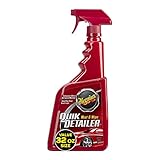
- Clean the side of your car facing the sign to maximize reflections. A quick detailer spray works wonders.
- Position the car so the neon light is hitting it at an angle, which will highlight car curves.
- Use Aperture Priority (A/Av) with a wide aperture (f/1.8). This will blur the sign into beautiful colorful shapes.
- Frame your shot so the sign acts as a colorful, out-of-focus background.
- Use your camera’s exposure compensation dial (-1 or -2) to darken the image slightly. This prevents the bright neon sign from being overexposed and losing its color.
- Focus on the part of the car catching the light and capture the shot.
Pro-Tip: If you’re struggling to balance exposure between the bright sign and the dark car, use bracketing. Your camera will take three or more photos at different exposures. You can later merge these in Adobe Lightroom or Photoshop for a perfect composite imaging result with full dynamic range.
7. Find a Gritty, Industrial Parking Garage Vibe

Save this parking garage shoot idea for an edgy, urban look.
What You Need
- A camera with a wide-angle lens to capture the scale of the garage
- A tripod (a flexible one like a Gorillapod can be useful here)
- Awareness of your surroundings for safety
Step-by-Step Directions
- Find a clean, empty, and well-lit parking garage. The top level at night is often a great choice.
- Position the car to take advantage of the architecture. Place it between pillars, align it with painted lines, or use the ceiling lights as leading lines pointing toward the car.
- Mount your camera on a tripod.
- Use a medium aperture like f/5.6 or f/8 to keep both the car and the immediate surroundings in sharp focus.
- Frame the shot with the car as the hero, but let the gritty urban elements of the garage tell a story.
- Capture the image, paying attention to how the harsh overhead light creates shadows and defines the car’s shape.
Pro-Tip: When scouting, look for garages with unique features like spiral ramps or interesting wall textures. The rooftop level can be perfect for silhouette shots against the twilight sky just after sunset, combining the industrial vibe with beautiful color. Always be aware of security and shoot quickly.

8. Capture Epic Rolling Shots (Rollers)

Feel the speed! Pin this awesome rolling shot guide.
What You Need
- CRITICAL: A team of two cars and two people. One person to drive the photo car, one person to drive the subject car. NEVER attempt this alone.
- A camera with Shutter Priority mode.
- A wide, empty, well-lit road or highway.
Step-by-Step Directions
- SAFETY FIRST: Plan your route. Both drivers must agree on the speed (e.g., 30-40 mph) and communication signals. The photographer should be securely seated with a seatbelt on.
- The photographer, in the passenger seat of the photo car, should adjust their camera to Shutter Priority (S or Tv).
- Configure your shutter speed to be relatively slow, between 1/30s and 1/80s. This is the key to creating motion blur car.
- Your camera will choose the aperture and ISO. Keep an eye on the ISO to make sure it doesn’t go too high.
- Have both cars drive parallel to each other at the agreed-upon, constant speed.
- Pan your camera smoothly, following the subject car as you trigger the shutter in a continuous burst. Many shots will be blurry, but a few will be perfectly sharp.
Pro-Tip: Use your camera’s continuous autofocus (AF-C) mode with a central focus point placed on the subject car. This helps the camera track the moving target. The goal is to match your panning speed perfectly with the car’s speed. It takes practice, but this is how professional techniques create the most dynamic automotive imagery.

9. Create a Headlight Starburst Effect

Pin this simple trick to make your car photos shine!
What You Need
- A camera with manual aperture control
- A tripod to keep the shot steady during the necessary long exposure
- A clean headlight lens for the sharpest star points
Step-by-Step Directions
- Clean your car’s headlights thoroughly. Any smudges will diffuse the light.
- Position your car and mount your camera on a tripod.
- Turn on the car’s headlights.
- Adjust your camera to Aperture Priority (A or Av) mode.
- Set your aperture to a high f-number, such as f/11, f/16, or even f/22. This is the key to the entire effect.
- Your camera will require a long shutter speed to compensate, so the tripod is essential to prevent blur.
- Focus on the headlight and capture the shot. You’ll see the point of light transform into a sharp star.
Pro-Tip: The number of points in your starburst is determined by the number of aperture blades in your lens. Lenses with an odd number of blades produce double the number of points (e.g., 9 blades = 18 points). Lenses with an even number produce the same number of points. This knowledge of your equipment is a key part of automotive photography.

10. Frame a Dramatic Silhouette Against the Skyline

Pin this powerful silhouette idea for your next city escape.
What You Need
- A location with a clear view of the sky or a city skyline, like an overlook or the top of a parking garage
- The right timing: the ‘blue hour’ just after sunset is perfect
- A camera with manual exposure control or exposure compensation
Step-by-Step Directions
- Position your car with the brightest part of the sky directly behind it. The car’s shape should be clean and recognizable.
- Frame your composition. A lower angle can make the car’s silhouette seem more heroic.
- Adjust your camera settings to expose for the bright background, not the car. In an automatic mode, you can point your camera at the sky, half-press the shutter to lock exposure, then re-frame on the car and shoot.
- Alternatively, use Manual mode or Exposure Compensation and dial it down (-2 or -3) until the car is a deep shadow.
- Set a low ISO (100) and a medium aperture (f/8) for a clean, sharp image.
- Capture the shot, focusing on the crisp outline of the vehicle against the colorful sky.
Pro-Tip: The key to a great silhouette is a recognizable shape. This technique works best for cars with iconic profiles like sports cars, convertibles, or classic off-roaders. Before you shoot, walk around the car and find its most defining angle to use for the silhouette.

11. Add Atmosphere with Smoke or Fog

Pin this moody, atmospheric idea for a truly cinematic shot!
What You Need
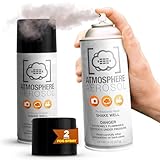
- Natural fog, or a can of atmosphere aerosol (also called “fog in a can”)
- A camera and tripod
- An additional light source (like an LED light or an off-camera flash) to use as a backlight
Step-by-Step Directions
- Wait for a naturally foggy night, or find a safe, open space to use your aerosol can.
- Position the car and turn on its headlights. The beams will become visible in the fog.
- Setup your camera on a tripod.
- Position your second light source behind the car, out of frame, pointing toward the car and camera. This backlight is what will make the fog glow and separate the car from the background.
- If using an aerosol can, have a friend spray a cloud of it behind and around the car.
- Adjust your camera settings (a slow shutter speed like 2-5 seconds, f/4, and ISO 400 is a good starting point) and capture the shot as the headlights cut through the fog.
Pro-Tip: The color of your backlight will change the color of the smoke. Use an RGB light as your backlight and set it to a color like red or blue to create a dramatic, moody atmosphere that contrasts with the white headlights. This is an advanced way to control the color palette of your image directly in-camera.
Key Takeaways
Your journey into captivating night car photography comes down to a few core principles. Mastering these will dramatically improve the quality of your shots and give you the confidence to experiment with more creative ideas.
- Always Use a Tripod: This is the #1 rule. A sturdy tripod is mandatory for the long exposure times needed in low light, and it’s the simplest way to prevent blur and get sharp photos.
- Master the Exposure Triangle: The relationship between Aperture, Shutter Speed, and ISO is everything. Use a slow shutter speed + motion, a wide aperture + bokeh, and a low ISO to reduce noise.
- Shoot in RAW Format: RAW files capture far more data than JPEGs, giving you the flexibility you need in post-process to correct color, adjust exposure, and sharpen images without losing quality.
- Light is Your Subject: Night car photography is less about the car and more about how light interacts with it. Learn to see and use ambient light from street lamps, neon signs, and even the moon.
- Control Reflections: A car is a mirror. Use a Circular Polarizing Filter (CPL) to manage reflections on windows and paint, and wear dark clothing to avoid showing up in the shot yourself.
- Focus Manually: Autofocus systems struggle in the dark. For the sharpest results, use your camera’s live view to digitally zoom in on a detail and focus the lens manually.
People Also Ask About Night Car Photoshoot Ideas
Here are answers to some of the most common questions about shooting cars at night.
What are the best camera settings for night car photography?
The best starting point is Manual Mode with a low ISO (100-400), a wide aperture (f/1.8-f/4), and a shutter speed between 2-30 seconds. These settings require a tripod. This combination minimizes noise, gathers the most light, and gives you creative control over capturing motion and light trails.
How to take car photos with a phone at night?
Use your phone’s ‘Night Mode’ and find a stable surface to brace it on, or use a small phone tripod. Tap the screen to focus on the brightest part of your subject. You can also download apps that allow manual control over shutter speed and ISO for more creative effects like light trails.
Why are my night car photos blurry?
The most common cause of blurry photos is camera shake combined with a slow shutter speed. To prevent blur, you must use a sturdy tripod. The second cause could be a missed focus; switch to manual focus and use your screen’s magnification to ensure your subject is perfectly sharp.
Is a tripod necessary for night car photos?
Yes, for high-quality, sharp images, a tripod is absolutely essential. Night photography requires slow shutter speeds to collect enough light. Any movement of the camera during this time, no matter how small, will result in a blurry image. A tripod eliminates camera shake completely.
How do I shoot a black car at night?
Shooting a black car requires defining its edges with light, a technique called “rim lighting.” Position the car so that a light source (like a street lamp or a softbox) is behind it or to the side. This creates a bright outline around the car’s shape, separating it from the dark background and revealing its form.
How do you avoid glare on a car’s windshield at night?
Use a Circular Polarizing Filter (CPL). By rotating the filter on your lens, you can dramatically cut down or even eliminate reflections and glare from the windshield and windows. This allows you to see inside the car and creates a much cleaner, more professional look.
How do you get good lighting for a car photoshoot at night?
Look for large, soft light sources. A gas station aesthetic works well because the canopy creates a giant softbox. You can also use light painting cars with an LED wand for full control, or position the car to catch the glow from a neon sign backdrop or storefront window.
What lens is best for night car photography?
A “fast” prime lens with a wide aperture (like a 50mm f/1.8 or 35mm f/1.4) is excellent for gathering light. A wide-angle lens (16-35mm) is great for capturing the car within its environment, like a parking garage shoot or with a city skyline.
How do you edit moody night car photos?
In Adobe Lightroom, start by correcting the white balance to remove strange color casts from streetlights. Then, deepen the blacks and shadows to increase contrast, and selectively boost vibrant colors from lights using the HSL/Color panel. Adding a touch of “dehaze” can also enhance the moody atmosphere.
What are good locations for a night car shoot?
Look for locations with interesting ambient light and backgrounds. Empty multi-story parking garages, gas stations, industrial areas with old buildings, scenic overlooks with a city view, bridges over highways, and streets with bright neon signs are all classic choices for compelling night car photoshoot ideas.
Final Thoughts on Your Night Photography Journey
Mastering night car photography is an incredibly rewarding journey that blends technical precision with boundless creativity. It’s about more than just a car; it’s about capturing a mood, telling a story, and controlling light in the darkness. By using a tripod, taking control of your camera’s manual settings, and experimenting with the creative ideas in this guide, you now have the foundational knowledge to stop taking simple snapshots and start creating professional, cinematic art.
Remember that every location and car is different, so don’t be afraid to experiment with these techniques and make them your own. The most important step is to get out there and start shooting. Which of these ideas are you excited to try first?
Last update on 2026-03-22 / Affiliate links / Images from Amazon Product Advertising API


![Cute Aesthetic Flower Car Charm: 11 Trendy Ideas for [year]](https://i0.wp.com/carxplorer.com/wp-content/uploads/2026/03/Cute-Aesthetic-Flower-Car-Charm-11-Trendy-Ideas-for-year-1.jpg?resize=60%2C60&ssl=1 "Cute Aesthetic Flower Car Charm: 11 Trendy Ideas for [year] 50")

