
Have you ever wondered what truly separates a great supercar from a legendary one? You’re likely captivated by the McLaren 720S, but you also know that ownership is about more than just jaw-dropping looks and blistering speed.
The McLaren 720S is a benchmark British supercar known for its revolutionary aerodynamics, lightweight carbon fiber construction, and a potent 710 BHP twin-turbocharged V8 engine. It represents a significant leap in performance and technology for the McLaren Super Series, blending track-capable dynamics with usable road manners.
Drawing from comprehensive analysis of current data and proven methodologies, this guide unpacks the essential specs and ownership realities. You will discover the 11 critical details every prospective buyer must understand before making a decision in 2026. This is your expert guide to one of the most significant supercars of the modern era.
What Makes the McLaren 720S a Modern Supercar Legend?
The McLaren 720S Supercar is more than just a collection of impressive numbers; it’s a landmark achievement in British engineering and a pivotal chapter in the McLaren Super Series. When it launched, it didn’t just compete; it reset expectations for what a road car could do. It successfully succeeded the already potent McLaren 650S and set a performance benchmark that its own successor, the McLaren 750S, had to work hard to surpass. The vehicle’s core philosophy is built around two key entities: the revolutionary Carbon Fiber Monocage II, a single-piece chassis that provides immense strength with incredible lightness, and the ferocious M840T 4.0L V8 Engine. This combination, born from decades of Formula 1 Technology and insights from automotive engineering studies, creates a driving experience that is both breathtakingly fast and surprisingly accessible. Understanding these core components is the first step in appreciating why the 720S remains a legend.
11 Essential McLaren 720S Specs Every Buyer Must Know
This is not just another list of technical data. We are diving into the 11 essential specifications that truly define the McLaren 720S experience, and more importantly, what they mean for you as a potential owner in our 2026 buying guide. Each point translates a number on a sheet into a real-world ownership consideration, from the raw power of its engine specs and its mind-bending 0-60 mph time to the practical realities of its used for sale market value and the crucial McLaren 720S maintenance cost per year. This structured breakdown will arm you with the knowledge to inspect, negotiate, and purchase with confidence.
1. The Heart of the Beast: The M840T 4.0L Twin-Turbo V8 Engine

Pin this engineering marvel to your ‘Dream Garage’ board!
The soul of this high-performance vehicle is the M840T engine, an evolution of McLaren’s celebrated V8 family. Answering the common question, “Who makes the 720S engine?”, McLaren designs and develops its engines in-house. This 4.0L V8 Engine is defined by its use of twin-scroll turbochargers and a flat-plane crank, engineering choices that prioritize lightning-fast throttle response and a high-revving nature. It is the source of the car’s immense power and character.
Spec Details
- Type: Twin-Turbocharged DOHC V8 with Dry Sump Lubrication
- Displacement: 3,994 cc (4.0L)
- Technology: Features twin-scroll turbochargers and a lightweight flat-plane crank for sharp throttle response.
Why It Matters (The 2026 Buying Guide)
- Reliability Check: The M840T is generally robust. On a pre-purchase inspection, have a certified technician check for any signs of coolant leak repair around the turbo lines, a known potential issue.
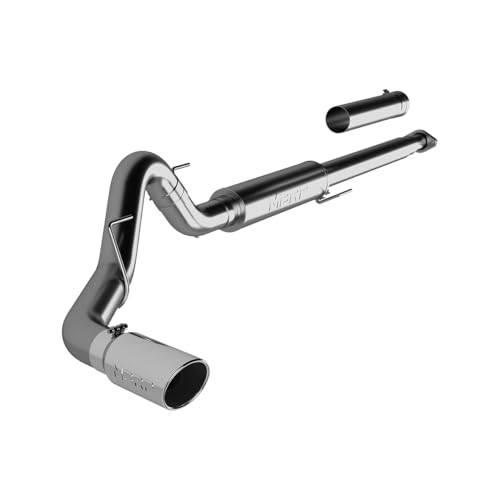
- Sound & Emotion: The stock exhaust is purposeful but can be quiet. Many owners opt for an aftermarket system like a McLaren 720S Akrapovic exhaust system to unlock the engine’s true sound.
- Maintenance: Regular oil changes are critical. Expect this service to be a significant part of the McLaren 720S maintenance cost per year.
Pro-Tip: Ask for detailed maintenance records. The health of a high-performance vehicle like the 720S is directly tied to its service history. Consistent servicing at a McLaren Qualified center is a massive green flag.
2. Raw Power: 720 PS (710 BHP) & 770 Nm Torque

Feel the power! Save this to your ‘Supercar Specs’ collection.
The headline figures of 720 PS (710 BHP) and 770 Nm Torque are what give the 720S its fearsome reputation. This immense output is produced by the M840T engine and is responsible for the car’s relentless acceleration. Unlike some high-strung engines, the torque delivery is massive across a wide portion of the rev range, creating a wave of force that feels bottomless and accessible at almost any speed.
Spec Details
- Maximum Power: 720 PS (710 Brake horsepower) at 7,500 rpm
- Maximum Torque: 770 Nm (568 lb-ft) from 5,500-6,500 rpm
- Power-to-Weight Ratio: Approximately 553 BHP per tonne (Coupe)
Why It Matters (The 2026 Buying Guide)
- Usable Power: Unlike some rivals, the 720S delivers immense torque across a wide rev range, making it feel brutally fast even without downshifting.
- Tire Wear: This level of power puts immense strain on rear tires. Budget for frequent replacements, especially if you plan on spirited driving. Pirelli P Zero Corsa is the typical OEM choice.
- Tuning Potential: While 710 BHP is immense, many tuners like Novitec N-Largo can easily extract over 800-900hp, but this can void warranties and affect reliability.
Pro-Tip: During a test drive, feel for smooth power delivery. Any hesitation or “stuttering” under load could be a sign of ignition or fuel system issues that warrant a deeper look.

3. Blistering Speed: 0-60 MPH, Quarter Mile, and Top Speed

Unreal speed. Pin this to your ‘Need for Speed’ board.
The 0-60 mph time is a benchmark for any supercar, and the 720S delivers a figure that borders on hypercar territory. This incredible acceleration is a direct result of its lightweight design, powerful engine, and sophisticated active aerodynamics. The performance doesn’t stop there; its quarter mile time and top speed mph figures solidify its position in the upper echelon of performance cars, often outperforming more expensive rivals in track tested comparisons.
Spec Details
- 0-60 mph: 2.8 seconds
- 0-124 mph (0-200 km/h): 7.8 seconds
- Quarter Mile Time: ~10.3 seconds
- Top Speed: 212 mph (341 km/h)
Why It Matters (The 2026 Buying Guide)
- Performance Benchmark: These numbers put the 720S in a league with cars costing twice as much, representing incredible value in the used market.
- Brake Check: The ability to go fast requires the ability to stop fast. The standard carbon-ceramic brakes are phenomenal but expensive to replace. Check for any signs of brake squeal fix attempts or records of rotor/pad replacement.
- Launch Control: The system is effective but puts stress on the drivetrain. Ask the previous owner how frequently it was used.
Pro-Tip: The 720S launch control procedure is simple to activate via the car’s central display. For consistent times, ensure the tires are warm and you are on a high-grip surface. This is a key feature to test during a pre-purchase inspection.

4. The Foundation: Carbon Fiber Monocage II Tub

The lightweight secret to its performance. Pin this for later!
The Carbon Fiber Monocage II is the structural heart of the 720S. This one-piece carbon fiber tub is not just a chassis; it’s a comprehensive safety cell that provides a level of strength and lightness that traditional metal structures cannot match. The exceptional Monocage II structural rigidity is the foundation for the car’s incredible handling dynamics, while its low weight is a key enabler of its explosive performance and efficiency. This technology is a direct link to McLaren’s deep roots in motorsport.
Spec Details
- Structure: One-piece carbon fiber tub including the roof structure.
- Benefit: Exceptionally high Monocage II structural rigidity and low weight.
- Dry Weight: As low as 1,283 kg (2,828 lbs), significantly lighter than competitors.
Why It Matters (The 2026 Buying Guide)
- Handling & Agility: The stiff, light chassis is the primary reason the 720S feels so responsive and nimble.
- Safety: The carbon tub provides an incredibly strong safety cell around the occupants.
- Damage Inspection: This is the most critical inspection point. Any damage to the carbon tub is extremely expensive and complex to repair. Look for any signs of cracking or previous repairs, especially around suspension mounting points. Windshield cracking can sometimes be linked to chassis flex issues, so inspect this area carefully.
Pro-Tip: The 720S Spider uses a modified version called the Monocage II-S, which doesn’t require extra bracing, so it weighs only 49kg more than the coupe and loses no rigidity—a major engineering feat.

5. Aerodynamic Mastery: Active Aero and Dihedral Doors

Form and function in perfect harmony. Save this design inspiration.
The dramatic styling of the 720S is a direct result of advanced Active Aerodynamics. The car’s shape was sculpted using Computational Fluid Dynamics (CFD) to manage airflow over, under, and even through the bodywork. The most visible element is the car which features active wing technology, but the genius is also in what’s hidden, like the air channels in the “eye-socket” headlights. Paired with the signature McLaren Dihedral Doors, the 720S offers a visual and functional spectacle unlike any other.
Spec Details
- Active Rear Wing: A full-width wing that acts as an airbrake, increases downforce, and uses a DRS (Drag Reduction System) function.
- Hidden Inlets: The controversial “eye sockets” are actually sophisticated intakes that channel air to cool the engine, eliminating the need for side intakes.
- Dihedral Doors: A McLaren signature, they hinge upwards and forwards, making entry/exit easier and providing incredible theatre.
Why It Matters (The 2026 Buying Guide)
- Hydraulics Check: The active wing is controlled by hydraulics. Verify its smooth operation in all modes (Aero, DRS, Airbrake). Sluggishness can indicate hydraulic pump issues.
- Door Operation: Ensure the dihedral doors open and close smoothly and latch securely. Misalignment can be a sign of a previous accident or require expensive adjustment.
- Aesthetic and Function: The aero isn’t just for show; it provides real stability at high speeds. This is a key differentiator from many rivals.
Pro-Tip: The rear wing deploys as an airbrake in under half a second, dramatically improving braking stability. During a test drive, find a safe place to brake hard from speed to feel this effect. It’s a core part of the track-focused machine‘s DNA.

6. Chassis & Suspension: Proactive Chassis Control II

The magic behind the ride quality. Pin this tech deep-dive.
Perhaps the most ingenious piece of technology in the 720S is the Proactive Chassis Control II suspension system. This advanced setup utilizes hydraulically linked dampers and eliminates the need for traditional mechanical anti-roll bars. Combined with a classic double-wishbone suspension layout and wonderfully communicative electro-hydraulic steering, PCC II gives the 720S a dual personality: a shockingly comfortable cruiser on rough roads and a razor-sharp track weapon when you need it.
Spec Details
- System: Proactive Chassis Control II (PCC II) with hydraulically interlinked dampers.
- Suspension Type: Aluminum double-wishbone suspension at all four corners.
- Steering: Electro-hydraulic steering, praised for its exceptional feedback and feel.
Why It Matters (The 2026 Buying Guide)
- Accumulator Check: The system relies on hydraulic accumulators. An accumulator failure is a common and expensive issue. If the car shows an “ESC Fault” or the ride feels bouncy, this is a major red flag.
- Ride Quality: This system gives the 720S a shockingly compliant ride for a supercar, making it a viable car for longer trips. If the ride feels harsh, the system may have a fault.
- Vehicle Lift: Most 720S models are equipped with a front-axle lift system. Test it to ensure it raises and lowers smoothly to avoid costly repairs to the hydraulic pump or lines.
Pro-Tip: The PCC II system uses a series of yaw sensors and accelerometers to predict the road surface and driver inputs, adjusting the damping preemptively. It’s a key piece of technology inherited from McLaren P1 research.
7. Transmission: 7-Speed Seamless Shift Gearbox (SSG)

Instant shifts, total control. Pin this for your dream car interior board.
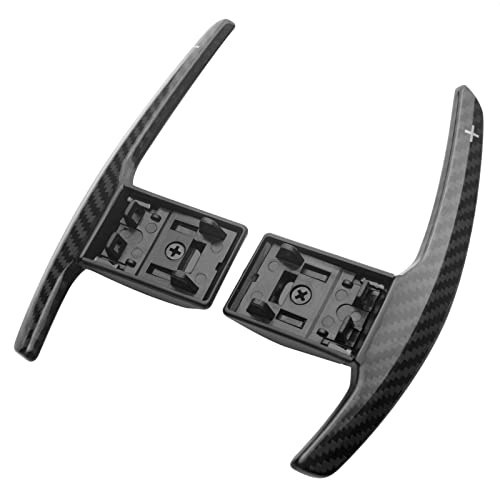
Connecting the engine to the rear wheels is the 7-Speed Seamless Shift Gearbox (SSG), a sophisticated dual-clutch transmission. For those asking, “Is 720S manual or automatic?“, the answer is that it’s exclusively a dual-clutch automatic, with no traditional manual option. This gearbox is a critical component of the car’s performance, enabling pre-cognitive shifts that are both imperceptibly smooth in automatic mode and brutally fast when controlled manually via the large carbon fiber paddles.
Spec Details
- Type: 7-Speed Seamless Shift Gearbox (SSG) with a dual-clutch mechanism.
- Operation: Fully automatic mode or full manual control via large, rocker-style carbon fiber paddles.
- Answer to “Is it Manual?”: The 720S is exclusively available with this automatic dual-clutch transmission; no traditional manual was ever offered.
Why It Matters (The 2026 Buying Guide)
- Shift Speed: The shifts are incredibly fast and are a huge part of the car’s performance identity.
- Reliability: Generally reliable, but any jerky movements, slipping, or warning lights (Engine system fault reset can sometimes be related) require immediate professional diagnosis. Transmission repairs are among the most expensive.
- Driving Modes: Test the car in all three powertrain modes (Comfort, Sport, Track) to ensure the transmission logic changes accordingly. Comfort should be smooth, while Track should be brutally fast and aggressive.
Pro-Tip: Unlike some systems, the 720S uses a single, large rocker paddle. You pull the right side to shift up and the left side to shift down. You can also push the paddle away from you to shift, a unique feature derived from McLaren’s Formula 1 Technology.
8. Interior and Tech: The Driver-Focused Cockpit

The perfect office. Pin this minimalist cockpit design.
The interior of the 720S is a masterclass in minimalist, driver-focused design. The cockpit features extensive use of Alcantara Interior trim and exposed carbon fiber, creating a purposeful and high-tech environment. The standout tech feature is the folding driver display, which can show a full range of information or retract into a slim, track-focused strip. However, the technology is not without its quirks, which are important to assess.
Spec Details
- Driver Display: Innovative folding display that offers a full-screen view or slims down to a minimalist strip showing only essential info in Track mode.
- Infotainment: 8-inch vertical IRIS system for navigation, media, and climate control.
- Materials: Extensive use of Alcantara Interior trim and exposed carbon fiber is common, with optional luxury leather packages.
Why It Matters (The 2026 Buying Guide)
- Infotainment Check: The IRIS system is known for being slow and buggy. Test for infotainment lag solution needs and ensure all functions work. Many owners use their phone for navigation.
- Apple CarPlay: No, the 720S did not come with Apple CarPlay from the factory. Aftermarket solutions are available to add this functionality.
- Wear and Tear: Check for wear on the driver’s seat bolster, a common issue due to the dihedral doors. Also, inspect Alcantara surfaces for matting or soiling.
Pro-Tip: Look for models with the optional Glass Roof Panels. They make the cockpit feel significantly more open and airy, enhancing the driving experience, though they can add a bit of heat on sunny days.

9. Used Market Pricing and Depreciation

Investment-grade performance. Save this to your ‘Future Goals’ board.
Finding a used McLaren 720S for sale presents one of the most compelling value propositions in the supercar world. While the original MSRP was high, depreciation has made this level of performance more accessible. The used price has stabilized in recent years, especially for desirable, well-maintained cars. Understanding the market is key to making a smart investment.
Spec Details
- Original MSRP: Started around $300,000 USD, but options quickly pushed this higher.
- 2026 Used Price Range (Coupe):
- 2018-2019 Models: $220,000 – $260,000
- 2020-2022 Models: $250,000 – $300,000+
- Depreciation: The 720S experienced significant initial depreciation but has started to stabilize, especially for well-maintained, low-mileage examples.
Why It Matters (The 2026 Buying Guide)
- Value Proposition: A used 720S offers hypercar-level performance for a fraction of the original price, representing one of the best performance bargains on the market.
- Warranty is Key: Many used examples are now out of factory warranty. Consider purchasing a Certified Pre-Owned McLaren or a reputable third-party extended warranty for peace of mind against costly repairs like accumulator failure.
- Are prices dropping? As of early 2026, prices are relatively stable but may see a slight dip as the newer McLaren 750S becomes more common on the used market.
Pro-Tip: Service history is the single most important factor for resale value. A car with higher mileage but a perfect service record from a McLaren dealer is often a better buy than a low-mileage car with gaps in its history.
10. Common Issues and Maintenance Costs

Own the dream without the nightmare. Pin these essential ownership tips.
Understanding the realistic McLaren 720S maintenance cost per year and “What are common 720S issues?” is crucial for any prospective buyer. While no supercar is cheap to run, being aware of the potential costs and preventative measures allows for a much more enjoyable ownership experience. Budgeting for maintenance is just as important as budgeting for the purchase itself.
Spec Details
- Annual Service Cost: Expect $2,000 – $4,000 for a standard annual service at a dealer or specialist.
- Tire Cost: ~$2,000 per set of Pirelli P Zero Corsas.
- Insurance: Highly variable, but budget $5,000 – $15,000+ per year.
Why It Matters (The 2026 Buying Guide)
- Common Issues: Key things to watch for are suspension accumulators, electrical issues (often fixed with software updates), and minor coolant leaks.
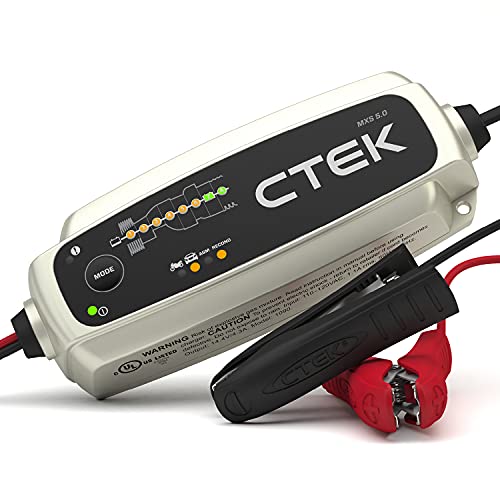
- Battery Health: Like many supercars, the 720S can drain its battery if not driven regularly. A battery tender installation is non-negotiable. The battery is located in the passenger footwell.
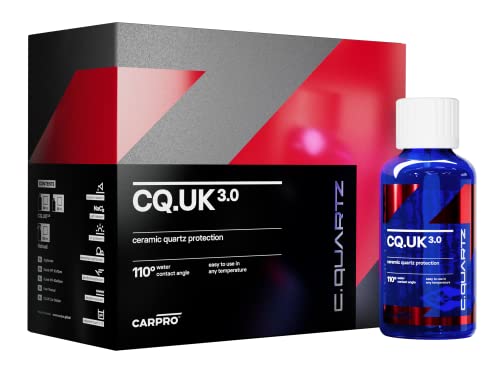
- Protection is Cheaper than Paint: The cost of Paint Protection Film (PPF) and a ceramic coating is high upfront but can save you tens of thousands in paint correction or respraying down the line.
Pro-Tip: The single most common and expensive surprise repair is the suspension accumulator failure, costing upwards of $5,000-$8,000 to fix. This is the #1 reason to get a comprehensive pre-purchase inspection and an extended warranty.
11. Protecting Your Investment: PPF and Ceramic Coating

Keep that factory finish flawless. Pin this essential protection guide.
For any supercar, and especially one with intricate bodywork and expensive paint like the 720S, protection is a critical form of depreciation protection. Paint Protection Film (PPF) and Ceramic coating for McLarens are not just accessories; they are essential investments to preserve the car’s condition, appearance, and ultimately, its value.
Spec Details
- Paint Protection Film (PPF): A clear, durable urethane film applied to high-impact areas (or the full car) to absorb rock chips and prevent scratches.
- Ceramic Coating: A liquid polymer that chemically bonds with the factory paint, creating a sacrificial layer of hydrophobic, glossy protection.
- Recommended Coverage: At a minimum, full frontal PPF (bumper, hood, fenders, mirrors). Full-body PPF is the ultimate protection.
Why It Matters (The 2026 Buying Guide)
- Preserving Value: Flawless original paint is critical to a supercar’s value. The cost of protection is a fraction of the cost of a high-quality respray.
- Ease of Maintenance: A ceramic-coated car is significantly easier to wash, as dirt and grime do not stick as readily.
- Buyer’s Advantage: A car that already has high-quality, full-body PPF installed represents thousands of dollars in saved cost and is a huge plus for a prospective buyer. Inspect the film for lifting edges or yellowing.
Pro-Tip: Don’t forget to protect the exposed carbon fiber components. They can be covered with PPF just like paint. Also, apply a specific windshield protection film to help prevent the costly windshield cracking problem.
Key Takeaways: Your Quick Guide to Buying a McLaren 720S
The journey to owning a McLaren 720S is exciting, and this overview provides a quick reference to the most important points from our guide. Think of this as your final checklist before you start seriously looking at cars.
- Unmatched Performance for the Price: The McLaren 720S delivers hypercar-level acceleration (0-60 in 2.8s) and handling thanks to its 710 BHP twin-turbo V8 and lightweight carbon fiber tub, making it a top-tier performance value on the used market.
The Monocage II is Everything: The car’s entire character—its light weight, rigidity, and safety—stems from the Carbon Fiber Monocage II. A thorough inspection of the tub for any damage is the most critical part of a pre-purchase inspection.
Budget for Maintenance: Ownership is more than the purchase price. Factor in annual servicing ($2k-$4k), tires (~$2k/set), and insurance ($5k+). An extended warranty is highly recommended to protect against major repairs.
Suspension is the #1 Risk: The brilliant Proactive Chassis Control II system is a dream when it works, but an accumulator failure is the most common expensive repair. Test the ride quality and vehicle lift system thoroughly.
Protection is Non-Negotiable: The value of a 720S is heavily tied to its condition. Investing in Paint Protection Film (PPF) and a battery tender are essential first steps to protect your investment and prevent common ownership headaches.
FAQs About McLaren 720S
Here are direct answers to some of the most frequently asked questions about the McLaren 720S, helping you clarify any remaining doubts.
How much does a McLaren 720S cost?
As of 2026, a used McLaren 720S typically costs between $220,000 and $300,000 USD. The price depends heavily on the model year, mileage, options, and overall condition. Early, higher-mileage 2018 models represent the lower end of the market, while late-model, low-mileage Spider variants can exceed $300,000.
Is the McLaren 720S reliable?
The McLaren 720S is considered reasonably reliable for a supercar, but it requires diligent maintenance and has known weak points. While the core M840T engine and transmission are robust, issues like suspension accumulator failures and minor electrical bugs can occur. A comprehensive pre-purchase inspection and an extended warranty are highly recommended for peace of mind.
What is the difference between the 720S and 750S?
The McLaren 750S is the direct successor to the 720S, featuring more power, less weight, and refined aerodynamics. The 750S increases horsepower to 740 BHP, incorporates design elements from the 765LT, has a faster steering rack, and comes with an updated interior and infotainment system, including standard Apple CarPlay.
Why was the 720S discontinued?
The McLaren 720S was discontinued to make way for its evolution, the McLaren 750S, which was introduced in 2023. This is a standard product lifecycle practice in the automotive industry, where a successful model is updated and replaced by a new version with incremental improvements to technology, performance, and design.
Can you daily drive a McLaren 720S?
Yes, you can daily drive a McLaren 720S, as it is one of the more comfortable and usable supercars available. Thanks to its excellent visibility, surprisingly compliant ride from the Proactive Chassis Control II suspension, and front-axle lift system, it handles daily traffic better than many rivals. However, be prepared for high running costs and attention.
Which is faster, the 720S or the 765LT?
The McLaren 765LT is faster and more track-focused than the 720S. The 765LT is a lighter, more powerful (755 BHP), and aerodynamically aggressive limited-edition version of the 720S. It features a faster-shifting transmission, revised suspension, and generates significantly more downforce, resulting in quicker lap times.
What are the main competitors to the McLaren 720S?
The main competitors to the McLaren 720S are the Ferrari F8 Tributo and the Lamborghini Huracán EVO. The 720S vs Ferrari F8 debate often centers on the 720S’s raw speed versus the F8’s emotional V8 sound. The 720S vs Huracán EVO comparison highlights the McLaren’s turbo power against the Lamborghini’s naturally-aspirated V10 engine.
How much is insurance for a 720S?
Insurance for a McLaren 720S typically costs between $5,000 and $15,000 per year, but can vary dramatically. Factors influencing the cost include your age, driving record, location, and the insurance provider. It’s essential to shop around with specialty insurers that understand high-performance exotic cars.
Is the McLaren 720S Spider a hardtop?
Yes, the McLaren 720S Spider features a one-piece retractable hard top (RHT). The carbon fiber roof panel can be lowered or raised in just 11 seconds at speeds of up to 31 mph. Unlike a soft top, it provides better security, weather insulation, and maintains the car’s sleek coupe-like profile when closed.
How many McLaren 720S were made?
While McLaren does not release exact production numbers for the 720S, it is estimated that several thousand units were produced between 2017 and 2023. It was a series-production model within the Super Series, not a numbered limited edition like the 765LT or Senna, making it relatively accessible on the used supercar market.
Final Thoughts on Your McLaren 720S Journey
The McLaren 720S rightfully earned its place in the pantheon of legendary supercars. It offers a combination of blistering speed, advanced technology, and surprising usability that few vehicles can match, especially at its current value on the pre-owned market. Its performance, born from the M840T engine and Monocage II chassis, remains world-class.
However, intelligent ownership is the key to enjoying this masterpiece. This guide has armed you with the critical knowledge needed to navigate the market, from identifying potential issues like accumulator failure to understanding the importance of a pristine service history. The ultimate takeaway is to buy with your head as much as your heart. Always invest in a thorough pre-purchase inspection from a qualified specialist.
By doing so, you’re not just buying a car; you’re acquiring a piece of automotive history and unlocking an unparalleled driving experience. Which aspect of the 720S most excites you on your ownership journey?
Last update on 2026-03-04 / Affiliate links / Images from Amazon Product Advertising API


