
Thinking of using Windex to quickly clean your car paint? You’re not alone in seeking a convenient solution, but you’re right to hesitate and question its safety. Many drivers wonder if this common household cleaner is a safe shortcut, fearing it might cause unseen harm to their vehicle’s finish.
Windex is generally not safe for car paint due to its harsh chemical composition. Its key ingredients, ammonia and alcohol, are formulated for hard surfaces like glass, not for delicate automotive finishes. These chemicals can strip away protective wax layers and degrade the clear coat, leading to potential long-term damage.
This guide, based on analysis from automotive detailing experts and chemical safety data, will explain exactly why Windex is a poor choice for car care. You’ll discover the specific damage it can cause to paint, plastic, and tint, and learn about the professional-grade alternatives that clean effectively without compromising your vehicle’s integrity.
Key Facts
- Ammonia is the Primary Threat: Windex contains ammonia, a strong alkaline chemical that aggressively strips protective car wax and sealants, leaving your paint vulnerable to environmental damage.
- Clear Coat Degradation is a Major Risk: Over time, the solvents in Windex can soften and degrade the clear coat, the transparent protective layer of your car’s paint, leading to a dull, hazy appearance.
- Window Tint is Highly Vulnerable: The ammonia in Windex is notorious for breaking down the adhesives used in aftermarket window tint, which can cause bubbling, peeling, and discoloration.
- Safe Alternatives are pH-Balanced: Unlike Windex, dedicated automotive cleaners are pH-balanced, ensuring they clean effectively without stripping waxes or harming sensitive surfaces like paint, plastic, and rubber.
- Professional Consensus is Clear: Automotive detailing experts universally advise against using household cleaners on cars, recommending purpose-built products for every surface to ensure safety and longevity.
Is Windex Safe on Car Paint? Expert Guide and Safe Alternatives
The definitive answer, according to automotive detailing experts and chemical data, is no—Windex is not safe for your car’s paint. While it might seem like a quick fix for a smudge or bird dropping, its chemical formula is fundamentally incompatible with modern automotive finishes. The very ingredients that make Windex an effective household glass cleaner are the ones that pose a significant threat to your vehicle’s protective layers. Using it is a gamble that can lead to dullness, stripping of essential protection, and even long-term damage that is costly to repair.

The primary reason for this warning lies in Windex’s composition. It contains harsh chemicals like ammonia and alcohol, which are designed to cut through grease and grime on non-porous surfaces like glass. However, car paint is a complex, multi-layered system that includes a delicate clear coat and often a layer of wax or sealant. These protective layers are easily broken down by the strong solvents found in Windex, leaving your paint exposed and vulnerable. In the following sections, we will explore the specific ingredients in Windex, the nature of car paint, and exactly why this combination is a recipe for potential damage.
What Is Windex Made Of: Key Ingredients and Their Properties?
Windex primarily contains ammonia and isopropyl alcohol, potent solvents designed to dissolve grease and evaporate quickly for a streak-free shine on glass. These ingredients are highly effective for their intended purpose—cleaning hard, non-porous surfaces in a home. However, their properties are too aggressive for the more sensitive materials found on a vehicle’s exterior.
Here is a breakdown of its key components:
* Ammonia: A powerful alkaline cleaning agent. It is excellent at breaking down tough grime, grease, and organic matter. Its high pH is what makes it so effective on glass but also so damaging to automotive finishes.
* Isopropyl Alcohol: A solvent that helps dissolve oils and other substances that water alone cannot. It also evaporates quickly, which is key to preventing streaks on glass.
* Detergents (Surfactants): These help to lift and suspend dirt away from the surface so it can be wiped away. While effective, the types used in household cleaners are not always pH-balanced for automotive paint.
What Is Car Paint and Clear Coat: A Protective Overview?
Modern car paint is a multi-layered system composed of a primer, a colored base coat, and a crucial top layer known as the clear coat. The clear coat is a transparent, urethane-based finish that serves as the primary shield for the colored paint underneath. Its job is to provide gloss and depth to the color while protecting it from environmental hazards.
Think of your car’s paint job in these distinct layers:
1. Primer: The first layer applied to the car’s body panel, designed to help subsequent layers adhere properly and provide corrosion protection.
2. Base Coat (Color Coat): This layer provides the actual color of your vehicle. It has no real durability or shine on its own.
3. Clear Coat: The thickest and most important layer for protection. It shields the base coat from UV rays (which cause fading), scratches, chemicals, and other environmental contaminants. The glossy finish you see on a car is the shine of a healthy clear coat.
Because the clear coat is the outermost defensive layer, its integrity is paramount. Any chemical that can degrade or strip this layer puts the entire paint job at risk.
Why Is Windex Considered Unsafe for Car Paint?
Windex is unsafe for car paint primarily because its strong alkaline pH from ammonia and its solvent properties from alcohol aggressively attack the protective layers of an automotive finish. Unlike pH-balanced car-specific cleaners, Windex is formulated to be harsh and effective on inorganic surfaces like glass. When applied to car paint, it begins a chemical process that degrades the very components designed to protect your vehicle’s appearance.
The core issue is a chemical mismatch. Automotive clear coats are essentially a type of durable plastic (urethane polymers) designed to be flexible and resistant to mild environmental exposure. They are protected by even more delicate layers of wax or synthetic sealants. Windex, with its high-pH and solvent-heavy formula, acts as a chemical stripper to these layers, creating a cascade of potential problems that a simple wash will not fix.
How Does Ammonia Affect Car Paint and Clear Coat?
Ammonia affects car paint by aggressively stripping protective layers like wax and sealants due to its alkaline nature, and it can etch or soften the clear coat itself. As a powerful solvent, ammonia’s primary function is to break down organic compounds, which unfortunately includes the natural carnauba in waxes and the polymers in synthetic sealants.
Here are the specific effects of ammonia on your car’s finish:
* Strips Wax and Sealants: This is the most immediate effect. Ammonia dissolves the protective barrier you may have applied, leaving the clear coat exposed. This is why water will stop beading on a surface cleaned with Windex.
* Degrades Clear Coat: With repeated exposure, ammonia can begin to break down the polymers in the clear coat. This can cause the finish to become soft, hazy, or brittle over time.
* Causes Discoloration: On older single-stage paints or by affecting the clear coat’s clarity, ammonia can lead to fading or a yellowish tint, especially on lighter-colored cars.
Does Alcohol in Windex Harm Automotive Finishes?
Yes, the alcohol in Windex can harm automotive finishes by drying out painted surfaces, which can lead to dullness and a diminished shine. While not as chemically aggressive as ammonia, isopropyl alcohol is still a solvent. Its rapid evaporation, which is beneficial for a streak-free finish on glass, can pull essential oils and plasticizers from paint, plastic, and rubber, making them look chalky and feel brittle.
Over time, this drying effect can:
* Dull the Paint: By removing moisture and oils, it reduces the paint’s natural luster.
* Contribute to Streaking: On a warm surface, the fast evaporation can leave behind residues of other ingredients, causing streaks that are difficult to buff out.
* Damage Plastic and Rubber: It can cause plastic trim to fade and rubber seals to become hard and cracked.
What About Other Harsh Chemicals in Household Cleaners?
Beyond Windex, most household cleaners contain harsh detergents, abrasive particles, or chemicals with extreme pH levels that are damaging to car paint. The principle remains the same: products designed for scrubbing tile, disinfecting countertops, or cleaning ovens are not formulated with the preservation of a delicate automotive clear coat in mind.
For example:
* Dish Soap: Contains strong degreasers that strip wax just as effectively as Windex.
* All-Purpose Cleaners: Often contain powerful solvents or high-alkaline ingredients that can dull paint and dry out plastic.
* Acidic Cleaners: Products like toilet bowl cleaners or some tile cleaners can permanently etch and discolor a clear coat in seconds.
Using any product not specifically labeled “automotive-safe” is a risk, as they are not pH-balanced for your car’s finish.
What Specific Damage Can Windex Cause to Car Paint and Other Surfaces?
Windex can cause a wide range of visible damage to a car’s exterior, extending far beyond just the painted surfaces. Its harsh chemical makeup can strip protective layers, cause discoloration, and degrade materials like plastic, rubber, and window tint. The result is often a dull, aged appearance that can significantly reduce your vehicle’s value and require costly repairs to correct.
While a single, accidental overspray might not immediately ruin your finish, regular use or failure to quickly remove it can lead to noticeable issues. The damage is often cumulative, becoming more apparent over time as protective layers are worn away and the underlying materials are exposed to Windex’s chemical assault. Understanding these specific risks is key to appreciating why specialized automotive products are always the superior choice.
Can Windex Strip Car Wax and Sealants?
Yes, Windex can easily and quickly strip off car wax and paint sealants. This is one of its most immediate and guaranteed effects. The ammonia and alcohol act as powerful solvents that are designed to break down grease and organic compounds. Unfortunately, carnauba wax and the polymers in synthetic sealants fall into this category.
Using Windex on a waxed car effectively undoes hours of work and removes the crucial protective barrier that shields your paint from:
* UV rays from the sun
* Acid rain and environmental pollutants
* Bird droppings and bug guts
* Water spots
Once the wax is gone, the clear coat is left completely exposed to these elements and to the direct chemical attack of the Windex itself.
Does Windex Cause Dullness or Discoloration on Paint?
Yes, Windex can cause both dullness and discoloration on car paint. The dullness, or lack of shine, happens for two reasons. First, by stripping the wax, it removes the layer that provides much of the depth and gloss. Second, with repeated use, its chemicals can create microscopic etching on the surface of the clear coat, disrupting its ability to reflect light evenly. This results in a hazy, matte-like finish.
Discoloration is a more severe, long-term effect. The chemicals can slowly break down the pigments in the paint’s base coat or degrade the clear coat to the point that it begins to yellow, altering the appearance of the color underneath. This is particularly noticeable on white, silver, and other light-colored vehicles.
Is Windex Safe for Plastic Trim, Rubber Seals, and Headlights?
No, Windex is not safe for car plastic trim, rubber seals, or headlights. These components are often even more sensitive to Windex’s chemicals than the paint itself.
- Plastic Trim: The alcohol in Windex is a drying agent that can pull plasticizers out of black or gray plastic trim. This causes it to fade, become chalky, and turn brittle over time.
- Rubber Seals: Similarly, Windex can dry out the rubber seals around your windows and doors. This makes them less flexible, leading to cracking and a loss of their ability to seal out water and wind noise.
- Headlights: Modern headlights are made of polycarbonate with a UV-protective coating. Windex can strip this coating, causing the lenses to become yellow and foggy, which reduces headlight effectiveness and is a common safety inspection failure.
What Risks Does Windex Pose to Window Tint and Glass?
Windex poses a significant risk to aftermarket car window tint because its ammonia content can break down the tint’s adhesive, causing it to peel, bubble, or fade. This is the single most common reason detailers warn against using Windex inside a car. While the glass itself is resistant, the delicate tint film is not. The ammonia attacks the bonding agent, leading to ugly and irreversible damage that requires complete replacement of the tint.
Even on untinted exterior glass, Windex is not ideal. If oversprayed onto surrounding paint or plastic, it causes the damage described above. Furthermore, its formula can sometimes leave streaks on automotive glass, which is formulated differently from household windows.
Does Windex Affect Ceramic Coatings or Paint Protection Film (PPF)?
No, Windex should not be used on ceramic coatings or Paint Protection Film (PPF). While these advanced protective layers are far more durable than traditional wax, they are not impervious to harsh chemicals.
- Ceramic Coatings: These coatings work by creating a super-hydrophobic (water-repellent) surface. The strong detergents and solvents in Windex can clog the microscopic pores of the coating or degrade its chemical structure, diminishing its protective and self-cleaning properties.
- Paint Protection Film (PPF): Windex can harm PPF in several ways. It can dry out the film, making it more prone to cracking or yellowing. More importantly, the ammonia can attack the edges of the film, potentially causing the adhesive to fail and the film to lift.
Using Windex on these expensive investments is a surefire way to reduce their lifespan and performance.
What About Common Myths: Is Windex Ever Okay on Car Paint?
Despite persistent claims on forums or social media, Windex is generally not okay for use on modern car paint. The myths surrounding its safety often stem from outdated practices, misunderstanding of its effects, or anecdotal evidence where the long-term damage isn’t immediately visible. For example, some old-school mechanics might have used it on single-stage enamel paints from decades ago, which had a different chemical makeup than today’s delicate clear coat systems.
Another common source of confusion is its use in body shops for surface prep before painting, where the goal is to aggressively strip everything off the surface. This is a very specific, destructive use case and should not be confused with routine cleaning. For any modern vehicle where you want to preserve the finish, professional consensus is clear: avoid Windex and use automotive-specific products.
Why Do Some People Claim Windex is Safe for Car Paint?
Claims about Windex’s safety often arise from anecdotal evidence, a lack of immediate visible damage, or its use on older, more resilient paint systems. A person might use it once to remove a bird dropping, see that the paint didn’t instantly peel off, and assume it’s harmless. This overlooks the cumulative damage that occurs with repeated use.
The main reasons for these misconceptions include:
* Old Habits: People who worked on cars in the 70s or 80s might have used Windex on single-stage paints without the same negative effects seen on modern clear coats.
* Convenience: It’s readily available in most households, making it a tempting shortcut compared to buying a dedicated car product.
* Misinterpretation: Seeing a professional like “Bad Chad” on TV use it to strip a car for a repaint leads viewers to believe it’s a valid cleaning hack, missing the crucial context that he is intentionally destroying the old finish.
* Invisible Damage: The initial damage—stripping wax—is invisible. The resulting dullness and degradation happen slowly over time, so the user may not connect it back to their use of Windex weeks or months earlier.
When Might Windex Be Used (and Why You Should Still Avoid It)?
The only scenario where Windex is sometimes seen in an automotive context is as an aggressive degreaser or wax stripper immediately before a full repaint, where the existing finish is going to be sanded off anyway. In this highly specific case, its stripping properties are used intentionally.
However, even in this niche application, professionals still advise against it. Here’s why:
* Better Alternatives Exist: Professional-grade wax and grease removers are far more effective and are designed for this exact purpose.
* Risk of Contamination: Windex can leave behind residues, including silicone, which can interfere with the new paint’s ability to adhere properly, causing defects in the final finish.
The bottom line is clear: there is no situation in regular car maintenance or cleaning where Windex is the right or safe choice. Safer, more effective, purpose-built products are always available.
What Are The Best Safe Alternatives to Windex for Car Care?
The best safe alternatives to Windex are automotive-specific products formulated to be ammonia-free and pH-balanced, ensuring they won’t damage paint, strip wax, or harm delicate surfaces like window tint and plastic trim. These products are designed from the ground up to clean effectively while preserving your vehicle’s finish. The three main categories of safe alternatives are dedicated automotive glass cleaners, quick detail sprays, and mild car wash soaps.
Choosing the right product for the job is the cornerstone of proper car care. While Windex is a multi-purpose cleaner for the home, a car requires a more specialized approach. Investing in a few key automotive products will pay dividends in maintaining your car’s appearance and value. Below is a comparison of how Windex stacks up against these safer options.
| Feature/Aspect | Windex (Original) | Automotive Glass Cleaner (e.g., Invisible Glass) | Quick Detail Spray (e.g., Meguiar’s Quik Detailer) |
|---|---|---|---|
| Ammonia Content | Yes | No | No |
| Safe on Car Paint | No (strips wax, dulls clear coat) | Yes (pH balanced, no harsh chemicals) | Yes (lubricated, pH balanced) |
| Safe on Window Tint | No (causes peeling/fading) | Yes (ammonia-free, tint-safe) | Yes (no impact) |
| Safe on Plastic/Rubber | No (dries out, degrades) | Yes (non-damaging formula) | Yes (safe, often enhances) |
| Streak-Free Finish | Often on glass, sometimes on paint | Excellent on glass | Excellent on paint/glass |
| Protective Properties | None (strips protection) | None (just cleans glass) | Adds minor protection, enhances gloss |
| Primary Use | Household glass | Automotive glass, mirrors | Light cleaning, boosting shine on paint/glass |
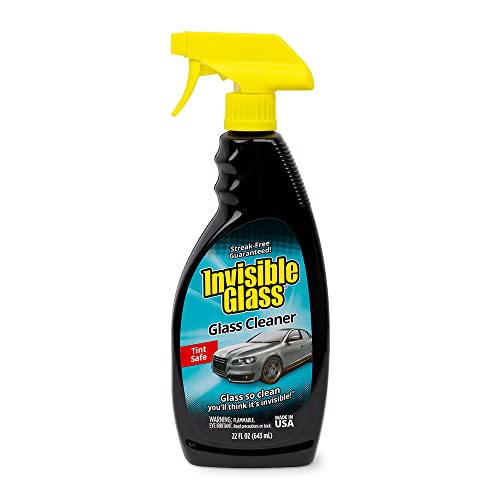
Which Automotive Glass Cleaners are Ammonia-Free and Paint-Safe?
Ammonia-free automotive glass cleaners like Invisible Glass, Sprayway Glass Cleaner, and Meguiar’s Perfect Clarity Glass Cleaner are highly recommended as paint-safe alternatives to Windex. These products are trusted by professional detailers because they are specifically engineered for automotive use.
Their key features include:
* Ammonia-Free Formula: This is the most critical feature, ensuring they are completely safe for use on aftermarket tinted windows without causing bubbling or peeling.
* No Soaps or Dyes: They are formulated to clean without leaving behind residues that can cause streaking.
* Safe on All Surfaces: You can use them without fear of damaging paint, plastic, rubber, or chrome if you accidentally overspray.
* Aerosol or Trigger Spray: They come in various forms, with many pros preferring foaming aerosol cleaners like Sprayway because they cling to vertical surfaces without dripping.
How Do Car Detail Sprays and Quick Detailers Work for Light Cleaning?
Car detail sprays, also known as quick detailers, are formulated to safely remove light dust, fingerprints, and smudges from painted surfaces without scratching. They are an excellent alternative to reaching for Windex for a quick spot clean. They work by providing lubrication that encapsulates dirt particles, allowing them to be gently wiped away with a microfiber towel.
The primary benefits of a quick detailer are:
* High Lubricity: This prevents dirt from being dragged across the paint, which is what causes fine scratches and swirl marks.
* pH-Balanced: They are completely safe for all waxes, sealants, and ceramic coatings.
* Gloss Enhancement: Most detail sprays contain polymers that add a slick, glossy look to the paint, boosting its shine.
* Versatility: They can be used on paint, glass, chrome, and hard plastic trim, making them a truly multi-purpose automotive product.
What About Natural or DIY Solutions for Car Windows?
For a natural and cost-effective DIY car window cleaner, a simple solution of distilled water mixed with a small amount of white vinegar can work well. This provides a streak-free, ammonia-free option for cleaning glass. Using distilled water is important as it contains no minerals that could leave spots behind.
Here’s a simple recipe:
* Mix a solution of 50% distilled water and 50% white vinegar in a spray bottle. For sensitive surfaces, you can dilute the vinegar further.
* Lightly spray the solution onto the glass.
* Wipe with a clean microfiber towel.
A word of caution: While safer than ammonia, vinegar is still acidic. Use it sparingly and avoid prolonged contact with window tint or rubber seals, as it can potentially dry them out over time. For this reason, a dedicated automotive glass cleaner is still the safest bet.
How Do Professional Detailers Clean Car Glass and Surfaces Safely?
Professional detailers achieve safe, flawless results by using purpose-built products combined with proven techniques. Their methods are centered around preventing scratches and ensuring that every product used is compatible with the surface it’s cleaning. They never use harsh household cleaners like Windex, instead relying on a curated arsenal of pH-balanced soaps, ammonia-free glass cleaners, and high-quality microfiber towels.
The secret to a professional finish is not just in the products, but in the process. Techniques like the “two-towel method” for glass and the “two-bucket method” for washing are industry standards designed to minimize contact with contaminants and preserve the integrity of the vehicle’s finish. By adopting these methods, you can elevate your own car care routine and protect your investment.
What is the Proper Technique for Cleaning Car Glass for a Streak-Free Finish?
The proper technique for achieving a perfectly clear, streak-free finish on car glass is known as the “two-towel method.” This simple process ensures that cleaner is applied evenly and then completely removed without leaving any residue behind.
- Use Two Clean Towels: You will need two high-quality, lint-free microfiber towels. One will be your “wet” towel for applying the cleaner, and the other will be your “dry” towel for buffing.
- Spray the Towel, Not the Glass: Lightly mist your “wet” towel with an ammonia-free automotive glass cleaner. Spraying the towel prevents overspray from getting on your dashboard or paint.
- Wipe the Glass: Clean the window with the damp towel. A good pro tip is to wipe the inside of the glass in a horizontal direction and the outside in a vertical direction. This way, if you see any streaks, you’ll instantly know which side they’re on.
- Buff with the Dry Towel: Immediately after wiping, use your “dry” towel to buff the glass to a crystal-clear, streak-free shine. Turn the towel frequently to a fresh, dry side.
How Do You Safely Clean Painted Surfaces Without Damage?
To safely clean painted surfaces without causing scratches or swirl marks, professionals use the “two-bucket method.” This technique is designed to keep the dirt you remove from your car from being reapplied with your wash mitt.
- Prepare Two Buckets: Fill one bucket with your pH-balanced car wash soap and water solution. Fill the second bucket with plain, clean water. It’s highly recommended to place a “Grit Guard” at the bottom of each bucket.
- Rinse the Car: Before you touch the paint, give the entire vehicle a thorough rinse with a hose to remove loose dirt and debris.
- Wash in Sections: Dip your microfiber wash mitt into the soapy water bucket and wash a small section of the car (e.g., one door panel), starting from the top and working your way down.
- Rinse the Mitt: Before putting your mitt back into the soapy water, rinse it thoroughly in the plain water bucket. Rub it against the Grit Guard to release all the dirt and grime you just removed. This keeps your soap bucket clean.
- Repeat the Process: Continue this process, washing and rinsing section by section, until the entire car is clean.
- Dry Safely: Use a large, plush microfiber drying towel to gently pat or blot the car dry, which minimizes the risk of scratching.
How Can You Fix Windex Damage on Car Paint?
Fixing Windex damage on car paint depends on the severity; minor dullness can often be corrected with a wash and a new coat of wax, while more significant etching may require paint correction. The first step is always to stop using the product and neutralize its effects. For damage to other surfaces like window tint or plastic trim, the solutions are different and may require professional intervention.
If you’ve accidentally used Windex on your vehicle, don’t panic. In many cases, especially if the exposure was brief, the damage can be mitigated or reversed. The key is to act quickly to remove the chemical residue and then assess the surface to determine the appropriate corrective action.
What Are The First Steps to Take After Accidental Windex Application?
After accidentally applying Windex to car paint, the most critical first step is to immediately and thoroughly rinse the area with clean water. This dilutes and washes away the harsh chemicals before they have a chance to do significant damage.
Follow these emergency steps:
1. Rinse Immediately: Use a hose or buckets of clean water to flood the affected area. Don’t just spray it lightly; rinse it generously for at least a minute to ensure all chemical residue is gone.
2. Wash with Car Soap: After rinsing, wash the area with a proper pH-balanced car wash soap and a clean microfiber mitt. This will help neutralize any remaining alkaline residue from the Windex.
3. Rinse Again: Give the area another thorough rinse to remove all the soap.
4. Dry and Inspect: Gently dry the surface with a clean microfiber towel and inspect the area in good light for any signs of dullness, streaking, or changes in texture.
How Do You Restore Gloss to Dull or Stripped Paint?
To restore gloss to paint that has been dulled by Windex, you must first decontaminate the surface and then replenish the protective layer.
- Wash and Clay: Start with a thorough wash as described above. Then, use a clay bar with a suitable lubricant. A clay bar treatment will gently pull out any bonded contaminants and residue left behind by the Windex, leaving the clear coat perfectly smooth.
- Apply Wax or Sealant: For light dullness where only the wax was stripped, this is often the only step needed. Applying a fresh coat of high-quality car wax or a paint sealant will restore the protective layer, deepen the color, and bring back the glossy shine.
- Polish if Necessary: If the paint still looks dull or you can see fine etching, a light polish may be required. Using a machine polisher with a fine finishing polish can remove a microscopic layer of the damaged clear coat, revealing a fresh, glossy surface underneath. This is often best left to a professional detailer if you are inexperienced.
What Are The Solutions for Damaged Window Tint or Plastic Trim?
Solutions for damaged window tint and plastic trim are distinct, as these materials react differently to Windex and cannot be polished like paint.
- For Damaged Window Tint: If your window tint is bubbling, peeling, or has turned purple from ammonia damage, there is no effective repair. The only solution is to have the tint professionally removed and replaced. Trying to fix it will only make it worse.
- For Faded Plastic Trim: If Windex has dried out and faded your black plastic trim, you can often revive it. Use a dedicated plastic or trim restorer product. These products penetrate the plastic to rehydrate it and bring back its deep black color. After restoration, apply a UV-protective dressing to prevent future fading.
FAQs About is windex safe on car paint
Is ammonia-free Windex safe for car paint?
While ammonia-free Windex is less aggressive, it is still not recommended for car paint. It contains other detergents and solvents not formulated for automotive clear coats or waxes. To ensure complete safety, you should always use a product specifically designed for cars, such as a pH-balanced quick detailer or automotive glass cleaner, which are guaranteed not to harm your finish.
Does Windex remove bug guts from car paint safely?
No, using Windex to remove bug guts is unsafe and can damage your paint. While its chemicals might dissolve the bug residue, they will also strip your car’s protective wax layer and can potentially etch the clear coat underneath. A much safer and more effective method is to use a dedicated automotive bug and tar remover, which is formulated to dissolve organic matter without harming the paint.
How quickly does Windex damage car paint?
Windex begins to strip car wax and sealants almost instantly upon contact. However, visible damage to the paint itself, like dullness or etching, is typically cumulative and may not be noticeable after a single use. The speed of damage depends on factors like sun exposure, paint condition, and frequency of use. Damage to sensitive items like window tint can appear much faster.
Can I use Windex on my car’s interior surfaces?
No, you should avoid using Windex on most car interior surfaces like the dashboard, leather seats, or vinyl panels. The alcohol and other chemicals can dry out these materials, leading to fading, brittleness, and cracking over time. Always use a dedicated automotive interior cleaner that is pH-balanced and formulated to safely clean and condition these specific materials.
Can Windex cause permanent damage to car paint?
Yes, with repeated or prolonged use, Windex can cause permanent damage to car paint. Severe etching of the clear coat can occur, which cannot be fixed by simple waxing. This level of damage requires professional paint correction (heavy polishing and compounding) to level the surface, and in the worst cases, the panel may need to be repainted entirely.
Key Takeaways: Is Windex Safe on Car Paint Summary
After a thorough review of the chemical properties and expert advice, the conclusion is clear. Using Windex on your car’s paint is a significant risk that is not worth the minor convenience. Protecting your vehicle’s finish requires using the right products for the job.
Here are the most important points to remember:
* Windex Is Not Safe: Its core ingredients, ammonia and alcohol, are too harsh for automotive paint, wax, clear coat, and other surfaces like plastic and tint.
* It Strips Protection: The most immediate effect of Windex is stripping away your car’s protective wax or sealant layer, leaving the paint vulnerable to environmental damage.
* Damage Is Widespread: The harm isn’t limited to paint. Windex can cause window tint to peel, plastic trim to fade and crack, and rubber seals to become brittle.
* Safe Alternatives Are Better: Always opt for products specifically designed for automotive use. Ammonia-free glass cleaners and pH-balanced quick detailers clean effectively without causing damage.
* Technique Matters: Using proper methods, like the two-bucket wash and two-towel glass cleaning technique, is just as important as using the right products to prevent scratches and achieve professional results.
Final Thoughts on Is Windex Safe on Car Paint
In the end, the question of whether Windex is safe for car paint comes down to a simple principle: use products for their intended purpose. Windex is an excellent household glass cleaner, but it was never formulated to be compatible with the complex and delicate surfaces of a modern vehicle. The potential for costly and irreversible damage far outweighs any perceived benefit of convenience.
By investing in a few affordable, purpose-built automotive products like a quality car wash soap, an ammonia-free glass cleaner, and a quick detail spray, you empower yourself to care for your vehicle the right way. You’ll not only avoid the risks associated with harsh household chemicals but also achieve better, longer-lasting results, keeping your car looking its best for years to come.
Last update on 2026-03-11 / Affiliate links / Images from Amazon Product Advertising API


