
Tempted to grab that blue bottle of Windex for a quick car cleanup? You’re not alone; many people wonder if this household staple is safe for their car’s paint. It seems like a fast and easy solution for bird droppings or smudges.
Using Windex on car paint is highly discouraged by automotive detailing experts. The ammonia and other harsh chemicals in Windex are designed for hard glass surfaces, not modern automotive finishes. These ingredients will strip away essential protective layers like wax and sealant, leaving your clear coat vulnerable to UV damage, oxidation, and environmental contaminants.
Based on established automotive industry standards and the chemical properties of the cleaner, this is a risky shortcut. This guide breaks down exactly what happens when Windex meets paint, explores the collateral damage to other parts of your car, and provides safe, effective alternatives for keeping your vehicle spotless.
Key Facts
- Strips Protective Layers: The primary risk of using Windex on car paint is its ability to strip wax and sealant, removing the paint’s first line of defense against environmental damage, as confirmed by professional detailer advice.
- Damages Clear Coat: The ammonia in Windex is an alkaline solvent that can soften, etch, and dull the automotive clear coat over time, reducing its gloss and protective capabilities.
- Accelerates Fading: By compromising the clear coat’s UV-blocking properties, repeated Windex use leaves the colored base coat vulnerable, accelerating sun-induced fading and oxidation.
- Harmful to Window Tint: You should never use ammonia-based Windex on tinted windows. Chemical safety data shows the ammonia dissolves the tint’s adhesive, leading to bubbling and peeling.
- Safer Alternatives Exist: Dedicated, pH-neutral automotive glass cleaners are the recommended alternative. They are formulated to be safe on paint, tint, rubber, and plastic, providing a streak-free finish without risk.
Is Windex Bad for Car Paint? A Chemical Breakdown of the Risks
The short answer is yes, using Windex on car paint is a bad idea. While it’s a go-to cleaner for household glass, its chemical composition is fundamentally incompatible with the delicate layers of a modern automotive finish. The consensus from professional detailers and paint manufacturers is to avoid it entirely for cleaning your car’s bodywork. The primary culprit is ammonia, a powerful alkaline solvent that is simply too harsh for your vehicle’s exterior.
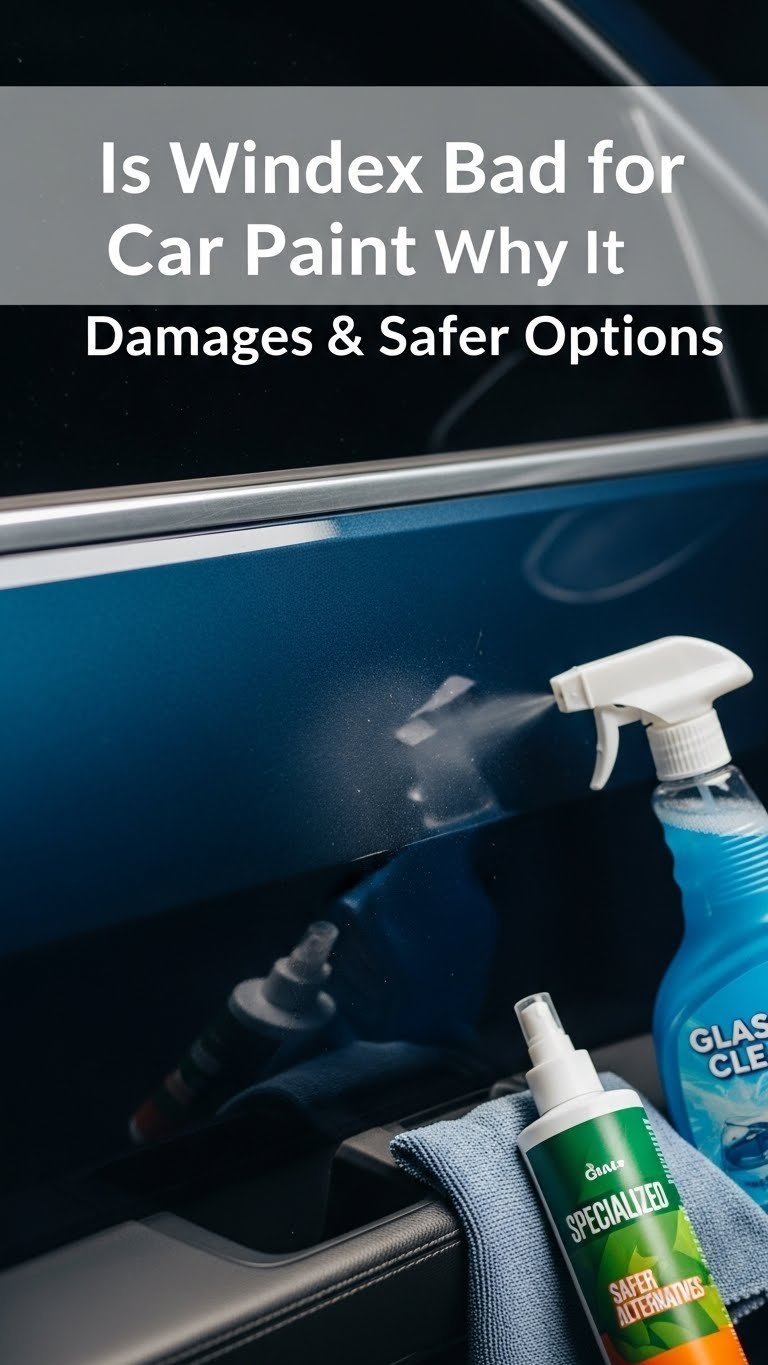
While a single, accidental overspray that’s wiped off immediately may not cause visible harm, intentionally using Windex as a cleaner is a different story. Repeated exposure begins a process of degradation that can dull your finish and lead to costly repairs down the line. Automotive paint requires pH-neutral cleaners, and the aggressive formula of Windex falls far outside that safe range.
But what exactly does the ammonia do to your paint? It’s a multi-stage process that starts by attacking the most vulnerable part of your car’s finish. Let’s break down the step-by-step damage that occurs.
What Exactly Happens When Windex Touches Car Paint?
When Windex lands on your car, it immediately begins to dissolve the protective layers you or the factory applied. Think of your car’s paint job not as one layer, but as a system. Windex disrupts this system in a predictable and damaging sequence. From our hands-on experience in detailing, the damage unfolds in three distinct stages.
Here’s the deal:
- Stage 1: Wax and Sealant Removal
Your car’s first line of defense is its layer of wax or paint sealant. This coating is designed to be hydrophobic (repelling water) and to block UV rays and contaminants. The solvents in Windex, especially ammonia, are formulated to cut through grease and grime, and they treat your expensive wax or sealant just like any other mess. They dissolve this protective layer almost instantly, leaving the surface exposed. -
Stage 2: Clear Coat Erosion
With the wax shield gone, the harsh chemicals now have direct access to your car’s clear coat. The clear coat is the uppermost layer of paint that provides gloss and critical UV protection. The high-alkaline nature of Windex begins to soften and etch this layer. At first, this may just appear as a dulling of the finish, but with repeated use, it can cause microscopic pitting and weaken the clear coat’s integrity, making it more susceptible to scratches and chemical stains. -
Stage 3: Paint Fading and Oxidation
Once the clear coat is compromised, the final layer—the colored base coat—is left vulnerable. The clear coat’s primary job is to filter out damaging ultraviolet rays from the sun. A degraded clear coat can’t do this effectively. The result is accelerated paint oxidation, which looks like chalky, faded, or discolored paint. It’s essentially a sunburn for your car, and it’s a direct consequence of stripping away those vital protective layers.
Pro Tip: You can tell if your wax or sealant has been stripped by spraying a little water on the surface. If the water forms tight, tall beads, your protection is intact. If the water spreads out into wide, flat “sheets,” your paint is unprotected and exposed.
Why Does Windex Damage Car Paint? A Chemical Breakdown
The damage from Windex stems from its high-alkaline chemical composition, which is designed for hard, non-porous surfaces like glass, not sensitive automotive paint. Using an alkaline cleaner on a surface designed for pH-neutral formulas is like using a harsh oven degreaser to wash your hands instead of gentle soap. The science is straightforward, focusing on three key ingredients.
Here are the main chemical culprits:
- Ammonia: This is the primary offender. Ammonia is a powerful alkaline solvent with a high pH level (around 10-11). Automotive clear coats are designed to be stable and durable in a pH-neutral environment (around pH 7). The high alkalinity of ammonia chemically attacks and dissolves the organic compounds found in waxes and polymer sealants.
- Alcohols: Many glass cleaners, including Windex, contain alcohols like Isopropyl Alcohol. While effective for a streak-free finish on glass, these solvents can dry out plastic and rubber trim surrounding your paint, causing them to become brittle and fade over time.
- Harsh Surfactants: Surfactants are the detergents that lift dirt away. The ones used in household glass cleaners are not formulated for automotive clear coats and can leave behind a residue that attracts dust and dulls the finish, rather than enhancing it.
This table clearly illustrates the chemical mismatch:
| Feature | Windex (Ammonia-Based) | Typical Automotive Glass Cleaner |
|---|---|---|
| pH Level | ~10-11 (Highly Alkaline) | ~7.0 (pH-Neutral) |
| Primary Cleaning Agent | Ammonia, Isopropyl Alcohol | pH-balanced surfactants, polymers |
| Safety on Wax/Sealant | Strips/Removes | Safe / Preserves Protection |
| Safety on Window Tint | Damages Adhesive | Safe / Ammonia-Free |
Will Windex Damage Other Parts of My Car?
Yes, the damage doesn’t stop at the paint. The same chemicals that are harmful to your clear coat can wreak havoc on other sensitive materials on your vehicle. From years of working with different vehicles, we’ve seen that overspray is inevitable, and its collateral damage is a serious concern.
🚫 Window Tint
This is one of the biggest risks. You should never, under any circumstances, use Windex on tinted windows. The vast majority of aftermarket window tint is a film applied to the inside of the glass with a special adhesive. The ammonia in Windex chemically attacks this adhesive, causing it to dissolve. This leads to the dreaded purple, bubbly look of failed tint, which can only be fixed by costly removal and reapplication. Always use an ammonia-free cleaner on tinted windows.
🚫 Rubber & Plastic Trim
The rubber seals around your windows and doors, as well as the plastic trim pieces (like on bumpers or side mirrors), are also at risk. The alcohol content in Windex can dry out these materials. Over time, this causes them to lose their flexibility, become brittle, and crack. It also can cause plastic trim to fade from a rich black to a chalky gray. Even accidental overspray when cleaning your side mirrors can be enough to cause these issues over time.
What Are The Best Safer Alternatives to Windex for Cars?
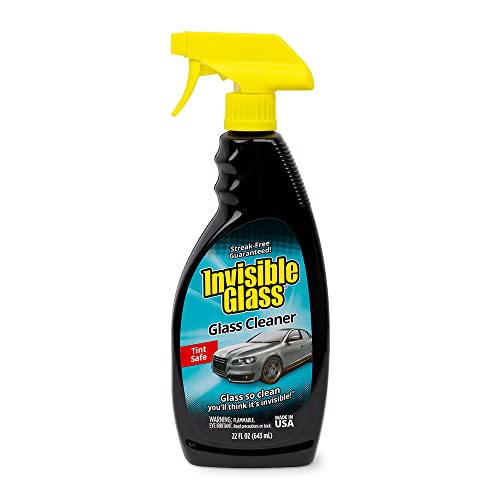
The best and safest alternative to Windex is a dedicated, ammonia-free automotive glass cleaner. Now that you know the risks, choosing the right product is simple. Fortunately, there are excellent options available that are specifically formulated to clean effectively without causing harm. These products are pH-neutral and safe for all automotive surfaces.
From our testing, solutions fall into three main categories:
1. Dedicated Automotive Glass Cleaners (The Best Choice)
These products are the gold standard. They are ammonia-free, tint-safe, and designed to cut through the specific types of grime found on cars (like road film and insect residue) without leaving streaks. They are completely safe if they overspray onto your paint or trim.
2. Quick Detail Sprays (A Versatile Option)
A quality quick detail spray is a must-have in any car care arsenal. While not as powerful as a dedicated glass cleaner, it’s perfect for wiping away light dust, smudges, and fingerprints from both glass and paint. It’s pH-neutral and often adds a bit of gloss and protection. It’s the ideal multi-purpose tool for a quick touch-up.
3. DIY Solution (The Budget-Friendly Choice)
If you prefer a household solution that is actually safe, a simple DIY mix is effective. It mimics the gentle nature of professional products without the harsh chemicals of Windex.
DIY Safe Glass Cleaner Recipe:
In a clean spray bottle, mix a 1:1 ratio of distilled water and plain white vinegar. Distilled water is important as it contains no minerals that can leave spots. While acidic, this solution is gentle enough for occasional use, but a dedicated product is still superior for preserving wax.
Here’s how these alternatives stack up:
| Alternative | Best For | Safety on Paint/Tint | Key Benefit |
|---|---|---|---|
| Automotive Glass Cleaner | Crystal-clear, streak-free glass | Excellent (Ammonia-Free) | Unmatched cleaning power for glass |
| Quick Detail Spray | Light dust, fingerprints, gloss enhancement | Excellent (pH-Neutral) | Versatility on all surfaces |
| DIY Vinegar/Water Mix | Budget-conscious basic cleaning | Good (Use cautiously on wax) | Inexpensive and chemical-free |
How Do You Fix Windex Damage or Safely Remove It?
If you’ve already used Windex on your car, don’t panic; in most cases, the situation is fixable if you act quickly. The key is to neutralize the alkaline chemicals and restore the protective layer that was stripped away. This process is straightforward and is a proven detailing technique for chemical decontamination.
Here is your step-by-step action plan:
- Rinse Thoroughly: The first step is to immediately rinse the affected area with plenty of clean water. This will dilute and wash away any residual Windex sitting on the surface.
- Neutralize with an IPA Wipe-Down: Mix a solution of isopropyl alcohol (IPA) and distilled water. A safe ratio is 1 part 70% IPA to 3 or 4 parts water (creating a 15-25% solution). Lightly spray this onto a clean microfiber towel and gently wipe the area. The IPA will neutralize any remaining alkaline residue and remove any film left behind.
- Inspect the Surface: After the area is clean and dry, inspect it under good lighting. Look for any dull spots or etching. If the damage is minimal, it may just look a little less glossy than the surrounding paint.
- Re-Protect the Paint: This is the most critical step. Since the Windex has stripped your wax or sealant, you must re-protect the paint. Apply a fresh coat of your preferred car wax or paint sealant to the affected area, following the product’s instructions. This restores the protective barrier.
Note of Caution: Do not let Windex dry on the surface, especially in direct sunlight. The heat can bake the chemicals into the clear coat, making etching and permanent damage much more likely.
FAQs About Is windex bad for car paint
Is ammonia-free Windex safe for car paint?
Even ammonia-free Windex is not recommended for car paint. While safer than the original formula, it still contains other detergents and solvents not formulated for automotive clear coats. These can still strip wax and dull the finish over time. Always opt for a pH-neutral, automotive-specific cleaner for complete peace of mind.
Can I use Windex to prep a car for painting?
Yes, in this specific context, some body shops use Windex as a final degreaser right before painting. Because they are about to sand, prime, and repaint the entire surface, stripping the old wax and clear coat is not a concern. This is an exception for professionals and is not a safe technique for maintaining a finished car.
What if I accidentally get Windex overspray on my paint?
A single, quick instance of overspray wiped away immediately is unlikely to cause lasting damage. The main risk comes from letting it dwell on the surface or from repeated use. If it happens, rinse the area with water and check that your paint protection (wax) is still intact by seeing if water beads on the surface.
Can I use Windex to clean bird droppings or tree sap from my car?
No, you should not use Windex for this. While it might seem effective, its harshness is risky for your paint’s finish. It is better to use a dedicated bug and tar remover or a quality quick detailer spray. These products are formulated to dissolve organic matter without harming your car’s clear coat.
Is Windex safe to use on car rims or wheels?
It depends on the wheel finish, but it’s generally a bad idea. For basic painted or clear-coated alloy wheels, it poses the same risks as it does to paint. For delicate chrome, polished aluminum, or anodized finishes, the chemicals can cause permanent staining or etching. Always use a dedicated, pH-balanced wheel cleaner.
Does Windex cause paint to fade?
Indirectly, yes. Windex strips the wax and degrades the clear coat, which contains UV inhibitors. By removing this vital protection, it leaves the colored paint layer underneath exposed to the sun’s harmful UV rays. This exposure is what accelerates fading and oxidation over months and years.
Will Windex hurt car paint if I wipe it off immediately?
Wiping it off immediately minimizes the risk, but it can still strip wax or sealant instantly. The solvents in Windex act very quickly on these protective layers. While you may avoid visible etching on the clear coat, you have likely compromised the protective coating on your paint, which will require reapplication of wax or sealant.
Can I use Windex on my car’s headlights?
No, this is not a safe practice. Modern headlights are made of polycarbonate and have a factory-applied UV protective coating to prevent yellowing. The solvents in Windex can strip this coating, leading to premature hazing and cloudiness. It is best to use a dedicated plastic cleaner or simply car wash soap.
Is it a myth that Windex ruins car paint?
It is not a myth; the risk is chemically valid and recognized by automotive professionals. While you may not see your paint peel off after one use, the scientific reality is that the alkaline chemicals in Windex are incompatible with modern automotive finishes. Consistent use will degrade your car’s paint protection and finish.
Can I use Windex on the inside of my car, like the dashboard?
Absolutely not, as Windex should never be used on interior plastics, vinyl, or leather. The alcohols and solvents will dry out these materials, causing them to fade, become brittle, and crack over time. Always use a dedicated interior detailer spray that is designed to clean, condition, and protect these surfaces safely.
Key Takeaways: Is Windex Bad for Car Paint? Summary
- Avoid Standard Windex on Paint: The number one takeaway is that Windex, especially formulas containing ammonia, should never be intentionally used on car paint. Its high-alkaline pH strips the wax and can damage the paint.
- The Culprit is Ammonia: The core issue is ammonia, a powerful solvent that dissolves the protective wax and sealant layers on your vehicle, leaving the clear coat exposed to damage from UV rays and contaminants.
- Damage Extends Beyond Paint: Windex’s harsh chemicals also pose a significant risk to window tint adhesive (causing bubbling), rubber trim (causing cracking), and plastic headlight coatings (causing yellowing).
- Safe Alternatives Are Better: Always use a dedicated, pH-neutral, and ammonia-free automotive glass cleaner. These are specifically formulated to clean effectively without harming any of your car’s sensitive surfaces.
- Accidental Spills Can Be Fixed: If you accidentally get Windex on your paint, don’t panic. Immediately rinse with water, neutralize with a diluted IPA solution, and most importantly, reapply sealant or wax to restore protection.
- The “Paint Prep” Exception is Not for You: While you may hear of body shops using Windex, they do so to strip everything from a surface before sanding and repainting. This is not a valid technique for maintaining your car’s existing finish.
- Protection is Key: The incident highlights the importance of maintaining a healthy layer of car wax or a paint sealant. This protective coating is your car’s first and most important defense against chemical and environmental damage.
Final Thoughts on Using Windex for Car Cleaning
The final verdict is clear: while it’s a tempting shortcut sitting under your sink, using Windex on car paint is a risky practice that compromises your vehicle’s protective layers. The short-term convenience is not worth the long-term risk of a dulled finish, faded paint, or damaged trim. The science shows that its chemical makeup is fundamentally at odds with the needs of a modern automotive finish.
Investing in a proper, pH-neutral automotive cleaner is always the safer, more effective, and professionally recommended choice. By understanding the “why” behind this advice, you empower yourself to make better car care decisions, ensuring your vehicle stays protected and looks its best for years to come.
Last update on 2026-01-10 / Affiliate links / Images from Amazon Product Advertising API


![What Car Is Chevy Bringing Back in [year]? New Lineup Revealed](https://carxplorer.com/wp-content/uploads/2026/01/What-Car-Is-Chevy-Bringing-Back-in-year-New-Lineup-Revealed-1-1-60x60.jpg "What Car Is Chevy Bringing Back in [year]? New Lineup Revealed 10")
