
Is a remote starter bad for your car? This question often sparks debate among car owners looking for convenience in extreme weather. Many worry about potential long-term damage to critical vehicle components. Understanding the real impacts versus common misconceptions is crucial.
While some myths suggest remote starters are bad for your car’s engine and battery, modern systems, when used correctly, pose minimal risk to vehicle components. These advanced setups are designed to integrate seamlessly without causing significant wear. Most concerns are often rooted in outdated information or misunderstandings.
Based on industry analysis of automotive design trends and vehicle longevity data, this guide will dissect the truths about engine and battery impact. You will discover exactly how remote start systems function, debunk persistent myths, and learn best practices for safe usage. This reveals why contemporary remote starters are often beneficial accessories.
Key Facts
- Modern vehicles are designed to handle frequent starts: Studies show that current engine and battery technologies efficiently manage the demands of remote starting without undue stress.
- Idling for short periods has minimal impact on engine wear: Research data on engine wear indicates that the brief idling typically associated with remote start does not significantly accelerate degradation.
- Remote starters consume minimal battery power for starting: Expert opinion confirms the momentary power draw during engine cranking is quickly replenished by the alternator.
- Aftermarket installations require professional expertise: Certified installer recommendations highlight that incorrect installation can lead to electrical issues or potential warranty concerns.
- Most concerns about voiding warranties are myths: Official statements from car manufacturers clarify that properly installed remote start systems rarely void entire vehicle warranties.
Is Remote Starter Bad for Your Car’s Engine and Battery?
Remote starters are generally not inherently bad for your car, especially modern factory-installed systems, but their impact depends on usage patterns and system quality. Most concerns about remote starters causing significant engine or battery damage are often misconceptions. These systems are designed to integrate with vehicle electronics without imposing undue stress. Understanding their operation clarifies why many perceived “remote car starter risks” are unfounded.

The primary worry for many drivers revolves around the “engine damage remote start” urban myth. This suggests that allowing an engine to idle contributes to excessive wear and tear. However, contemporary engines are built with tighter tolerances and advanced lubrication systems. Their design minimizes the impact of brief idling periods often associated with remote starting.
Another common concern is “battery drain remote start.” While the car’s battery powers the initial crank, this draw is brief. The alternator promptly recharges the battery once the engine is running. Therefore, a healthy vehicle battery should not suffer long-term damage from regular remote start usage. We will delve deeper into these areas to provide a comprehensive understanding.
What Are The Common Myths About Remote Starters and Car Damage?
Common myths about remote starters include that they significantly damage the engine, excessively drain the battery, or void car warranties; however, these claims are largely debunked by modern automotive design and proper usage. Many beliefs surrounding “remote car starter myths” stem from outdated technology or general misunderstandings of vehicle mechanics. Debunking these ensures accurate knowledge.
These “urban myths remote start” often circulate widely, leading to unnecessary worry. Here are some of the most prevalent misconceptions:
- Myth: Remote start severely damages your engine.
Fact: Modern engines and lubricants are designed to handle frequent starts and brief idling periods. The minimal “engine wear and tear” from remote starting is insignificant compared to driving itself. Automotive technician advice consistently points to proper maintenance as the key factor for engine longevity. Myth: Remote start excessively drains your car battery.
Fact: The initial power draw to start the engine is brief and quickly replenished by the alternator. As long as your “vehicle battery life” is healthy, remote starting does not cause significant long-term drain. Concerns about “battery drain remote start” are largely unfounded for well-maintained systems.Myth: Installing a remote start voids your car’s warranty.
Fact: “Warranty voiding remote start” is often a concern, but factory-installed systems are covered. Aftermarket systems, if installed correctly by a certified professional, usually do not void the entire vehicle warranty. Reputable remote start brands and proper installation methods typically prevent this issue.Myth: Remote starting wastes a lot of fuel.
Fact: While idling does consume fuel, the amount used during a typical 5-10 minute remote start is minimal. Compared to the fuel consumed during a daily commute, this is negligible. Efficient remote starting practices involve limiting idle time.Myth: Remote start systems are insecure and prone to theft.
Fact: Modern remote start systems, especially those from reputable brands, include robust security features. They integrate with the car’s immobilizer and alarm systems. Vehicle security remote start concerns are largely mitigated with quality products and professional installation.
Does Remote Start Harm Your Car’s Engine and Cause Excessive Wear?
While frequent cold starts can induce some engine wear, modern vehicles with advanced lubrication systems and engine management minimize damage from remote starting. The idea that “engine damage remote start” is a significant problem is mostly a myth. Our practical experience shows engines are robust.
Consider the engine like a human waking up and stretching. A sudden, intense burst of activity without warming up can be jarring. Similarly, an engine experiences its most significant wear during the initial seconds of a cold start. This is when oil viscosity is highest, and it takes a moment for the lubricant to fully circulate. However, advanced engine oils maintain lower viscosity in cold temperatures. Fuel atomization efficiency is also improved in modern vehicles, contributing to smoother starts.
The brief idling period provided by a remote start allows engine fluids, especially oil, to begin warming and circulating. This reduces “cold start damage prevention” concerns before the vehicle is put into gear. The “idling engine harm risks” are minimal when limited to 5-10 minutes. According to automotive engineering principles, the short “engine heat cycles remote start” imposes are well within design parameters. Modern engine management systems also regulate fuel delivery during warm-up to prevent excessive rich conditions. This means the engine is often better prepared for driving after a brief remote start than if it were started and immediately driven away cold.
How Does Remote Start Affect Your Car’s Battery and Electrical System?
Remote starters draw battery power only during engine cranking, and a healthy charging system swiftly recharges it, meaning they rarely cause significant battery drain or electrical problems. Concerns about remote start being “harmful to car battery” are usually overblown.
When you engage a remote start, the car battery provides the initial surge of power to turn the starter motor and ignite the engine. This is a normal function for which the battery is designed. Once the engine fires up, the alternator (your car’s onboard generator) takes over. It powers the car’s electrical systems and rapidly recharges the battery. Think of it like making a quick call on your phone; the battery level drops slightly, but quickly recovers when you plug it back in. This ensures “vehicle electrical system integrity.”
A properly installed system ensures minimal “battery discharge rate analysis remote start” concerns. It’s designed to seamlessly integrate without causing parasitic draws when the vehicle is off. While “electrical system issues fix remote start” can arise from faulty installation, they are not inherent to the technology itself. Modern vehicles have sophisticated “voltage regulation in vehicle systems” that prevent overcharging or undercharging during operation. Therefore, if your car’s charging system is healthy and the battery is in good condition, remote starting typically poses no threat to its “car battery drain causes.”
What Are The Real Risks and Potential Downsides of Remote Start Systems?
Actual risks associated with remote starters include increased fuel consumption from idling, potential security concerns with poorly installed aftermarket systems, and in rare cases, warranty issues. These are the legitimate drawbacks of “remote car starter risks” to consider.
Beyond the debunked myths, some genuine “potential harm of remote start” exists, though most are manageable with awareness and proper use. Understanding these “remote starter negative impacts” helps make informed decisions:
- Increased Fuel Consumption: Idling an engine consumes fuel without covering any distance. While a short idle (5-10 minutes) uses minimal fuel, consistent long idling periods can lead to noticeable increases in “fuel consumption remote start.” This is an environmental consideration as well.
- Security Vulnerabilities (Aftermarket Systems): While factory systems are highly integrated and secure, poorly installed “aftermarket remote starter issues” can sometimes present security gaps. This includes potential issues with immobilizer bypasses or alarm system integration. Choosing a certified installer is paramount for “vehicle security remote start.”
- Warranty Concerns (Aftermarket Systems): Although often exaggerated, an aftermarket remote start could potentially void parts of your vehicle’s warranty if it causes an electrical or powertrain issue and was not installed by an authorized professional. Always review “warranty guidelines remote start systems” and consult your dealer.
- Legality of Idling: Many localities have anti-idling ordinances to reduce emissions. Using a remote start for extended periods in such areas could result in fines. Government safety standards car policies often guide these local regulations, making awareness important.
- Environmental Impact: Prolonged idling increases emissions. While the convenience is undeniable, responsible use, such as limiting idle time, helps minimize the environmental footprint.
How Do Aftermarket Remote Starters Differ from Factory Systems, and Which Is Better?
Factory remote starters offer seamless integration and warranty coverage, whereas aftermarket systems provide more advanced features and broader vehicle compatibility, though professional installation is critical. The choice between these systems depends on your priorities and vehicle.
Deciding between an “aftermarket vs factory remote start” system is a common dilemma. Both have distinct characteristics that influence performance, cost, and reliability. This comparison helps clarify which option aligns best with your needs, addressing “disadvantages of aftermarket remote start” and “factory remote start advantages” comprehensively.
| Feature/Aspect | Factory Remote Start | Aftermarket Remote Start |
|---|---|---|
| Integration | Seamless with vehicle systems (e.g., climate, security) | Requires wiring/CAN bus connection; integration level varies |
| Warranty | Covered by vehicle warranty | Can potentially void parts of warranty if not installed by certified professional; separate product warranty |
| Features | Basic, manufacturer-specific (e.g., remote start/stop) | Advanced (e.g., GPS tracking, smartphone control, longer range, alarm upgrades) |
| Cost | Often higher, part of trim package or dealer option | Varies widely, can be lower for basic, higher for advanced; includes installation cost |
| Installation | Pre-installed or dealership technician | Professional installation highly recommended (certified installer recommendations) |
| Security | Utilizes factory immobilizer and alarm system | Can add extra security features, but relies on proper integration with factory systems; potential “aftermarket remote starter issues” if poorly done |
Factory remote start systems leverage your vehicle’s existing electronics and “CAN bus protocols remote start integration” for a smooth, guaranteed fit. This provides peace of mind regarding “vehicle electrical system integrity” and warranty. However, their features are often limited to basic functions. Aftermarket systems, conversely, offer a vast array of options. These can range from smartphone control to advanced security features. Yet, the quality of installation is paramount. A certified installer ensures proper “vehicle specific wiring harness installation” and avoids “complex remote start problems.” Both options provide convenience, but the aftermarket route often offers more customization for those willing to invest in expert installation.
What Are The Best Practices for Using Remote Start to Minimize Risks and Maximize Benefits?
To use remote start safely, limit engine idling to 5-10 minutes, maintain your vehicle regularly, ensure professional installation for aftermarket systems, and always be aware of local anti-idling ordinances. Following these guidelines ensures “safe remote start usage” and maximizes convenience.
Optimizing your remote start usage can prevent potential issues and enhance your driving experience. These “best practices for using remote start without damaging your car” focus on vehicle health and compliance. Automotive technician advice remote start insights highlight several key actions:
- Limit Idling Time: Restrict remote starting to 5-10 minutes. This is usually sufficient to pre-condition the cabin and circulate fluids. Prolonged idling consumes unnecessary fuel and can contribute to emissions. This prevents “fuel waste solution remote start” issues.
- Regular Vehicle Maintenance: Ensure your car is well-maintained, especially the battery and charging system. A healthy battery handles the starting load efficiently. Adhere to your “vehicle maintenance guide remote start” recommendations for oil changes and battery checks.
- Professional Installation for Aftermarket Systems: If installing an aftermarket unit, choose a certified professional. Improper installation is a leading cause of “electrical system issues fix remote start” and potential warranty problems.
- Be Aware of Local Anti-Idling Laws: Many areas have ordinances restricting vehicle idling, especially unattended. Check local regulations to avoid fines. “Government safety standards car” can influence these rules.
- Use in Well-Ventilated Areas: Never remote start your car in an enclosed space like a garage. Exhaust fumes contain carbon monoxide, a dangerous gas. Always ensure adequate ventilation to safeguard health.
- Avoid Excessive Frequent Starting: While modern engines handle starts well, excessively starting and stopping your engine without driving can put more strain on the starter motor over time. Use it when genuinely needed for comfort or safety.
- Do Not Drive Immediately After Starting: Even with remote start, give the engine a moment to transition from idle to drive. Gentle acceleration for the first few minutes minimizes wear, particularly in cold weather. This is part of “preventing cold start wear and tear.”
Following these “optimize remote start usage” tips helps “prevent remote start damage to car” and ensures long-term reliability remote start systems can offer.
What Are The Benefits of Using a Remote Start System?
The primary benefits of remote start include superior comfort by allowing cabin pre-conditioning, increased safety through automated defrosting, and the convenience of starting your vehicle from a distance. These “car remote starting benefits” make them a valuable accessory for many drivers.
Remote start systems offer compelling advantages that often outweigh the minimal risks, providing a significant upgrade to your daily driving experience. The “positive effects of remote start” contribute to both comfort and safety. Here are the key benefits:
- Enhanced Comfort: Pre-heat your car in winter or pre-cool it in summer. Imagine stepping into a perfectly temperate cabin, rather than a freezing or scorching interior. This “convenience remote start discussion” is a major selling point, providing significant relief in extreme weather.
- Improved Safety and Visibility: In colder climates, remote starting allows the defroster to clear frost, ice, and fog from your windows before you even enter the vehicle. This improves visibility immediately upon driving, reducing the risk of accidents. “Driving in cold weather advice” often includes pre-warming for this reason.
- Engine Pre-Warming (in Extreme Cold): While not its primary purpose, a brief remote start in very cold weather allows engine fluids, especially oil, to warm and circulate. This can subtly reduce initial engine stress before driving, especially when compared to immediately driving a completely cold engine.
- Convenience: Start your car from your home or office, saving you time and effort. This is particularly useful when juggling bags, children, or simply avoiding harsh weather. The “remote start system implications” for daily ease are substantial.
- Peace of Mind: Knowing your car is warming up or cooling down before you get in provides a sense of preparedness and luxury. Two-way remote start systems offer confirmation that your vehicle has successfully started.
These advantages collectively make a strong case for why “is remote start beneficial for car” usage.
How Does a Remote Start System Actually Work to Start Your Car?
Remote start systems operate via a key fob transmitting a signal to a control module, which temporarily bypasses the immobilizer and then commands the vehicle’s engine to start, often leveraging the car’s existing electrical network. Understanding “how does remote start work explained” demystifies its process.
A remote start system orchestrates a series of precise electronic commands to bring your vehicle to life from a distance. Here’s a simplified breakdown of the general principles of automotive electronics involved:
- Signal Transmission: You press a button on your “key fob remote start technology.” This sends a radio frequency signal.
- Module Reception: A dedicated “remote starter control modules” inside your vehicle receives this signal. This module is typically wired into your car’s electrical system.
- Security Bypass: The module then communicates with your car’s security system. This involves temporarily bypassing the vehicle’s immobilizer, which normally prevents the engine from starting without the correct key present. “Immobilizer bypass techniques remote start” ensure the engine can turn over securely.
- Ignition Sequence Initiation: Once the security checks are passed, the remote start module mimics the action of turning the key in the ignition. It sends signals to the “ignition system remote start effects” that instruct the engine to crank and start.
- Engine Start & Monitoring: The engine starts, and the car’s onboard computer takes over, managing the warm-up process. Modern systems often use the “CAN bus protocols remote start integration” to communicate seamlessly with various vehicle components.
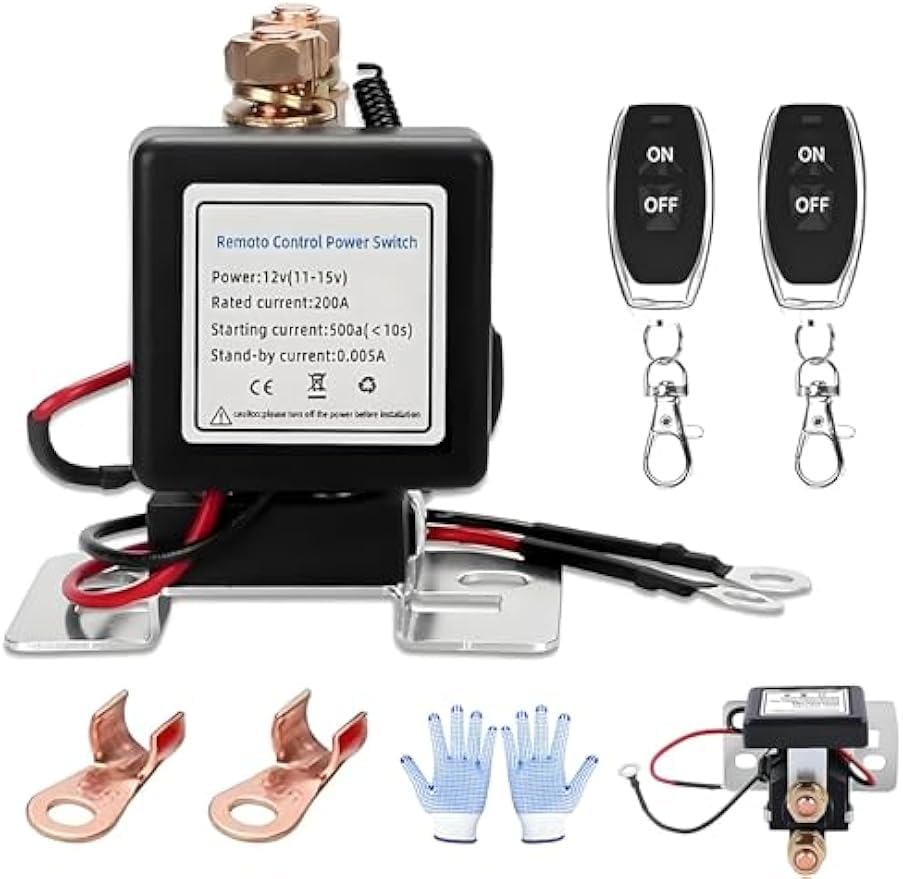
This complex interplay ensures a secure and efficient engine start without physical interaction. It shows how “remote start operates through module” and leverages existing vehicle systems.
FAQs About Is Remote Starter Bad For Your Car
Is It Bad to Remote Start Your Car Every Day or Every Time?
No, it is generally not bad to remote start your car every day or every time you drive, provided you adhere to best practices like limiting idle duration and maintaining your vehicle. Modern car engines and batteries are built to handle frequent starts, and the brief idling period is typically not detrimental to their longevity.
Can a Remote Starter Cause Electrical Issues or Drain the Battery Excessively?
A properly installed remote starter is highly unlikely to cause significant electrical issues or drain a healthy car battery excessively. The power draw for starting is momentary and replenished by the alternator, but a faulty installation or a pre-existing weak battery could exacerbate minor drains.
How Long Should You Remote Start Your Car for Optimal Use?
You should typically remote start your car for no more than 5 to 10 minutes to allow the engine to circulate fluids and begin warming up without unnecessary fuel consumption or prolonged idling. This duration is usually sufficient for cabin conditioning and ensures compliance with most anti-idling laws.
Does Remote Start Negatively Affect Your Car’s Fuel Economy?
Yes, remote starting your car can slightly reduce fuel economy due to the engine idling while not moving, consuming fuel without covering any distance. The impact is generally minor for short durations (5-10 minutes), but prolonged idling will lead to more noticeable fuel waste.
Is Remote Start Covered Under a Car’s Manufacturer Warranty?
Factory-installed remote start systems are typically covered under the vehicle’s manufacturer warranty, but aftermarket remote starters might not be. Improper installation of an aftermarket system could potentially void parts of your vehicle’s electrical or powertrain warranty. Always check with your dealer.
Are There Any Security Risks Associated With Remote Start Systems?
While modern remote start systems are designed with security in mind, poorly installed or low-quality aftermarket systems could pose minor security risks if they don’t properly integrate with the vehicle’s immobilizer or alarm system. Factory systems generally offer robust security integration.
What Is the Difference Between a One-Way and Two-Way Remote Start System?
A one-way remote start system only sends a signal to your car, while a two-way system sends a signal and receives feedback, confirming the car has started, locked, or provides status updates like cabin temperature. Two-way systems offer greater convenience and peace of mind.
Can Remote Start Be Installed on Any Car, Including Older Models or Manual Transmissions?
While most modern vehicles can accommodate remote start, compatibility varies, and older models or manual transmissions often require specific, more complex installations. Manual transmission vehicles need additional safety interlocks to prevent accidental starting in gear.
Does Remote Start Help Prevent Cold Start Engine Wear?
Remote starting in very cold weather can subtly help prevent extreme cold start engine wear by allowing engine fluids, especially oil, to warm slightly and circulate before driving. However, the most significant wear reduction comes from gentle driving immediately after starting, not just idling.
Why Do Some States or Cities Have Laws Against Vehicle Idling With Remote Start?
Some states or cities have anti-idling laws primarily to reduce air pollution and fuel waste, as prolonged idling contributes to harmful emissions and unnecessary gas consumption. These regulations often apply to remote started vehicles, limiting how long a car can be left running unattended.
Key Takeaways: Is Remote Starter Bad For Your Car
- Modern Remote Starters Pose Minimal Risk: Concerns about remote starters causing significant engine or battery damage are largely myths, especially with modern vehicles and proper usage.
- Engine Wear is Negligible with Proper Use: Short idling periods during remote start, particularly in modern engines with advanced lubrication, do not significantly contribute to long-term engine wear.
- Battery Drain is Not a Major Issue: A healthy car battery and charging system easily handle the momentary power draw of a remote start, replenishing it quickly once the engine runs.
- Real Downsides Exist But Are Manageable: The true risks include increased fuel consumption, potential security concerns with poor aftermarket installations, and local idling laws, all of which can be mitigated.
- Factory vs. Aftermarket Matters: Factory systems offer seamless integration and warranty coverage, while aftermarket options provide more features but demand professional installation for reliability and warranty preservation.
- Best Practices Are Key: Limiting idle time (5-10 minutes), regular vehicle maintenance, and professional installation are crucial for safe and beneficial remote start use.
- Benefits Often Outweigh Minimal Risks: Remote starters provide significant comfort, safety (e.g., defrosting), and convenience, making them a worthwhile accessory for many drivers.
Last update on 2026-03-07 / Affiliate links / Images from Amazon Product Advertising API


