That split-second decision to leave a child in the car while you run a quick errand is a moment almost every parent has contemplated. It feels harmless, a simple matter of convenience. But the line between a moment of convenience and a moment of crisis is terrifyingly thin, and the legal and safety ramifications are far more complex than most people realize. Are you breaking the law? What are the real risks involved? This guide is designed to cut through the confusion and provide clear, direct answers.
While over 20 states have specific laws against leaving a child unattended in a vehicle, it is considered an act of negligence or child endangerment in all 50 states if it places the child at risk. This critical distinction means that even without a specific statute, you could face serious legal consequences depending on the circumstances.
This guide will unpack the specific laws, the severe dangers, and the exact steps to take if you ever encounter this situation, ensuring you have the knowledge to protect both your children and yourself.
Is It Illegal to Leave Kids in a Car? A 2026 Legal Guide
The direct answer to whether it is it illegal to leave kids in the car is a complex “yes.” While more than 20 states have specific statutes on the books that explicitly forbid leaving a child unattended in a vehicle, every single state has broader child endangerment or neglect laws that can, and often are, applied to these situations. If leaving the child alone in the car places them at any significant risk of harm—from heat, cold, abduction, or other dangers—it can be considered a criminal act. The core issue for law enforcement isn’t just about a specific rule, but about the potential for harm, making this a legally precarious action for any parent or guardian, anywhere in the country.

The information provided in this article is for informational purposes only and does not constitute legal advice. You should consult with a legal professional for advice regarding your individual situation.
The legality of leaving kids in a car hinges on a combination of state-specific laws and the universal application of child safety regulations. A parent in a state without a specific “unattended child in vehicle” law is not exempt from prosecution if their actions are deemed negligent. This is the crucial takeaway for any caregiver: the absence of a specific law is not a green light. Law enforcement and child protective services will always evaluate the context—the child’s age, the weather, the duration, and the overall safety of the environment—to determine if a child was placed in danger. But what does ‘illegal’ actually mean in this situation? The answer is more complex than you might think.
Why Leaving a Child in a Car is So Dangerous
The primary danger is vehicular heatstroke, as a child’s body temperature can rise 3-5 times faster than an adult’s, leading to brain damage or death in minutes. This physiological difference is why a situation that feels merely warm to an adult can be lethal for a young child. The enclosed space of a car acts like a greenhouse, causing the interior temperature to skyrocket. Studies have shown that a car’s internal temperature can rise 20 degrees in 10 minutes and can quickly become deadly, even on a cloudy day or with the windows cracked.
This focus on prevention is critical because these tragedies are almost always preventable. Understanding the science behind the danger underscores why child car safety laws are so strict. Beyond the grave risk of heatstroke, known medically as hyperthermia, other significant dangers make leaving a child unattended in a vehicle a serious gamble.
- Vehicular Heatstroke (Hyperthermia): As detailed, this is the most severe and immediate threat. A child’s thermoregulatory system is not fully developed, making them extremely vulnerable to rapid increases in temperature.
- Abduction: An unattended child in a car can be an easy target for predators. A locked door is not a foolproof deterrent.
- Accidental Vehicle Operation: Children are curious. They can accidentally knock a car out of gear, release the parking brake, or operate power windows, leading to a range of dangerous scenarios.
- Dehydration and Hypothermia: While heat is the most common killer, extreme cold presents a similar risk. A car’s interior cools down just as quickly as it heats up, and a child can suffer from hypothermia in cold weather.
Quick Fact: “Even on a mild 70°F day, the inside of a car can soar to over 110°F. Cracking a window does little to help.”
Understanding the Laws: What Varies by State?
Laws fall into two categories: specific statutes with clear age/time limits (e.g., illegal for children under 7) or broader child endangerment laws that make it illegal to place a child of any age in a risky situation. Understanding which framework your state uses is key to comprehending your legal responsibilities. Some states have taken a direct approach, creating specific “unattended child in vehicle” laws that spell out the exact age and sometimes the maximum duration a child can be left alone. Other states rely on their existing, more general child neglect and endangerment laws, which give prosecutors the flexibility to press charges based on the level of risk in a specific incident.
It’s crucial for every parent and caregiver to recognize that this information is a general overview. Laws are constantly being updated, and local ordinances can also apply. You should always check the current, specific statutes in your state and municipality to be fully informed.
| Feature | Specific “Unattended Child” Laws | General “Child Endangerment” Laws |
|---|---|---|
| Clarity | Very clear; defines specific age and/or time limits. | Vague; based on the concept of “unreasonable risk.” |
| Trigger for Violation | Leaving a child under the specified age, period. | Placing a child of any age in a situation that poses a risk. |
| Prosecution Standard | Easier to prosecute; the act itself is the violation. | Requires proving the situation was genuinely dangerous. |
| Example States | California, Texas, Florida | New York, Ohio, Colorado |
Pro Tip: The absence of a specific law in your state does not make it legal. Prosecutors can and will use general neglect laws.
Common Factors That Determine Illegality
Beyond specific laws, the legality always hinges on key factors: the child’s age, the duration, the weather, and the overall risk presented by the situation. When law enforcement or a court has to decide whether leaving a child in a car was illegal, they don’t just look at one thing. They analyze the entire context of the event to determine the level of danger the child was exposed to. These variables are what can turn a seemingly innocent mistake into a case of criminal negligence. For example, leaving a sleeping 10-year-old in the car for three minutes on a cool day while you return a movie is vastly different from leaving an infant for fifteen minutes on a hot, sunny afternoon.
Here is a breakdown of the critical factors that are almost always considered:
- The Child’s Age and Development: This is the most significant factor. Infants and toddlers are at the highest risk and can never be safely left alone. The laws and the assessment of risk become more nuanced with older children, but vulnerability is always the primary consideration.
- The Duration: How long was the child left alone? A few seconds to pay for gas is viewed differently than 30 minutes to shop for groceries. The longer the duration, the greater the potential for unforeseen circumstances and the higher the legal jeopardy.
- The Weather and Temperature: Was it hot and sunny? Was it freezing cold? This factor is critical because of the risks of hyperthermia and hypothermia. Even moderate temperatures can be dangerous inside a vehicle.
- The Vehicle’s Condition and Location: Was the car running? Was the air conditioning or heat on? Were the doors locked or unlocked? Was the car parked in a safe, visible location or a deserted, high-crime area? Each of these details contributes to the overall risk assessment.
- The Child’s Physical and Emotional State: When found, was the child calm and safe, or were they in visible distress (crying, sweating, lethargic)? The condition of the child is direct evidence of the level of danger they were in.
What Should You Do If You See a Child Alone in a Car?
Follow three steps: 1) Assess the child for distress. 2) Call 911 immediately and provide the car’s description and location. 3) Stay with the vehicle until first responders arrive. Your quick and responsible action can be the difference between a close call and a tragedy. It’s a situation no one wants to encounter, but knowing the correct protocol is essential. The priority is the child’s safety, and the following steps are designed to get the child help as quickly and safely as possible.
It’s crucial to state a disclaimer here: breaking a car window should be an absolute last resort when the child is in imminent, life-threatening danger and you cannot wait for first responders. While some states have “Good Samaritan” laws that may offer protection, this is a legally gray area. Calling 911 is always the first and most critical action, as it initiates a professional response and provides you with legal cover. Your role is to be a good witness and get professional help to the scene.
Here is the step-by-step action plan to follow:
- Assess the Situation (Without Delay): Quickly look at the child. Are they sleeping peacefully, or do they look hot, flushed, or ill? Are they crying or unresponsive? Note the general situation but do not spend more than a few seconds before acting. If the child is in any distress, your urgency must increase.
- Call 911 Immediately: This is the most important step. Tell the dispatcher you have found a child left alone in a vehicle. Give them the precise location, the make, model, and color of the car, and the license plate number if possible. Describe the child’s appearance and condition. The dispatcher will provide instructions and send help.
- Stay on the Scene: Do not leave the child. If possible, have someone else try to find the driver in nearby stores, but your primary job is to stay with the vehicle to guide emergency services when they arrive.
Your action could save a life. It’s crucial to know the right steps to take.
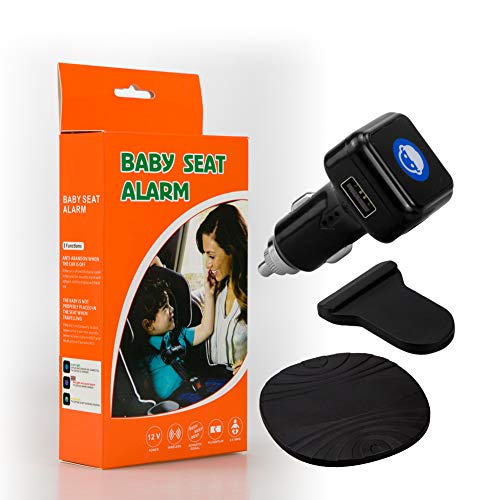
To enhance child safety in your vehicle and prevent accidental lock-ins, consider exploring car safety devices. Products like backseat reminder alarms or specialized car seat monitors can provide an extra layer of protection and peace of mind.




FAQs About Leaving Kids in Cars
Navigating the rules and risks of child car safety can bring up many specific questions. Here are clear, direct answers to some of the most common queries parents and caregivers have about whether it is it illegal to leave kids in the car.
Is it legal to leave a child in a running car with the AC on?
While it may seem safer, it is often still illegal and always risky. Many state laws make no exception for a running vehicle. Furthermore, a child could put the car in gear, a mechanical failure could shut off the engine and AC, or the car could pose a carbon monoxide poisoning risk, making this an unsafe practice.
What is the legal age to leave a child alone in a car in states like California or Texas?
These laws vary. In California, it is illegal to leave a child aged 6 or younger in a car without the supervision of someone who is at least 12 years old. In Texas, it’s illegal to leave a child younger than 7 unattended in a vehicle for more than five minutes if there is a significant risk. Always check your specific state’s most current law.
Can I leave my teenager in the car to watch their younger sibling?
This depends on the state and the teenager’s age. Some laws, like California’s, specify a supervisory age (12 years old). In states without a specific law, it would be judged on the teenager’s maturity and ability to handle an emergency. The parent remains legally responsible for the safety of both children.
What are the actual penalties if you get caught?
Penalties range widely, from a small fine for a minor infraction to felony charges for child endangerment if the child is harmed. A conviction could lead to fines, mandatory parenting classes, probation, and even jail time, in addition to an investigation by Child Protective Services.
Are there any exceptions, like running into a store for just one minute?
Legally, very few exceptions exist. Most laws do not specify a “grace period.” A lot can happen in one minute, and from a law enforcement perspective, “one minute” often turns into five or ten. The safest and only legally sound answer is to never leave them alone.
Does leaving the windows cracked make it safe or legal?
No. Studies have shown that cracking a window has a negligible effect on the rising temperature inside a car. It does not make the situation safe, nor does it provide a legal defense if a child is found to be in a dangerous situation.
What if my child locked themselves in the car by accident?
This is an emergency. Your first and only call should be to 911. First responders are trained to handle this situation quickly and safely. Do not waste time trying to break a window yourself unless instructed to do so by the 911 operator.
Are the laws different for leaving pets in cars?
Yes, but the principle is the same. Many states now have specific laws making it illegal to leave a pet in a vehicle in conditions that endanger their health, particularly regarding heat. The focus is on preventing harm, just as it is with children.
Do “Good Samaritan” laws protect me if I break a car window to save a child?
Sometimes, but it’s a major risk. These laws vary significantly by state. Most are designed to protect medically trained personnel. For a civilian, the legal protection is much less certain. Your first and best action is always to call 911, which provides the fastest professional help and the most legal protection for you.
Where can I find the specific unattended child vehicle law for my state?
A reliable starting point is your state’s official government or legislative website. You can search for terms like “unattended child in vehicle statute” or “child endangerment laws.” Additionally, child safety organizations often compile and update these laws.
Final Summary: The Safest Choice is Always the Clearest
After navigating the complexities of state statutes, general endangerment laws, and the very real dangers, the conclusion is simple and absolute. While the legal question of “is it illegal to leave kids in the car” has a nuanced answer that depends on your location, the safety question does not. The data is clear: a vehicle is not a safe place to leave a child unattended, even for a moment. The risks of heatstroke, accidents, and abduction are too severe to ever justify the convenience.
Ultimately, the best legal strategy is also the best parenting strategy: never leave your child alone in a vehicle. By making this a non-negotiable rule, you eliminate any legal gray areas and, more importantly, you eliminate a preventable risk to your child’s life.
- Laws Vary, But Risk is Universal: Whether your state has a specific law or not, leaving a child in a car where they could be harmed is considered negligence everywhere.
- Cars Heat Up Dangerously Fast: The science is undeniable. A car’s interior can become deadly in a matter of minutes, and a child’s body is far more vulnerable than an adult’s.
- When in Doubt, Don’t: There is no errand so important that it is worth gambling with a child’s safety. The only correct choice is to always take them with you.
Share this information with other parents and caregivers in your life. Spreading awareness is the first step to preventing a tragedy.
Last update on 2026-03-02 / Affiliate links / Images from Amazon Product Advertising API