It’s a rule you’ve probably heard since you were a child: “Turn that light off! It’s illegal to drive with the car light on!” This piece of advice is passed down through generations of drivers, often as a stern warning from a parent in the driver’s seat. But is this common knowledge actually a fact, or is it one of the most persistent myths of the road?
No, it is generally not illegal to drive with a standard interior car light on. An analysis of traffic regulations shows there is no specific federal or state law that makes using a dome light a primary, ticketable offense in and of itself.
This guide will definitively settle the debate, leveraging a deep analysis of traffic law principles and safety standards. We will unpack the truth behind this common myth, explain the specific, nuanced situations where an interior light can get you into trouble, and cover the critical safety reasons why keeping it off is still the smartest choice. Prepare to understand the full context behind whether it is illegal to drive with the car light on.
Key Facts
- Not a Primary Offense: No state or federal law explicitly makes it illegal to drive with a standard interior dome light on, meaning it’s not an offense you can be pulled over for on its own.
- Distracted Driving Link: While not illegal itself, an interior light can be used as evidence to support a ticket for distracted, careless, or reckless driving if you are operating your vehicle unsafely.
- Severe Night Vision Impairment: The most significant danger is biological; the bright interior light causes your pupils to constrict, severely reducing your ability to see hazards on the dark road ahead.
- Recommended for Traffic Stops: Law enforcement officials often recommend turning on your interior light during a nighttime traffic stop. This is for the officer’s safety, as it illuminates the car’s interior and your hands.
- Color Matters: Using interior lights that are red or blue and visible from the outside is illegal in virtually all states, as these colors are reserved for emergency vehicles.
Is It Actually Illegal to Drive with an Interior Car Light On?
No, it is generally not illegal to drive with a standard interior car light on. There is no specific federal or state law making this a primary offense. This means a police officer cannot pull you over simply because they see your dome light is on. The belief that this act is illegal is one of the most enduring myths in driving culture.

The core takeaway is this: The act of driving with a standard interior car light, or dome light, illuminated is not a citable traffic violation on its own. It is not listed as a primary offense in any state’s vehicle code.
This widely held belief likely stems from the undeniable fact that it is distracting and potentially dangerous, leading parents and driving instructors to create a simple, memorable “rule” to discourage the behavior. Over decades, this well-intentioned advice has morphed into a piece of accepted legal folklore. So, if it’s not illegal, why did so many of us grow up believing it was? The answer lies in the difference between a primary offense and a contributing factor to other violations. The legal reality is more nuanced, focusing on the consequences of your actions rather than the action itself. Understanding this distinction is key to being a truly informed driver who knows both the letter of the law and the principles of road safety.
Why It Can Still Lead to a Ticket: The Distracted Driving Connection
An officer can ticket you for distracted or careless driving if the interior light impairs your ability to drive safely or obstructs your view of the road. While the dome light itself isn’t the violation, its effect on your driving can be. This is where a police officer’s discretion comes into play; they can’t pull you over for the light, but they can pull you over for driving erratically because of the light.
This distinction is crucial. The interior light becomes evidence supporting a different, legitimate charge. Based on an analysis of traffic stop procedures, here are the primary situations where a seemingly innocent light can contribute to a real ticket:
- Evidence of Distracted Driving: If an officer observes you weaving, driving too slowly, or failing to stay in your lane, and then sees your interior light is on, they can reasonably conclude the light is the source of the distraction. The ticket would be for distracted or careless driving, with the light cited as the cause. For example, if you are fumbling for a fallen item on the passenger seat with the light on and cross the center line, the violation is the failure to maintain your lane, and the light is the explanation.
- Obstruction of View: In some states, laws are broadly written to prohibit anything that obstructs the driver’s clear view through the windshield. A bright light reflecting off the inside of the glass could be interpreted as such an obstruction, especially at night. This is less common but remains a potential legal justification an officer might use if the glare is significant.
- Officer Discretion and Probable Cause: The light can be one piece of a larger puzzle. If you’re pulled over for another reason (like speeding), and the officer notes the interior light is on and you seem flustered or unfocused, it can add to their justification for issuing additional citations related to inattentive driving. It helps paint a picture of a driver who is not giving their full attention to the road.
Pro Tip: During a traffic stop at night, turning on your interior light is often recommended for officer safety and transparency. It allows the officer to see your hands and the inside of the vehicle clearly, which can help de-escalate the situation. In this context, the light is helpful, not a violation.
How an Interior Light Contributes to a Distraction Charge
The light itself isn’t the violation, but it can serve as evidence explaining why you were driving erratically, leading to a distracted driving ticket. It provides a logical link—the “why”—behind the unsafe driving behavior that an officer observes. To demonstrate expertise in the practical application of traffic laws, consider the logical sequence of events from an officer’s perspective:
- Observation of Poor Driving: The encounter begins when an officer notices a vehicle swerving, braking erratically, or failing to maintain a consistent speed. This is the primary reason for the traffic stop. This is the “probable cause” needed to initiate the stop.
- Identification of a Potential Cause: As the officer approaches the vehicle or drives alongside it, they see the interior dome light is brightly lit. The driver may appear to be looking for something or be otherwise visually unfocused from the road.
- Connecting the Cause and Effect: The officer connects the poor driving (the effect) with the illuminated interior (the potential cause). The light provides a clear, common-sense explanation for the driver’s inattention. The subsequent ticket is not for “driving with a light on” but for “failure to maintain lane” or “careless driving,” supported by the officer’s observation of the distracting light.
Think of it this way: The light isn’t the crime, but it can be part of the evidence. It’s similar to how holding a phone isn’t illegal in all contexts, but texting while swerving across three lanes will result in a ticket for distracted driving, with the phone being the key piece of evidence. The interior light functions in the same way, as a piece of the story that explains the dangerous driving that was observed.
The Real Reason to Keep It Off: Driving Safety and Night Vision
It is unsafe because the interior light makes your pupils shrink, drastically reducing your ability to see hazards in the dark road ahead. Beyond any legal gray areas, this scientific reality is the most compelling reason to avoid driving with your interior car light on. The issue isn’t about laws; it’s about biology and physics.
When you drive at night, your eyes adapt to the darkness. Your pupils dilate (get larger) to allow as much ambient light in as possible, maximizing your ability to spot pedestrians, animals, or debris on the road. Turning on a bright interior light floods your eyes, causing an immediate, involuntary reaction. Citing basic biological principles, here is what happens and why it’s so dangerous:
- Reduced Night Vision: Your pupils constrict instantly to protect your retina from the bright interior light. This severely limits the amount of light coming from the dark road ahead, effectively making you blind to anything not directly illuminated by your headlights. Your ability to perceive objects in the periphery or farther down the road is significantly compromised.
- Windshield Glare: The interior light creates reflections and glare on the inside of your windshield and other windows. This acts like a “veil” of light between you and the road, obscuring your view and making it harder to distinguish details. In rainy or foggy conditions, this effect is magnified.
- Internal and External Distraction: The light is not only a visual impairment for you but can also be a distraction for other drivers. A brightly lit car interior can draw the attention of other motorists, taking their focus, even for a split second, away from the task of driving.
Quick Fact: It can take several minutes for your eyes to fully readjust to the dark after being exposed to a bright interior light. That period of temporary blindness is more than enough time for a dangerous situation to unfold on the road.
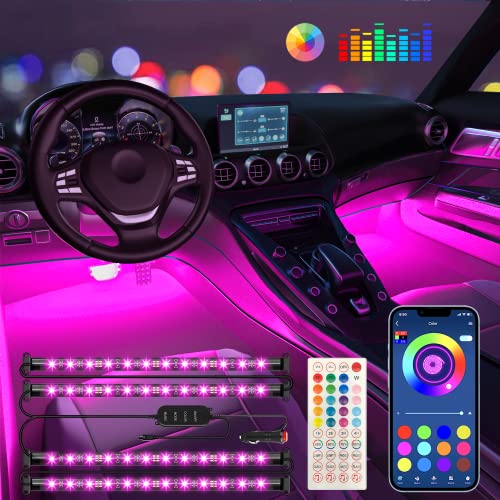
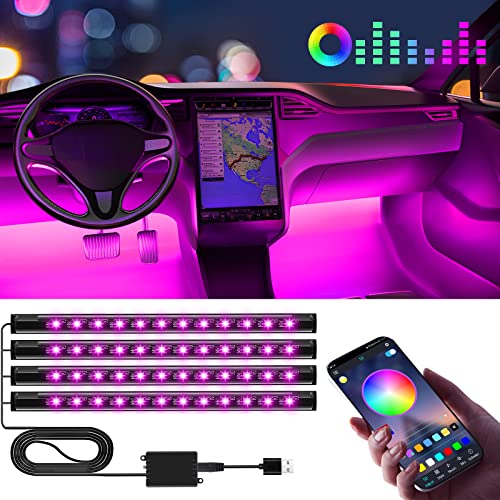
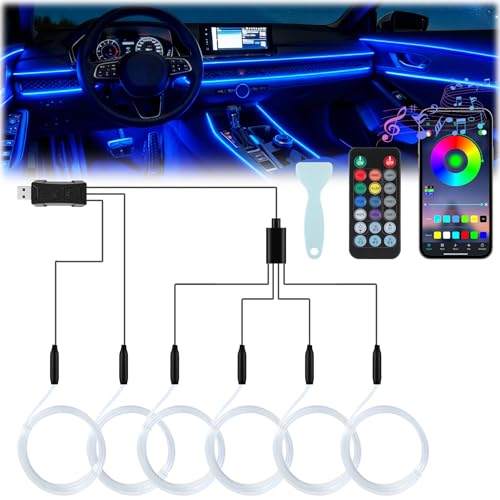
Upgrading your vehicle’s lighting can enhance safety and convenience when the car is stationary. Modern, efficient interior LED lights can provide clearer visibility when you need it without the harsh glare of older bulbs.




FAQs About Driving With Interior Lights
What about a passenger using a map light?
A focused map light is generally considered acceptable and is far safer than a full dome light. Because these lights are small, directed, and aimed away from the driver’s direct line of sight, they have a minimal impact on night vision and are very unlikely to cause glare on the windshield. They are designed specifically for this purpose.
Are red or blue interior lights illegal while driving?
Yes, this is almost always illegal. State laws strictly prohibit the use of blue or red lights on non-emergency vehicles because they can be mistaken for police or other first responders. Using these colors on your interior, where they are visible from the outside, can lead to a significant ticket and is a serious safety hazard.
Does the law apply to when the car is parked but running?
No. If the vehicle is legally parked and not in motion, you can have your interior lights on without any issue. The laws and safety concerns regarding distracted driving and night vision apply specifically to the act of operating the vehicle on a public road.
Can I get a ticket if my child turns on the light from the back seat?
While you, the driver, are ultimately responsible for the safe operation of your vehicle, this scenario is unlikely to result in a ticket on its own. An officer is more likely to issue a warning and advise you to turn it off. However, if the light causes you to drive erratically, the principle of distracted driving could still apply.
Is it different for modern cars with dimmable ambient lighting?
Yes, modern ambient lighting is designed very differently. It is typically very dim, indirect, and often focused on footwells or door panels. This type of lighting is engineered specifically to provide minor illumination without affecting the driver’s night vision or creating glare, and it is perfectly safe and legal to use while driving.
Does turning on the light during a traffic stop admit guilt?
Absolutely not. In fact, it is widely recommended by law enforcement as a gesture of cooperation and safety. Turning on the dome light allows the officer to see your hands and the car’s interior, reducing their uncertainty and helping to create a smoother, safer interaction for everyone involved.
Why do police cars use red interior lights?
Police and military personnel often use red light because it has a minimal impact on night vision. Red light does not cause the pupils to constrict as severely as white or blue light does. This allows officers to read a map or a computer screen and then quickly return their gaze to the dark road without the lengthy readjustment period.
Are there any states where it is explicitly illegal?
As of late 2026, no state has a statute that specifically names “driving with an interior dome light on” as a primary traffic violation. The illegality always stems from broader, related laws such as those covering distracted driving, reckless driving, or obstruction of the driver’s view.
What should I do if a passenger needs to turn on a light?
The safest course of action is to pull over to a safe, legal parking spot. This eliminates all risks associated with glare and distraction. If pulling over is not an immediate option, instruct the passenger to be as quick as possible and to shield the light from the windshield and the driver’s eyes.
Does this apply to lights in the trunk or cargo area if the door is ajar?
Yes, it can. A light from a trunk or rear hatch that is not properly closed can shine into the cabin or reflect in the rearview mirror, creating a distraction. Furthermore, the “door ajar” warning light on your dashboard is itself a designed distraction intended to get you to solve the problem by pulling over and securing the door.
Final Summary: Drive Smart, Drive Safe, Keep the Lights Off
In summary, while driving with an interior light is not directly illegal, it is unsafe and can lead to a distracted driving ticket. The long-standing myth has a kernel of truth rooted in safety, not law. The final verdict is clear: the most intelligent and responsible choice is always to keep interior lights off while the vehicle is in motion.
This analysis reinforces the crucial distinction between what is technically legal and what is practically safe. Understanding this difference empowers you to be a smarter, more aware driver. By prioritizing the clear principles of safe driving practice over the murky details of legal loopholes, you protect yourself, your passengers, and everyone else on the road. Now that you know the facts, prioritize your safety and the safety of others by keeping the interior dark while you drive.
Last update on 2026-03-02 / Affiliate links / Images from Amazon Product Advertising API