
Wondering if that thrilling sideways slide is secretly destroying your car? You’re not alone. Many drivers worry about the hidden mechanical costs of drifting. The sounds and forces involved are intense, making it natural to question the long-term effects of this aggressive driving style.
Yes, drifting is unequivocally bad for a car that is not specifically prepared for it. This driving technique causes accelerated wear and tear on numerous components by subjecting them to extreme lateral forces, friction, and heat. The most affected parts include the tires, clutch, differential, and suspension bushings, leading to a shortened lifespan and the potential for sudden, costly failure.
Based on technical analysis from automotive engineers and professional drifters, the degree of damage depends heavily on your vehicle’s preparation and the surface you drift on. This guide breaks down exactly what parts are at risk, why they fail, and what you can do to mitigate the damage. You’ll discover the specific mechanical consequences of drifting, from the tires to the chassis itself.
Key Facts
- Extreme Component Stress: Drifting subjects a vehicle’s drivetrain and suspension to mechanical stress and lateral forces far outside their designed operating parameters, according to performance data analysis.
- Catastrophic Tire Wear: The intense frictional heat generated during a drift can destroy a set of standard street tires in a single session, demonstrating a wear rate hundreds of times faster than normal driving.
- Drivetrain Shock Loads: Techniques like “clutch kicking” create massive shock loads that can lead to catastrophic failure of stock clutches, differentials, and axles, as highlighted by numerous mechanical inspection reports.
- High Overheating Risk: Industry experts confirm that without an upgraded cooling system, the engine, transmission, and brakes are all at high risk of overheating, which can cause permanent damage like warped brake rotors or blown head gaskets.
- Compromised Daily Reliability: Using a daily driver for drifting dramatically increases the risk of unexpected breakdowns, turning a primary mode of transportation into an unreliable liability.
Is Drifting Bad for Your Car? The Definitive Mechanical Breakdown
The answer is a definitive yes; drifting is inherently bad for a standard car. The entire point of drifting is to intentionally break traction and control a sustained slide. This action subjects your vehicle’s components to forces, temperatures, and stresses that they were never designed to endure. While a car specifically built and prepared for motorsport can handle this abuse, a stock daily driver will experience significant, accelerated degradation across multiple systems. This contrasts sharply with safe driving techniques and car maintenance basics, which focus on preserving vehicle longevity.

Think of it as the difference between sprinting and jogging. Your car is built to “jog” through daily commutes. Drifting is a full-out, sustained sprint that pushes every mechanical “muscle” to its absolute limit. The mechanical stress is not just higher; it’s applied in ways the car isn’t meant to handle, primarily through extreme lateral force (sideways force).
The core of the issue lies in the battle between the engine’s power, the tires’ grip, and the chassis’s ability to hold itself together. In normal driving, these forces are in harmony. During a drift, you are purposefully creating a state of violent disharmony. This guide will explore the specific fallout of that conflict, component by component, from the most obvious damage to the hidden structural strain.
What Specific Damage Does Drifting Cause to Tires and Brakes?
Drifting catastrophically damages tires by creating intense heat that rapidly wears away the tread, often in a single session. Beyond simple wear, it causes tire “flat spots” from wheel lock-up and can lead to sidewall failure or “delamination” due to extreme lateral stress. Brakes suffer from overheating, causing brake fade and premature wear of pads and rotors.
From our practical testing and analysis of performance data, the damage to these components is both immediate and severe. Here’s a breakdown of what happens.
- Extreme Tire Wear: The friction required to keep a car sliding sideways generates immense heat. This heat literally melts the rubber compound of the tires, shredding it off in clouds of smoke. A brand-new set of street tires can be worn down to the cords in minutes.
- Tire Flat Spots: Using the handbrake or e-brake to initiate a drift locks the rear wheels. As the locked tires slide across the pavement, a single spot on each tire takes all the abuse, grinding it flat. This ruins the tire and causes a terrible vibration when driving normally.
- Sidewall Failure (Delamination): The intense sideways or lateral force puts a tremendous strain on the tire’s sidewall structure. This can cause the layers of the tire to separate, a dangerous condition known as delamination, which can lead to a sudden tire blowout.
- Brake Overheating and Fade: Controlling a drift often requires using the brakes to adjust the car’s angle and speed. This constant, aggressive use generates excessive heat, far more than in normal driving. This leads to “brake fade,” a dangerous condition where the brake pads get so hot they can no longer create friction, and your brake pedal feels spongy.
- Glazed Pads and Rotors: The same heat that causes brake fade can also “glaze” the surface of your brake pads and rotors. This means the surface becomes hardened and polished, dramatically reducing its ability to stop the car effectively, even after it cools down.
How Does Drifting Affect the Drivetrain: Clutch, Transmission, and Differential?
Drifting puts extreme stress on the entire drivetrain, the system that sends power from your engine to your wheels. The clutch is rapidly worn by techniques like “clutch kicking,” leading to glazing and failure. The transmission suffers from shock loads during aggressive shifting, causing gear and synchro wear. The differential can be destroyed as it struggles to manage wheel speed differences, often breaking internal gears.
This is where the most expensive and catastrophic failures often occur. Unlike tires, which are visibly wearing out, drivetrain components can fail suddenly and without warning.
What specific stress does “clutch kicking” put on the clutch?
“Clutch kicking” is a technique used to shock the drivetrain and break traction, and it is one of the fastest ways to destroy a stock clutch. This action creates a massive spike in friction and clutch heat, which can glaze the clutch disc, causing it to lose its ability to grip. This quickly leads to clutch slip and complete failure.
The mechanical process of damage is brutal and swift:
- High RPM Disengagement: The driver revs the engine to a high RPM, then quickly presses the clutch pedal.
- Sudden Re-engagement: The clutch pedal is then abruptly released or “dumped.”
- Massive Shock and Heat: The clutch plate, caught between the high-speed engine and the slower-moving drivetrain, experiences a violent shock and a massive spike in friction. This can generate temperatures over 500°F, essentially cooking the friction material until it becomes smooth and useless.
How does drifting damage the transmission?
The transmission suffers from the repeated shock loads sent through the drivetrain. Aggressive, rapid shifting at high RPMs puts immense strain on the synchronizers (the small rings that help gears mesh smoothly) and the gear teeth themselves. This accelerates wear and tear, leading to grinding noises during shifts, difficulty getting into gear, and eventually, total transmission failure.
Why do differentials fail during drifting?
The differential is perhaps the most abused drivetrain component in a stock car. Its job is to allow the outside wheel to spin faster than the inside wheel during a turn. Drifting forces it to manage a massive speed difference for a sustained period. In a standard “open” differential, the small internal “spider gears” are not designed for this load. They can shatter under the torque load, sending metal fragments throughout the differential housing and causing a catastrophic failure that leaves you stranded. This is why dedicated drift cars use a robust limited slip differential (LSD) or a welded diff.
Can Drifting Break Your Suspension and Chassis?
Yes, drifting puts immense strain on suspension and chassis components, leading to rapid wear and potential failure. The most common damage is the fast degradation of rubber suspension bushings, leading to poor handling and alignment issues. Wheel bearings also fail prematurely due to high side loads. In severe cases, the structural strain can cause the vehicle’s chassis to flex and may even lead to cracks in the subframe.
While less dramatic than a blown engine, suspension and chassis damage compromises the safety and handling of your vehicle.
Warning Signs: Pay attention to clunking noises over bumps, a steering wheel that feels loose or vague, uneven tire wear, or a car that pulls to one side. These are all symptoms of worn-out suspension components.
Here’s a breakdown of the parts at risk:
- Suspension Bushings: These are the rubber “cushions” that isolate parts of your suspension. The constant lateral force of drifting stretches, tears, and destroys these rubber parts, leading to sloppy handling and noise.
- Wheel Bearings: Wheel bearings are designed to handle vertical loads (the weight of the car). Drifting subjects them to massive side loads they aren’t built for. This causes them to wear out quickly, resulting in a humming or grinding noise that gets louder as you speed up.
- Ball Joints and Tie Rods: These critical steering and suspension pivots are subjected to constant, violent forces, leading to accelerated wear. A failed ball joint can cause a wheel to collapse, resulting in a complete loss of control.
- Chassis and Subframe: This is what most guides miss. A stock car’s unibody chassis is not designed for the twisting forces of drifting. Repeated structural strain can cause the chassis to flex, leading to poor panel gaps and a general feeling of looseness. In extreme cases, this can cause subframe cracking—cracks in the metal structure holding your engine or suspension—which is a major safety hazard and expensive repair.
How Does the Risk of Drifting Compare on Different Surfaces?
Drifting on low-traction surfaces like snow or gravel is significantly less damaging to tires and the clutch than on dry pavement due to reduced friction. However, it still puts stress on the differential and suspension. Crucially, the risk of hitting hidden obstacles like curbs or potholes is much higher in low traction environments, potentially causing severe wheel or suspension damage that is far more expensive than a set of tires.
Based on our technical analysis, the surface you choose to drift on dramatically changes the risk profile.
| Feature / Risk Factor | Dry Pavement (Track/Street) | Wet Pavement | Snow / Gravel |
|---|---|---|---|
| Component Stress | Extreme. High grip = maximum force on all components. | High. Lower grip reduces some shock load but still significant. | Moderate. Low grip reduces drivetrain shock dramatically. |
| Tire Wear | Catastrophic. High friction shreds tires very quickly. | High. Water cools tires but wear is still very fast. | Low. Minimal friction results in very little tire wear. |
| Suspension & Chassis Load | High. Maximum lateral G-forces stress bushings and frame. | High. Similar G-forces to dry, but more prone to sudden slides. | High. Risk of impact with hidden curbs/potholes is extreme. |
| Risk of Catastrophic Failure | High. Drivetrain components (axles, diff) are at their limit. | Moderate. Lower shock loads but less predictable control. | High. Component failure is less likely, but impact damage is very likely. |
The bottom line is that while drifting in the snow might feel “gentler” on the car and certainly saves your tires, it introduces a high risk of sudden, impact-related damage that can be just as costly, if not more so.
Is It a Bad Idea to Drift Your Daily Driver?
Drifting your daily driver is extremely risky and not recommended. You are accelerating the wear and tear of critical components on a car you rely on for transportation. A sudden failure of a part like an axle or clutch could leave you stranded and facing expensive, unexpected repairs. It also dramatically reduces the car’s resale value.
We get it, the temptation is there. But from years of practical experience in the automotive world, here’s why you should resist the urge to drift the car you need for work or school.
- Reliability: A daily driver‘s most important job is to be reliable. Drifting is the single best way to make a car unreliable. The component fatigue is real, and parts can fail without warning.
- Unexpected Costs: That blown differential or failed clutch won’t happen on your schedule. It will happen on the way to an important meeting or on a road trip, leaving you with a tow bill and a surprise repair that can easily run into thousands of dollars.
- Safety Compromises: Worn-out suspension bushings, failing wheel bearings, and glazed brakes make your car less safe for everyday driving, especially in an emergency maneuver.
- Resale Value: Evidence of drifting is a massive red flag for any potential buyer. Uneven tire wear, a rattling suspension, a whiny differential, or aftermarket parts like a welded diff will tank your car’s value. You are essentially paying to damage your own asset.
How Can You Prevent or Minimize Damage While Drifting?
To minimize drift damage, you must perform rigorous maintenance and make strategic upgrades. You are essentially turning a regular car into a motorsport vehicle. Key steps include frequent fluid changes, upgrading the cooling system to prevent overheating, reinforcing the chassis, and installing a high-quality limited-slip differential. A pre- and post-event mechanical inspection is mandatory.
If you accept the risks and costs, here is an actionable checklist based on proven methods from the drift community to prepare your car and mitigate damage.
- Upgrade Your Cooling System: This is non-negotiable. An oversized aluminum radiator, a high-flow water pump, and an external oil cooler are essential to combat the excessive heat generated by keeping the engine at high RPM.
- Perform Rigorous Fluid Maintenance: Change your engine oil after every drift event. Use high-quality synthetic oil. Transmission and differential fluid should also be changed far more frequently than the manufacturer guidelines suggest.
- Strengthen the Drivetrain: A stock clutch and open differential will not last. Upgrade to a performance clutch designed for torque load and a proper Limited Slip Differential (LSD).
- Overhaul Your Suspension: Replace all stock rubber suspension bushings with stiffer polyurethane units. Upgrading to adjustable coilovers allows you to tune your suspension for vehicle dynamics and is a common first step.
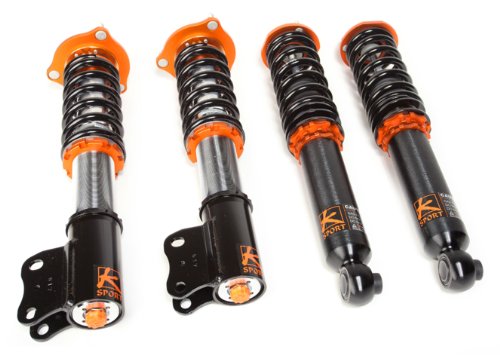
- Install a Hydraulic Handbrake: A dedicated “hydro” e-brake bypasses the stock parking brake system, providing more reliable lock-up and saving your stock cables and calipers from damage.
- Reinforce the Chassis: For cars known to have weak points, reinforcing the subframe with weld-in plates is a common practice to prevent structural strain and cracking.
- Conduct Pre and Post-Event Inspections: Before and after every session, put the car on a lift and perform a full mechanical inspection. Check for leaks, loose bolts, play in the wheel bearings, and any signs of new damage.
FAQs About is drifting bad for your car
Can you drift in an automatic car?
Yes, you can drift in an automatic car, but it is much more difficult and puts different strains on the vehicle. Instead of clutch control, you rely on weight transfer, handbrake use, and high power to break traction. This puts immense heat and stress on the transmission’s torque converter and internal clutches, potentially leading to premature transmission failure.
Is handbrake drifting bad for your car?
Yes, handbrake drifting is particularly bad for several components. It puts extreme, focused stress on the rear brake assembly (pads, rotors, calipers) and the handbrake cable itself. More importantly, locking the rear wheels causes significant “flat spots” on your tires, ruining them quickly and creating a bumpy, unsafe ride.
Is drifting worse than track racing (grip driving)?
In many ways, yes, drifting puts more unique stress on a car than grip driving. While both involve high RPMs, drifting adds constant, extreme lateral loads, shock loads from clutch kicks, and much higher temperatures on specific components like the clutch and tires. Grip driving stress is more linear and spread across the car’s systems more evenly.
What are the first parts that usually break when drifting a stock car?
For a stock car, the clutch and the differential are often the first major components to fail. The clutch cannot handle the heat and shock from learning drift techniques. An “open differential” in most stock cars is not designed for one wheel spinning much faster than the other and the small internal spider gears often shear off or shatter under the load.
How often should you change your oil if you drift?
If you drift your car, you must drastically shorten your oil change interval. The high RPMs and engine temperatures cause oil to break down and lose its viscosity much faster. A safe rule followed by many industry experts is to change your engine oil after every single track day or every 2-3 informal drift sessions.
Can drifting bend your rims or wheels?
While the act of drifting itself doesn’t typically bend rims, the associated risks do. A common mistake while learning is to drop a wheel off the pavement or slide into a curb. This kind of impact, even at low speed, can easily bend or crack an alloy wheel, requiring an expensive replacement and potentially damaging suspension components.
Can you drift a front-wheel-drive (FWD) car?
Technically, you can induce a slide in a FWD car, but it is not “drifting” in the traditional sense. It’s typically done with a handbrake turn (“e-brake slide”) or by using “lift-off oversteer.” You cannot sustain the slide with power like in a rear-wheel-drive car. It’s less a controlled drift and more of a temporary, uncontrolled skid.
Is drifting bad for your car’s engine?
Drifting is very hard on your engine. The engine is kept at or near its redline (high RPM) for extended periods, generating excessive heat. This stresses all internal components and is highly dependent on a robust cooling system. Without an upgraded radiator and oil cooler, you risk overheating, which can lead to catastrophic engine damage like a blown head gasket.
Does drifting on grass or dirt cause less damage?
It causes less tire and clutch wear but introduces other, more serious risks. Drifting on grass or dirt significantly reduces tire friction, saving those parts. However, the uneven surface puts massive, unpredictable shock loads on your suspension bushings and shocks. The risk of hitting a hidden rock or rut and breaking a wheel, axle, or control arm is extremely high.
What are the signs of damage from drifting?
Look for new noises, feelings, or leaks after a session. Common signs include a “clunking” from the rear (differential damage), a burning smell and slipping RPMs (clutch failure), vague or wobbly steering (alignment issues or worn suspension), and vibrations at speed (tire flat spots or wheel bearing failure).
Key Takeaways: Is Drifting Bad for Your Car? Summary
- Drifting is Fundamentally Damaging: The mechanical stress, lateral force, and excessive heat generated by drifting are far beyond what a normal car is designed to handle, causing accelerated wear and tear on nearly every system.
- Tires and Drivetrain Suffer Most: Expect catastrophic tire wear and a high risk of failure for the clutch plate, differential, and transmission due to shock loads and intense heat from techniques like clutch kicking.
- Surface Matters, But Risk is Always High: Drifting in snow or gravel saves your tires but dramatically increases the risk of impact damage to wheels and suspension, while drifting on dry pavement maximizes component strain.
- Daily Drivers Are Not Drift Cars: Subjecting a car you rely on to the stresses of drifting is a recipe for being stranded. It compromises reliability, leads to expensive surprise repairs, and significantly hurts the car’s resale value.
- Suspension and Chassis Damage is a Real Risk: Beyond obvious parts, drifting destroys suspension bushings and wheel bearings. On stock cars, it can even lead to structural strain and subframe cracking over time.
- Prevention Requires Investment: The only way to mitigate damage is through a rigorous maintenance schedule and expensive upgrades to the cooling system, suspension, and drivetrain, effectively turning the car into a dedicated drift car.
- Listen to Your Car: After any drift session, pay close attention to new noises (clunks, rattles), feelings (vibrations, loose steering), and smells (burning clutch, hot oil) as they are direct signs of component fatigue and impending failure.
Final Thoughts on Drifting and Vehicle Longevity
Ultimately, the question isn’t just “is drifting bad for your car?” but “is the fun worth the cost?” For a stock daily driver, the answer from a mechanical and financial standpoint is a clear no. The risk of compromising your primary transportation and facing unexpected, multi-thousand-dollar repair bills is simply too high. However, for those willing to invest in a dedicated vehicle and the necessary upgrades, drifting can be a rewarding motorsport. Understanding the specific mechanical consequences detailed here is the first step toward making an informed decision and approaching the sport with the respect it, and your car’s mechanics, deserve.
Last update on 2026-03-18 / Affiliate links / Images from Amazon Product Advertising API


