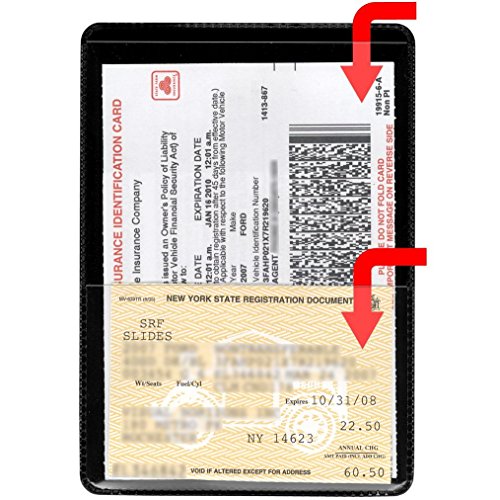
When you’re organizing your monthly expenses or trying to provide proof of residency, the lines between different types of bills can get blurry. It’s a common scenario: you have a stack of regular payments, and you start to wonder if they all fall into the same category. This often leads to one specific question that stumps many people.
You’re trying to figure out exactly what counts as a utility, and whether that all-important car insurance payment fits the definition.
No, car insurance is not a utility bill. While both are common and often mandatory regular expenses, they belong to fundamentally different financial categories. Car insurance is a financial contract for protection against loss, whereas a utility bill is a charge for an essential, consumable household service like electricity or water.
This guide will provide the definitive answer, breaking down exactly what a utility is, why the distinction is so important for things like proof of address and budgeting, and how you can confidently categorize your expenses. We will unpack the key differences based on the nature of the service, the types of providers, and how each is billed, ensuring you have a clear and accurate understanding.
Key Facts
- A Service vs. a Contract: A utility bill pays for a service you directly consume, like water or electricity. In contrast, car insurance is a financial contract that provides protection against potential future losses.
- Essential for the Home: Utility services are considered essential for a household to be operational and comfortable. You can have a fully functional home without car insurance, but not without power or water.
- Market Structure: Utility companies often operate as regulated monopolies for a specific area. Car insurance providers, however, operate in a competitive, for-profit market, giving consumers a choice of insurer.
- The Gold Standard for Proof of Address: When an institution asks for proof of residency, a utility bill is generally the preferred document. This is because it is tied to the physical delivery of a service to a specific address, making it a more reliable validator than an insurance statement.
- Billing Fluctuation: Utility costs often fluctuate monthly based on your consumption (usage). Car insurance premiums are typically fixed for the duration of the policy term, only changing at renewal or if there are significant changes to your policy.
Is Car Insurance a Utility Bill? The Direct Answer
No, car insurance is not a utility bill because it is a financial protection contract, not an essential household service like electricity or water. This is the most crucial distinction to understand. While both are recurring expenses that you budget for, their fundamental purpose and nature are entirely different. Thinking of car insurance as a utility is a common misconception, but one that can lead to confusion, especially when dealing with financial or legal documentation.

Based on the defined characteristics of each service, the answer is unequivocally clear. Let’s look at the core of what separates them.
To put it simply, car insurance is a form of financial protection, not a service consumed by the household itself. You pay a premium in exchange for coverage against financial loss from an accident or other vehicle-related incident. A utility, on the other hand, is a tangible service that is consumed to keep your home running.
But why is there so much confusion? Let’s break it down. The confusion often stems from the fact that both are regular, important payments. However, understanding their distinct definitions is key. This guide will walk you through precisely what a utility bill is and compare it point-by-point with car insurance, so the difference becomes crystal clear.
What Is Officially Considered a Utility Bill?
A utility bill is for essential, consumable household services like electricity, water, gas, sewer, internet, and phone, which are necessary for a home to be functional. As outlined by analyses from energy service providers like Constellation and Santanna Energy Services, a utility bill is an itemized invoice for these fundamental services that maintain a modern standard of living and keep a household operational. These services are often provided by companies that are regulated by or work in close partnership with local governments to ensure consistent delivery to the public.
A typical utility bill will include detailed information such as your account number, a summary of your usage for the billing period, the specific rates and charges applied, and payment information. Because these services are physically delivered to a specific home address, these bills are widely accepted as a reliable form of documentation.
Here are the most common examples of services that fall under the utility category:
- Electricity: This covers the power supply to your home, which is essential for lighting, appliances, and electronics. Usage is typically measured in kilowatt-hours (kWh).
- Natural Gas: This service is used for heating the home, cooking, and heating water. Its consumption is often measured in therms.
- Water: This reflects the cost of the clean water supplied to your home for drinking, bathing, and cleaning. It often includes associated sewer service charges and is measured in gallons or cubic feet.
- Sewer and Trash/Recycling: These are vital public health services for sanitation and waste management. While sometimes included in property taxes, they are often billed directly as a utility.
- Internet and Cable: In today’s connected world, these are increasingly considered essential utilities. They are crucial for remote work, education, communication, and entertainment.
- Phone (Landline/Cellular): While the classification of cellular phones can sometimes vary, communication services are widely seen as an essential utility for safety and connectivity.
Quick Fact: Did you know that internet and cable are increasingly considered essential utilities for modern households? With the rise of remote work and online schooling, reliable internet access is now seen as just as critical as electricity or water in many contexts.
Key Differences: Why Car Insurance Is Not a Utility
Car insurance is a financial safety net, not a household commodity. Its purpose, provider market, and billing are fundamentally different from utilities like water or gas. While at first glance they might both seem like just another monthly bill, a closer look reveals that they operate in completely different worlds. Analyzing these differences side-by-side makes the distinction perfectly clear and demonstrates why lumping them together is incorrect.
The most effective way to see this is through a direct comparison across their core characteristics. The following table breaks down the fundamental distinctions between a typical utility bill and a car insurance policy. This systematic analysis, based on direct reasoning, shows that they align on very few, if any, structural points.
| Characteristic | Utility Bill | Car Insurance |
|---|---|---|
| Nature of Service | A physical, consumable service (e.g., electricity, water) integral to the functioning of a home. | A financial contract that provides protection against potential financial loss from accidents. |
| Provider Type | Often a regulated monopoly or a company working in close partnership with the government for a specific area. | A for-profit organization operating in a highly competitive market with many consumer choices. |
| Billing Basis | Typically fluctuates based on monthly consumption and usage (e.g., how much water you use). | A premium that is typically fixed for the policy term (e.g., six or twelve months). |
| Purpose | To power, heat, and provide sanitation and connectivity for a physical household. | To provide financial protection and meet legal requirements for operating a vehicle on public roads. |
As the table illustrates, the two are fundamentally different products. One is a tangible good you consume daily, while the other is an intangible agreement that protects you from risk.
Pro Tip: Think of it this way: You consume electricity, but you hold an insurance policy. One is used up as you go, while the other is a safeguard that you hope you never have to use.
The Common Confusion: Car Insurance as Proof of Address
Utility bills are the gold standard for proving your address because they confirm a service is being delivered to your physical home; car insurance is less reliable for this purpose. This is, without a doubt, the biggest source of confusion between the two. Many people encounter the question “is car insurance a utility bill?” for the first time when they are asked by an institution like a bank or the DMV to provide a utility bill as proof of residency. It’s a practical problem that forces a definitional question.
While some institutions might, on occasion, accept a car insurance statement as a secondary form of proof of address, it is not universally accepted and is certainly not considered a true utility bill. The reason institutions generally prefer utility bills is based on a simple principle: reliability. A utility bill is directly and physically tied to a location.
Here is why a utility bill is considered a more trustworthy proof of address than a car insurance statement:
- Tied to Physical Infrastructure: Services like electricity, water, and gas are delivered through a physical infrastructure of pipes and wires connected directly to a specific house or apartment. This creates a strong, verifiable link to the address.
- Harder to Manipulate: Because a utility is connected to a physical service line, changing the service address requires a formal process with the utility company. The address on a car insurance policy can often be changed more easily online or over the phone, making it less secure as a validator.
- Confirms Occupancy: An active utility bill implies that someone is living at the address and using the services. A car insurance policy only confirms that the policyholder has associated their vehicle with that address, not that they necessarily reside there.
Relatable micro-analogy: Using car insurance for proof of address can be a gamble; using a utility bill is almost always a sure bet. It’s like being asked for your driver’s license as ID—sure, other cards have your name on them, but the license is the official, preferred document.
Keeping your finances in order is easier with the right tools. For anyone looking to better track their various bills, policies, and financial documents, investing in a good organizer can make a world of difference.




FAQs About Car Insurance and Utility Bills
Is an internet or cable bill considered a utility bill?
Yes, in modern contexts, internet and cable bills are increasingly and widely considered to be utility bills. As remote work, online education, and digital communication have become essential, reliable internet access is now viewed as a necessary service for a household to be functional, much like electricity or water.
Is a phone bill (landline or cell) a utility bill?
Generally, yes. A landline phone bill has long been classified as a utility. While the classification of a cell phone bill can sometimes vary between institutions, it is most often accepted as a utility because communication is considered an essential service for modern life and personal safety.
Do utility bills always fluctuate based on usage?
Most utility bills, such as those for electricity, water, and gas, do fluctuate based on how much of the service you consume in a given month. However, some utilities, like internet, trash collection, or basic cable packages, may have a fixed monthly rate. This is one key difference from car insurance, which has a premium that is fixed for the entire policy term.
Why is car insurance mandatory if it’s not a utility?
Car insurance is mandatory in most states not because it’s essential for your home, but because it’s essential for public safety and financial responsibility on the road. It is a legal requirement designed to protect all drivers from the potentially devastating financial losses that can result from an accident. Its purpose is risk management for a public activity, not household operation.
What are the best documents to use for proof of residency?
The best and most widely accepted documents for proving residency are utility bills (electricity, water, gas, internet), government-issued ID with your address (like a driver’s license), rental agreements or mortgage statements, and bank statements. These are preferred because they are officially tied to you at a specific, verifiable physical address.
Can I bundle my car insurance with any utilities?
No, you cannot bundle car insurance with utility services. They are entirely different products offered by completely different types of companies. Utility providers operate in a regulated market for household services, while insurance companies operate in a competitive financial services market. You can, however, often bundle car insurance with other insurance products like home or renters insurance.
Does my car insurance premium change like a utility bill?
No, your car insurance premium does not change from month to month based on usage in the way a utility bill does. Your premium is a fixed rate that you agree to pay for a set policy term, which is typically six or twelve months. It will only change at the time of renewal or if you make specific changes to your policy, such as adding a vehicle or moving.
Final Summary: A Clear Distinction for Your Budget
In summary, car insurance is a form of financial protection, while a utility bill is a charge for an essential household service. Understanding this distinction is key for budgeting and providing proof of residency. Though both represent regular expenses, they should not be grouped together in your financial planning as they serve entirely different functions. Car insurance is a safeguard against risk, and a utility is a payment for consumption.
By recognizing their unique characteristics, you can manage your finances more effectively and avoid confusion when handling official documentation. This clear, logical framework empowers you to categorize your spending accurately and understand the purpose behind each payment you make.
Here are the most critical distinctions to remember:
- Purpose: Car insurance is for financial protection against accidents; utilities are for the operation of your home.
- Provider Type: Insurance is a competitive market with many choices; utilities are often provided by a single, regulated company for your area.
- Use as Proof of Address: Utility bills are the top-tier, preferred document for verifying your residency; car insurance statements are not as reliable and may not be accepted.
Use this clear distinction to organize your personal finances with confidence
Last update on 2026-03-06 / Affiliate links / Images from Amazon Product Advertising API