
After the turmoil of a car accident, reaching a settlement can feel like the final step toward recovery. But then a critical question arises, creating a new wave of uncertainty: is my car accident settlement taxable? You’re not alone in asking this; navigating the complex rules of the IRS on top of everything else can be daunting, and misinformation can lead to costly mistakes come tax season. You need clear, direct answers to understand what you owe and what you don’t.
Generally, the portion of a car accident settlement received for personal physical injuries or physical sickness is not considered taxable income by the IRS. However, portions of the settlement that compensate for things like lost wages or punitive damages are typically taxable. This guide breaks down these crucial distinctions, explaining exactly what the IRS considers taxable and what is tax-free, so you can manage your settlement with confidence and clarity.
Is a Car Accident Settlement Taxable? The General Rule
Generally, no. The IRS does not tax compensation received for personal physical injuries or physical sickness from a car accident settlement. This foundational principle provides significant relief to individuals recovering from an accident, ensuring the funds meant for healing and restoration are not diminished by taxes. The core idea is that you are being “made whole” again, not earning a profit.

This tax-free status for personal physical injury awards is not just a guideline; it is codified in federal law. To provide a layer of authority on this matter, the taxability of these funds is governed by specific regulations.
This is based on Section 104(a)(2) of the Internal Revenue Code. This section explicitly excludes from gross income the amount of any damages received (whether by suit or agreement) on account of personal physical injuries or physical sickness.
Here, “Internal Revenue Code” refers to the body of law that governs all federal taxes in the United States. “Taxable income” is the portion of your income that the government can tax. So, when the code excludes something from gross income, it means you don’t have to report it to the IRS or pay taxes on it. This rule is the bedrock of how personal injury settlements are treated.
But does this simple rule apply to every dollar you receive? Let’s break it down.
What Part of a Settlement Is Tax-Free? (Compensatory Damages)
The portions of a settlement meant to compensate you for actual losses (compensatory damages) are typically not taxed. This includes medical costs, property damage, and pain and suffering linked to physical injury. These payments are designed to reimburse you for things you lost due to the accident, bringing you back to the financial position you were in before the incident occurred. They are not considered a financial gain or profit.
Understanding the breakdown of your settlement is key. The non-taxable portion, often called “compensatory damages,” can be divided into several categories. Here’s a clear look at what that includes:
- Medical Expenses: This is perhaps the most straightforward category. The portion of your settlement that reimburses you for medical bills is not taxable. This covers everything from the initial emergency room visit to long-term physical therapy.
- Property Damage: If your settlement includes money to repair or replace your vehicle or any other property damaged in the accident, that amount is tax-free. You are simply being compensated for the value of what you lost.
- Pain and Suffering: This is compensation for the physical pain and emotional distress you endured because of your physical injuries. As long as the pain and suffering are a direct result of a physical injury, this portion of the settlement is not taxable.
- Emotional Distress: Similar to pain and suffering, compensation for emotional distress like anxiety, fear, or sleep loss is not taxable if it originates from the physical injuries you sustained in the car accident.
- Loss of Enjoyment of Life: If your injuries prevent you from enjoying daily activities, hobbies, or life as you once did, the compensation for this loss is generally not taxable.
Pro Tip: Keep meticulous records of all medical bills and repair costs. This documentation is crucial for proving which parts of your settlement are non-taxable if the IRS ever has questions.
Medical Expenses & Future Medical Care
Compensation for all medical care, whether already received or anticipated for the future, is non-taxable. When you receive a settlement, it often accounts not just for the bills you’ve already paid but also for the estimated cost of medical treatment you will need in the future as a result of the accident. The IRS recognizes both as essential parts of making you whole.
This tax-exempt status applies to a wide range of medical needs stemming from the physical injury. It’s important to understand the full scope of what is covered:
- Hospital Stays & Emergency Room Visits: Immediate costs incurred right after the accident.
- Surgeries: Any operations required to treat your injuries.
- Doctor’s Appointments: Follow-up visits with specialists and your primary care physician.
- Physical Therapy & Rehabilitation: Costs associated with regaining mobility and function.
- Medication: Prescription drug costs related to your injuries.
- Medical Equipment: Items like crutches, wheelchairs, or other necessary devices.
- In-home care: If your injuries require professional nursing or assistance at home.
The key is that these funds are directly tied to treating a physical injury. The settlement is replacing the money you have spent or will have to spend, not providing you with extra income.
Pain, Suffering & Emotional Distress
Crucially, compensation for emotional distress is non-taxable only if it’s a direct result of the physical injuries sustained in the accident. This is one of the most important and often misunderstood distinctions in settlement tax law. The “origin of the claim” is what matters to the IRS. If the root cause is a physical injury, the related emotional suffering is considered part of that injury’s damages.
An expert clarification of this complex IRS rule helps illustrate the point:
If you sue someone for emotional distress without any accompanying physical injury (for example, in a case of workplace harassment with no physical component), any settlement you receive would be considered taxable income. However, in a car accident settlement, the anxiety, depression, or PTSD is a direct consequence of the physical trauma, so compensation for it is treated as part of the personal physical injury award and is therefore tax-free.
This distinction is vital. The settlement agreement should ideally specify that the damages for emotional distress are on account of the physical injuries sustained. This creates a clear record for tax purposes and reinforces the non-taxable nature of those funds.
Quick Fact: If a lawsuit is only for emotional distress with no physical injury, any settlement money is likely taxable. The car accident context is key!
Which Parts of a Settlement ARE Taxable? (The Exceptions)
Yes, some parts of a settlement are taxable. The most common examples are portions for lost wages, punitive damages, and interest accrued on the award. While the core of a personal injury settlement is tax-free, any part that falls outside the scope of direct compensation for physical injuries and losses is often treated as income by the IRS.
It’s essential to understand these exceptions to avoid surprises from the IRS. Think of it this way: if the money replaces income you would have paid tax on (like your salary), you’ll likely have to pay tax on it now. Here is what your accountant needs to know about the potentially taxable components of your car accident settlement:
- Compensation for Lost Wages: If you were out of work due to your injuries, a portion of your settlement might be designated as compensation for the wages you lost. This money is considered taxable.
- Punitive Damages: In some cases, a court may award punitive damages. These are not meant to compensate you for a loss but rather to punish the defendant for extremely reckless behavior. Punitive damages are always considered taxable income.
- Interest on the Settlement: If your settlement award earns interest between the time of the agreement and the time you are paid, that interest is taxable income. This often applies in cases that take a long time to resolve.
- Damages for Breach of Contract: If your claim also involved a breach of contract (which is rare in typical car accident cases), that portion of the award would be taxable.
- Confidentiality Clauses: In some settlements, a portion of the money may be explicitly paid in exchange for you signing a confidentiality agreement. This payment is often considered taxable income.
Lost Wages and Lost Profits
The IRS considers money for lost wages as replacement income, so it is taxed just like the regular salary or wages you would have earned. The logic behind this rule is straightforward. Had you not been injured in the car accident, you would have continued working and earning your regular paycheck, and you would have paid federal and state income taxes on that money. The settlement portion for lost wages simply puts you back in the financial position you would have been in, and therefore it is subject to the same tax rules.
This amount will be taxed at your regular income tax rate. It’s not subject to a special penalty or a different tax bracket; it’s simply added to your other income for the year to determine your total tax liability. For example, if you received $10,000 as compensation for lost wages, you would report that $10,000 as “other income” on your tax return. This applies to both past lost wages and any compensation you receive for a diminished capacity to earn income in the future.
Punitive Damages
Yes, punitive damages are taxable. Unlike compensatory damages, they are meant to punish the wrongdoer and are treated as income to you. This is a critical distinction because the purpose of these funds is entirely different from the rest of your settlement. Compensatory damages are about making you whole, while punitive damages are a financial penalty against the defendant for egregious or malicious conduct.
Because punitive damages are not compensating you for a specific loss, the IRS views them as a financial gain or windfall, and thus they must be reported as taxable income.
Definition: Punitive damages are monetary awards designed to punish the defendant for conduct that is considered grossly negligent, reckless, or intentional. They are intended to deter the defendant and others from engaging in similar behavior in the future.
This rule is unequivocal. Even though the punitive damages arise from a personal injury lawsuit, they are not “on account of” the physical injury itself in the eyes of the tax code. They are on account of the defendant’s reprehensible actions.
Quick Fact: Punitive damages are relatively rare in car accident cases but can occur in situations involving extreme negligence, like a drunk driving accident.
Navigating your tax obligations after a settlement can be complex, and using the right tools can make all the difference in ensuring accuracy and peace of mind. For those looking to manage their personal finances and prepare their taxes correctly, reliable tax preparation software can be an invaluable asset.
![TaxAct Online 2018 Deluxe+ Federal Edition [PC Online code]](https://m.media-amazon.com/images/I/41KOgF1NbtL.jpg "Car Accident Settlements: What's Taxable & What's Not 2")

![H&R Block Tax Software Deluxe + State 2022 with Refund Bonus Offer (Amazon Exclusive) [PC Download] (Old Version)](https://m.media-amazon.com/images/I/41n0FVam4VL.jpg "Car Accident Settlements: What's Taxable & What's Not 4")


FAQs About Taxable Car Accident Settlements
Will I receive a 1099 form for my car accident settlement?
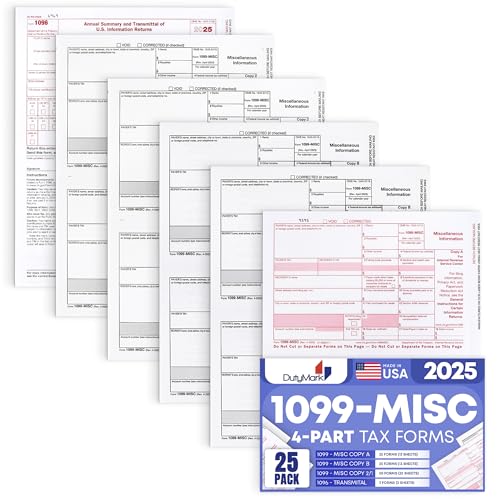
It’s possible. If a portion of your settlement is taxable (like payments for lost wages or punitive damages), the paying party (usually an insurance company or the defendant’s attorney) is required to issue a Form 1099-MISC or 1099-NEC. If your entire settlement is for non-taxable damages like physical injuries, you typically will not receive a 1099.
Can I deduct my attorney’s fees from the taxable part of my settlement?
This is a complex area. Generally, you cannot deduct attorney’s fees for the non-taxable portion of your settlement. For the taxable portion (like lost wages), you may be able to deduct the legal fees associated with earning that income, but tax law changes have made this more difficult for many individuals. It is crucial to consult a tax professional about this.
Do state tax laws on settlements differ from federal IRS rules?
Yes, they can. While most states follow the federal guidelines for taxing personal injury settlements, some states have their own unique rules. It is always important to check your specific state’s tax laws or consult with a local tax professional to ensure you are compliant at both the federal and state levels.
How does the insurance company know which parts are for what?
The settlement agreement document is key. A well-drafted agreement will explicitly allocate the settlement funds to different categories of damages (e.g., medical expenses, pain and suffering, lost wages). This “allocation” provides a clear record for both you and the IRS to determine which portions are taxable versus non-taxable.
What happens if I already deducted medical expenses on a prior tax return?
If you deducted medical expenses related to the accident on a previous year’s tax return and then get reimbursed for those same expenses in a settlement, you must report that portion of the settlement as taxable income. This is known as the “tax benefit rule.” You only have to report it up to the amount you received a tax benefit for.
Is a settlement for property damage (like my totaled car) taxable?
Generally, no. Compensation for property damage is not taxable as long as the amount is less than or equal to your “adjusted basis” in the property (usually what you paid for it). If the settlement for your car is more than its adjusted basis, you could technically have a taxable gain, but this is very rare in car accident cases.
If my settlement is paid in a structured annuity, how is that taxed?
If a settlement for physical injuries is paid out over time through a structured settlement annuity, the payments remain tax-free. The entire stream of payments, including any growth or interest within the annuity, is excluded from your taxable income under the same IRS code section.
Does it matter if I settle out of court versus winning a judgment at trial?
No, the tax treatment is the same. The IRS rule under Section 104(a)(2) applies to damages received “whether by suit or agreement.” This means the funds are treated the same whether you receive them through a negotiated out-of-court settlement or a verdict awarded by a jury after a trial.
How should I document my settlement for tax purposes?
Keep a copy of the final settlement agreement, which should ideally detail the allocation of funds. Also, maintain all records of your medical expenses and property damage repairs. These documents provide the necessary proof to support the non-taxable treatment of those portions of your award.
Who should I talk to about the tax implications of my settlement?
The best person to consult is a qualified tax advisor, such as a Certified Public Accountant (CPA) or a tax attorney. While your personal injury lawyer can structure the settlement agreement favorably, a tax professional can provide specific advice on how to report it and meet your obligations to the IRS and state tax authorities.
Final Summary: Key Tax Takeaways for Your Settlement
Navigating the financial aftermath of a car accident settlement requires a clear understanding of the tax rules. The distinction between what is considered a non-taxable reimbursement for losses and what is viewed as taxable income is the most critical factor. By understanding this difference, you can protect your settlement funds and avoid future complications with the IRS.
To ensure you handle your settlement correctly, remember these core principles:
- Physical Injury Damages are Tax-Free: The foundation of settlement tax law is that money received for personal physical injuries, medical bills, and related pain and suffering is not taxable.
- Income Replacement is Taxable: Any portion of the settlement that replaces income you would have otherwise earned, such as lost wages, is subject to income tax.
- Punitive Damages are Always Taxable: Funds awarded to punish the defendant are considered a financial gain for you and must be reported as taxable income.
- Documentation is Crucial: The settlement agreement should clearly allocate the funds to different damage categories. Keeping detailed records of your expenses provides essential support.
- When in Doubt, Ask a Professional: Tax law is complex. This guide provides information, but not legal or tax advice. The best next step is to consult with a qualified tax advisor or attorney.
Armed with this knowledge, you can now have a more informed conversation with your tax professional to ensure you handle your settlement correctly. Proper management of these funds is the final step in your recovery, providing financial security and peace of mind for the future.
Last update on 2026-03-07 / Affiliate links / Images from Amazon Product Advertising API


