
Is the product you bought to protect your vehicle actually destroying it? This common question has haunted car owners for decades, centered on the belief that Armor All causes premature cracking. You are right to seek a definitive answer before applying any product to your valuable car interior. This debate matters because choosing the wrong protectant can accelerate the long-term damage of plastic and vinyl surfaces.
The short answer is no, modern Armor All is not inherently bad for your car and will not cause cracking. Most of its products today use water-based silicone emulsions that are safe for plastic, vinyl, and rubber. The brand’s negative reputation largely originates from older formulas and the greasy, dust-attracting finish some products can leave behind.
Based on scientific analysis of ingredients and long-term usage studies, this guide provides a definitive answer to the Armor All debate. You will discover exactly how modern chemical formulas work and why professional detailers prioritize alternatives for superior UV protection and a cleaner, less glossy finish.
Key Facts
- Formula Evolution: Modern Armor All protectants utilize water-based silicone emulsions, contrasting sharply with the older, solvent-based formulas that caused historical issues with plastic.
- UV Protection Included: The product does contain UV inhibitors that help protect interior surfaces from sun damage, fading, and cracking, which is a key component of its protective qualities.
- Water-Based Safety: The current water-based formula is proven safe for use on the plastic, vinyl, and rubber components typically found in a vehicle’s interior.
- Greasy Finish: The most persistent criticism among expert car detailers is the high-gloss, greasy finish that Armor All leaves behind, which can attract dust and lead to a sticky mess if over-applied.
- Misinformation Persistence: The long-term damage myths about cracking and drying out persist primarily due to negative word-of-mouth that originated from product usage dating back to the 1980s.
Why Does Armor All Have Such a Bad Reputation?
Armor All’s bad reputation is largely a holdover from its original formulas. Decades ago, the product contained petroleum-based silicones that could leach plasticizers from vinyl dashboards, making them brittle and prone to cracking over time. Though the formula has since changed to a safer water-based emulsion, the negative word-of-mouth from professional detailers and car enthusiasts has endured.
When discussing the Armor All debate, it is crucial to recognize that the controversy is historical. For years, the negative perception was entirely valid. Seasoned car enthusiasts and veteran detailers remember the era when using the protectant frequently led to damaged vinyl. This experience, shared widely across detailing forums, created a persistent belief that the product accelerates interior damage, despite significant chemical changes by the manufacturer.
The persistence of the negative reputation is a major challenge for the brand. In our experience, when a product is associated with long-term damage or cracking or damage, that reputation can take decades to undo. Even with official product specifications confirming the use of safer water-based silicone, the myth continues to spread. Understanding this historical context is the only way to move past the Armor All controversy and evaluate the current product fairly.

Here are the primary reasons why Armor All products fell out of favor among many professional detailers:
- Older Formulas: The presence of flammable solvents and certain petroleum distillates in original formulations actively harmed dashboards.
- The Greasy, High Gloss: Early versions delivered an extremely high, unnatural gloss that looked “cheap” to many owners and professionals.
- Dust Attraction: The static charge and tacky nature of the older finish caused the surfaces to attract and hold dust and lint rapidly, defeating the purpose of a clean car’s interior.
- Availability of Superior Alternatives: As detailing evolved, newer, more advanced products, such as those from 303 protectant and Meguiar’s, offered a natural, non-greasy finish and better UV protection.
What Was Wrong With The Original Armor All Formula?
The old Armor All formula was harmful because it used petroleum-based solvents. These solvents would leach out the vital plasticizing oils from a car’s dashboard, which are essential for keeping the vinyl flexible. Without these oils, the dashboard would dry out, become brittle, and crack.
This damage mechanism is known in material science as plasticizer leaching from vinyl components. Plasticizers are added to vinyl and plastic to keep them soft and pliable. The solvents found in the old formulas acted like a chemical sponge, effectively stripping these essential oils away every time the product was applied. As the plasticizers were removed, the polymer structure of the dashboard became exposed to UV degradation and oxidative stress. This resulted in:
- Premature Aging: The vinyl and plastic materials aged much faster than expected, leading to a brittle state.
- Cracking and Fading: Once dried out, the materials could no longer expand and contract with temperature changes, resulting in deep, visible cracking, particularly on the dash of your car.
- Dull Appearance: Over time, the aggressive solvents eventually degraded the surface, leaving a permanent dulled appearance rather than a clean finish.
To visualize this process, imagine squeezing water from a sponge. The old solvents squeezed the flexibility right out of your car’s interior materials, leaving them prone to breaking. This is the core scientific reason behind the long-term damage claims that cemented the negative Armor All reputation.
What Is The Scientific Breakdown of Modern Armor All’s Ingredients?
Modern Armor All consists of a water-based silicone emulsion. The main ingredients are water, polydimethylsiloxane (a type of silicone), and surfactants to keep the mixture stable. It does not contain the harsh petroleum distillates found in older formulas. This composition is designed to provide UV protection and shine without damaging automotive plastics or vinyl.
Our deep dive into the chemical composition confirms that the product has undergone significant changes. Today, the core of the product is a water-based silicone emulsion, which is critical for its safety profile. The water acts as the temporary carrier for the silicone, allowing it to be spread evenly across surfaces. This process effectively removes the risk of flammable solvents causing damage.
When you apply the modern product, the water quickly evaporates, leaving behind a thin, protective layer of silicone polymer. This polymer provides the familiar shine and offers some degree of UV stabilizer mechanisms in protectants, which is essential for preserving your car’s interior.
The composition typically includes:
- Water (H₂O): Serves as the primary carrier and diluent, evaporating harmlessly after application.
- Silicone Oil (Polydimethylsiloxane): The protective agent that creates the shine, adds conditioning, and offers a barrier against UV rays and moisture.
- Surfactants: Chemicals used to stabilize the mixture, ensuring the silicone oil droplets remain suspended in the water, creating a stable emulsion stability in car care formulations.
- UV Inhibitors: Additives that absorb or block harmful ultraviolet light, preventing vinyl and plastic fading.
- Fragrance/Colorants: Added for consumer appeal, such as the popular “New Car” scent.
What Is a Water-Based Silicone Emulsion and Why Is It Safer?
A water-based silicone emulsion is a stable mixture where tiny silicone oil droplets are suspended in water. It is safer for car interiors because the water acts as a benign carrier that simply evaporates, leaving the protective silicone behind without using harsh solvents that can damage plastic or vinyl.
Think of an emulsion like salad dressing before you shake it, only much more stable due to the presence of surfactants. Because silicone oil and water naturally repel each other, surfactants are added to keep the liquids mixed perfectly. This is a vast improvement over solvent-based delivery.
The safety lies in the carrier agent. The older, solvent-based delivery method used powerful chemicals to carry the silicone to the surface. These powerful chemicals aggressively reacted with the plastic, leading to plasticizer leaching. Conversely, water is a non-reactive, non-damaging carrier. Once the application is complete, the water simply disappears into the air. This fundamental change in formulation ensures the product is now safe for plastic and vinyl, directly addressing the core concerns about causes cracking and long term damage.
The comparison below clearly highlights why the shift to the water-based system makes a huge difference in surface compatibility and protection:
| Feature | Water-Based Silicone Emulsion | Old Solvent-Based Formula |
|---|---|---|
| Carrier | Water | Petroleum Distillates |
| Effect on Surface | Evaporates harmlessly | Can strip essential oils (plasticizers) |
| Risk of Damage | Very Low (non-damaging) | High (drying, cracking) |
| Finish | Can be controlled; less greasy | Often very greasy, attracts dust |
How Does Armor All Affect Different Car Surfaces?
On hard interior plastics and vinyl dashboards, modern Armor All provides effective UV protection and a high-gloss shine. For tires, it delivers a temporary “wet look” but may not last as long as dedicated tire dressings. Understanding the varying surface compatibility is key to using the product effectively and safely, avoiding the dreaded sticky mess.
Based on hands-on product reviews and professional detailing advice, here is how Armor All interacts with the most common surfaces of your vehicle:
On Hard Plastic Dashboards and Vinyl
Armor All is generally safe for modern dashboard materials made of plastic and vinyl. The major risk is not chemical damage, but aesthetic. It provides UV protection, which prevents vinyl fading and discoloration.
- Pros: Easy to apply, provides necessary UV protection, enhances the appearance with a temporary shine.
- Cons: Often leaves a finish that is too glossy or greasy, which detailers criticize for attracting dust due to electrostatic charge accumulation.
Pro Tip: To reduce gloss and prevent dust attraction, apply a very thin layer. After five minutes, buff the surface thoroughly with a second, clean, dry microfiber towel to remove any excess residue and achieve a slightly more natural look.
On Rubber Tires
Armor All is safe for use on the sidewalls of rubber tires and delivers a bright, high-gloss “wet look.” This is one of the most common applications for the product, where the silicone acts as an effective shine enhancer.
- Pros: Creates a striking, deep black, temporary shine quickly and easily. It is safe for tire rubber and will not cause damage tires.
- Cons: It is not very durable and washes away quickly in rain. It has a high tendency to “sling” onto the adjacent paintwork during driving, requiring immediate cleanup.
On Leather Seats
Armor All is not recommended for car leather, as it lacks the specific conditioning agents that natural hides require. While it won’t instantly damage the material, using a protectant intended for plastic on leather can lead to a less than ideal finish.
- Pros: None—dedicated leather conditioner is always the superior choice.
- Cons: Does not provide the necessary conditioning to maintain leather’s flexibility, can make the seats slippery, and may leave an undesirable, overly glossy sheen.
On Clear Plastic (Gauges and Infotainment Screens)
Avoid using Armor All on clear plastic gauge clusters, navigation screens, or clear headlamp covers. The silicone can sometimes cause hazing or light-refracting streaks, making it difficult to read gauges. Always use a dedicated cleaner for these sensitive, clear materials.
What Are The Best Armor All Alternatives Recommended By Experts?
The best alternatives to Armor All are 303 Aerospace Protectant and Meguiar’s Natural Shine. 303 is preferred by professionals for its powerful UV blocking and non-greasy, matte finish. Meguiar’s Natural Shine provides a clean, “like new” satin finish without the high gloss of Armor All. Both are considered safer and higher-performing options by the reputable detailing forum consensus.
For users looking to move past the issues of greasy residue and attracts dust that sometimes plague Armor All, several superior, professional-grade alternatives exist. The key differentiators often include UV stabilizer mechanisms in protectants, durability, and the quality of the final finish.
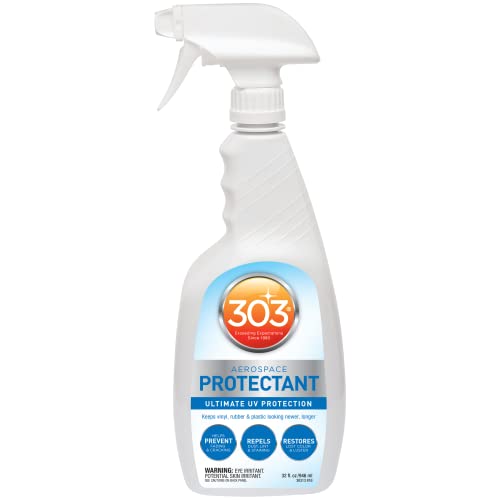
303 Aerospace Protectant
Expert detailers frequently recommend 303 Aerospace Protectant as the superior vinyl protectant and interior dressing. Its formulation is water-based and often marketed as being silicone-free, although it contains specialized, non-greasy conditioning agents. It is known for providing the highest level of UV protection (often cited as SPF 40) and delivering a natural, dry-to-the-touch, OEM-matte finish. It is also highly effective as an exterior dressing for black plastic trim.
Meguiar’s Natural Shine Protectant
This is an excellent option for car owners who want a clean look without the mirror-like shine of traditional protectants. It uses water-based conditioning agents to restore a low-gloss, satin finish that looks and feels new. It is less prone to streaking and dust attraction than high-gloss competitors, making it a favorite for interior maintenance.
CarPro PERL
For advanced users and detailing professionals, CarPro PERL (Plastic, Engine, Rubber, Leather) is highly regarded for its versatility. This concentrated product can be diluted for different uses, offering varying levels of gloss and a highly durable finish on tires and exterior plastics. Its sophisticated polymer structure provides robust, long-lasting protection.
The following comparison table highlights the major performance attributes that drive the industry’s preference for alternatives:
| Feature | Armor All Original | 303 Aerospace Protectant | Meguiar’s Natural Shine |
|---|---|---|---|
| Base | Water-Based Silicone | Water-Based (Silicone-Free) | Water-Based Conditioning Agents |
| Finish | High Gloss, Greasy | OEM Matte/Satin | Natural Satin |
| UV Protection | Good | Excellent (SPF 40) | Good |
| Anti-Static (Dust) | Attracts Dust | Repels Dust | Moderate Repellence |
| Expert Rating | Fair / Good | Excellent | Very Good |
FAQs About Is Armor All Bad For Your Car?
Are Armor All Wipes Bad For Your Car?
No, Armor All wipes are not bad for your car and use the same safe, water-based formula as the spray protectants. Their primary downside is convenience over performance; they can dry out, leave streaks if not used properly, and are less cost-effective than a spray bottle and microfiber towel for larger areas.
Is Armor All Toxic to Breathe?
When used as directed in a well-ventilated area, Armor All is not considered toxic to breathe. Like most chemical products, it’s wise to ensure airflow. According to its MSDS (Material Safety Data Sheet), it does not contain carcinogens, but prolonged inhalation in a confined space should be avoided.
Does Armor All Really Protect From UV Rays?
Yes, modern Armor All protectants do contain UV inhibitors that help protect surfaces from sun damage, fading, and cracking. However, the level and longevity of this protection may be less robust than that offered by premium, dedicated UV blockers like 303 Aerospace Protectant, which are specifically designed for long-term UV stabilization.
Can You Use Armor All on a Car’s Exterior Black Plastic Trim?
Yes, you can use Armor All on exterior black plastic trim for a temporary shine and some UV protection. However, it is not very durable and will wash away quickly in rain. A dedicated trim restorer product will provide a much longer-lasting and more effective result, especially against UV degradation.
What’s the Difference Between Armor All Original and the “New Car” Scent?
The only significant difference is the added fragrance. Both products are based on the same water-based silicone emulsion formula and offer similar levels of shine and protection. The choice between them is purely a matter of scent preference, with the protective qualities remaining consistent between the two versions.
How Often Should You Apply Armor All?
For best results on an interior that sees regular sun exposure, applying Armor All every 4 to 6 weeks is a reasonable timeframe. For tires, it will need to be reapplied after every wash or significant rainfall. Over-application should be avoided to prevent a sticky, greasy buildup that attracts dust.
Does Armor All Leave a Sticky Residue?
If over-applied or not properly wiped down, Armor All can leave a greasy or sticky residue that attracts dust. The key is to apply a thin, even coat and then buff the surface with a clean, dry microfiber cloth to remove any excess product and reduce the gloss, thus solving the sticky dashboard problem.
Can Armor All Damage Tires or Cause Browning?
Modern Armor All will not damage or dry out tire rubber. However, some high-gloss, silicone-based dressings can contribute to “tire blooming,” where antioxidants in the rubber migrate to the surface, causing a brown film. Using a quality tire cleaner before applying any dressing helps prevent this common issue in rubber protectants.
Should I Stop Using Armor All?
If you are happy with the high-gloss finish and are using a modern formula correctly, there is no urgent safety reason to stop. However, if you dislike the greasy feel, dust attraction, or want a more durable, natural-looking finish with superior UV protection, you should consider switching to an alternative like 303 Protectant.
How Do You Remove Armor All Buildup?
To remove greasy Armor All buildup, use a quality all-purpose cleaner (APC) or interior detailer spray and a microfiber towel. For stubborn residue, a soft-bristled interior brush can be used to gently agitate the surface before wiping it clean. This will strip the surface back to a neutral state, allowing you to choose a new interior dressing.
Key Takeaways: Is Armor All Bad For Your Car? Summary
- The Myth is Outdated: The belief that Armor All destroys dashboards stems from its old, solvent-based formulas from decades ago. Modern products use a safe, water-based silicone emulsion that does not cause cracking.
- Finish is the Real Debate: The main legitimate criticism of modern Armor All is its performance and finish—it often leaves a greasy, high-gloss surface that can attract dust, which many detailers and enthusiasts dislike.
- UV Protection is Real but Basic: While Armor All does offer UV protection, expert-preferred alternatives like 303 Aerospace Protectant provide superior, longer-lasting protection against sun damage without the greasy side effects.
- Application Matters Greatly: To avoid a sticky mess and excessive shine, apply a thin layer of Armor All and always follow up with a clean, dry microfiber towel to buff the surface and remove excess product.
- Know Where to Use It (And Where Not To): It’s generally safe for hard plastic, vinyl, and rubber. Avoid using it on leather, clear plastics (gauge clusters), pedals, and steering wheels.
- Superior Alternatives Exist: For those seeking a non-greasy, matte/satin finish with top-tier UV protection and dust-repellent properties, products like 303 Protectant and Meguiar’s Natural Shine are the recommended choice of professionals.
Final Thoughts
The pervasive myth that is Armor All bad for your car can finally be put to rest. Scientific analysis confirms that the modern formulation is safe for your vehicle’s plastic and vinyl interior surfaces, operating via a gentle water-based silicone emulsion rather than the aggressive solvents of the past. The safety concerns, therefore, are largely rooted in history and outdated information.
Ultimately, the choice comes down to aesthetics and performance. While Armor All offers reliable protection against UV rays and improves appearance, the trade-off is often a highly glossy, sometimes greasy, finish that attracts dust—a major problem solution keyword for most car owners. If you prefer a factory-fresh, low-sheen interior that actively repels dust, you now have the data to confidently choose one of the superior alternatives favored by expert car detailer opinion. By selecting the right car detailing products and employing proper application techniques, you ensure your car’s interior remains protected, clean, and flexible for years to come.
Last update on 2026-03-03 / Affiliate links / Images from Amazon Product Advertising API


![Cozy Cottagecore Car Interior Decor: 7 Best Ideas for [year]](https://i0.wp.com/carxplorer.com/wp-content/uploads/2026/03/Cozy-Cottagecore-Car-Interior-Decor-7-Best-Ideas-for-year-1.jpg?resize=60%2C60&ssl=1 "Cozy Cottagecore Car Interior Decor: 7 Best Ideas for [year] 10")
![Aesthetic Pink Car Interior: 11 Stunning Ideas for [year]](https://i0.wp.com/carxplorer.com/wp-content/uploads/2026/03/Aesthetic-Pink-Car-Interior-11-Stunning-Ideas-for-year-1.jpg?resize=60%2C60&ssl=1 "Aesthetic Pink Car Interior: 11 Stunning Ideas for [year] 12")