
Wondering why you feel so drained and stiff after a long car ride? You’re not just imagining the post-driving fatigue; it’s a common experience with real physical and mental causes. You were just sitting, yet your body aches and your brain feels foggy.
You feel tired and stiff after a long car ride because your body and brain are under constant, low-level stress. Your muscles are isometrically contracting to keep you stable, your circulation slows from prolonged sitting, and your brain works hard to process road information and maintain focus. This combination of physical inactivity and high cognitive load leads to both physical and mental exhaustion.
Based on analysis of current physiological research and expert guidance from physical therapists, this feeling is a predictable response to the unique environment of a car. This guide will break down exactly why you feel this way. You’ll discover the actionable steps to recover quickly and prevent the discomfort on your next road trip.
Key Facts
- Dual-System Fatigue: Post-drive exhaustion isn’t just mental; it stems from both cognitive load on the brain and the continuous, low-level isometric contractions your muscles perform to stabilize your body against vibrations and turns.
- Circulation Reduction: Research indicates that sitting for more than two hours can decrease blood flow in the legs by as much as 50%, contributing to feelings of heaviness, stiffness, and swelling.
- Phantom Motion is Real: The dizzy, “still moving” sensation you might experience after exiting the car is a common phenomenon caused by your brain’s vestibular system taking time to recalibrate from constant motion back to stillness.
- Spinal Compression: Your spinal discs experience significantly more pressure when you are sitting compared to standing, which is a primary cause of the lower back pain that’s common after long drives.
- Breaks are a Medical Necessity: Taking frequent breaks to walk isn’t just for comfort; it’s a key preventative measure against serious conditions like Deep Vein Thrombosis (DVT), a type of blood clot linked to prolonged immobility.
How Do You Feel After a Long Car Ride, and Why?
After a long car ride, it’s common to feel physically tired, mentally drained, and physically stiff due to a combination of prolonged sitting, sustained concentration, and the body’s reaction to constant micro-vibrations. Your muscles work isometrically to maintain posture, which leads to fatigue without obvious exertion. At the same time, your brain experiences a high cognitive load from navigating, staying alert, and processing sensory information, causing mental exhaustion.

This experience isn’t just in your head, and it’s more than simple boredom. It’s a full-body response to an unnatural environment. The feeling is a result of three distinct stressors working together: physical strain from inactivity, mental drain from hyper-vigilance, and sensory confusion from constant motion. Your body isn’t designed to sit in a vibrating box for hours while your brain is on high alert. Understanding these factors is the first step toward feeling better both after and during your travels.
Common long car ride symptoms that you might be experiencing include:
* Physical exhaustion and a feeling of being physically drained.
* Muscle stiffness, soreness, and back pain, especially in the neck, shoulders, and lower back.
* Mental fog, difficulty concentrating, or feeling “zoned out.”
* A feeling of dizziness, being off balance, or a car motion sensation even after you’ve stopped.
* Swollen legs, ankles, or feet.
Did You Know? The experience of “zoning out” on a monotonous stretch of highway has a name: highway hypnosis. It’s a trance-like state where you are technically driving but your conscious mind is not fully engaged. This state of reduced active attention contributes significantly to feeling mentally drained upon arrival.
Why Do You Feel Physically Drained and Exhausted?
Physical exhaustion after driving stems from your muscles constantly making tiny adjustments (isometric contractions) to counteract road vibrations and turns, leading to fatigue without movement. Think of it like holding a weight steady for hours; your muscles are tensing and working, even if they aren’t moving through a full range of motion. This sustained, low-level effort burns energy and leads to a feeling of being completely drained.
This travel lethargy is amplified by two other key factors. First, prolonged sedentary behavior in a cramped position causes circulation issues. When you sit for hours, blood flow to your legs can decrease significantly, reducing the amount of oxygen and nutrients delivered to your muscles. This is why your legs might feel heavy and sluggish. Think of your leg muscles as being ‘asleep’ and needing to be woken up. This is why the first few steps out of the car can feel so difficult.
Second, dehydration is a common and often overlooked cause of fatigue. The dry, recycled air in a car’s cabin and simply forgetting to drink enough water can quickly lead to mild dehydration. Dehydration exacerbates tiredness, impairs muscle function, and can even contribute to the mental fog you experience.
Why Do You Feel Mentally Drained and Have Brain Fog?
Mental fog after a long drive is caused by high cognitive load; your brain is constantly processing information, making decisions, and staying alert, which depletes its energy reserves. Your brain’s short-term memory is like a computer’s RAM; driving, especially in traffic or unfamiliar areas, uses up a lot of it, making everything feel slower afterward. You are constantly scanning for hazards, monitoring your speed, navigating, and predicting the actions of other drivers. This sustained mental effort consumes a large amount of glucose, your brain’s primary fuel.
This mental drain is often compounded by a phenomenon known as highway hypnosis. During long, monotonous stretches of driving, your brain can enter an almost trance-like state of reduced awareness.
Highway Hypnosis: A mental state in which a person can drive a vehicle for great distances, responding to external events in the expected, safe, and correct manner with no recollection of having consciously done so.
Ever arrive at your destination and barely remember the last 20 miles? That’s a classic sign of highway hypnosis. While it might seem like your brain is resting, this state of passive attention can actually add to the feeling of being mentally drained and disoriented when you finally have to snap back to full alertness.
Why Do You Feel Stiff, Sore, and Have Back Pain?
Stiffness and back pain after a long car ride are primarily caused by poor posture and spinal compression. When you are sitting, the “squashing effect” on the cushions between your vertebrae is significantly greater than when you are standing. Holding this static, often slumped, position puts continuous strain on the muscles and ligaments in your back, neck, and shoulders, leading to soreness and stiffness.
The design of many car seats can worsen these issues if not adjusted properly for your body’s ergonomics. Here are the most common pain points and their causes:
* Lower Back Pain: This is the most frequent complaint. It’s caused by a lack of proper lumbar support for your lower back’s natural curve and the spinal compression from sitting. Physical therapist tips often note that the sciatic nerve can become irritated from prolonged sitting, leading to pain radiating down the leg.
* Neck and Shoulders: A “forward head posture”—where your head juts out in front of your shoulders—is common while driving. This puts immense strain on your neck muscles and can lead to stiffness and tension headaches. Right now, as you’re sitting, is your head in front of your shoulders? This is the posture that gets amplified in the car.
* Hips and Legs: Sitting for long periods shortens your hip flexor muscles and can put pressure on the backs of your thighs, sometimes leading to numbness or that “pins and needles” feeling. The constant pressure of the pedals on your feet can also contribute to foot and ankle soreness.
Why Do I Feel Like I’m Still Moving After Driving?
That phantom feeling of still being in the car happens because your brain’s balance system (the vestibular system) got used to the motion. When you stop, your eyes tell your brain you’re still, but your inner ear is taking a moment to catch up and stop signaling “motion.” This sensory conflict theory explains the illusion that you’re still moving, rocking, or swaying.
Ever get out of the car and feel like you’re still gently rocking on the open road? You’re experiencing a common and normal phenomenon, sometimes called “disembarkment sickness” or known medically as a mild form of Mal de Débarquement Syndrome [sickness of disembarkment]. Your vestibular system, the body’s internal balance center located in your inner ear, is incredibly adaptive. During the drive, it gets used to the constant forward momentum and micro-vibrations, accepting them as the new normal.
When you suddenly stop and get out onto solid ground, your senses get confused. Your eyes and the nerves in your feet (proprioception) are telling your brain, “We are stationary!” But your recently adapted vestibular system is still sending faint “We are moving!” signals. This mismatch is what causes dizziness and that strange, unsettling feeling of being off-balance. For most people, this recalibration takes time—usually just a few minutes to an hour—as the brain syncs all sensory inputs back to “stillness.”
What Are The Best Ways to Recover After a Long Drive?
The best way to recover after a long drive is to immediately rehydrate with water, perform gentle stretches focusing on your legs and back, and take a short 5-10 minute walk to boost circulation. This multi-step approach addresses the primary issues of dehydration, muscle stiffness, and stagnant blood flow, helping you feel better much faster. A light, nutritious meal can also help restore your depleted energy levels.
Here is a simple, five-step recovery plan to follow the moment you arrive at your destination.
- Rehydrate and Refuel
Dehydration is a major contributor to both physical andmental fog. Start by drinking a large glass of water. Walking helps counteract thecirculation issueswe discussed earlier by activating the muscle pumps in your legs.Pro Tip: For an extra boost, add a pinch of salt and a squeeze of lemon to your water. This helps replenish electrolytes lost during the drive, aiding hydration and muscle function.
- Move and Walk
Resist the urge to collapse onto a couch immediately. The most important first step is to get your blood moving again. Take a gentle 10-15 minute walk. This stimulates blood flow throughout your body, especially in your legs, helping to reduce swelling and clear out metabolic waste that built up in your muscles. Perform Key Stretches
After your short walk, perform a few targeted stretches to alleviate thepostural stressyour body endured. Focus on the areas that get tightest during a drive. Hold each stretch for 20-30 seconds without bouncing. Key stretches include:- Hamstring Stretch: While standing, place one heel on a low step or curb and gently lean forward until you feel a stretch in the back of your thigh.
- Cat-Cow for Back: Get on your hands and knees. Inhale as you drop your belly and look up (Cow). Exhale as you round your spine and tuck your chin (Cat).
- Hip Flexor Lunge: Kneel on one knee and place the other foot forward. Gently push your hips forward to feel a stretch in the front of your hip.
- Eat a Light, Nutritious Meal
Your brain and muscles have burned through energy reserves. Replenish them with a meal rich in protein and complex carbohydrates, not heavy fats or simple sugars which can cause a crash. Think grilled chicken with vegetables and quinoa, not a greasy burger and fries. Recalibrate Your Senses
If you feel dizzy oroff balance, take a moment to perform a “grounding” exercise. Find a stable spot, either sitting or standing, and focus your gaze on a fixed point on the horizon. This helps yourvestibular systemreset and sync up with what your eyes are seeing, quickly reducing thephantom car motion sensation.
How Can You Prevent Feeling Bad on Your Next Road Trip?
To prevent feeling bad after a long drive, focus on proactive setup and in-car habits. This involves adjusting your seat for proper ergonomic support, planning to stop for a 15-minute walk every two hours, staying consistently hydrated throughout the drive, and performing simple in-seat stretches like shoulder rolls and ankle circles. Ergonomics prevents pain, and frequent breaks are the best way to reduce fatigue.
To avoid the spinal compression and fatigue we discussed, proper preparation is crucial. Here are expert-recommended strategies to implement on your next road trip:
* Optimize Your Seat for Ergonomics: Before you even start the engine, set yourself up for success. According to certified ergonomist recommendations, you should adjust your seat so your knees are slightly lower than your hips. Your back should be firmly against the seatback with lumbar support filling the curve of your lower back. You should be able to comfortably reach the pedals without stretching.
* Plan Frequent Stops: Do not try to be a hero and drive for hours on end. The best rule of thumb is to take a 10-15 minute break for every 2 hours of driving. Get out of the car, walk around, and do a few of the key stretches mentioned earlier. This is non-negotiable for maintaining good circulation.
* Stay Ahead of Dehydration: Don’t wait until you feel thirsty to drink. Keep a water bottle in a cup holder and sip from it consistently throughout the trip. Staying hydrated is essential for keeping your muscles supple and your mind sharp.
* Perform In-Seat “Micro-Stretches”: You can keep blood flowing even while driving. At a red light or during a safe, straight stretch of road, perform simple movements like shrugging your shoulders up to your ears and releasing, rolling your ankles in circles, or gently tucking your chin to your chest to stretch your neck.
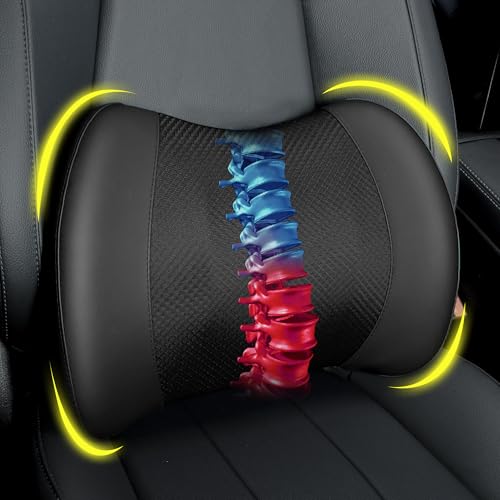
For those who suffer from chronic lower back pain on drives, investing in proper support can be a game-changer. A high-quality lumbar support pillow can make a significant difference in maintaining correct posture and reducing strain.
By being proactive rather than reactive, you can turn a draining experience into a comfortable journey.
FAQs About how you feel after a long car ride
Why do my legs and feet swell after a long drive?
Leg and feet swelling after a long drive is usually caused by fluid pooling due to inactivity. When you sit for prolonged periods, the muscles that help pump blood and fluid back up to your heart aren’t being used. This causes fluid to accumulate in your lower extremities, a condition known as dependent edema. To reduce it, it’s critical to take walking breaks and perform ankle circles while seated.
Can a long car ride trigger a panic attack?
Yes, for some individuals, a long car ride can be a trigger for panic attacks. This can be due to feelings of being trapped (claustrophobia), the high-stress environment of highway driving, or the physical symptoms of driver fatigue (like a racing heart) being misinterpreted by the brain as a sign of danger. Practicing calming breathing techniques and taking breaks in open, relaxing spaces can help manage this anxiety.
Is it better to be a driver or a passenger on a long trip?
Both have pros and cons, but passengers often have it slightly better for physical stiffness. Passengers can move more freely, change positions, and sleep. However, they may be more susceptible to motion sickness. Drivers experience higher cognitive load and postural stress but are less likely to feel nauseous because being in control and focusing on the road helps their vestibular system align sensory inputs.
How long should I rest after a 10-hour drive?
After a 10-hour drive, a full evening of rest is highly recommended before any strenuous activity. This includes at least 30-60 minutes of light movement like walking and stretching upon arrival. Follow this with a nutritious meal and aim for a full night’s sleep (7-9 hours). Your body needs this time to recover from both the physical and mental strain of the journey.
What is the crossword clue answer for “how you might feel after a long car ride”?
The most common crossword clue answer for “how you might feel after a long car ride” is the 5-letter word “SORE”. This clue frequently appears in puzzles like the NYT Mini Crossword and others. While “TIRED” is also a possible feeling, “SORE” is the typical solution that fits the letter count and common phrasing in popular crosswords.
Can driving cause dangerous blood clots?
Yes, prolonged sitting during a long drive is a known risk factor for Deep Vein Thrombosis (DVT), which is a dangerous type of blood clot. While the overall risk is low for most healthy individuals, it increases significantly with longer periods of immobility. The lack of movement slows blood flow in the legs, allowing clots to form. This is why it is critically important to stop every 1-2 hours to walk around.
Why do I feel nauseous after a car ride, even if I wasn’t sick during it?
Post-ride nausea is a form of delayed motion sickness caused by sensory recalibration. During the ride, your brain was actively managing the conflict between your eyes seeing a stationary interior and your inner ear feeling motion. After you stop, the abrupt end of that motion can cause a final wave of disorientation and nausea as your vestibular system struggles to readjust to being stationary.
Do you burn calories while driving a long distance?
Yes, you do burn calories while driving, but it is not a significant amount. The process of sitting upright, maintaining focus, making small steering corrections, and operating the pedals burns more calories than simply resting. Research indicates that driving burns roughly 100-130 calories per hour. However, the primary health concern with long drives is the harm of sedentary behavior, not the low calorie burn.
How can I stop feeling off-balance after a long drive?
To stop feeling off-balance, you need to help your vestibular system recalibrate with “grounding” activities. Immediately after exiting the car, stand on a solid, stable surface and fix your gaze on a distant, non-moving object like a tree or building. Taking a short walk, paying close attention to the sensation of your feet on the firm ground, provides clear, stable signals to your brain, helping it to quickly resolve the sensory conflict.
What are the best foods to eat after a long road trip?
The best foods to eat after a long road trip are those that rehydrate and provide clean energy without being heavy. Focus on a balanced meal with lean protein (like chicken or fish), complex carbohydrates (like quinoa or sweet potatoes), and plenty of vegetables. Also, include potassium-rich foods like bananas or avocados to help replenish electrolytes. Avoid heavy, greasy, or sugary foods, which can make you feel more sluggish.
Final Thoughts on Your Post-Drive Recovery
Feeling worn out, stiff, and foggy after a long drive is a shared human experience rooted in real physiology. It’s your body’s logical reaction to being physically inactive while mentally on high alert. The key is to recognize that while these feelings are normal, they are not unavoidable.
By understanding the causes—from isometric contraction and spinal compression to cognitive load and vestibular system recalibration—you can move from being a passive victim of road trip fatigue to an active manager of your own comfort. The strategies outlined here are not just tips; they are targeted solutions to specific physiological problems.
Empower yourself on your next journey. Optimize your seat’s ergonomics, plan your breaks as a non-negotiable part of your schedule, hydrate consistently, and perform those crucial recovery steps the moment you arrive. Your body and mind will thank you, turning the prospect of a long drive from a dreaded chore into a comfortable and enjoyable adventure.
Last update on 2026-03-06 / Affiliate links / Images from Amazon Product Advertising API


