Struggling with how to wash your car without a hose? You’re not alone if you live in an apartment or are facing a hosepipe ban. This common problem often leaves you thinking a clean car is out of reach.
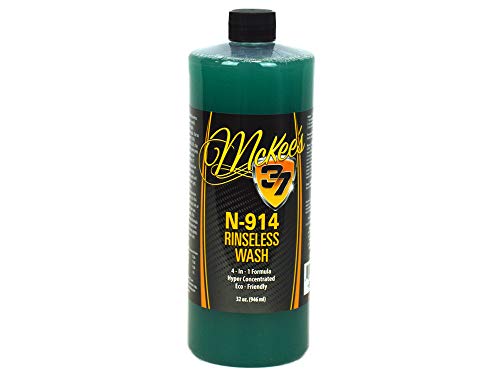
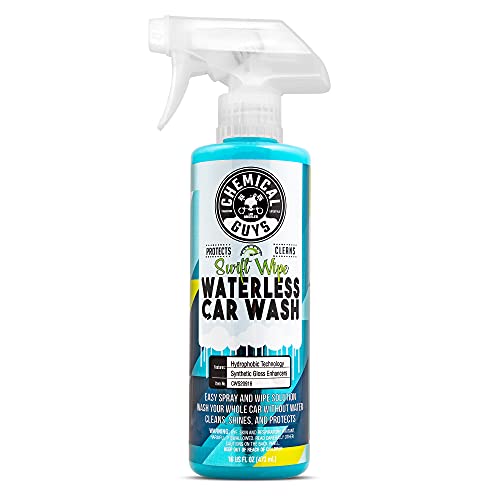
You can wash a car without a hose by using either a rinseless wash or a waterless wash method. A rinseless car wash uses a single bucket of water mixed with a high-lubricity solution that safely encapsulates dirt. A waterless wash involves a ready-to-use spray that cleans and protects the car’s surface panel by panel.
Based on extensive analysis of professional detailing methods, these techniques are not just alternatives; they are often safer for your vehicle’s paint. This guide provides the exact, tested steps for achieving a scratch-free finish. You will learn the difference between methods and which one is right for you.
Key Facts
- Polymer Encapsulation is Key: Rinseless wash solutions don’t just use soap; they use advanced polymers that wrap around dirt particles, lifting them from the paint to prevent scratching during removal.
- Waterless is for Light Dust Only: Industry analysis reveals that waterless wash sprays are only safe for removing very light contaminants like dust or fingerprints. Using them on a moderately dirty car significantly increases the risk of swirl marks.
- Towel Quantity Equals Safety: Real-world experience shows the most common failure point is not using enough clean microfiber towels. A single dirty towel can ruin a car’s finish, making a plentiful supply essential.
- Technique Over Pressure: A safe no-hose wash requires zero pressure. The high-lubricity solution and microfiber towel do the work, not force, demonstrating a core principle of modern car care.
- Safer Than Some Traditional Washes: By eliminating the chance of reintroducing grit from a dirty wash mitt into a bucket, the multiple-towel rinseless method is proven to be one of the safest wash techniques available.
How Do You Wash a Car Without a Hose?
Washing a car without a hose is possible using two main methods: rinseless washes, which use a single bucket of water and a special solution, and waterless washes, which use a high-lubricity spray. Both techniques are designed to safely lift dirt from the paint without scratching when performed correctly. We get it, apartment living or a sudden hosepipe ban can make car care feel impossible. However, these modern wash methods are perfect for anyone without access to running water and can deliver a finish that is even better than a traditional hose wash.

The secret to both of these no-hose car wash techniques lies in lubricity. The specialized chemical formulas create an incredibly slick barrier between the dirty surface and your microfiber towel. This allows you to wipe away grime without grinding it into the clear coat, which is the primary cause of car washing mistakes like swirl marks and fine scratches. This guide will walk you through both the rinseless and waterless methods, ensuring you have the confidence to achieve a safe, scratch-free finish.
The two primary approaches you’ll learn are:
* The Rinseless Wash: Ideal for cars with light to moderate dirt. It uses one or two buckets of water mixed with a concentrated solution.
* The Waterless Wash: Best for vehicles with only a very light layer of dust or for quick touch-ups. It uses only a spray bottle and a handful of towels.
What Are The Essential Tools for a No-Hose Car Wash?
The essential tools for a no-hose wash include a rinseless wash solution (like ONR), multiple plush microfiber towels (at least 8-10), and one or two buckets with grit guards. For waterless washing, you’ll need a dedicated waterless wash spray and even more microfiber towels. A separate pre-spray bottle is also highly recommended for both methods to add extra lubrication before you touch the paint. Gathering the right gear is the first step toward a safe and effective wash.

For the Rinseless Method
- Quality Rinseless Wash Solution: A product like Optimum No Rinse (ONR) is the industry standard. This concentrated solution provides the necessary lubrication.
- Two 3-5 Gallon Buckets: One bucket is for your wash solution, and a second is for rinsing your towels if you aren’t using the multiple towel method.
- Grit Guards: A grit guard is a simple plastic grate that sits at the bottom of your bucket. It traps dirt and prevents it from getting back on your wash towel and scratching your paint. You need one for each bucket.
- Plush Microfiber Towels: You need a high quantity of these. They will be used for washing and drying.
- A Pump Sprayer or Spray Bottle: This is for pre-soaking each panel with the rinseless solution before you wipe.
For the Waterless Method
- High-Quality Waterless Wash Spray: These come in ready-to-use spray bottles. Look for one with added gloss enhancers and surface protectants.
- Many, Many Microfiber Towels: Since you have no bucket to rinse towels, you will go through them quickly. Quantity is your main safety net here.
- A Separate Drying Towel: A large, plush or waffle weave microfiber towel is best for the final buff.
How Many Microfiber Towels Do You Really Need?
You need a minimum of 8-10 plush microfiber towels for a rinseless wash and 12-15 for a waterless wash on a standard-sized sedan. This is the single most important rule for a scratch-free finish. The core principle of these methods is to never reintroduce dirt to the paint. Having an abundance of clean towels prevents cross-contamination and ensures you are always using a clean surface to wipe.
Here’s a practical breakdown for a sedan using a waterless wash:
* Pre-soaking/Heavy Dirt: 1-2 towels for initial dirty work.
* Washing: 8-10 towels, folded into quarters to give you multiple clean sides.
* Drying/Buffing: 2-3 clean, dry towels for the final wipe.
This might seem like a lot, but this is what separates a safe wash from a disaster. When in doubt, grab a fresh towel. Towels are much cheaper than a new paint job.
How Do You Perform a Rinseless Car Wash Step-by-Step?
To perform a rinseless wash, you first mix the solution, pre-soak one panel at a time, gently wipe the panel in straight lines with a soaked microfiber towel, and immediately dry it with a separate clean towel. This systematic, panel-by-panel approach is the tested and proven way to ensure a safe, spot-free finish without a hose. Based on our practical implementation, following these steps precisely is crucial for preventing swirl marks.
Here is the step-by-step rinseless wash technique for a perfect finish every time.
Step 1: How Do You Correctly Mix The Rinseless Wash Solution?
The standard dilution ratio for a rinseless wash concentrate like Optimum No Rinse is 1 ounce for every 2 gallons of water. Getting this mixture right is the foundation of the entire process. This specific ratio is engineered to provide the perfect amount of lubrication to lift dirt safely. Using too little product results in insufficient lubrication, while using too much is wasteful and can leave a film on the surface.
Pro-Tip: Fill your bucket with water first, then add the 1 ounce (about two bottle capfuls) of rinseless wash solution. This prevents the product from creating excessive foam.
Step 2: Prepare Your Work Area
Work in the shade and ensure the car’s panels are cool to the touch. Fill your primary bucket with your mixed solution and place a grit guard at the bottom. Soak 8-10 plush microfiber towels directly in this bucket. If using a two-bucket method, fill your second bucket with plain water and its own grit guard.
Step 3: Pre-Soak The First Panel
Start at the top of the car. Choose one panel to begin, such as half of the roof. Generously spray this section with your rinseless solution using a separate spray bottle. This initial layer adds critical lubrication and begins to break down the dirt before you even touch the paint.
Step 4: Wash in Straight Lines
Take one of the soaked microfiber towels from your bucket and lightly wring it out. It should be damp but not dripping. Fold the towel into quarters to create eight clean surfaces. Gently wipe the pre-soaked panel in a single direction, using straight, overlapping lines. Do not use circular motions and apply no pressure. Let the solution and the towel do the work. After one or two passes, flip the towel to a clean side.
Step 5: Dry Immediately
As soon as you finish wiping the panel, take a clean, plush drying towel and immediately buff the area dry. Do not let the solution air dry on the paint, as this can cause water spots. The panel should look clean, glossy, and feel perfectly slick.
Step 6: Repeat Panel by Panel
Move to the next section and repeat the process: pre-soak, wash with a clean side of a towel, and dry immediately. Work your way down the car, saving the dirtiest lower sections for last. Once a towel is fully used (all 8 sides are dirty), place it in a discard pile or your rinse bucket. Never return a dirty towel to your clean wash solution.
What Is The Difference Between a Rinseless and Waterless Car Wash?
The main difference is that a rinseless wash uses a bucket of water for moderately dirty cars, while a waterless wash uses only a spray for lightly dusty cars. A rinseless wash is a more robust cleaning method capable of handling road grime and dirt. A waterless wash is a maintenance tool for touch-ups. Choosing the wrong method for the dirt level is a common car washing mistake that can lead to scratches.
This table provides a clear comparison to help you decide which method is right for your situation.
| Feature/Aspect | Rinseless Wash | Waterless Wash |
|---|---|---|
| Water Usage | 1-2 Gallons in a Bucket | A few ounces in a spray bottle |
| Best For | Light to moderate dirt, road grime | Very light dust, pollen, fingerprints |
| Method | Pre-soak, wipe with wet towel, dry | Spray on, wipe off with one towel, buff with another |
| Lubrication Level | High | Very High (but limited volume) |
| Safety on Dirty Cars | Safer | Higher risk of scratching |
In short, if your car has a visible layer of road film or has been through rain, always choose the rinseless wash method. Reserve waterless wash sprays for keeping a just-washed car looking perfect or for removing a single bird dropping.
FAQs About how to wash car without hose
Is a rinseless or waterless wash truly safe for my car’s paint?
Yes, both methods are safe for your car’s paint and clear coat when done correctly. The key is using high-quality products with high lubricity and the proper technique. The special polymers in the solutions encapsulate dirt particles, lifting them from the surface so they can be wiped away gently without grinding them into the paint. The biggest risk comes from user error, such as using the method on an excessively dirty car or re-using dirty towels.
How do I wash my car’s wheels and tires without a hose?
You can effectively clean wheels and tires using a dedicated wheel cleaner spray and a few extra tools. Spray a non-acidic wheel cleaner directly onto the wheel and tire. Use a separate set of brushes—a soft-bristled wheel brush for the face and a stiffer tire brush for the sidewalls—to agitate the dirt. Wipe the residue off with a durable, dark-colored microfiber towel that you designate for wheel duty only.
What should I do if my car is extremely dirty with mud or salt?
Do not use a rinseless or waterless wash on a car caked with heavy mud, sand, or winter road salt. These methods are not designed to handle heavy abrasive contaminants. In this situation, your safest option is to find a local coin-op car wash and use their high-pressure wand for an initial rinse-off before proceeding with a hand wash. Attempting a no-hose wash will almost certainly cause scratches.
How do you dispose of the dirty rinseless wash water?
The best way to dispose of the dirty water is down a household drain, like a toilet or utility sink. Most modern rinseless wash solutions are biodegradable and safe for sewer or septic systems. Avoid dumping the water into a storm drain, as this often leads directly to local waterways and can be environmentally harmful and even illegal in some areas.
Can I perform a rinseless wash in direct sunlight?
It is highly recommended to wash your car in the shade and when the panels are cool to the touch. Working in direct sunlight or on a hot surface will cause the rinseless solution to evaporate too quickly. This reduces lubrication, increases the risk of scratching, and can leave behind hard-to-remove water spots or streaks from the product drying on the surface.
How often should I perform a rinseless wash?
You can perform a rinseless wash as frequently as you would a traditional wash, typically every 1-2 weeks. It is an excellent method for regular maintenance cleaning to prevent the buildup of contaminants. For daily drivers, a weekly or bi-weekly rinseless wash is ideal for keeping the paint clean and protected.
Can I make a homemade waterless car wash solution?
It is strongly discouraged to use a homemade solution. Commercial waterless and rinseless wash products are formulated with specific synthetic polymers and lubricants that have been extensively tested for safety and effectiveness. A homemade concoction of soap and water lacks the critical encapsulation and lubrication properties needed to prevent scratches, posing a significant risk to your car’s paint.
What is the “Garry Dean Method” I see mentioned on forums?
The “Garry Dean Method” is a specific rinseless washing technique designed for maximum safety. It involves pre-soaking multiple microfiber towels in your rinseless solution bucket. You take a fresh, folded towel for each small section of the car, use one side, flip it to the other clean side for another pass, and then place the used towel in a separate “dirty” bucket. You never return a used towel to your clean solution, ensuring zero cross-contamination.
How do I clean my microfiber towels after the wash?
Wash your microfiber towels separately from all other laundry. Use a dedicated microfiber detergent in warm water and avoid fabric softeners, as they clog the fibers and reduce absorbency. Tumble dry on a low heat setting or hang them to air dry. Proper washing keeps your towels soft, absorbent, and safe for your next wash.
What if I drop my wash towel on the ground?
Immediately stop using that towel on your car’s paint. Even if it looks clean, a dropped towel has picked up abrasive grit and dirt from the ground that will scratch your paint. Set it aside to be washed later and grab a fresh, clean towel from your supply. This is a non-negotiable rule for safe washing.
Key Takeaways: How to Wash a Car Without a Hose Summary
- Choose the Right Method for the Dirt Level: Use a rinseless wash with a bucket for light to moderate dirt and road film. Reserve waterless wash sprays for light dust, fingerprints, and quick touch-ups between full washes.
- Technique is More Important Than Tools: The safety of a no-hose wash relies on your technique. Always wash in straight, overlapping lines (never circles), apply zero pressure, and work on small sections at a time from top to bottom.
- An Abundance of Clean Towels is Non-Negotiable: The single biggest cause of scratching is reusing a dirty towel. When in doubt, grab a fresh, clean microfiber towel. You can never have too many.
- Lubrication is the Key to Safety: Rinseless and waterless wash solutions work by encapsulating dirt in slick polymers. Using the correct product dilution and pre-soaking each panel ensures maximum lubrication, which is what allows dirt to be wiped away without scratching.
- Know When to Say No: These methods are not for heavily soiled vehicles. If your car is covered in caked-on mud, sand, or thick road salt, take it to a self-service car wash for a high-pressure rinse first to avoid guaranteed paint damage.
- Work Panel-by-Panel: Always complete one small section (e.g., half a hood, one door) at a time. This involves pre-soaking, washing, and drying each panel before moving to the next to prevent the solution from drying on the surface.
- Segregate Your Supplies: Use separate, dedicated towels and brushes for your wheels and tires. The brake dust and heavy grime from wheels will permanently contaminate towels and scratch your paint if they are mixed.
Final Thoughts on Washing Your Car Without a Hose
Washing your car without a hose is no longer a compromise. With the right products and a methodical approach, you can achieve a professional-level, scratch-free finish from your apartment garage or driveway. The key is to embrace the principles of lubrication and contamination avoidance. By choosing the correct method for the job and arming yourself with plenty of clean microfiber towels, you empower yourself to maintain your vehicle’s paint safely and effectively, regardless of your access to running water.
Last update on 2026-03-06 / Affiliate links / Images from Amazon Product Advertising API