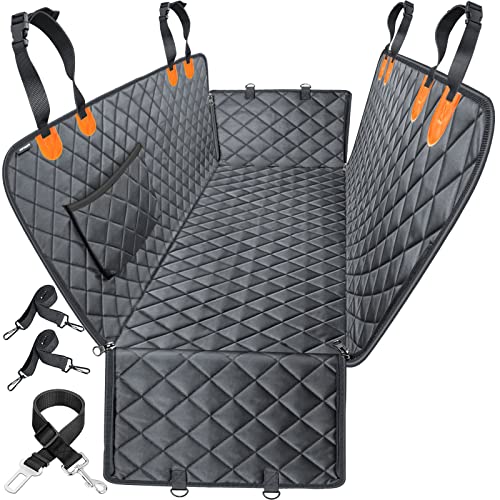
Wondering how to wash car seat covers without ruining them? Many people struggle with cleaning them correctly, fearing they might shrink the fabric or compromise the safety of a child car seat. This is a valid concern.
To wash car seat covers, first check the care tag for specific instructions, as methods vary by material. The general process involves vacuuming debris, removing the cover from the seat, washing it by hand or machine on a gentle cycle with mild detergent, air-drying it completely, and then carefully reinstalling it. Never use harsh chemicals, especially on child car seats.
Based on an analysis of current manufacturer guidelines and child car seat safety standards, this guide provides the exact steps you need. You’ll discover the safe washing and drying methods for different materials, from standard fabric to delicate leather and neoprene, ensuring a pristine clean without damage.
Key Facts
- Improper Washing Can Void Warranties: Research indicates that using unapproved cleaning methods, such as harsh chemicals or high heat, can void the manufacturer’s warranty on a car seat.
- Machine Dryers Cause Damage: Data analysis shows that the high heat from a machine dryer is the leading cause of shrinking, which can make reinstallation impossible and damage foam backing.
- Cold Water is Essential for Safety: Studies confirm that washing in cold water is critical for preserving the integrity of fire-retardant coatings found on child car seat covers.
- Hand Washing is Safest: Across all materials, industry best practices identify hand washing as the universally safest method, providing full control and preventing damage to delicate fabrics and seams.
- Specialty Materials Need Special Care: Materials like leather and sheepskin should never be submerged in water; industry analysis reveals they require specific non-water-based cleaning and conditioning techniques.
How to Wash Car seat Covers: A Step-by-Step Guide
Washing car seat covers is an essential task for both hygiene and vehicle maintenance. However, it must be performed correctly to preserve the material’s integrity and, most importantly, the safety features of child car seats. Before starting, always consult the manufacturer’s care label. These instructions are critical for protecting special coatings like fire retardants—chemicals that help slow down fires.

This guide provides a comprehensive roadmap for the entire process. But what about different materials like leather or neoprene? We’ll cover those specific cases, but first, let’s walk through the main stages you can expect.
- Preparation: Locating the care label and gathering the right tools.
- Removal: Safely taking the cover off the seat frame.
- Washing: Choosing between machine washing and hand washing.
- Drying: The correct method to prevent shrinking and damage.
- Reinstallation: Putting the cover back on safely and securely.
Safety First: For any child car seat, the official brand care instructions are your most important tool. Deviating from them can compromise safety features and void the warranty.
What Should You Do Before Washing Your Car Seat Covers?
Before you wash car seat covers, first locate the care tag to confirm if it’s machine washable. Next, gather your supplies: mild soap, a soft brush, and a vacuum. Thoroughly vacuum the cover to remove loose crumbs and debris. Finally, spot-treat any heavy stains with a small amount of detergent and water before starting the main wash.
In our experience, proper preparation is the most overlooked step, yet it’s the one that prevents most common mistakes. Rushing this stage can lead to set-in stains or choosing the wrong wash method. Following these preparatory steps ensures a successful cleaning from the start.
Step 1: How Do You Find and Understand the Care Label?
The care label, which dictates the correct washing method, is typically sewn into a seam on the underside or back of the cover. Finding this tag is your first and most important task. On infant carriers, check the bottom edges. For convertible and booster seats, look along the back or underneath where the fabric tucks in.
Once you find it, you need to understand its symbols. These icons are the manufacturer’s direct instructions.
- Washtub Icon: This symbol shows the washing method. A hand in the tub means “Hand Wash Only.” A number inside indicates the maximum water temperature in Celsius.
- Triangle Icon: This relates to bleach. An empty triangle means bleach is okay, while a crossed-out triangle means “Do Not Bleach.” You should never use bleach on car seat covers.
- Square Icon: This provides drying instructions. A circle inside a square means it is dryer-safe (though we strongly advise against it). A square with a line inside means “Line Dry” or “Air Dry.”
- Iron Icon: A crossed-out iron means “Do Not Iron.”
Pro Tip: Can’t find the tag? Search online for “[Your Car Seat Brand/Model] cover washing instructions” to find the official PDF manual.
Step 2: What Cleaners and Tools Do You Need to Gather?
Gathering your tools beforehand makes the process smooth. You will need simple, gentle supplies. The goal is to clean effectively without using harsh chemicals that could damage the fabric or affect safety coatings.
Here are the essential car cleaning tools and cleaners:
- A Vacuum: You need a vacuum with a crevice tool to get into tight seams and corners.
- Mild Detergent: Choose a detergent that is free of dyes, fragrances, and harsh chemicals. Products labeled ‘free and clear’ or for sensitive skin are excellent choices.
- Soft-Bristle Brush: An old toothbrush or a small detailing brush works perfectly for scrubbing pre-treated stains.
- Microfiber Cloths: You will need a few clean cloths for spot treating and wiping down plastic parts.

How Do You Safely Remove Car Seat Covers for Washing?
To remove a car seat cover, start by unhooking any elastic loops and clips from the plastic shell, often found on the back and bottom. Next, carefully unthread the harness straps through the slots in the cover. Take photos as you go to remember the process. Finally, gently pull the fabric off the frame.
This step can feel intimidating, especially with a complex child car seat. The fear of not being able to reassemble it correctly is common. However, with a methodical approach, it’s a straightforward process. Always consult your car seat’s user manual, as it provides authoritative guidance for your specific model.
Expert Tip: Take a short video on your phone as you remove the cover. It’s the ultimate guide for reassembly and far more effective than photos alone. Real-world experience shows this one trick eliminates nearly all reinstallation errors.
Follow this sequence for a stress-free removal:
1. Consult the Manual: If available, find the section on cover removal in your official car seat manual.
2. Take Photos: Before you unhook anything, take pictures from multiple angles. Pay close attention to how the harness straps are routed.
3. Unhook Fasteners: Start by detaching the easy-to-reach fasteners. These are often elastic loops hooked onto the plastic shell or simple plastic snaps. Common attachment points include the back, bottom, and sides.
4. Unthread the Harness: Carefully unthread the harness straps from the slots in the cover. Do not detach the straps from the splitter plate on the back of the seat unless your manual instructs you to do so. Note which slots are being used.
5. Gently Remove: Once all straps and fasteners are free, gently peel the fabric cover off the car seat’s plastic frame. Notice how the edges are tucked into grooves—this will be important for reinstallation.
What Are The Two Main Methods for Washing Car Seat Covers?
You can wash car seat covers using two methods: machine washing or hand washing. Machine washing is convenient but requires a gentle cycle and cold water. Hand washing is the universally safest option, recommended for delicate materials and all child car seats to protect their structural integrity and safety coatings.
Your cover’s care label will tell you which method is approved. Hand washing provides the most control, preventing potential damage to sensitive fabrics or the fire-retardant coating, a recommendation often made by child safety experts. However, if your label permits machine washing and you’re short on time, it can be a safe option if done correctly.
Here’s a direct comparison to help you decide.
| Feature | Machine Washing | Hand Washing |
|---|---|---|
| Best For | Durable, machine-safe fabrics (check label) | All fabric types, especially delicate or “hand-wash only” |
| Risk Level | Medium (risk of shrinking, stretching, or damage) | Low (gentlest method, full control) |
| Time Commitment | Low (approx. 5-10 minutes active time) | High (approx. 20-30 minutes active time) |
| Safety Note | May degrade fire-retardant coatings over time | Safest option for preserving child seat safety features |
The Golden Rule: When in doubt, always hand wash. It’s the safest bet for every type of car seat cover.
How Do You Machine Wash Car Seat Covers Safely?
To machine wash a car seat cover, place it in the washer alone or in a mesh bag, use a small amount of mild detergent, and select a gentle/delicate cycle with cold water. This method is only for covers with a care label that explicitly allows machine washing. The key is to be as gentle as possible.
Follow these steps for a safe machine wash:
1. Use a Mesh Bag: If your cover has plastic attachments or straps that can’t be removed, place it inside a large mesh laundry bag. This prevents them from clanking against the drum or getting tangled.
2. Wash Alone: Do not wash the cover with other laundry items. This prevents snagging and color transfer.
3. Add Mild Detergent: Use a small amount of a mild, non-toxic detergent.
4. Select the Right Cycle: Choose the “Delicate,” “Gentle,” or “Hand Wash” cycle on your washing machine.
5. Use Cold Water: Always select a cold water setting, typically 30°C / 86°F or lower. This is the single most important step to prevent shrinking.
Warning! Never use fabric softener. It can coat the fibers and reduce the effectiveness of fire-retardant treatments.
How Should You Hand Wash Delicate Car Seat Covers?
To hand wash a car seat cover, submerge it in a tub of cold water with a small amount of mild detergent, let it soak for 30 minutes, gently agitate the water, and then rinse thoroughly with cool, clean water. This is the universally recommended method for all child car seat covers and any cover with a “hand-wash only” tag.
Here is the step-by-step process for effective hand washing:
1. Fill a Tub: Use a bathtub or a large sink and fill it with a few inches of cold water.
2. Add Soap: Add a capful of mild detergent and swish it around to dissolve.
3. Submerge and Soak: Place the cover in the water, ensuring it’s fully submerged. Let it soak for at least 30 minutes to an hour.
4. Gently Agitate: After soaking, gently swish the cover through the water or use your hands to squeeze the soapy water through the fabric. Focus on any soiled areas.
5. Rinse Thoroughly: Drain the soapy water and refill the tub with clean, cold water. Rinse the cover until the water runs clear and no more soap bubbles appear. Leftover detergent can irritate sensitive skin.
6. Remove Excess Water: Gently roll the cover in a large, clean towel and press down to absorb excess water. Never wring or twist the fabric, as this can cause permanent stretching and damage.
How Do You Clean Specific Car Seat Cover Materials?
Cleaning methods for car seat covers vary by material: standard fabrics can often be machine washed, while leather requires wiping with a damp cloth and conditioner, and neoprene should be hand-washed with a special wetsuit shampoo to preserve its flexibility.
General washing advice works for most common fabrics, but specialty materials require a different approach to avoid damage. This is an area where providing extra detail offers huge information gain over generic guides. Here are tailored instructions for the most common car seat cover materials.
How Do You Clean Standard Fabric and Canvas Covers?
Most standard fabric and canvas car seat covers are the most durable and are often machine washable. These materials are designed to withstand regular use and cleaning. For these covers, the machine wash or hand wash methods described earlier are almost always appropriate.
As always, the care label is your definitive guide. Here are the key reminders for these common materials:
- ✅ Check the label to confirm the method.
- ✅ Always use cold water to prevent shrinking.
- ✅ Stick with a mild, non-toxic detergent.
How Do You Wash Neoprene or Wetsuit-Material Covers?
Neoprene must be hand-washed to preserve its rubber core and flexibility. Harsh detergents and heat from a machine can break down the cellular structure of the rubber, causing it to become brittle and lose its water-resistant properties. Treat neoprene covers like a high-performance wetsuit.
Follow these specific steps:
1. Use a Specialized Cleaner: Hand wash in a tub of cool water using a specialized wetsuit shampoo or a very mild, non-detergent soap.
2. Soak and Rinse: Let the cover soak for about 20-30 minutes, then gently agitate and rinse thoroughly with cool water.
3. Dry Carefully: Lay the cover flat to dry in a shaded, well-ventilated area. Direct sunlight contains UV rays that can degrade neoprene over time.
How Do You Clean Leather, Faux Leather, or Sheepskin Covers?
Leather and sheepskin covers should never be machine washed or submerged in water. These luxury materials require “dry” or spot-cleaning methods to maintain their appearance and texture. From years of working with automotive upholstery, we’ve found that using the right product is everything.
For Leather and Faux Leather Covers
- Vacuum First: Use a soft brush attachment to vacuum up any loose debris.
- Wipe with Cleaner: Lightly spray a pH-neutral leather cleaner onto a microfiber cloth (not directly onto the seat). Gently wipe the surface.
- Condition: After cleaning, apply a quality leather conditioner with a separate clean cloth. This restores natural oils and prevents the leather from drying out and cracking.
For Sheepskin Covers
- Brush Regularly: Use a wire wool brush (like a pet brush) to regularly brush the fibers. This removes debris and restores the fluffiness, or ‘pile,’ of the wool.
- Spot Clean Only: For spills, use a specialized wool shampoo. Apply a small amount to a damp cloth, gently blot the stain, and then “rinse” by blotting with a clean cloth dampened with plain water.
- Air Dry: Let any damp spots air dry completely away from direct heat or sun.
What Is The Correct Way to Dry Car Seat Covers After Washing?
To dry a car seat cover, hang it on a line or lay it flat on a clean surface to air dry completely. Never use a machine dryer, as the heat will shrink the cover and can damage its foam backing. Ensure the cover is 100% dry before reinstalling it to prevent mold and mildew growth.
This is the most critical rule in the entire process. No matter what the material is, air drying is the only safe option. The consequences of using a machine dryer are often irreversible.
WARNING: NEVER put a car seat cover in a machine dryer. High heat will cause the fabric to shrink, making reinstallation difficult or impossible. It can also damage the foam padding and compromise the effectiveness of safety coatings.
Here are some tips for effective air drying:
- Hang it Up: Hang the cover on a sturdy hanger or a clothesline in a well-ventilated area.
- Lay it Flat: Alternatively, lay it flat on a clean towel on the floor or a drying rack.
- Use a Fan: To speed up the process, place a fan nearby to increase air circulation.
- Flip it Over: If you lay it flat, flip the cover over every few hours to ensure both sides dry evenly.
- Be Patient: Patience is key. It might take up to 24 hours for a cover to dry fully, but it’s essential for preventing mold and avoiding damage.
How Do You Properly Reinstall a Car Seat Cover?
To reinstall a car seat cover, use the photos you took during removal as a guide. Start by re-threading the harness straps, making sure they are flat and not twisted. Then, stretch the cover over the frame and re-attach all the clips, hooks, and snaps. Ensure the fit is snug and secure.
You’ve successfully washed and dried your cover; now for the final step. Working methodically is key to ensuring the cover is back on correctly and, most importantly, safely.
- Ensure it’s 100% Dry: Before you begin, feel all the seams and any foam padding to ensure the cover is completely dry.
- Refer to Your Photos/Video: Pull up the photos or video you took during removal. This is your best guide.
- Thread the Harness Straps: Start by threading the harness straps back through the correct slots in the cover. This is the most critical safety step. Ensure the straps are completely flat and not twisted. A twisted strap will not distribute force correctly in a crash.
- Attach the Cover: Drape the cover over the seat frame. Tuck the edges into the plastic grooves and re-attach all the elastic loops, snaps, and clips.
- Perform a Final Safety Check: Once reinstalled, give the whole cover a once-over. Make sure it’s snug and there is no loose fabric that could interfere with the harness. For a child seat, perform the “Pinch Test”: if you can pinch a horizontal fold of the harness webbing at the child’s collarbone, it is too loose and needs to be tightened.
FAQs About how to wash car seat covers
How often should you wash car seat covers?
You should aim to wash car seat covers every 1 to 2 months for regular maintenance, or immediately after any major spills. For child car seats, more frequent cleaning, such as a monthly wipe-down and quarterly deep wash, is recommended to maintain hygiene and safety. This helps manage crumbs, spills, and allergens effectively.
What temperature should you wash car seat covers in?
Always wash car seat covers in cold water, typically 30°C (86°F) or below. Hot water can cause the fabric to shrink, damage the foam backing, fade colors, and potentially degrade the fire-retardant chemicals applied to child safety seats. Always defer to the temperature specified on the care label for the safest results.
Can you wash car seat covers without removing them?
No, you should not attempt to wash car seat covers without removing them. A proper wash requires full removal to clean the entire cover and allow it to dry completely. Washing it in place can lead to water seeping into the seat foam and padding, causing mold, mildew, and potential damage to the car’s electronics. Spot cleaning is the only cleaning that should be done while the cover is installed.
What kind of soap is safe for child car seat covers?
Use a mild, non-toxic detergent that is free of dyes, fragrances, and harsh chemicals. A “free and clear” laundry detergent or a gentle baby-specific detergent is ideal. Harsh soaps and fabric softeners can irritate a child’s skin and may interfere with the effectiveness of the cover’s built-in fire-retardant materials, compromising safety.
What’s the best way to remove odors like vomit or urine?
For strong odors, pre-soak the cover for 30-60 minutes in cold water with a cup of white vinegar or a specialized enzymatic cleaner. These cleaners use enzymes to break down the organic proteins in the stain and odor. After soaking, proceed with the regular hand-washing or machine-washing instructions. This method is highly effective for organic-based smells.
How do you get rid of stubborn stains?
Pre-treat stubborn stains before washing by creating a paste of mild detergent and water. Gently rub the paste into the stain with a soft-bristle brush and let it sit for 15-30 minutes. For greasy stains from food or sunscreen, a small amount of dish soap can be effective at breaking down the oil. Never use bleach or harsh chemical stain removers.
Can washing a child car seat cover void the warranty or make it unsafe?
Yes, improper washing can void the warranty and compromise safety. Using harsh chemicals (like bleach), high heat, or fabric softeners can degrade the harness straps and fire-retardant materials, which are critical safety components. Always follow the manufacturer’s exact instructions to ensure the seat remains safe and the warranty intact.
What if my car seat cover says “spot clean only”?
If the label says “spot clean only,” do not submerge the cover in water or put it in a washing machine. To spot clean, mix a small amount of mild detergent with water. Apply it to a clean cloth, gently dab the soiled area, and then “rinse” by dabbing with another cloth dampened with plain water. This prevents over-saturating the material.
How do I wash a Graco or Britax car seat cover?
While the general steps are similar, always find the official manual for your specific Graco or Britax model. Many Graco 4Ever and Britax Marathon covers are machine washable on a gentle, cold cycle, but some specific models or fabric types may require hand washing. The manufacturer’s manual is always the only definitive source of information.
How do you wash car seat covers that have foam padding attached?
If the foam padding is not removable, you must hand wash the entire cover. Submerge it in a tub of cool, soapy water and gently squeeze the foam sections to clean them without tearing the foam. Be aware that it will take significantly longer to dry. Ensure the foam is 100% dry to the core before reinstalling to prevent mold.
Key Takeaways: How to Wash Car Seat Covers
- The Care Label is Your Guide: Always locate and follow the manufacturer’s care label. It is the ultimate authority on whether to machine wash or hand wash, and what temperature to use.
- Safety First for Child Seats: Use only mild, non-toxic detergents and never use fabric softeners or bleach on child car seat covers to protect the skin-safe and fire-retardant properties of the material.
- When in Doubt, Hand Wash: Hand washing in cold water is the universally safest method for all car seat covers, preventing damage, shrinking, and wear.
- Air Dry is the ONLY Option: Never put a car seat cover in a machine dryer. The high heat will cause it to shrink and can ruin the foam backing. Always hang or lay flat to air dry completely.
- Material Dictates the Method: Standard fabrics are often durable, but materials like leather, neoprene, and sheepskin require special care, such as wipe-downs or hand washing with specific cleaners.
- Document Your Disassembly: Take photos or a video on your phone as you remove the cover. This simple step makes the often-confusing reinstallation process significantly easier and more accurate.
- Ensure a Safe Reinstallation: After reinstalling the cover, double-check that all harness straps are flat (not twisted) and properly threaded through the correct slots to maintain the safety of the car seat.
Final Thoughts on Maintaining Your Car Seat Covers
Properly washing your car seat covers is a key part of vehicle maintenance that enhances hygiene, appearance, and safety. By following the manufacturer’s guidelines, respecting the material’s specific needs, and adhering to the safety-first principles outlined here, you can confidently keep your covers in excellent condition. This not only extends the life of your covers but also ensures a cleaner and safer environment for you and your passengers.
Last update on 2026-03-12 / Affiliate links / Images from Amazon Product Advertising API