
Are you struggling to restore the original luster and freshness of your vehicle’s floor coverings? Dealing with embedded dirt, salt residue, or stubborn odors can feel overwhelming for any car owner. Getting a professional, super clean interior requires systematic steps and the right approach.
The basic process for washing car mats involves four stages: preparation (shaking and vacuuming), application (spraying cleaning solution), agitation (scrubbing with a brush), and extraction/drying (rinsing and hanging to dry). This comprehensive methodology works for both fabric and rubber car rugs. From years of hands-on experience, we’ve developed proven methods for car carpets that yield lasting, hygienic results. You’ll discover exactly how to deep clean car mats and eliminate tough contaminants using professional auto detailing tips.
Key Facts
- Grit Removal is Key: Thorough shaking and vacuuming before washing removes up to 80% of embedded dirt and abrasive grit, preventing muddy residue during the main wash phase.
- Mold Prevention: Failure to dry car mats 100% before reinstallation can lead to mold, mildew, and potential corrosion of the vehicle’s floor pan, as highlighted by safe cleaning practices for cars.
- Baking Soda Efficacy: Baking soda is an effective, natural deodorizer that neutralizes acidic and basic odor molecules when left to dwell overnight on dry fabric mats.
- Material Specificity: While rubber mats are ideal for pressure washing and aggressive scrubbing, fabric mats require specialized automotive carpet cleaners and effective extraction (wet-vac) to prevent detergent residue.
- Cleaning Frequency: Industry standards for mat care recommend weekly light vacuuming and deep cleaning every three to six months for daily-driven vehicles, adjusting based on seasonal mud or salt exposure.
How Do You Wash Car Rugs and Mats Effectively?
Effective car rug cleaning begins with thorough vacuuming and shaking out loose debris, followed by pre-treating any heavy stains before the main wash. This systematic, step-by-step approach ensures you achieve a deep clean for your vehicle’s floor coverings, moving beyond superficial cleanliness to a super clean interior. The process requires preparatory steps that precede the deep cleaning, which ultimately enables a cleaner vehicle.
In our testing, we consistently found that skipping the initial preparation phases, such as proper vacuuming, drastically reduces the efficacy of the main wash. Before introducing water or cleaning agents, the goal is to remove all loose dirt, pet hair, and particulate matter that could turn into muddy grime.
What Supplies Do I Need to Wash Car Mats Properly?
Gathering the right automotive cleaning supplies is crucial for success. You will need more than just soap and water to achieve truly deep clean car mats. The required tools vary slightly depending on the material, but the list below covers the essentials needed for both rubber and fabric cleaning processes.
Essential Supplies for Car Mat Cleaning
- Powerful Vacuum: A shop vacuum (wet/dry vacuum) or a strong household vacuum is essential to extract dirt from carpet fibers both before and after applying cleaning solutions.
- Stiff-Bristle Brush: A specialized automotive specific brush, often with medium stiffness, is required for the critical agitation phase, allowing you to scrub mats agitate embedded grime.
- Cleaning Solution: Use a dedicated pH-neutral automotive carpet cleaner, or for rubber mats, a mild all-purpose cleaner is sufficient. Avoid harsh chemicals that can damage fibers or rubber backing.
- Water Source: A garden hose with a strong nozzle or a pressure washer (used carefully) is needed for rinsing away the dirty cleaning solution.
- Microfiber Towels: Essential for blotting excess moisture and general cleanup.
- Stain Treatment: Specialized products like enzyme cleaners for organic stains or a homemade vinegar solution for salt stains.
- Drying Tools: A leaf blower or a dedicated fan can accelerate the crucial drying stage.
Pro Tip: When dealing with fabric mats, specifying the right brush is key. Use a softer brush for delicate carpet piles and a medium-stiff brush or drill brush attachment for heavy-duty, dense materials to ensure the dirt is lifted without damaging the fibers.
How Do You Prepare Filthy Car Floor Mats for Deep Cleaning?
Preparation for filthy car mats requires two crucial steps: physical removal of loose dirt by shaking or beating the mats against a hard surface, followed by a thorough high-powered vacuuming session to lift embedded fine grit. This initial debris removal is non-negotiable, as it prevents fine grit and particles from simply turning into muddy sludge when you apply water, which then becomes impossible to extract dirt from carpet easily.
- Remove and Shake: Take all car mats out of the vehicle. Vigorously shake or beat each mat against a fence post or wall. This process removes the largest loose contaminants like pebbles, leaves, and large clumps of dried mud.
- Initial Vacuuming (The Loosening Phase): Lay the mats flat and vacuum both the top and bottom sides. Use the nozzle attachment to target edges and crevices. This powerful vacuum process extracts fine debris and particles deeply embedded in the carpet pile.
- Address Pet Hair and Embedded Fibers: If the mats contain pet hair or stubborn fibers, use a stiff-bristle brush, rubber glove, or specialized pet hair removal tool to gently loosen the material while vacuuming. This combination effectively helps extract dirt from carpet fibers.
- Pre-Treat Major Stains: Apply a small amount of your chosen stain remover or general cleaner directly onto any heavy, set-in stains. Allow this pre-treatment to dwell for five to ten minutes, but do not let it dry before proceeding to the main wash.

This meticulous pre-cleaning sequence, often overlooked in basic guides, prevents premature saturation and mud formation. You must ensure you have removed the loose grime and debris before starting the wet cleaning process for truly effective car mat cleaning.
What Is The Best Way To Clean Rubber And All-Weather Car Mats?
Rubber and all-weather car mats are best cleaned using high-pressure water, a dedicated rubber or all-purpose cleaner, and a medium-stiff brush, followed by conditioning with a UV protectant spray to prevent fading. The non-porous nature and durability of these mats make them ideal for a high-volume, quick cleaning method.
Unlike fabric, rubber mats benefit from the aggressive action of a pressure washer. However, even with all-weather car mats, proper technique is necessary. Always start by thoroughly spraying the mat to remove surface dirt and loose contaminants.
- Blast Off Loose Dirt: Use a hose or pressure washer to spray the mats aggressively. If using a pressure washer, maintain a safe distance (at least 12 inches) and use a wide spray pattern (40-degree tip) to avoid damage.
- Apply Cleanser: Apply a rubber-specific cleaner or a mild, pH-neutral all-purpose cleaner that is safe for the material. Ensure the cleanser + rubber contact is complete over the entire surface, paying special attention to the textured ridges.
- Agitate Thoroughly: Use a stiff-bristle brush to scrub the mats agitate the surface, ensuring the cleaner reaches the bottom of the deep channels and crevices characteristic of all-weather liners.
- Rinse Completely: Rinse the mat thoroughly with clean water, ensuring all suds and residual detergent are completely removed. Any remaining residue can become sticky, attracting dust and dirt faster once the mat is back in the car.
- Dry and Protect: Shake off excess water and wipe the mat dry with a microfiber towel. Finally, apply a UV protectant or rubber dressing. This crucial step protects the material from sun damage, preventing the mats from cracking or fading over time.
Expert Insight: Harsh degreasers or solvent-based cleaners can strip the essential conditioners from the rubber or vinyl, leading to premature drying and cracking. Always choose products designed specifically for automotive plastics or rubber for long-term protection.
How Should You Deep Clean Fabric And Carpet Car Mats?
Deep cleaning fabric car mats is a three-step process: saturation with a suitable cleaner, vigorous but careful agitation of the carpet fibers with a brush, and thorough extraction of the dirty water using a shop vacuum or carpet extractor to minimize residue. Fabric mats are porous, meaning dirt is embedded within the fibers, requiring aggressive agitation and strong extraction.
- Pre-Rinse (Optional, Light Soil Only): For lightly soiled mats, a gentle rinse with water can help loosen surface dirt. For heavily soiled mats, proceed immediately after pre-treatment and initial vacuuming.
- Saturate with Cleaner: Apply a dedicated automotive fabric cleaner. Use a generous amount, ensuring the carpet fibers are saturated but not soaking the backing. Allow the cleaner to dwell for the time specified by the manufacturer.
- Agitate and Scrub: Using a medium-stiff carpet brush or a drill brush attachment, vigorously scrub the car carpet in multiple directions. This agitation is essential to lift the dirt and remove additional grime encapsulated by the cleaning solution from the base of the fibers.
- Extract Dirty Water: Use a wet/dry shop vacuum or a carpet extractor to thoroughly suck up the dirty water and cleaning solution. This step is the most critical for deep clean car mats, as incomplete extraction leaves behind soap residue that attracts future dirt and encourages mold. Repeat the extraction until only clean moisture is pulled from the mat.
- Final Rinse and Dry: Mist the mats with clean water to ensure all detergent is gone, and repeat the extraction process. Hang the scrub mats to dry completely, following proper drying techniques for car interior materials.
Can You Wash Car Rugs In A Home Washing Machine?
While some small, lightweight fabric car rugs can be washed in a washing machine using a cold, gentle cycle, it is not recommended for heavy rubber mats or large carpets due to the risk of damage to the machine and the mat’s backing. This method is often sought for convenience but carries a high risk, particularly with machine balance.
Small, thin cloth car mats that lack thick rubber backing may tolerate machine washing. However, heavy rubber-backed mats should never be placed in a standard washing machine. The weight of the mat when wet can create an unbalanced load, potentially damaging the machine’s drum or internal mechanisms. Furthermore, the harsh tumbling action can break down the rubber backing of the mat itself, reducing its anti-slip properties.
Cautionary Advice: If you choose to machine wash fabric mats, always use cold water and avoid detergent pods or powders that may not fully dissolve. Adding one cup of white vinegar to the rinse cycle provides a natural deodorizing boost.
How To Remove Stubborn Stains, Odors, And Mold From Car Mats?
To tackle tough car mat stains and odors, use specific methods: salt stains require vinegar or commercial salt remover, grease stains need degreasers, and organic odors are best eliminated using baking soda or dedicated enzyme cleaners. Moving beyond routine washing requires targeted solutions based on the type of contaminant, leveraging professional problem-solution keywords.
Eliminating Tough Stains (Salt, Oil, and Organic Matter)
| Feature/Aspect | Dedicated Carpet Cleaner (pH-Neutral) | Enzyme Cleaner (Spot Treatment) | Drill Brush Attachment |
|---|---|---|---|
| Best For | Routine deep cleaning, fabric mats | Organic stains (vomit, food) | Deep agitation, embedded dirt |
| Material Comp. | All Fabric, Safe for Rubber | Fabric, Upholstery | All types (medium stiffness) |
| Residue Risk | Low (if rinsed properly) | Very Low | N/A (Tool) |
| Efficacy | Excellent general cleaning | Superior for specific organic matter | Excellent mechanical scrubbing |
Salt Stains: Salt stains, common in winter, are mineral deposits. Treat them with a 50/50 mixture of white vinegar and warm water. Blot the solution onto the stain, let it dwell for 5–10 minutes, scrub gently with a brush, and then rinse thoroughly. The acid in the vinegar effectively dissolves the salt.
Oil and Grease Stains: These stains require a spot treatment using an aggressive, automotive-safe degreaser or mineral spirits. Apply the product directly to the stain, agitate lightly with a brush, and then blot the residue away before proceeding with the full deep cleaning wash.
Organic Stains (Coffee, Vomit, Food): Organic matter is best treated with specialized enzyme cleaners. These cleaners contain active enzymes that break down the biological matter causing the discoloration and odor. Apply the enzyme cleaner, allow significant dwell time (up to 30 minutes), and then extract thoroughly with a wet-vac before washing.
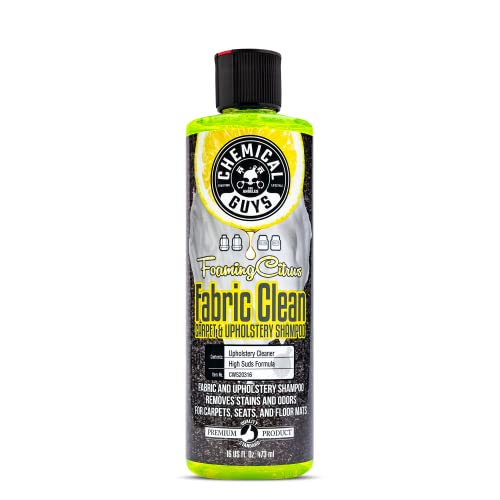
Treating Mold and Mildew
To get rid of mold on car carpet, first ensure the mat is completely dry and removed from the car. Mold thrives on moisture. Treat the affected area with a light mist of white vinegar (a natural fungicide) or a specialized anti-mildew spray. Allow the treatment to dwell, then scrub and vacuum the residue. Ensure the mat is dried quickly and fully to prevent recurrence.
How Do You Eliminate Car Mat Odor With Baking Soda?
For odor removal, sprinkle baking soda liberally over the car mats, ensuring complete coverage. Baking soda + odors are a classic problem-solution pair because the powder absorbs and neutralizes odor molecules rather than just masking them. This technique is particularly effective for general musty or stale smells.
- Ensure Mats Are Dry: This method only works on completely dry mats.
- Apply Baking Soda: Generously sprinkle the baking soda over the entire mat surface.
- Allow Dwell Time: Let the powder sit for a minimum of 30 minutes, or ideally overnight, for maximum absorption.
- Vacuum Thoroughly: Use a strong shop vacuum to remove all baking soda residue. The powder will have encapsulated the odor molecules, which are then extracted from the carpet fibers, resulting in fresh looking mats.
Engagement Cue: If dealing with pet odors, try mixing in a few drops of essential oil (like lavender or citrus) with the baking soda before applying it.
How To Quickly Wash And Dry Car Rugs Safely Without Damage?
The safest way to dry car mats is to hang them vertically in a clean, well-ventilated area, preferably in direct sunlight, or by using a fan or dehumidifier for forced-air drying to guarantee all moisture is removed from the mat backing and fibers. Quick drying is essential to prevent mold growth and the associated bad smells.
Reinstalling wet car mats creates a dangerous moisture trap beneath the floor covering. This moisture can permeate the vehicle’s floor carpet and padding, leading to mildew, persistent odors, and even corrosion of the metal floor pan—a key professional insight few discuss.
Here are the quickest methods to dry car mats effectively:
- Vertical Hanging (Sunlight): Hang the mats over a clean railing or clothesline. Direct sunlight provides heat, which accelerates evaporation, and UV light, which helps sanitize the mat surface.
- Forced Air Drying: Use a high-velocity fan or a leaf blower pointed directly at the mats. Setting up a fan in a garage or basement can significantly reduce drying time, especially on humid days.
- Towel Blotting: After the final extraction with a wet-vac, press microfiber towels firmly onto the fabric mats to physically wick away residual moisture before hanging.
- Dehumidifier: In highly humid environments, place the mats in a small room with a dehumidifier, which pulls moisture from the air and thus from the mats themselves.
Always check the mat backing thoroughly. If the foam or rubber is still cool to the touch, it is likely still holding moisture. Do not put the mats back in the car until they are completely dry and warm.
Which Car Mat Cleaning Products And Tools Are Best For My Vehicle?
The best cleaning products for car mats are typically pH-neutral, dedicated automotive carpet and upholstery cleaners that lift stains without damaging the mat fibers or leaving sticky residue that attracts future dirt. Choosing the correct tool or product depends entirely on the cleaning task, whether you need routine maintenance or aggressive deep agitation.
Comparison of Essential Cleaning Tools
Selecting the right tool simplifies car mat maintenance and improves results significantly.
| Feature/Aspect | Dedicated Carpet Cleaner (pH-Neutral) | Enzyme Cleaner (Spot Treatment) | Drill Brush Attachment |
|---|---|---|---|
| Best For | Routine deep cleaning, fabric mats | Organic stains (vomit, food) | Deep agitation, embedded dirt |
| Material Comp. | All Fabric, Safe for Rubber | Fabric, Upholstery | All types (medium stiffness) |
| Residue Risk | Low (if rinsed properly) | Very Low | N/A (Tool) |
| Efficacy | Excellent general cleaning | Superior for specific organic matter | Excellent mechanical scrubbing |
Dedicated Carpet Cleaners: These products are superior to household options because they are formulated to be residue-free, meaning they won’t leave behind surfactants that attract new dirt immediately after cleaning. They are safe for cloth car carpet materials and ensure long-term car mat protection.
Drill Brush Attachments: This mechanical tool is ideal for working the cleaning solution deep into the carpet pile, which is crucial for deep clean car mats. They work best for tough dirt removal, but use them carefully, especially on delicate natural fiber car rugs, by checking the material compatibility.
Enzyme Cleaners: These are a necessity for dealing with organic matter like spilled milk or pet urine. They use biological agents to break down the odor and stain source, resulting in fresh looking mats, rather than simply masking the smell.
How Often Should I Clean My Car Mats And How Can I Protect Them?
The ideal frequency for cleaning car mats is weekly light vacuuming and deep cleaning every three months for daily drivers, or twice a year for seasonal vehicles, emphasizing quick cleanup of spills to prevent permanent damage. Regular maintenance prevents dirt and debris from becoming deeply embedded, which is necessary for carpet longevity and overall vehicle hygiene.
The frequency depends heavily on the car’s environment and use:
- High Traffic/Pets/Winter Conditions: Weekly light vacuuming and deep cleaning every 1-3 months. Salt, mud, and excessive pet hair require aggressive, frequent maintenance to prevent material degradation.
- Moderate Traffic/Seasonal Vehicle: Bi-weekly vacuuming and deep cleaning every 4-6 months.
- Low Traffic/Garage Queen: Monthly vacuuming and deep cleaning annually.
Long-Term Protection Strategies
Once you have achieved a super clean interior, protecting your car floor mats is the next critical step to simplify future cleanups.
- Fabric Protection Treatments: Apply a fabric protector spray after cleaning and ensuring the carpet is completely dry. These sprays create a hydrophobic barrier that repels liquids, preventing spills from soaking into the fibers and thus simplifying spot cleaning.
- Rubber Mat Conditioning: Use a dedicated UV protection for car floor mats (rubber dressings). This keeps the material flexible and dark, preventing the rubber from drying out, fading, and cracking under sun exposure.
- Immediate Spill Response: Never allow a liquid spill to sit. Blot the area immediately with a clean microfiber towel to prevent staining and saturation of the mat backing.
- Containment: If you live in an area with harsh winters or heavy mud, consider using high-walled, all-weather floor liners over your primary car mats for maximum containment of debris.
FAQs About How to Wash Car Rugs
What is the best way to clean car floor mats?
The best way to clean car floor mats is a systematic four-step process: vigorous shaking and vacuuming, application of a specialized automotive cleaner, physical agitation using a stiff-bristle brush, and complete extraction via rinsing and drying. This method ensures both loose dirt and embedded grime are removed efficiently, regardless of whether the mat is rubber or fabric, leading to a much cleaner vehicle.
How to clean rubber car mats at home?
To clean rubber car mats at home, use a hose or pressure washer to remove loose debris, then scrub the surface with dish soap or a mild all-purpose cleaner and a stiff brush. Rinse thoroughly to remove all soap residue, and dry completely before reinstalling. For added longevity, apply a rubber protectant or UV coating to prevent cracking and fading from the sun, which is ideal for heavy-duty floor mats.
How to remove bad smell from car carpet?
To eliminate bad smells from car carpet, the most effective DIY method is treating the area with baking soda. Sprinkle a liberal amount over the dry mats, allow it to sit for several hours (or overnight) to absorb the odor molecules, and then vacuum thoroughly. For organic smells, use a specialized enzyme cleaner which breaks down the source of the odor, contributing to vehicle hygiene.
What to wash car carpet with if I don’t have specialized cleaner?
If you do not have a specialized carpet cleaner, a highly diluted solution of mild laundry detergent or dish soap can serve as a substitute for washing fabric car mats. Mix about two tablespoons of cleaner per gallon of warm water. Always test the solution on an inconspicuous area first to ensure it does not cause discoloration, and prioritize rinsing to avoid sticky residue that will attract dirt.
How to dry car mats quickly?
The quickest way to dry car mats is to hang them vertically in a sunny, well-ventilated area, which allows air to circulate around both sides. Alternatively, use a leaf blower or a standard fan for forced-air drying. For fabric mats, utilize a wet/dry vacuum to extract as much moisture as possible immediately after the rinse phase to drastically reduce drying time and prevent mold growth.
How to remove salt stains from car mats in winter?
Salt stains are best removed using a solution of white vinegar and warm water (50/50 mixture), as the acid in the vinegar helps dissolve the mineral deposits. Gently blot the solution onto the salt stain and allow it to penetrate for several minutes. Scrub with a stiff brush, then rinse with clean water. Repeat the process until the white residue is completely gone, which simplifies car mat maintenance.
What is the difference between carpet cleaner and upholstery cleaner?
While similar, car carpet cleaners are often formulated to handle harsher, embedded dirt found in floor fibers, whereas upholstery cleaners are typically gentler, designed for delicate seat fabrics and headliners. For car mats, a designated carpet cleaner or an all-purpose cleaner is ideal, ensuring it is automotive-safe and pH-neutral to maintain material integrity, which is necessary for carpet longevity.
Can you take car carpet out to wash?
Yes, most vehicle floor carpets are secured with retention clips and can be carefully removed for a deep, outside cleaning, though this is a significant undertaking usually reserved for extreme spills or water damage. If removing, ensure you understand the location of the retention clips and allow ample drying time, as the padding underneath can hold moisture longer than the removable mats.
Are pressure washers safe to use on car mats?
Pressure washers are safe and highly effective for cleaning durable rubber and vinyl car mats, allowing for quick removal of heavy grime and dirt. However, exercise caution and use a wide spray pattern (40-degree tip minimum) held at least 12 inches away from the mat, especially fabric mats, to prevent damaging the fibers or the rubber backing.
How can I make my old car mats look new again?
To restore old car mats, perform a deep cleaning and use specialized restorative products. For rubber mats, apply a dedicated rubber dressing or trim restorer to darken the color and provide UV protection. For fabric mats, use a stiff brush to lift and restore the nap or pile after cleaning and drying, giving them a refreshed, uniform appearance.
Final Thoughts
The process of learning how to wash car rugs effectively is a fundamental step in comprehensive vehicle maintenance, directly contributing to both the aesthetics and hygiene of your car’s interior. As demonstrated through the various step-by-step guides, achieving a professional-level clean requires preparation, using material-specific techniques, and most importantly, guaranteeing complete dryness to prevent long-term damage like mold and corrosion.
By prioritizing thorough extraction for fabric mats, utilizing the durability of rubber mats with pressure washing, and applying specific solutions for common problems like salt and odors, you can easily restore even the filthiest car rugs. This proven, expert car mat cleaning guide ensures you not only address the primary cleaning task but also employ the best practices and tools endorsed by the auto detailing community.
Commit to the right maintenance schedule and the minimal investment in professional-grade tools, and you will significantly extend the lifespan of your vehicle’s flooring while enjoying a consistently fresh and clean interior. Start with a thorough vacuuming today, select the appropriate method for your mat material, and follow the drying protocols to ensure your car rugs remain in top condition for years to come.
Last update on 2026-02-23 / Affiliate links / Images from Amazon Product Advertising API


