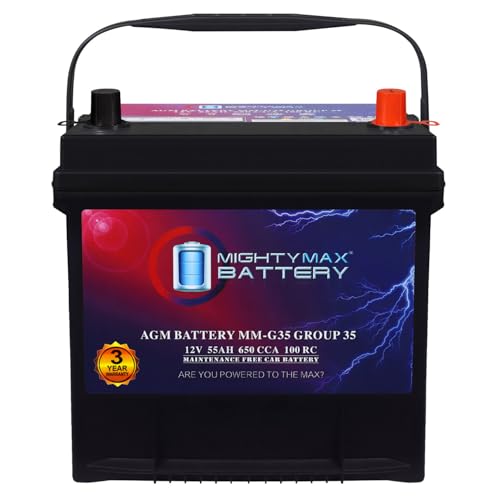
Struggling with how to warm up a car battery on a freezing morning? You turn the key and hear nothing but a desperate click, leaving you stranded in the extreme cold weather. This is a common and frustrating winter problem.
To safely warm up a car battery in extreme cold, you can use a certified battery blanket, cycle the headlights for 30-60 seconds to create a small amount of internal heat, or carefully remove the battery and bring it into a warm, indoor location. Always prioritize safety, as batteries can release flammable hydrogen gas. Avoid dangerous methods like using open flames or boiling water, which can cause explosions or damage.
Based on hands-on experience and mechanic-recommended practices, this guide explains exactly how to handle a cold battery safely. You will discover the science behind why batteries fail in winter and learn proven methods to get your car started without causing damage. This reveals the safe steps to take and the dangerous mistakes to avoid.
Key Facts
- Significant Power Loss: A car battery loses about 60% of its starting power at 0°F (-18°C), making it much weaker when you need it most, according to battery safety data.
- Freezing Point Varies: A fully charged battery won’t freeze until -76°F (-60°C), but a completely discharged battery can freeze at 32°F (0°C) because its electrolyte is mostly water.
- Explosion Risk is Real: Never attempt to charge or jump-start a visibly frozen battery (one with a cracked or bulging case), as this can cause it to explode.
- Internal Warming is Possible: Turning on your headlights for 30-60 seconds uses a principle called Ohmic heating to generate a small amount of internal warmth, which can help wake up the battery’s chemistry.
- Dedicated Warmers Are Safest: The most effective and recommended method is using a purpose-built battery warmer or blanket, which maintains an optimal temperature and preserves starting power.
How Do You Safely Warm Up a Car Battery?
The safest way to warm a car battery is by using an external, purpose-built battery warmer, gently warming it with the car’s own electrical system, or by removing it and bringing it indoors to a warm space. The core principle is to raise the temperature of the lead-acid battery slowly and controllably. Never use an open flame or pour boiling water on a car battery, as these methods are extremely dangerous. A slow engine turnover or a clicking sound are classic signs your battery is struggling with the cold, but it’s important to distinguish this from a battery that is completely dead.

Warming the battery increases the speed of its internal chemical reaction, restoring its ability to deliver the necessary power. Safety is the top priority in this process. Before attempting any method, a visual inspection is crucial. A cold, weak battery is one problem; a physically frozen battery is a serious hazard.
⚠ DANGER: RISK OF EXPLOSION – Never attempt to charge or jump-start a battery that is visibly frozen (casing is cracked or bulging). A frozen battery can explode when current is applied. Always wear safety glasses and gloves when working near a battery. Batteries produce flammable hydrogen gas—keep all sparks, flames, and cigarettes away.
Why Does Cold Weather Kill Car Batteries?
A car battery’s power comes from a chemical reaction inside, which slows dramatically in freezing temperatures. At 0°F (-18°C), a battery loses about 60% of its starting power. At the same time, cold engine oil thickens, demanding more than double the power to crank the engine. This combination of reduced power supply and increased demand is why batteries fail in the cold.
This is often called the “cold weather double-whammy.” The lead-acid battery [a device that stores energy via a chemical reaction] is at its weakest precisely when the engine is hardest to start. The electrolyte solution, a mix of sulfuric acid and water inside the battery, becomes sluggish, hindering the flow of electricity. Think of it like trying to run through molasses instead of water; everything slows down.
Here’s a breakdown of what happens:
* Reduced Power Output: The electrochemical reaction that produces electricity slows down significantly, reducing the battery’s available power.
* Increased Engine Demand: The engine oil’s viscosity increases, meaning it gets thicker. This makes it much harder for the starter motor to turn the engine over, requiring more power from the already weakened battery.
* Slower Recharging: A cold battery also accepts a charge much more slowly. Short trips may not be enough for the alternator to fully replenish the energy used to start the car.
How Do Cold Cranking Amps (CCA) Affect Cold Starts?
Cold Cranking Amps (CCA) is the most important rating for winter performance. It measures a battery’s ability to start an engine in cold weather. Specifically, Cold Cranking Amps (CCA) is a battery rating that measures the number of amps a 12-volt battery can deliver at 0°F (-18°C) for 30 seconds while maintaining a voltage of at least 7.2 volts. A higher CCA rating means the battery has more power to start your engine in cold weather.
CCA is like the battery’s “muscle” for a cold morning. More muscle makes it easier to lift a heavy weight (the cold engine). If you live in a cold climate, choosing a battery that meets or exceeds your vehicle manufacturer’s recommended CCA is critical.
Here are some general guidelines for CCA ratings:
* Small Car: 400-500 CCA
* Mid-Size Sedan/SUV: 550-750 CCA
* Large Truck/SUV: 650-850+ CCA
Pro-Tip: Check your vehicle’s owner’s manual for the recommended CCA rating and ensure your battery meets or exceeds it, especially if you live in a climate where temperatures regularly drop below freezing.
What Are the Signs of a Frozen or Cold-Stunned Battery?
To check if your battery is frozen or just cold, look for these signs. A cold-stunned battery will often produce a clicking sound or a slow, sluggish crank. Your headlights will be dim. A physically frozen battery is more serious; inspect the case for any cracks or bulges. If you see any, do not attempt to jump or charge it as it could explode. Based on hands-on experience, the first thing a mechanic checks for is a clicking sound or a slow, groaning crank.
Signs of a Cold-Stunned (Weak) Battery
A cold-stunned battery is weak but not physically frozen. It has a chance of starting once warmed slightly.
* Rapid Clicking Sound: When you turn the key, you hear a fast clicking, which is the starter motor trying to engage but not having enough power.
* Slow, Sluggish Crank: The engine turns over very slowly, making a “rur-rur-rur” sound.
* Dim Lights: The dashboard lights and headlights are noticeably faint when you try to start the car.
Signs of a Frozen (Dangerous) Battery
A frozen battery is a serious hazard and must be handled with extreme care.
* Visible Cracks or Bulges: The battery case looks swollen, or you can see cracks in the plastic. This happens when the water in the electrolyte freezes and expands.
* No Sound or Power: You turn the key and get absolutely nothing—no clicks, no lights, no sound at all.
* Leaking Fluid: You might see signs of acid leakage around the battery.
What Are The 3 Safest Methods to Warm a Car Battery?
When faced with a cold, unresponsive battery, there are three proven winter methods that are both safe and effective. These mechanic-recommended practices focus on controlled heating to avoid damaging the battery or creating a safety hazard. Each warming method works by increasing the battery temperature, which improves conductivity and enables faster starts.
The 3 Safest Ways to Warm a Car Battery are:
1. Use a Battery Warmer: Wrap the battery in an electric blanket designed for this purpose.
2. Cycle the Headlights: Turn on your high beams for 60 seconds to create a small internal current.
3. Bring it Inside: Carefully remove the battery and let it warm to room temperature indoors.
Method 1: How Do You Use an External Battery Warmer (Blanket or Pad)?
To use a battery warmer, first ensure the engine is off and cool. Wrap the insulated blanket snugly around the battery and secure it with the provided straps. Route the power cord away from any moving parts and plug it into a suitable extension cord connected to a 110v outlet. Allow it to warm for 2-4 hours before starting the car.
A battery blanket [a thermostat-controlled heating element] is the premier solution. These devices typically use 60-80 watts to gently maintain the battery’s temperature, ensuring it has maximum power available.
Here are the steps for installation:
1. Choose the Right Size: Select a blanket that fits your battery’s group size for maximum efficiency.
2. Install on a Cool Engine: Wrap the blanket around the sides of the battery.
3. Secure the Straps: Ensure a snug fit for good heat transfer, but don’t overtighten.
4. Route the Cord Safely: Keep the power cord away from the engine block, belts, and fans to prevent melting or damage.
5. Plug In: Connect the cord to an outdoor-rated extension cord plugged into a standard 110v outlet.
Pro-Tip: For maximum efficiency, plug in the battery warmer on a timer to start 3-4 hours before you plan to leave in the morning. This saves electricity while ensuring your battery is ready when you are.

Method 2: How Do You Use the Car’s System to Gently Warm the Battery?
Yes, turning on your headlights can slightly warm the battery. Before trying to start the car, turn the key to ‘On’ and switch on your headlights for 30-60 seconds. This creates a small current that generates a little internal heat, which can be just enough to improve the chemical reaction and give you a better chance of starting.
This “no tools required” method relies on a principle called Ohmic heating. Drawing a small current through the battery’s internal resistance generates a minimal amount of heat—the same way a wire feels warm when electricity passes through it. While this is not a powerful fix, it can sometimes be just enough to wake up a sluggish battery.
Follow these simple steps:
1. Turn the ignition key to the “On” position (but do not try to crank the engine).
2. Turn on your headlights (high beams are fine).
3. Wait for 30 to 60 seconds.
4. Turn the headlights off.
5. Wait another minute, then attempt to start the car.
Caution: Do not leave the headlights on for more than a minute, as this could drain the remaining charge from your already weak battery, making the problem worse. This method only works if the battery has some charge left.
What Are the Dangerous Methods You Must Avoid?
DANGER: Never use these methods to warm a battery. They can lead to explosions, fires, and severe injury. While you may be tempted to try a quick fix in a desperate situation, these common but dangerous myths can destroy your battery and cause serious harm. The risk from hydrogen gas ignition and thermal shock is extremely high.
- ⚠ Open Flames (Lighters, Torches): NEVER use any kind of open flame near a battery. All lead-acid batteries produce flammable hydrogen gas. A single spark can cause a violent explosion, spraying corrosive acid and plastic shrapnel.
- ⚠ Boiling Water: NEVER pour boiling water on a battery. The extreme thermal shock can instantly crack the plastic housing. This will spill sulfuric acid and can cause an internal short circuit, leading to an explosion.
- ⚠ Heat Guns or High-Power Hairdryers: NEVER use a heat gun or a powerful hairdryer. The concentrated, high heat can easily melt the battery’s plastic case, causing leaks and irreparable internal damage.
Is a Battery Blanket Better Than a Block Heater for Warming a Battery?
A battery blanket is better for the battery itself, as it keeps the battery’s chemistry warm and ready. A block heater is better for the engine, warming the oil and coolant to make it easier to start. A battery blanket directly warms the battery to preserve its power, while a block heater warms the engine’s coolant and oil. For most drivers focused on just the battery, a battery blanket is a more direct and often cheaper solution.
For those in the decision-making phase, here is a direct comparison to help you choose the right winterization tool.
| Feature/Aspect | Battery Blanket | Engine Block Heater |
|---|---|---|
| Primary Target | Directly heats the battery case & electrolyte | Heats the engine block, coolant & oil |
| Main Benefit | Preserves battery CCA & charge acceptance | Reduces engine strain & oil viscosity |
| Installation | Easy; wrap around battery (5-10 mins) | More complex; often requires mechanic |
| Avg. Cost | $30 – $80 | $50 – $200+ (plus installation) |
| Best For | Protecting battery health; moderate cold | Extreme cold (-25°C & below); diesel engines |
| Conclusion | Best for battery life | Best for overall starting ease |
In arctic climates, mechanics often recommend using both devices. The block heater makes the engine easy to turn over, and the battery blanket ensures the battery has full power to do it.
FAQs About How to Warm Up a Car Battery
Can you charge a frozen battery?
No, you must never attempt to charge a battery that you suspect is frozen (i.e., has a cracked or bulging case). Applying a current to a frozen battery can cause the trapped gases inside to expand rapidly, leading to an explosion that can spray shrapnel and corrosive acid. The battery must be brought inside and allowed to thaw completely for several hours before you can safely attempt to recharge it.
How long does it take to warm up a car battery?
The time varies greatly depending on the method and the ambient temperature. A 60-80 watt battery blanket typically takes 2 to 4 hours to sufficiently warm a battery. Bringing a battery indoors can take 4 to 8 hours to warm to room temperature. The headlight trick only provides a very slight warming effect in about 60 seconds but won’t thaw a deeply cold-soaked battery.
How do I keep my battery from freezing without a garage?
Using a plug-in battery blanket is the most effective method if you don’t have a garage. You can run an outdoor-rated extension cord to your vehicle. Alternatively, if extreme cold (-30°C or colder) is forecasted for a short period, the most reliable (though inconvenient) method is to disconnect the battery and bring it inside overnight.
Can a trickle charger keep a battery warm?
A trickle charger’s primary job is to maintain charge, not to provide significant heat. While the charging process does generate a very small amount of warmth, it is not enough to prevent a battery from freezing in sub-zero temperatures. It helps by keeping the battery fully charged, which has a lower freezing point, but it’s not a substitute for a dedicated battery warmer.
How can you tell if a battery is dead or just cold?
A cold battery will usually try to start, giving a slow, sluggish crank or a rapid clicking sound, and the lights will be dim. A completely dead battery will typically produce no sound and no lights at all when you turn the key. To be sure, you can test the voltage with a multimeter; a healthy battery should be above 12.4V, while a cold battery might drop lower.
What about warming an electric vehicle (EV) battery?
EVs like Teslas have sophisticated battery thermal management systems and should not be warmed with external devices. The best way to warm an EV battery is to use the vehicle’s built-in “preconditioning” feature. This can be activated through the vehicle’s app or touchscreen before you plan to drive, using grid power to warm the battery to an optimal temperature for performance and efficiency.
How cold does it have to be for a car battery to freeze?
The freezing point depends on the state of charge. A fully charged battery won’t freeze until around -76°F (-60°C). However, a completely discharged battery can freeze at 32°F (0°C) because its electrolyte is mostly water. This is why it’s critical to keep your battery charged during winter.
Will a jump start warm a cold battery?
A jump start does not warm the battery; it only provides enough external power to start the engine. Once the engine is running, the alternator will begin to recharge the battery, which will generate some heat and slowly warm it. However, the initial jump simply bypasses the cold battery’s weakness to get the car started.
Is it safe to remove the battery and bring it inside?
Yes, this is a very safe and effective method, but you must do it correctly. Always disconnect the negative (-) terminal first, then the positive (+). When reinstalling, connect the positive (+) terminal first, then the negative (-). Place the battery on a piece of wood or plastic in a well-ventilated area indoors, away from open flames or sparks.
How long should I drive to recharge a cold battery?
After a cold start or a jump start, you should drive for at least 30-45 minutes at highway speeds. This gives the alternator enough time to sufficiently recharge the battery. Short trips of 5-10 minutes are not enough to replenish the energy used to start the engine and can lead to a progressively weaker battery.
Key Takeaways: How to Warm Up a Car Battery Summary
- Safety First is Non-Negotiable: Never charge or jump-start a visibly frozen (cracked or bulging) battery, and never use open flames or boiling water. The risk of explosion and acid spray is extremely high.
- External Warmers Are Best: A thermostatically controlled battery blanket is the safest and most effective dedicated tool for warming a battery and preventing freezing, directly preserving its Cold Cranking Amps (CCA).
- Cold Reduces Power Dramatically: A battery loses up to 60% of its power at 0°F (-18°C) while the engine requires double the energy to start. This “double-whammy” is the scientific reason for most winter starting failures.
- Know the Signs: A slow crank or clicking sound indicates a cold-stunned battery that may be recoverable. A cracked or bulging case means the battery is frozen solid and must be replaced.
- Prevention is Key: Keeping your battery fully charged is the best defense, as a charged battery has a much lower freezing point. For extreme climates, a battery blanket or block heater is a wise investment.
- EVs Have Their Own System: Do not use external warmers on an electric car. Use the vehicle’s built-in “preconditioning” function to warm the battery pack using grid power before driving.
- Recharge After a Hard Start: After a jump-start or a difficult cold start, drive the car for at least 30 minutes at highway speeds to allow the alternator to properly recharge the battery.
Final Thoughts on Warming a Car Battery
Successfully warming a car battery isn’t about brute force; it’s about using safe, controlled methods while understanding the very real risks. The science is clear: a cold battery is a weak battery. A proactive approach using tools like battery blankets is always superior to reactive emergency measures on a freezing morning. By understanding the difference between a cold-stunned and a dangerously frozen battery, you can make the right choice to protect yourself and your vehicle. Armed with this knowledge, you can confidently face the coldest days of winter, knowing your car is ready to start when you are.
Last update on 2026-03-19 / Affiliate links / Images from Amazon Product Advertising API