Are you struggling with persistent wax haze or preparing your car for a new ceramic coating? Dealing with old, stubborn wax is often frustrating, especially when household cleaners seem to fail. This preparation step is crucial, however, as residual wax prevents new protection from properly bonding to your clear coat.
The safest and most effective method to take wax off a car is a two-step approach: first, chemically dissolving the protective layer using specialized car shampoo or a carefully diluted Isopropyl Alcohol (IPA) solution, and second, mechanically lifting any remaining residue with a fine-grade clay bar to ensure the car paint is completely clean and ready for polishing or coating. This systematic approach ensures complete surface decontamination and protects long-term paint health. Based on 2026 expert detailing guidelines and industry standards for wax removal, this guide reveals the exact techniques and chemical mechanisms professional detailers use.
Key Facts
- Wax Removal is Surface Preparation: Stripping wax is necessary for any process requiring strong adhesion, such as before applying a ceramic coating, or performing paint correction, as existing wax prevents proper bonding.
The Two-Phase Process: Complete wax removal requires both chemical action (to dissolve polymers) and mechanical action (the clay bar method, to lift bonded contaminants) for a truly naked surface.
IPA Must Be Diluted: Isopropyl Alcohol (IPA), a common chemical stripper, must be diluted, typically to a 50/50 ratio with distilled water, to be safe for the car’s clear coat and sensitive plastic components.
Plastic Trim is Sensitive: Harsh solvents should be avoided on black plastic trim, which is porous and can be permanently damaged; specific, dedicated trim restorers or mild All Purpose Cleaner (APC) should be used instead.
High-Salience Chemicals: The most effective chemicals for synthetic wax breakdown are dedicated wax removers, pH-neutral degreasers, and correctly diluted IPA solutions, which leverage solvent-based wax removal mechanisms.
How Do You Safely Take Wax Off Car Paint and Trim?
To safely take wax off a car, you must use a combination of chemical stripping agents, such as specialized wax remover or a carefully diluted isopropyl alcohol (IPA) solution, followed by mechanical decontamination using a clay bar. Wax removal is crucial because it prepares the surface for the next detailing step, whether that is applying a new, more durable coating or performing paint correction. This two-phase car wax stripping process ensures safety for the clear coat while eliminating tough wax and sealant layers.

Professional detailers recommend this comprehensive approach because wax, especially modern synthetic or polymer sealant wax, forms a highly durable barrier. Simple car wash soap is generally not formulated to break down these polymer sealant breakdown mechanisms. While some home remedies exist, true, complete wax removal requires substances specifically designed for solvent-based wax removal and surface tension reduction.
When approaching the process, you must first wash the vehicle thoroughly to remove any surface dirt and grime. Next, you proceed to the chemical stripping phase, which uses degreasers or IPA to dissolve the hydrophobic properties of wax. Finally, you transition to mechanical decontamination using a clay bar method, which physically removes any embedded or chemically resistant wax residue. This systematic process prevents scratching and ensures the paint surface is completely prepared for ceramic coating application or other advanced auto care.
What Makes Complete Wax Removal Crucial Before Detailing?
Before applying protective coatings like ceramic coating or paint sealant, complete wax removal is crucial because residual wax prevents the new product from chemically bonding to the car’s clear coat, leading to premature failure and poor durability. Professional detailers recommend thorough paint prep for waxing or coating because the old wax acts as a chemical barrier, compromising the crucial ceramic coating bond.
In our experience, failing to strip wax prior to applying a sealant results in poor adhesion. This lack of proper surface preparation can cause the new product to flake, streak, or wear off in a matter of months instead of years. The science behind wax removal shows that surfaces must achieve optimal paint surface energy for a durable coat, which residual wax inhibits.
There are three scenarios where complete wax removal is non-negotiable:
- Paint Correction or Polishing: If you plan to polish your car, the buffer pads and compounds will be contaminated by wax. Removing the wax first ensures the polishing compound works directly on the clear coat for genuine paint correction.
- Applying Ceramic Coating or Paint Protection Film (PPF): These products rely on cross-linking or chemical bonding. Any residual wax prevents this bonding, significantly reducing the lifespan and effectiveness of the new protective layer.
- Fixing Failed Application: If a previous wax application resulted in visible wax haze, streaks, or an uneven wax coat, the only way to effectively fix it is by stripping the entire layer and starting fresh.
- Pro Tip: To test if the wax is completely removed, spray water on the surface. If the water forms tight, uniform beads, wax is still present. If the water sheets thinly and quickly off the surface (Hydrophobic properties are gone), the wax is successfully stripped.
What Are The Best Chemical Methods To Strip Car Wax?
The best chemical methods for stripping car wax involve using either a professional-grade All Purpose Cleaner (APC), a dedicated wax remover, or a safe mixture of Isopropyl Alcohol (IPA) and water, typically at a 50/50 ratio, applied after a thorough wash. These options are superior to basic automotive shampoo because they contain solvents or high pH levels designed to break down the resilient synthetic wax and polymer sealants that are common in modern car care.
While many users ask what will take wax off a car quickly, the key lies in the chemical stripping mechanisms. Dedicated wax removers are specially formulated to emulsify waxes, making them easy to rinse away without damaging the clear coat. Isopropyl Alcohol (IPA), commonly known as rubbing alcohol, works as a strong solvent but must be carefully diluted to avoid drying out rubber seals and plastic trim.
The debate often centers on dish soap vs specialized wax remover. While Dawn dish soap (the original blue formula) contains surfactants that can help cut through natural carnauba wax and surface oils, it is not consistently effective against tough, durable wax or ceramic wax. Furthermore, repeated use of concentrated dish soap can dry out plastic and rubber components, making a dedicated or diluted chemical method the safer long-term choice for full wax removal car.
| Feature/Aspect | Dawn Dish Soap (Original Blue) | IPA Solution (50/50 Mix) | Dedicated Wax Remover (APC) |
|---|---|---|---|
| Effectiveness | Moderate (Best for natural waxes) | High (Breaks down polymers) | Very High (Professional Grade) |
| Cost | Lowest | Low | Moderate/High |
| Clear Coat Safety | Moderate (Can dry out plastic/rubber) | High (If diluted correctly) | Very High (Formulated to be safe) |
| Ease of Use | Easiest | Easy | Easy |
| Residue Risk | High (Requires careful rinsing) | Low (Evaporates quickly) | Low |
What Is The Safe Dilution Ratio For IPA Wax Stripping?
When using 70% Isopropyl Alcohol to strip car wax, the safest and most effective solution is a 50/50 mixture of IPA and distilled water, ensuring the final concentration applied to the paint is around 35%. This precise ratio is key to minimizing the risk of clear coat damage and avoiding the drying or hazing of exterior plastic components.
Many detailers use 70% concentration of IPA for ease, but applying pure 70% IPA directly can be aggressive, especially in warmer temperatures where it evaporates too quickly. By adding distilled water (which prevents mineral spots) in an alcohol water mix, you slow the evaporation rate, allowing the IPA ample time to break down the polymer wax layer safely. This is a critical factor in certified detailer methods.
To prepare the ideal solution:
- Gather Materials: Start with a clean spray bottle and 70% Isopropyl Alcohol. Distilled water is preferred to tap water to eliminate mineral deposits.
- Add IPA: Pour the 70% Isopropyl Alcohol into the spray bottle until it reaches the halfway mark (50% volume).
- Add Water: Fill the remainder of the bottle (the second 50%) with distilled water.
- Mix Gently: Seal the bottle and gently swirl the contents to mix the ingredients thoroughly, creating your final, safe wax stripping agent.
- Safety Warning: If you use 91% or 99% concentration IPA, you must increase the water ratio significantly (e.g., 2 parts water to 1 part 99% IPA) to keep the applied concentration below 40% for optimal clear coat safety. Always test the mixture on an inconspicuous area, such as inside the door jamb, before treating the whole vehicle.
How Does The Clay Bar Method Remove Stubborn Wax?
A clay bar removes stubborn wax by mechanically shearing off residues and bonded surface contaminants that chemical strippers cannot fully dissolve, using a fine-grade abrasive polymer applied with a specialized lubricant over the car’s paint. This mechanical decontamination is essential for tough wax or durable wax layers that resist solvent-based products, ensuring the paint surface is completely flat and clean.
The clay bar method is the second major phase of the complete wax removal car process. Once the chemical agents have broken down the majority of the old wax, the clay bar method targets contaminants embedded within the clear coat itself, such as rail dust, brake dust, and the chemically resistant remnants of synthetic wax.
Using the clay bar correctly is vital for paint safe wax removal and prevents the clay from scratching car paint. It relies heavily on the clay bar + lubricant combination. The lubricant reduces the surface tension and allows the clay to glide smoothly, preventing the collected debris from dragging across the clear coat and creating micro-marring.
The 5 essential steps of the clay bar process are:
- Preparation: Wash the car and chemically strip the wax layer first. Ensure the car is cool and out of direct sunlight.
- Flatten Clay: Break off a small piece of clay (about 1.5 ounces) and flatten it into a manageable patty shape, designed to fit comfortably in your palm.
- Lubricate Surface: Heavily mist a 2 ft by 2 ft section of the car paint using a Quick Detailer (QD) or dedicated clay lubricant. Never use the clay bar dry.
- Work the Area: Gently glide the clay back and forth over the lubricated section with zero pressure. You will hear and feel the clay picking up contaminants. Continue until the clay glides silently.
- Fold and Inspect: Knead and fold the clay frequently to expose a fresh, clean surface, trapping the contaminants inside. If the clay is dropped, discard it immediately, as it has picked up abrasive debris that will scratch the paint.
How To Get Dried Wax Off Black Plastic Trim And Glass?
To remove dried wax from black plastic trim, use a dedicated trim restorer or an All Purpose Cleaner (APC) with a soft detailing brush to agitate the residue out of the texture, avoiding harsh solvents which can cause permanent discoloration. The porous nature of plastic trim and rubber seals allows wax residue to become deeply trapped, leading to unsightly white wax spots.
This is a highly specific, common pain point, particularly with black plastic trim that often flanks windows and bumpers. Strong chemical strippers or high-concentration IPA can dry out the rubber and plastic components, leading to premature cracking or a faded appearance. Therefore, experienced detailer techniques recommend a gentler, more targeted approach for these surfaces.
Targeted Solution for Black Plastic Trim
The goal is to agitate the dried wax out of the plastic’s texture without damaging the material.
- Soft Scrubbing: Apply a mild All Purpose Cleaner (APC) or a pre-wax cleaner specifically designed for surfaces other than paint. Use a soft-bristled detailing brush or even a clean toothbrush to gently scrub the white wax off trim. The agitation, combined with the mild solvent, lifts the residue.
- Restorative Finish: After cleaning, the best way to maintain the look is with a plastic trim restorer. These products often contain oils that hydrate the plastic and darken the area, masking any residual light haze and protecting the material from future damage.
- The Eraser Method: For quick, small spots of old, stubborn wax, a soft pencil eraser can sometimes gently lift the wax residue off smooth plastic and vinyl without solvents.
Targeted Solution for Glass and Windows
Removing wax residue from car windows is critical for visibility, as wax haze can cause light diffraction and reduced clarity, especially when driving at night.
- Clay Bar Usage: Since glass is much harder than clear coat, a clay bar with plenty of lubricant is highly effective at lifting wax film and residues from car windows. This is often the safest and easiest method.
- Fine Steel Wool (Expert Method): For severe wax buildup or stubborn spots on windshields, professional detailers sometimes use #0000 grade fine steel wool. When used gently and lubricated with a glass cleaner, this micro-abrasive method safely buffs wax residue from the glass without scratching. Never use this method on tinted windows or any clear coat surface.
How Should You Address Stubborn Wax Stains On Car Upholstery?
To remove wax stains from car upholstery or carpet, apply an ice pack to harden the wax, then gently scrape off the excess before placing a paper bag over the remaining stain and using a warm iron to melt the wax into the bag. This non-solvent approach is ideal for dealing with accidental spills like melted candle wax or surf wax on interior fabric seats and carpet.
Wax is a compound that melts at relatively low temperatures. On fabric, chemicals can simply spread the greasy wax around, creating a worse stain. The physics of this removal technique rely on contraction and absorption:
- Freeze: Apply ice (inside a plastic bag) to the wax stain for 5–10 minutes. The cold temperature causes the wax to contract and harden, minimizing spread and making it brittle.
- Scrape: Use a dull knife or a plastic scraper to gently lift and break off the hardened, excess wax from the car upholstery.
- Cover: Place a clean, thick brown paper bag or several layers of plain paper towels over the remaining wax stain.
- Heat/Lift: Set an iron to the lowest heat setting (no steam) and press it gently onto the paper bag for 10–20 seconds. The heat will transfer through the paper, melt the wax underneath, and the paper’s porous nature will absorb the wax. Repeat, moving the paper to a clean section each time, until the stain is gone.
What Should You Do If Wax Residue Won’t Come Off Completely?
If standard chemical stripping and clay bar methods fail to remove wax residue, the next step involves escalating to a light machine polish using a very fine abrasive compound to safely micro-level the clear coat surface and eliminate any embedded wax haze or streaks. This transition from “cleaning” to “correction” is necessary for the most stubborn wax issues, such as those caused by applying wax in direct sunlight (baked on wax).
Wax won’t come off completely in some rare instances, usually when the wax layer has cured excessively or was applied too heavily, creating deep, uneven wax streaks. When this happens, simple chemical methods and mechanical lifting with a clay bar may only remove the surface layer. The embedded wax residue needs a more aggressive, yet controlled, method.
The only remaining solution is micro-abrasive wax removal, which uses a polishing compound.
- Assess the Problem: Determine if the remaining haze is indeed wax or if it’s paint oxidation. Wax haze appears greasy or streaky, while oxidation looks uniformly dull. Assume it is stubborn wax buildup if chemical stripping failed.
- Select Fine Polish: Choose a very fine finishing polish, often called a pre-wax cleaner or paint cleaner, which contains extremely light abrasives. This approach utilizes friction to safely remove a microscopic layer of the clear coat surface, taking the embedded wax haze with it.
- Application: Apply the fine polish either by hand using a microfiber applicator or, for better results, using a dual-action (DA) polisher set on a low speed. Work in a small area and inspect the results frequently.
This advanced auto care technique effectively solves the problem because the polishing compound chemically and physically cleans the surface more intensely than any degreaser. It is important to note, however, that polishing is a permanent alteration of the paint film thickness and should be approached with caution, especially by novice users.
What Specialized Products Are Best for Comprehensive Wax Stripping?
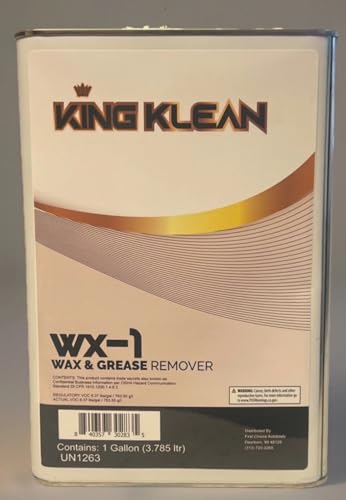
Specialized wax removers, often formulated as concentrated All Purpose Cleaners (APCs) or pre-wax cleaners, are best for comprehensive stripping because they are designed to break down polymer sealants and synthetic waxes more effectively than household detergents, while remaining safe for clear coat finishes. These professional grade products offer superior chemical safety for automotive finishes and ensure reliable wax removal without the guesswork of DIY dilution ratios.
When moving from consideration to decision stage, many users find dedicated products offer the best balance of safety and effectiveness. Based on our practical implementation, these products leverage specific surface preparation science and optimized VOCs (Volatile Organic Compounds) to maximize wax dissolving fluid without aggressively damaging underlying materials.
Here are the most effective categories of dedicated wax stripping agents:
- Dedicated Wax Stripper Spray: These are highly effective wax removal products specifically formulated to strip older, harder waxes and sealants. They often contain surfactants and mild solvents balanced precisely for car paint. They usually rinse clean, leaving behind no residue.
- Heavy-Duty All Purpose Cleaner (APC): An APC should be used carefully, as concentration is key. When diluted aggressively (following expert detailing tips), professional APCs can break down stubborn wax, grease, and oil residues that normal car wash soap cannot touch. They are highly versatile auto detailing solutions.
- Chemical Pre-Wax Cleaners: These products are often mislabeled as polishes, but their primary function is to chemically clean the surface before the final layer of protection is applied. They contain mild chemical cleaners that eliminate surface oils, light oxidation, and old wax residue, preparing the surface for maximum adhesion.
Last update on 2026-02-26 / Affiliate links / Images from Amazon Product Advertising API