
Struggling with how to take paint off a car without causing a disaster? You’re not alone. Many drivers face unwanted paint scuffs or are embarking on a full restoration project and fear damaging their vehicle’s finish.
To take paint off a car, first identify if you are removing minor paint transfer or stripping the entire vehicle. For light scuffs from paint transfer, you should use non-abrasive methods like a clay bar or a high-quality rubbing compound. For complete automotive paint stripping, you will need to choose between chemical paint strippers or mechanical methods like sanding and grinding.
Based on expert advice and established safety protocols, this guide will walk you through both scenarios. You will learn the safest methods for removing minor paint scuffs and the most effective techniques for stripping a car down to bare metal, ensuring you choose the right approach for a flawless result.
Key Facts
- Solvent Risk: Strong solvents like acetone can permanently damage a car’s protective clear coat in seconds, demonstrating the need for extreme caution and immediate neutralization.
- Method Determines Outcome: The chosen paint removal method is critical. A clay bar is for surface contaminants, while chemical strippers are designed to dissolve all paint layers down to the metal.
- Professional Stripping Costs: The cost to professionally strip a car for painting typically ranges from $1,000 to $3,000, highlighting the financial incentive for safe and effective DIY methods.
- Pressure Washer Danger: While a standard pressure washer is safe, an industrial model over 4000 PSI can strip paint but also risks denting the car’s metal panels.
- Safety is Paramount: Industry standards always require Personal Protective Equipment (PPE) when working with chemical strippers due to toxic fumes that can contain harmful isocyanates.
How to Take Paint Off a Car?
Removing paint from a car involves two main tasks: taking off minor paint scuffs and transfers without harming the clear coat, or completely stripping all paint layers down to the bare metal for restoration. The correct method depends entirely on the type of paint being removed and the desired outcome. Safety for the vehicle’s original finish is the top priority in any paint removal process.

Before you grab any tools or chemicals, you must correctly identify your problem. Using a heavy-duty stripping method on a minor scuff will ruin your paint, while a gentle scuff remover won’t touch a full paint job. Understanding this distinction is the most critical step.
What kind of paint are you trying to remove? The answer will guide you to the right section.
- Paint Transfer and Scuffs: This refers to paint left on your car from another object, like a wall, another car’s bumper, or a parking bollard. The goal here is to remove only the foreign paint that is sitting on top of your car’s clear coat.
- Full Paint Stripping: This is the process of removing all layers of your car’s original finish—clear coat, basecoat (color), and primer—to get down to the bare metal. This is a necessary step for rust repair, major bodywork, or a complete repaint.
What Are The Most Important Safety Precautions for Car Paint Removal?
Always prioritize safety: 1. Wear Personal Protective Equipment (PPE) including gloves, goggles, and a respirator. 2. Work in a well-ventilated space. 3. Protect surrounding areas of the car with masking tape. 4. Test any product on a hidden spot first. Before you attempt any automotive paint removal, understanding the safety protocol is non-negotiable. The chemicals involved can be toxic, and aggressive methods can cause irreversible damage to your car and your health.
⚠️ SAFETY FIRST: Protect Yourself and Your Vehicle
- Wear Personal Protective Equipment (PPE): This is not optional. At a minimum, wear nitrile gloves to protect your skin and safety glasses or goggles to protect your eyes. If using any chemical stripper or creating dust by sanding, a respirator is essential to prevent inhaling toxic fumes or particulates. Old automotive paint can contain harmful compounds like isocyanates.
- Ensure Proper Ventilation: Always work outdoors or in a very well-ventilated garage with the doors wide open. Fumes from solvents and chemical strippers are hazardous to breathe.
- Protect Your Car: Use automotive masking tape and paper to cover any adjacent panels, plastic trim, glass, or emblems you don’t want to be affected. Some chemicals can melt plastic or etch glass.
- Test in an Inconspicuous Area: This is the golden rule. Before applying any product to a visible area, test it on a hidden spot, like a door jamb or the inside of a fender. Let it sit for the recommended time and check for any damage, discoloration, or softening of the clear coat.
How Do You Remove Paint Transfer and Scuffs Safely?
To remove paint transfer and scuffs safely, start with the least aggressive method. First, clean the area thoroughly. Then, use a clay bar with a quality lubricant to gently lift the surface contaminants. If the paint remains, you can escalate to a quality rubbing compound applied with a microfiber towel, using gentle pressure. This approach ensures you don’t damage the underlying clear coat.
A paint scuff can be frustrating, but it’s often an easy fix if you follow the correct procedure. The goal is to remove the transferred paint without scratching the finish underneath.
How Do You Use a Clay Bar for Paint Transfer?
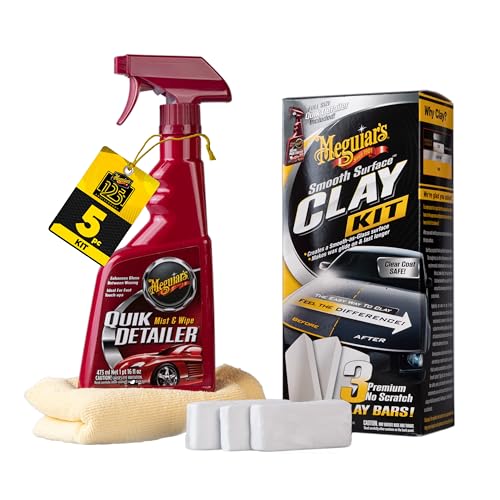
Using a clay bar [a mildly abrasive resin compound] is the safest initial method to lift paint transfer from your car’s clear coat. Think of the clay bar like a super-magnet for contaminants stuck on your paint, not in it. It shears off the foreign material without harming the finish, provided it’s used correctly with a lubricant.
Here is the tested method for using a clay bar kit:
- Prepare the Surface: Wash and dry the affected area completely. You don’t want to rub existing dirt into the paint.
- Apply Lubricant: Spray a generous amount of a dedicated clay lubricant onto a small, 2×2 foot section. Also, spray the clay bar itself.
- Glide the Clay Bar: Gently glide the clay bar back and forth over the paint transfer. You will feel it grab at first and then become smooth as it picks up the contaminants. Do not use a circular motion.
- Wipe and Inspect: Use a clean, soft microfiber towel to wipe away the lubricant residue. Inspect the area. The surface should feel perfectly smooth. If the scuff is gone, proceed to the final step.
- Apply Wax: Using a clay bar removes any existing wax. You must apply a fresh coat of car wax to the area to restore the protective coating on your clear coat.
Pro Tip: If you drop the clay bar on the ground, throw it away. It will have picked up grit that will severely scratch your paint.
Can You Use Mild Solvents for Stubborn Scuffs?
Yes, but with extreme caution. A tiny amount of a mild solvent like acetone (found in nail polish remover) on a cloth can remove stubborn paint scuffs. Wipe for only 1-2 seconds, then immediately neutralize with soapy water or a detail spray to prevent clear coat damage. Always test in a hidden area first.
If a clay bar didn’t work, the paint transfer may have slightly “bitten” into your clear coat. A mild solvent can dissolve it, but it will also temporarily soften your car’s urethane clear coat. Speed and caution are critical.
| Solvent Type | Effectiveness on Scuffs | Risk to Clear Coat | Best For… |
|---|---|---|---|
| Isopropyl Alcohol | Low-Medium | Low | Light latex paint splatter, adhesives |
| WD-40 | Low-Medium | Very Low | Tar, some road paint, requires scrubbing |
| Nail Polish Remover (Acetone) | High | High | Quick removal of enamel/lacquer transfer |
| Lacquer Thinner | Very High | Very High | Professional use only, extremely aggressive |
How to Use a Mild Solvent Safely:
- Put a very small amount of acetone or lacquer thinner on a clean microfiber towel, not directly on the car.
- Gently wipe the paint transfer with one quick pass. Do not scrub or apply pressure.
- Immediately spray the area with a quick detailer spray or soapy water to neutralize the solvent.
- Wipe the area dry with a fresh towel.
- Finish by applying wax to restore protection.
What Is The Best Way to Strip All The Paint Off a Car?
The two best ways to strip all paint off a car are chemical stripping and mechanical sanding/grinding. Chemical stripping uses a gel to dissolve the paint layers, which is less dusty but requires careful handling and cleanup. Mechanical sanding uses tools like an orbital sander or angle grinder to physically abrade the paint off, offering more control but creating significant dust and heat.
This process is for the automotive enthusiast or restorer preparing a vehicle for a full repaint. Your goal is to get down to the bare metal substrate for rust repair and bodywork.
| Feature | Chemical Stripping | Mechanical Sanding/Grinding |
|---|---|---|
| Primary Tool | Aircraft-grade paint stripper (gel) | Orbital Sander, Angle Grinder with strip discs |
| Pros | Less physical effort, effective on complex shapes | More control, no harsh chemicals, preps surface |
| Cons | Messy, toxic fumes, requires neutralizing | Very dusty, labor-intensive, can warp panels |
| Best For | Engine bays, door jambs, intricate areas | Large, flat panels like hoods and doors |
For a full restoration, professionals often use a combination of both methods. An alternative for high-end projects is media blasting (like soda blasting), which propels fine media at the surface to strip the paint.
Mechanical sanding is often preferred for large, flat panels. The key is proper grit progression. You start with a coarse grit (like 80-grit) on an orbital sander to remove the bulk of the material and then move to finer grits (180, then 320) to remove the sanding marks and prepare the surface for primer.
When using an angle grinder with a strip disc, it’s crucial to keep the tool moving and use light pressure. Staying in one spot for too long generates heat, which can warp the thin metal of a car panel. This experience-based technique is vital for avoiding costly damage.
FAQs About how to take paint off car
Will acetone ruin car paint?
Yes, acetone can ruin car paint if used improperly. It is a strong solvent that will soften and dissolve the protective clear coat and the color basecoat if left on for more than a few seconds. For small scuffs, it should only be applied to a cloth, wiped quickly, and neutralized immediately. Never pour it directly onto a car’s surface.
How do you get spray paint off a car?
For fresh spray paint, a clay bar or polishing compound is often effective. If the spray paint has cured, you will need to use a solvent. Start with a less aggressive option like isopropyl alcohol. If that fails, very carefully use lacquer thinner or a dedicated spray paint remover, testing in an inconspicuous area first and working quickly.
Does WD-40 remove paint from a car?
WD-40 can remove some types of paint, like road paint or light spray paint, but it is not a dedicated paint remover. It works by lubricating and breaking down the bond between the unwanted paint and the car’s surface. It requires significant rubbing and is less effective on cured or heavy paint transfer, but it is very safe for your car’s clear coat.
How do you remove house paint from a car exterior?
For latex house paint, start by pressure washing or using hot, soapy water to soften it. If it’s fresh, it may come off easily. For dried latex or oil-based house paint, apply a small amount of a product like Goof Off or a citrus-based remover to a cloth and gently agitate the spot. Avoid general-purpose paint thinners.
How much does it cost to strip a car for painting?
Professional chemical or media-blasting stripping can cost between $1,000 and $3,000 or more, depending on the vehicle size and shop rates. DIY chemical stripping costs around $100-$300 for the materials. DIY mechanical sanding is the cheapest option in terms of materials but requires a significant investment in time and labor.
Can I use a pressure washer to remove car paint?
A standard consumer pressure washer will not remove healthy, factory-applied car paint. However, a high-powered industrial pressure washer (4000+ PSI) can strip paint, especially if it’s already peeling or damaged. Using such high pressure risks damaging or denting the underlying metal panels, so it is generally not a recommended method.
How do you remove paint from plastic car trim?
Do not use strong solvents like acetone or lacquer thinner on plastic trim, as they will melt or permanently discolor the plastic. Start with isopropyl alcohol on a cloth. If that doesn’t work, use a dedicated automotive all-purpose cleaner and a stiff brush. For very stubborn paint, a plastic razor blade can be used carefully.
What takes paint off a car fast?
Aircraft-grade chemical paint strippers are the fastest way to remove all layers of paint from a car. These potent gels dissolve paint in as little as 15-30 minutes. For minor paint scuffs, a quick wipe with acetone or lacquer thinner on a rag is the fastest method, but it also carries the highest risk of damaging the clear coat.
Will rubbing alcohol take paint off my car?
Isopropyl (rubbing) alcohol is generally safe for car paint and is effective on some types of paint, like fresh latex paint splatter. It is not strong enough to remove cured automotive paint or significant paint transfer. It’s a good, safe first step to try before moving to more aggressive solvents.
How do you remove paint from chrome?
To remove paint from chrome, use a solvent and fine-grade #0000 steel wool. Apply a small amount of acetone or lacquer thinner to the steel wool and gently rub the painted area. The solvent will dissolve the paint, and the super-fine steel wool will agitate it without scratching the hard chrome plating.
Key Takeaways: How to Take Paint Off Car Summary
- Identify Your Goal First: The correct method depends entirely on if you are fixing minor paint transfer or doing a full car paint stripping project for restoration. Using the wrong technique will cause damage.
- Safety Is Non-Negotiable: Always use protective equipment (PPE) like gloves and goggles, and test any product on a hidden spot first. Strong chemicals damage clear coat and are toxic.
- Use the Least Aggressive Method First: For scuffs, always start with a clay bar or polishing compound before considering risky solvents like acetone. This protects your car’s finish.
- Stripping Is a Major Project: Full paint removal requires a choice between messy chemical paint strippers and labor-intensive sanding with an angle grinder or orbital sander. Both are advanced tasks.
- Solvents Are a Last Resort for Scuffs: Chemicals like nail polish remover or lacquer thinner can work, but they dissolve clear coat almost instantly. Use for 1-2 seconds only and neutralize immediately.
- Follow Up with Protection: After removing paint scuffs or transfer, the area’s protective layer is gone. You must always re-apply wax or a sealant to protect the exposed clear coat.
Final Thoughts on How to Take Paint Off Car
Successfully taking paint off a car comes down to one principle: using the right tool for the right job. Whether you’re dealing with a frustrating paint scuff or embarking on an exciting restoration project, the key is to diagnose the problem correctly and always prioritize safety. By starting with the least aggressive method and understanding the risks of more powerful solutions, you can achieve professional results without causing costly damage. You now have the knowledge to tackle your project with confidence.
Last update on 2026-03-13 / Affiliate links / Images from Amazon Product Advertising API


