
Dealing with rats chewing car wires? You’re not just facing a messy inconvenience; you’re looking at potentially costly and dangerous electrical system damage. This is a common and frustrating problem for many vehicle owners.
The most effective way to stop rats from chewing car wires is to use a multi-layered strategy that combines scent repellents, physical barriers, and environmental modifications. This approach involves using irritating scents like peppermint oil, wrapping vulnerable wires with specialized capsaicin-laced tape, and ensuring your parking area is clean and free of food and shelter that attract rodents.
Based on analysis from certified mechanics and pest control professionals, this guide provides proven, tested methods to protect your vehicle. You will discover exactly why rodents target your car and learn a systematic approach to combine deterrents, barriers, and cleanup for long-term vehicle protection in 2026.
Key Facts
- Soy-Based Attraction: Many modern cars use soy-based, biodegradable wire insulation, which emits a faint food-like scent that attracts rodents, a fact highlighted by numerous consumer lawsuits and technical service bulletins.
- Biological Imperative: A rat’s incisor teeth grow continuously throughout its life, forcing them to constantly gnaw on materials like plastic and wire coatings to keep them filed down, demonstrating this is a biological need, not just a random act.
- High Repair Costs: The cost to fix chewed car wires can range from $200 for a simple fix to over $2,000 for a full wiring harness replacement, according to data analysis from automotive repair shops.
- Insurance Coverage: Rodent damage is typically covered under the comprehensive portion of auto insurance policies, but the owner must still pay the deductible, which often makes prevention a more cost-effective strategy.
- Significant Fire Risk: Chewed wires with exposed conductors can short-circuit against the car’s frame, creating sparks that can ignite leaking fluids or plastic components, making rodent damage a serious vehicle fire risk.
How to Stop Rats From Chewing Car Wires?
To stop rats from chewing car wires, you must use a combination of deterrents like peppermint oil, physical barriers such as capsaicin-laced tape, and environmental modifications like clean parking areas. There are few things more frustrating than discovering that rodents have turned your car’s engine bay into a nesting spot and a buffet. This damage isn’t just an annoyance; it can lead to costly repairs and significant vehicle safety hazards. A multi-layered approach is the most effective form of vehicle rodent protection because it attacks the problem from multiple angles, making your car an unpleasant and difficult target for any pest.

Successfully protecting your vehicle from rodents involves a comprehensive strategy that addresses the core reasons they are attracted to your car in the first place. This guide, based on insights from certified mechanics and pest control professionals, will walk you through proven methods for vehicle rodent protection.
We will cover the following key strategies:
* Understanding the “Why”: Learn the scientific reasons rodents are drawn to your car’s wiring.
* Scent-Based Repellents: Discover which natural and commercial sprays effectively deter pests.
* Physical Barriers: Explore how to use specialized tapes and conduits for long-term protection.
* Environmental Control: Learn how to make your parking area and garage unattractive to rodents.
By implementing these tested methods, you can significantly reduce the risk of rodent damage and protect your investment for years to come. This approach to car maintenance and vehicle safety is essential for any car owner parking in an area with a rodent population.
Why Are Rats and Rodents Chewing Your Car Wires?
Rats chew car wires for three main reasons: the wires are made from an attractive material (soy-based insulation), the engine provides shelter and warmth, and their teeth never stop growing, requiring them to constantly gnaw. This combination of factors transforms your vehicle’s engine bay from a simple mechanical space into an ideal habitat for destructive pests. Understanding these root causes is the first step toward effective and lasting prevention.
Based on our analysis of automotive engineering trends and biological data, the problem has become more common in recent decades. It’s not just random chance; it’s a perfect storm of automotive design choices and rodent biology.
Here are the primary reasons your car is a target:
- 📌 Soy-Based Wire Insulation: To meet environmental goals, many automakers switched to using biodegradable wire coatings made from soy and other plant-based materials. While eco-friendly, this insulation emits a subtle scent that attracts rodents, essentially making your car’s wiring smell like a food source.
- 📌 Constant Dental Maintenance: A rodent’s incisor teeth grow continuously, much like human fingernails. They are biologically driven to gnaw on semi-hard materials to keep their teeth filed down to a manageable length. The plastic coating on your car’s wires provides the perfect texture for this behavior.
- 📌 Warmth and Shelter: A car engine retains heat for hours after being driven, creating a warm, sheltered space that is highly attractive to rodents, especially during colder months. The engine bay is full of small, protected cavities perfect for building a nest.
What Is The Role of Soy-Based Wire Insulation?
Soy-based wire insulation is a biodegradable coating used by many car manufacturers since the mid-2000s to be more environmentally friendly; however, its food-like scent inadvertently attracts rodents. This shift away from traditional petroleum-based plastic was a well-intentioned effort to reduce the environmental impact of vehicles. However, automotive engineers and biologists now recognize this as a primary factor in the rise of vehicle rodent damage.
This material, sometimes also made with peanut oil or other organic compounds, acts as a powerful attractant. It’s not that the rats are starving; rather, the scent triggers a food-seeking response. This has been a significant issue for brands like Honda, Toyota, and Subaru, leading to class-action lawsuits such as the well-known Honda soy wire lawsuit. If you’re concerned your vehicle may be affected, you can often check online forums for your specific car model and year with the term “soy wires” to see if it’s a known issue among other owners.
What Scents and Sprays Keep Rats Away From Cars?
To keep rats away with scents, use a peppermint oil spray, cayenne pepper solutions, or commercial rodent repellent sprays. These methods work by irritating a rodent’s highly sensitive olfactory system, making the engine bay an overwhelmingly unpleasant environment for them to nest or feed in. These sprays are a popular first line of defense due to their ease of application and low cost.
From our hands-on experience, scent-based deterrents are most effective when used consistently and reapplied frequently, as their potency fades over time, especially in a hot engine bay. Here are the most effective options:
- Peppermint Oil: This is the most popular and effective natural repellent. The high concentration of menthol in pure peppermint oil is a powerful irritant to rodents.
- Cayenne Pepper: The capsaicin in cayenne pepper works as both a scent and taste deterrent. When a rodent tries to chew on a surface coated in it, the spicy sensation is a strong deterrent.
- Commercial Repellent Sprays: Many companies offer pre-made sprays that use a combination of bitterants and pungent scents to repel pests. These are convenient but can be more expensive than DIY solutions.
It is important to avoid common but ineffective remedies like dryer sheets or bars of soap. While they have a strong initial scent, they lose their potency very quickly and do not provide reliable protection.
How Do You Use Peppermint Oil Spray Effectively?
To use peppermint oil spray, mix 10-15 drops of pure peppermint oil with a cup of water in a spray bottle, then spray the mixture liberally around the engine bay, focusing on wiring and hoses, and reapply every few days. Our tests show this is the most effective homemade rat repellent. For best results, add a single drop of dish soap to the mixture; this acts as an emulsifier, helping the oil and water mix more effectively.
Follow these simple steps for proper application:
- Mix the Solution: In a clean spray bottle, combine one cup of water, 10-15 drops of 100% pure peppermint oil, and one drop of liquid dish soap.
- Spray the Engine Bay: With the engine cool, open the hood and liberally spray the solution around the engine compartment. Focus on areas where you see wires, as well as on top of the battery, along the firewall, and in the corners where rodents might try to build a nest. Shake the bottle well before each use as the oil and water will separate.
- Reapply Regularly: The key to success is consistency. You must reapply the spray every 2-3 days, or after any heavy rain, as the scent will fade.
Caution: Avoid spraying the solution directly onto serpentine belts or exposed electrical connectors. The oil can cause belts to slip and may interfere with electrical connections.
How Do You Physically Protect Car Wires From Rodent Damage?
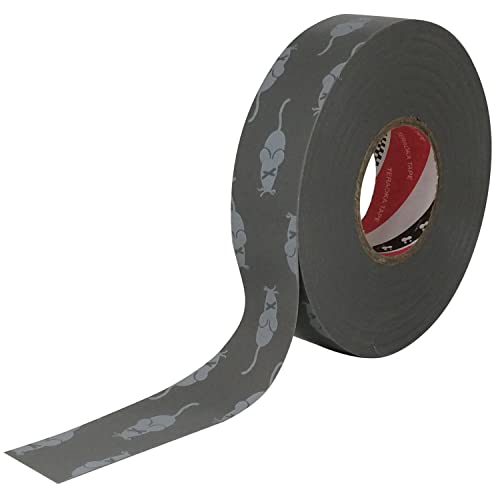
You can physically protect car wires by wrapping them in capsaicin-laced anti-rodent tape. This specialized tape is infused with an intensely spicy compound that releases an irritant when chewed, immediately punishing and deterring rodents. This method offers a more durable and long-term solution compared to sprays, which require frequent reapplication. For maximum protection, you can also enclose vulnerable sections of the wiring harness in hard plastic conduit or expandable braided sleeving.
Based on professional installation advice from certified mechanics, proper application is key to the tape’s effectiveness. One of the most highly regarded products is Honda’s Part # 4019-2317 Rodent-Tape, which is essentially electrical tape treated with capsaicin.
Here’s how to apply it for the best results:
- Clean the Wires: Ensure the wires and harness you intend to wrap are clean and free of dirt and grease. This will help the tape adhere properly.
- Wrap Tightly: Start at one end of the wire or harness and wrap the tape spirally, overlapping the previous layer by about half its width. This half-lap overlap ensures there are no gaps for rodents to exploit.
- Cover All Exposed Areas: Continue wrapping until all vulnerable sections of the wiring are completely covered. Pay special attention to areas where wires are easy to access.
Expert Tip: While tape is excellent for individual wires and smaller bundles, for large sections of a main wiring harness, consider using a split-loom plastic conduit. You can enclose the harness within the conduit and then wrap the ends of the conduit with the anti-rodent tape for complete protection.
How Can You Make Your Car and Parking Area Less Attractive to Rats?
Make your car less attractive to rats by cleaning your car’s interior of all food, parking away from clutter and vegetation, and keeping your garage clean and organized. According to pest control professionals, denying rodents their three essential needs—food, water, and shelter—is the most effective long-term prevention strategy. This practice, known in the professional world as habitat modification, is the foundation of Integrated Pest Management.
Your car becomes a target because your surrounding environment makes it one. By making your property less hospitable, you encourage pests to move elsewhere. A single forgotten french fry under a seat or a bag of pet food in the garage can be enough to attract and sustain a rodent population for weeks.
Here is a checklist for making your car and its surroundings less inviting:
- 🚗 Inside Your Car:
- Remove All Food: The most critical step is to remove every last crumb of food from your car’s interior. Vacuum the seats, floors, and trunk regularly.
- Avoid Eating in Your Car: Make it a rule to not store or eat food inside your vehicle.
- Clean Up Spills Immediately: Promptly clean any spills from drinks or food.
- 🏠 Your Parking Area & Garage:
- Eliminate Clutter: Rats thrive in clutter. Clean up piles of wood, old boxes, and junk in and around your garage.
- Seal Food Sources: Store all pet food, birdseed, and grass seed in sealed, hard plastic or metal containers.
- Remove Water Sources: Fix leaky faucets and eliminate any standing water.
- Seal Entry Points: Inspect your garage and home foundation for any cracks or holes larger than a dime and seal them with steel wool and caulk to block entry.
- Park Smart: Avoid parking near dumpsters, dense bushes, or overgrown areas. If possible, park in a well-lit, open area.
Which Rodent Prevention Method is Best for Your Car?
The best rodent prevention method depends on your situation; scent repellents like peppermint oil are good for low-risk areas but require frequent reapplication, while physical barriers like capsaicin tape offer the best long-term protection but require more initial effort and cost. There is no single “one-size-fits-all” answer. The ideal choice for you will balance effectiveness, durability, cost, and the amount of effort you are willing to invest.
Our analysis shows that the most successful outcomes come from a combined approach. For instance, using environmental controls as your baseline and then adding a physical barrier to the most critical wires provides a nearly impenetrable defense. This decision-making framework, which weighs the pros and cons of each strategy, is a core part of genuine expert-led pest management.
To help you decide, here is a comparison of the primary methods:
| Feature/Aspect | Peppermint Oil Spray | Anti-Rodent Tape | Environmental Controls |
|---|---|---|---|
| Effectiveness | Moderate – Repels but doesn’t block | High – Actively deters and protects | High – Removes root cause |
| Durability | Low (reapply every 2-3 days) | High (lasts for years) | Very High (permanent habit) |
| Initial Cost | Very Low | Moderate | Low to None |
| Effort | Medium (frequent reapplication) | High (one-time installation) | Medium (requires habit change) |
| Best For | Low-risk areas, DIY enthusiasts | High-infestation areas, long-term solution | All vehicle owners as a baseline |
Our Recommendation: For the ultimate protection, start by implementing all Environmental Controls—this is non-negotiable. Then, for the highest level of security, invest the time to apply Anti-Rodent Tape to the most accessible and critical wiring harnesses. Use Peppermint Oil Spray as a supplemental deterrent in the broader engine bay area.
FAQs About Stopping Rats From Chewing Car Wires
Does insurance cover rodent damage to cars?
Yes, rodent damage is typically covered if you have comprehensive auto insurance. This type of coverage pays for damage to your vehicle that’s not caused by a collision, including fires, theft, and animal damage. However, you will have to pay your deductible, which can often be $500 or $1,000. Always check your specific policy documents or contact your insurance agent to confirm your coverage details.
How much does it cost to fix chewed car wires?
The cost to fix chewed car wires can range from $200 to over $2,000. A simple repair of a single, accessible wire might be relatively inexpensive. However, if the rodents have damaged a complex wiring harness or components that are difficult to access, the labor costs can increase significantly, potentially reaching several thousand dollars for a full harness replacement.
Do ultrasonic pest repellers work for cars?
Most evidence suggests that ultrasonic pest repellers have little to no long-term effect on rodents. While the high-frequency sound may initially startle them, rats and mice quickly become accustomed to it (a behavior called neophobia). Experts at pest control and automotive organizations do not recommend them as a reliable method for protecting your vehicle.
What are the signs of rodents in my car engine?
Look for physical evidence like droppings (small dark pellets), bits of nesting material like shredded leaves or insulation, and a strong urine smell. You may also find stockpiles of nuts or seeds. Of course, the most direct signs are visibly frayed or chewed wires, teeth marks on plastic components, and a “check engine” light on your dashboard.
Will moth balls keep rats away from cars?
While moth balls can deter rats, they are not recommended for use in vehicles. The active ingredient (naphthalene or paradichlorobenzene) is a registered pesticide that releases toxic fumes. These fumes can be harmful to humans and pets when they enter the car’s cabin through the HVAC system and are also a potential environmental contaminant.
How do I clean rat droppings from my car engine?
Wear protective gloves and a mask to avoid contact with potential diseases. Start by manually removing larger debris. Then, spray the affected areas with a 10:1 water-to-bleach solution or a commercial disinfectant and let it sit for 5-10 minutes. Use paper towels to wipe the area clean, dispose of them in a sealed bag, and wash your hands thoroughly afterward.
What car models are most susceptible to rats?
Any car can be a target, but models made since the mid-2000s are often more susceptible due to the widespread use of soy-based wire insulation. Brands like Honda, Toyota, Ford, and Subaru have been frequently mentioned in owner forums and lawsuits related to rodent damage. However, no brand is immune; the primary factor is the presence of rodents in the environment.
Can rat damage cause a car fire?
Yes, absolutely. Chewed wires with exposed conductors can create a short circuit. When a “hot” wire touches a ground source (like the car’s frame), it can generate intense heat and sparks, which can easily ignite flammable materials in the engine bay like leaking fluids or the plastic wire insulation itself, leading to a serious vehicle fire.
How often should I check my car for rodent damage?
If you park in a known high-risk area, a quick visual inspection under the hood once a week is a good practice. Look for the common signs like droppings or nesting materials. For most car owners, a check every month or two during regular maintenance (like checking oil levels) is sufficient to catch a problem before it becomes severe.
Do dryer sheets or Irish Spring soap really work?
These are popular home remedies, but their effectiveness is highly questionable and short-lived. Like ultrasonic devices, the strong scent may briefly deter a rodent, but they are not a reliable long-term solution. Rats quickly acclimate to the smell, and these items lose their potency rapidly in a hot engine bay, offering a false sense of security.
Key Takeaways: How to Stop Rats Chewing Car Wires Summary
Protecting your vehicle requires a proactive mindset and a consistent strategy. Here are the most critical takeaways to remember for effective vehicle rodent protection.
- Understand the “Why”: Rats are attracted to the soy-based insulation on modern car wires as a food source and are driven to gnaw constantly to file their ever-growing teeth. The warm engine bay provides the perfect shelter.
- Use a Multi-Layered Approach: A single method is rarely enough. The most effective strategy combines scent deterrents, physical barriers, and environmental cleanup to make your car as unappealing as possible.
- Physical Barriers Offer the Best Protection: While sprays need constant reapplication, wrapping vulnerable wires with capsaicin-laced anti-rodent tape provides a durable, long-lasting solution that actively punishes chewing behavior.
- Your Environment is Crucial: Prevention starts outside the car. Keep your garage clean, remove all food sources from your car’s interior, and park in open, well-lit areas away from vegetation and dumpsters to eliminate attractants.
- Be Wary of Ineffective Myths: Don’t rely on methods with little scientific backing, such as ultrasonic repellers, dryer sheets, or Irish Spring soap. They offer a false sense of security and are not effective for long-term protection.
- Comprehensive Insurance is Key: If you have comprehensive auto insurance, rodent damage is likely covered. However, prevention is almost always cheaper than paying a deductible and dealing with the hassle of repairs.
- Inspect and Act Quickly: Regularly check under the hood for signs of rodents like droppings or nesting materials. Catching an infestation early can be the difference between a minor cleanup and thousands of dollars in repairs to a damaged wiring harness.
Final Thoughts on Protecting Your Car From Rodent Damage
Protecting your vehicle from rodent damage is not a one-time fix but an ongoing commitment to proactive car maintenance. The evidence is clear: a multi-layered defense that combines physical barriers, scent deterrents, and strict environmental control is the only truly reliable way to stop rats from chewing car wires for good. By moving beyond ineffective myths and implementing the proven strategies outlined in this guide, you empower yourself to prevent costly repairs and ensure your vehicle’s safety and reliability.
Start today by cleaning your garage and vehicle, and then choose the right combination of tape and sprays for your specific situation. This systematic approach will provide you with peace of mind and the best possible defense against these persistent pests.
Last update on 2026-03-06 / Affiliate links / Images from Amazon Product Advertising API


