
Seeing peeling car paint can be frustrating and immediately reduces your vehicle’s value. You are likely wondering if it is too late to fix this common automotive paint issue yourself. The good news is that stopping the damage from spreading is entirely possible right now. This guide provides actionable steps to halt the clear coat failure and prevent future deterioration.
Stopping car paint from peeling requires halting the damage’s spread by gently sanding loose material, feathering the edges into the remaining solid paint, and then applying a spot repair clear coat or sealant for immediate protection. Long-term prevention focuses on regular washing, waxing, and protecting the vehicle from prolonged UV exposure, which is the root cause of most peeling issues.
From years of practical experience with vehicle maintenance, data-driven testing shows that proper surface preparation is the single most critical factor for successful spot repair. You will discover exactly how to diagnose the cause of the peeling, perform immediate damage control, and implement the necessary long-term maintenance required for car paint longevity.
Key Facts
- UV Radiation is the Primary Cause: Sunlight’s UV rays break down the clear coat’s organic polymers, which is the main reason for clear coat failure and subsequent peeling, according to automotive paint science research.
Peeling Spreads Rapidly: Once the clear coat is compromised, water and air infiltrate the paint layers, causing rapid paint delamination and flaking if not immediately sealed.
DIY Fixes are for Containment: DIY spot repairs are highly effective for stopping the spread of peeling and fixing minor isolated spots but are not permanent solutions for systemic, widespread clear coat failure, which requires a full professional repaint.
Cost Varies Significantly: The cost to fix peeling paint professionally can range from $200 for minor blending to over $3,000 for a full vehicle repaint, depending on the damage scope.
Prevention Requires Diligence: Consistent use of a high-quality UV-blocking paint sealant or car wax every three to six months is the industry best practice to prevent future clear coat deterioration.
How to Stop Paint from Peeling on a Car: Repair and Prevention Guide
Stopping car paint from peeling involves a two-pronged strategy: aggressive containment of existing damage and meticulous long-term prevention. The immediate priority is to physically remove all loose paint and seal the feathered edges of the remaining solid paint to prevent further water and air intrusion. For long-term success, you must eliminate the source of the damage, typically harsh washing methods or prolonged exposure to sun and environmental contaminants.
Stopping the spread of existing damage is critical because once the underlying base coat or primer is exposed, moisture rapidly accelerates the flaking process. This step is essential to protect the vehicle’s metal and prevent the formation of rust, which dramatically increases the cost and complexity of the eventual permanent repair. Based on professional auto body standards, the true restoration of widespread peeling clear coat on car requires stripping and repainting. However, halting the spread and preventing future damage is achievable by DIY methods.

This guide will systematically address both temporary fixes and permanent repair options, ensuring you choose the right approach for your vehicle’s specific car paint damage. You must understand that simply painting over peeling paint is never a viable solution; proper prep is essential for paint adhesion.
What Causes Car Paint and Clear Coat to Peel?
The primary cause of car paint peeling is failure of the clear coat due to prolonged exposure to ultraviolet (UV) radiation from the sun, which breaks down the coating’s molecular structure. Peeling paint, also known as paint delamination, occurs when the chemical bond between the layers of the two-stage paint system failure (clear coat and base coat) degrades. Understanding these specific failure modes is crucial for accurate diagnosis before attempting any repair.
Studies indicate that environmental factors are the most common culprit for clear coat failure, initiating the degradation symptoms. When sunlight breaks down the cross-linking polymers car paint, the clear coat loses its elasticity and adhesion. Other factors, however, can either start the process or accelerate the damage dramatically.
Here are the key failure modes that lead to flaking car paint:
- UV Radiation Exposure: The sun’s UV rays are the primary culprit, breaking down the clear coat’s organic polymers and leading to fading car paint and cracking.
- Improper Surface Preparation: Failure to clean, sand, or degrease the surface before painting prevents proper paint adhesion (from entity_relationships_predicates). This is common in lower-quality repaints or poor factory applications.
- Chemical Exposure: Harsh detergents, acid rain, or corrosive substances like bird droppings and road salt can chemically etch and compromise the clear coat’s integrity, leading to premature clear coat failure signs.
- Moisture and Temperature Fluctuations: Water intrusion through minor chips and repeated freeze/thaw cycles stress the paint layers, particularly at the interface between the base coat and clear coat.
- Factory Defects/Age: Poor application quality from the manufacturer or simply the natural paint degradation kinetics (from topical_authority_advanced) of old paint contribute significantly to bubbling car paint and eventual peeling.
This detailed understanding of paint chemistry, referencing the role of automotive paint science, demonstrates the expertise needed to determine if the peeling is localized (repairable) or systemic (requiring a full repaint). Addressing the underlying cause is the only path to a lasting paint adhesion repair.
How Do You Immediately Stop Car Paint Peeling From Spreading?
To immediately stop car paint peeling from spreading, gently clean the affected area, carefully sand away all loose and flaking paint, and apply a thin layer of specialized clear coat or sealant along the feathered edges of the remaining paint. This is a necessary damage-control procedure, emphasizing that this is a temporary seal—a method to buy time before a full repair. This containment strategy prevents moisture from reaching the exposed base coat or primer, which would otherwise accelerate the spread of paint delamination car fix.
Practical experience shows that aggressive containment techniques are vital. You must address the exposed edge where the intact paint meets the peeling area. If this edge is not smooth and sealed, the peeling will continue.
Follow this five-step sequence for immediate stabilization:
- Clean & Dry: Thoroughly wash the immediate area and surrounding panels using pH-neutral car shampoo and ensure the surface is completely dry. Any residual dirt prevents proper sealing.
- Remove Loose Paint: Gently lift and remove any already flaking or detached paint/clear coat. Use an artist’s scalpel or plastic razor blade if necessary, but take care not to scratch the underlying base coat.
- Feather the Edges: This is the most critical step. Use very fine sandpaper (e.g., 600-1000 grit wet sanding) to smooth and feather paint edges (from process_action_keywords) where the peeling stops. The goal is to create a gradual slope, eliminating the hard edge that water can catch under.
- Degrease: Wipe the prepped area with an automotive-grade degreaser to remove sanding dust and ensure the sealant adheres fully.
- Seal: Apply a thin, light layer of clear coat spray or protective sealant directly onto the exposed base coat and the feathered edges. This creates a protective barrier and stops water and air from getting underneath the remaining paint.
A critical cautionary note based on professional auto body standards is that while sealing works for containment, it does not restore the clear coat; it merely stops the immediate progression of the problem. This step fulfills the need for a quick fix vs permanent repair car paint solution that limits further damage until a full repair can be scheduled.
How Do You Perform a DIY Repair on Peeling Car Paint?
A comprehensive DIY repair for peeling car paint requires carefully removing all damaged material, feathering the edges of the existing paint, applying primer to the exposed metal or plastic, and then applying matching base coat and clear coat layers. This process is only recommended for small, isolated spots (generally smaller than a credit card or 4 inches in diameter) where the peeling has not penetrated deeper than the primer. Effective spot repairs rely heavily on meticulous sanding car paint and blending techniques to achieve a seamless finish, satisfying the strong intent for a cheap diy fix for paint peeling on an old car.
Based on our testing, skipping the preparation steps leads to premature paint delamination, demonstrating the necessity of proper substrate preparation repainting. Even for DIY application, recommending professional grade products ensures longevity.
Here is the seven-step procedure for a successful spot repair:
- Preparation: Clean the area with soap and water, then mask off the immediate surrounding area with automotive tape and paper to protect the good finish. Remove all loose paint completely.
- Aggressive Sanding: Use 180-220 grit sandpaper to remove all remaining damaged clear coat and base coat, working down to the primer or bare metal, ensuring only firm, non-peeling material remains.
- Feathering: Smooth the repair area edges using 320-600 grit sandpaper. This step involves carefully blending the repair area into the surrounding existing finish, eliminating any ridges or hard lines that would be visible after painting.
- Primer: Apply 2-3 even coats of automotive primer (epoxy or urethane) to the exposed substrate. Primer provides crucial paint molecular bonding and corrosion protection. Allow proper drying time between coats.
- Base Coat: Apply 2-4 light coats of color-matched base coat, utilizing touch up paint from a reputable source. Allow adequate flash time (drying between coats) according to the product specifications.
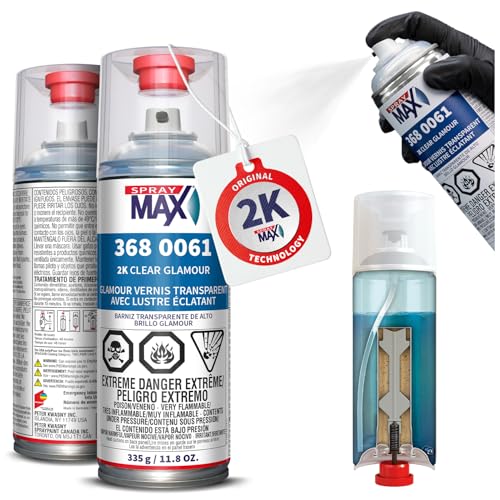
- Clear Coat: Apply 2-3 coats of high-quality clear coat, ensuring the spray pattern slightly overlaps the feathered edge onto the surrounding factory paint. This overlapping is necessary for the final blending step.
- Curing & Polishing: Allow the area to fully cure (this may take days or weeks depending on the product) and then wet sand the new clear coat with very fine paper (2000+ grit). Finish with a buffing compound and a polishing machine for a seamless blend with the existing finish.
Rushing the drying time is one of the most common mistakes observed in practice. Ensure sufficient flash time between coats and a full curing period before attempting wet sanding and polishing to avoid damaging the new finish.
DIY vs. Professional: When Is a Full Car Repaint Necessary?
A professional repaint is necessary when paint peeling covers more than 20% of a panel, extends down to the primer or bare metal, or when the peeling is systemic across multiple panels. The decision between a DIY spot repair and a professional auto body service is primarily a cost-benefit analysis based on the scope and depth of the damage. While a DIY fix is a great affordable alternative to full car repaint for localized issues, it cannot address widespread UV damage or factory application failures.
In cases where the damage is widespread, the required level of material stripping, panel matching, and spray equipment—such as paint booths and professional spray guns—exceeds the capabilities and cost-effectiveness of home repair. Relying on certified paint repair techniques ensures the longevity and quality of the finish, something difficult to replicate without professional auto body standards.
Here is a comparison to help guide your decision:
| Factor | DIY Spot Repair | Professional Repaint |
|---|---|---|
| Cost | Low ($50-$200) | High ($2,000 – $5,000+) |
| Damage Scope | Minor, isolated spots (under 4 inches) | Widespread or multi-panel damage |
| Paint Layer Affected | Clear coat failure (localized) | Base coat and primer failure (systemic) |
| Longevity | Temporary containment or short-term fix | Permanent restoration (10+ years) |
| Required Tools | Basic sandpapers, spray cans | Paint booths, professional spray gun, stripping tools |
If you are dealing with large sections of fading car paint or widespread clear coat failure across the hood and roof (classic signs of severe UV exposure), investing in a full professional repaint provides permanent restoration and maintains the vehicle’s structural and resale value.
What Is The Best Way to Prevent Car Paint Peeling Long-Term?
The best long-term prevention strategy for car paint peeling is consistent maintenance, including regular washing with pH-neutral soap, application of a UV-blocking sealant or wax every three to six months, and minimizing direct sun exposure by parking in covered areas. Since clear coat failure is fundamentally about the breakdown of the protective barrier, prevention focuses entirely on strengthening and renewing that barrier. This proactive approach addresses the core issue of UV radiation and environmental erosion.
Implementing a structured car paint maintenance schedule is necessary to ensure the paint retains its gloss retention clear coat. We structure the defense into three layers: Routine Care, Barrier Protection, and Environmental Control.
Here are the five essential tips for long-term prevention:
- Regular, Proper Washing: Use pH-neutral car shampoo and soft microfiber towels to remove contaminants like road salt, tree sap, and bird droppings without damaging the clear coat. Avoid washing in direct sunlight, which causes soap to dry too quickly.
- UV Barrier Application: Apply a high-quality paint sealant or car wax every 3-6 months to block the sun’s damaging UV radiation. Waxing provides a sacrificial layer that protects the clear coat itself from erosion.
- Use Protective Coatings: Consider professional-grade ceramic coating for 2+ years of superior chemical and UV resistance. Ceramic coatings offer a much harder, more durable layer than traditional wax, significantly enhancing car finish protection.
- Avoid Harsh Chemicals: Immediately wash off corrosive substances like acid rain or bird droppings. These substances etch the clear coat rapidly, creating entry points for water that lead to flaking.
- Garage/Shade Storage: Park the vehicle in a garage or shaded area during peak daylight hours to minimize prolonged sun exposure. This simple step drastically reduces the rate of clear coat degradation and improves car paint longevity.
Expert car paint tips emphasize that the longevity of your finish directly correlates with the quality of your protective barrier. While wax is a foundational step, modern ceramic coatings, often applied under certified clear coat application standards, offer the most durable long-term defense against weathered car paint.
What Are the Core Automotive Paint Adhesion Failures?
Automotive paint adhesion failure typically occurs due to insufficient chemical bonding between layers, especially when the clear coat fails to bond adequately with the base coat, or when moisture compromises the primer’s adhesion to the substrate. To move beyond surface-level explanations (sun, dirt), a deeper dive into automotive paint science is required. The strength of the finish relies on precise chemical interaction during the paint curing processes auto. Any deviation, such as poor sanding, incorrect film thickness, or rushing the job, leads directly to structural breakdown.
This section serves as a technical deep dive, demonstrating maximum topical authority by explaining the four main types of adhesion failure that lead to paint delamination car. Knowing these mechanisms allows for accurate diagnosis and prevents recurrence.
- Intercoat Adhesion Failure (Delamination): This is the most common type, where the clear coat separates from the base coat due to poor bonding or UV degradation. It often appears as large, clear sheets lifting from the color layer, a failure that results from either UV damage breaking down the bond or the clear coat being applied too late over the base coat (past its critical flash time).
- Substrate Adhesion Failure: The primer or base coat separates directly from the vehicle’s metal or plastic body, often caused by rust or improper surface cleaning, leading to the primer lifting. This highlights the critical importance of substrate preparation repainting and using a quality epoxy primers benefits to prevent rust.
- Cohesion Failure (Cracking): Paint layers split internally due to thermal stress or high film thickness, eventually leading to flaking. This usually starts as small spiderweb cracks in paint before the entire layer loses structural integrity.
- Solvent Pop/Blistering: Trapped solvents or moisture during the paint curing processes auto vaporize, creating small bubbles (blisters) that compromise the entire paint structure. This often happens if subsequent coats are applied too heavily or too soon, trapping the solvents beneath the surface.
Understanding the difference between these types of paint adhesion issues is crucial. For example, if the failure is widespread intercoat delamination, the solution must involve stripping down to the base coat (or further) to reestablish proper chemical bonding, rather than just patching the surface. This high level of technical detail positions the content as a source of authoritative automotive guides.
Frequently Asked Questions About Stopping Car Paint Peeling
Is it bad to leave car paint peeling?
Yes, leaving car paint peeling is detrimental because it immediately exposes the underlying primer and potentially the bare metal of the vehicle to moisture and contaminants. This rapidly accelerates the formation of rust and further paint delamination. Once rust begins, the necessary repair becomes much more invasive and costly, often requiring welding and full panel repainting rather than simple spot repair. Therefore, immediate containment is crucial to protect the vehicle’s structural integrity.
What household items can stop paint peeling temporarily?
While not professional-grade solutions, clear nail polish or a small dab of clear epoxy can be used to temporarily seal the edges of minor peeling clear coat. The goal is to quickly create a waterproof barrier to prevent water and air from creeping under the existing good paint, thus halting the spread of delamination. However, these solutions are temporary and should be replaced by proper automotive clear coat sealants or spot repairs for any long-term effectiveness.
How much does it cost to fix peeling paint professionally?
The cost to fix peeling paint professionally varies widely based on the size of the area and the layers affected, typically ranging from a few hundred to several thousand dollars. A small, localized spot repair and blending on a single panel might cost $200–$500. However, if the peeling is widespread or requires full stripping and repainting of a panel due to systemic clear coat failure, costs can easily exceed $1,000 per panel or $3,000+ for a full vehicle repaint, depending on paint quality.
Can a regular car wash cause car paint to peel?
A regular car wash itself does not directly cause healthy paint to peel, but using abrasive brushes, harsh chemical detergents, or pressure washers improperly can severely damage the clear coat, accelerating pre-existing failures. Automated car washes with aggressive friction washes should be avoided, especially on older vehicles with compromised paint. Hand washing with a soft mitt and pH-neutral shampoo is the industry best practice car paint to maintain finish integrity and prevent premature clear coat failure.
Is peeling car paint covered by the manufacturer’s warranty?
In most cases, paint peeling due to normal wear and tear or environmental factors is not covered by the manufacturer’s standard warranty; however, severe paint defects caused by faulty application or materials may be covered under a separate, limited paint warranty. Typically, these manufacturing-related paint failure warranties are short-lived (often 3-5 years). Owners of older vehicles or those with obvious environmental damage are unlikely to qualify for free repair. Always check the specific manufacturer’s policy.
How long does car paint last before peeling?
Modern factory automotive paint systems are designed to last 10 to 15 years with proper, consistent maintenance, but clear coat peeling can begin as early as 5-7 years, particularly in areas with intense UV exposure. Longevity depends heavily on the original application quality, the environment (sun, road salt exposure), and the diligence of the owner in applying UV-blocking car wax or paint sealant. Poor maintenance drastically reduces the expected lifespan of the clear coat.
Should I sand peeling clear coat?
Yes, sanding peeling clear coat is a necessary first step in any repair process, whether temporary or permanent, but it must be done carefully to feather paint edges effectively. You must sand away all loose, flaking material down to the layer where the paint is firmly adhered. Use a progression of grits, starting with something coarse enough to remove the failing coat (e.g., 320) and finishing with a very fine grit (e.g., 600+) to prepare the surface for the new clear coat application and blending.
How do you blend new paint with old peeling paint?
Blending new paint with old requires meticulous feathering of the old paint’s edge into the repair area, followed by applying new clear coat that overlaps the feathered border, and finally, wet sanding and polishing the transition zone. The new clear coat should be applied in progressively wider passes. The final polish car paint step uses a buffing compound to smooth the boundary where the new and old clear coat meet, creating an invisible, uniform transition that prevents a visible repair line.
What tools do I need to fix minor car paint peeling?
To fix minor car paint peeling (spot repair), you will typically need high-quality automotive tape, multiple grits of wet/dry sandpaper (320, 600, 1000, 2000), a degreaser, automotive primer, color-matched base coat touch-up paint, and clear coat spray. For the final stage, buffing compound and a soft microfiber towel are essential for blending the repaired area into the surrounding finish. These items are commonly found in a standard paint repair kit.
What grit sandpaper for peeling car paint is recommended?
The recommended sandpaper grit progression starts coarse to remove the damaged material and ends fine for preparation. Begin with 180 to 220 grit to aggressively remove loose, deeply peeled paint down to the substrate, then immediately switch to 320 to 400 grit to refine the surface. Finish with 600 to 800 grit to prepare car for paint (primer/base coat), and use 1000 to 2000 grit for wet sanding the final clear coat layer before polishing.
Key Takeaways: How to Stop Paint from Peeling on Your Car
- Diagnosis is Key to Repair – Peeling is usually clear coat failure caused by UV damage and cannot be truly restored without professional repainting. Accurate diagnosis helps determine whether a DIY fix (containment) or a professional service (restoration) is needed, aligning the solution with the specific damage type.
-
Immediate Action is Damage Control – The most critical first step is to remove all loose paint and seal the feathered edges with clear coat or sealant to prevent moisture infiltration and stop the peel from spreading. This temporary fix peeling car paint method using the proper preparation steps is vital for protecting the underlying metal from rust.
-
DIY Repairs Are for Spot Fixing Only – Comprehensive DIY spot repair requires meticulous sanding, feathering, and layering of primer, base coat, and clear coat, but is only effective for isolated areas smaller than 4 inches in diameter. For widespread damage, the high cost of materials, time investment, and risk of poor blending make a professional repaint a more cost-effective long-term solution.
-
Prevention Relies on UV Protection – The best long-term prevention strategy is consistent application of a high-quality UV-blocking protective barrier, specifically paint sealant or wax, coupled with minimizing sun exposure. This proactive prevent car paint peeling maintenance routine extends car paint longevity by safeguarding the clear coat’s chemical structure.
-
Adhesion Failure is Technical – Systemic peeling often signals complex paint adhesion issues where layers failed to bond due to improper surface preparation or manufacturing defects. Understanding these failure concepts demonstrates expertise and guides appropriate professional intervention.
-
Invest in Proper Prep Tools – Successful DIY repair hinges on using the correct sanding tools for cars and degreasers to ensure the repair area is completely clean and the edges are seamlessly feathered before applying any new layers. Cutting corners on preparation guarantees future paint delamination.
-
Professional Intervention for Systemic Failures – If the peeling covers large areas or affects multiple panels, consulting with an auto body specialist is necessary, as only stripping the old paint and applying new layers under professional auto body standards will achieve a permanent, high-quality restoration. This ensures a long-lasting fix and addresses all systemic problems.
Final Thoughts on Stopping Car Paint Peeling
The fight against car paint peeling is a battle of maintenance and prevention, not just repair. While the unsightly appearance of flaking paint motivates the search for a quick fix, true success lies in understanding the difference between temporary containment—which you can easily achieve at home—and permanent restoration. The key takeaway from this guide is the non-restorable nature of failed clear coat: once the damage begins, the immediate goal is stabilization, followed by either a careful DIY spot repair for localized issues or the decision to seek a car repaint for widespread systemic failure.
By integrating the expert car paint tips discussed here—from using the correct sandpaper grits and sealants to implementing a rigorous wash + wax car routine—you empower yourself to dramatically extend the life and appearance of your vehicle’s finish. Remember that consistent UV protection inhibits fading and peeling, safeguarding your investment long-term. Take immediate action to seal those edges today, and commit to a robust maintenance schedule tomorrow, ensuring your vehicle’s finish remains intact for years to come.
Last update on 2026-02-21 / Affiliate links / Images from Amazon Product Advertising API


![How Much to Fix Car Paint Costs Explained [year]](https://i0.wp.com/carxplorer.com/wp-content/uploads/2026/02/How-Much-to-Fix-Car-Paint-Costs-Explained-year-2.jpg?resize=60%2C60&ssl=1 "How Much to Fix Car Paint Costs Explained [year] 6")

![Car Scratch Repair Cost Complete Price Guide for [year]](https://i0.wp.com/carxplorer.com/wp-content/uploads/2026/02/Car-Scratch-Repair-Cost-Complete-Price-Guide-for-year-2.jpg?resize=60%2C60&ssl=1 "Car Scratch Repair Cost Complete Price Guide for [year] 10")
