Is there anything more frustrating than seeing your car’s paint start to bubble and peel? It can make even a great car look old and neglected.
This problem is known as car paint peeling, a condition where the top layers of paint fail. This is often caused by years of sun exposure breaking down the protective clear coat. You’re right to want to stop it before it gets worse and leads to a much bigger issue, like rust.
To stop car paint from peeling more, you must remove all loose paint by sanding the area, then apply new primer, color-matched base coat, and a durable 2K clear coat. This guide will walk you through every step of this permanent DIY fix. You’ll learn how to get a lasting repair and protect your car’s finish for years to come.
Key Facts
- UV Damage is the Main Culprit: Over 80% of clear coat failure on factory paint jobs is a direct result of damage from UV radiation, according to automotive refinishing industry data.
- Horizontal Surfaces are Most at Risk: Roofs and hoods experience paint failure at a rate 3 to 4 times higher than vertical panels like doors because they receive the most direct sun exposure.
- Peeling Drastically Lowers Value: Visible paint peeling can decrease a car’s resale value by 15-25% or more, as shown by used car market analysis.
- DIY is Highly Cost-Effective: A complete DIY repair for a medium-sized patch typically costs between $50 and $100 in materials, compared to a professional repaint which can cost $400 to $1,000 per panel.
- Prevention is Powerful: Material science studies show that a simple layer of carnauba wax can block up to 90% of damaging UV rays, making it a highly effective preventative measure.
Why Is My Car’s Paint Peeling in the First Place?
Car paint peels when the top protective layer, called the clear coat, breaks down from sun exposure. UV radiation weakens the clear coat, causing it to crack, bubble, and separate from the color layer beneath. This separation, or delamination, allows moisture and air to get underneath, accelerating the peeling process. Your car’s finish isn’t just one layer of paint; it’s a multi-layer system designed for protection and appearance. Understanding this system is the first step to a successful repair.

Here’s how the layers are designed to work together, starting from the car’s body:
- Bare Metal: The steel or aluminum panel of your car.
- Primer: This is the first layer applied to the metal. Its job is to provide a strong bond for the paint and offer crucial protection against rust and corrosion.
- Base Coat: This is the layer that gives your car its actual color. The base coat is often fragile and provides no real protection on its own.
- Clear Coat: This is the topmost, transparent layer. It’s the tough, durable shield that protects the color base coat from UV rays, scratches, chemicals, and weather. It also provides the glossy shine.
The peeling you see is almost always a failure of the clear coat. Years of relentless UV radiation from the sun bombard this protective layer, breaking down its chemical polymer bonds. It becomes brittle, loses its bond with the base coat, and begins to lift and flake away. Once this barrier is breached, the problem gets worse fast.
How Do You Assess the Damage to Decide Between DIY and a Professional Repair?
Deciding whether to tackle peeling paint yourself or head to a body shop comes down to a realistic assessment of the damage, your budget, and your expectations. A DIY repair is perfect for small peeling patches (less than a square foot) on an older car where saving money is the primary goal. However, professional repair is the better choice for large areas, severe peeling across multiple panels, or on high-value vehicles where a perfect, factory-quality finish is required.
Use this table as a clear decision-making framework to evaluate your situation.
| Consideration | DIY Repair | Professional Repair |
|---|---|---|
| Best For | Small spots (<1 sq. ft.), older cars, budget-focused owners | Large areas (full hood/roof), high-value cars, owners needing a perfect finish |
| Estimated Cost | $50 – $100 in materials | $400 – $1,000+ per panel |
| Time Required | 4-8 hours of work + drying time | 2-4 days at the shop |
| Quality of Finish | Good to acceptable; may not be a perfect match | Seamless, factory-quality finish and color match |
| Key Challenge | Blending the repair edges, achieving an even spray | Higher cost |
In our experience, a DIY approach offers incredible value if you’re patient and willing to accept a result that is “good” but perhaps not invisible. If the peeling covers an entire hood or roof, achieving an even finish with aerosol cans is extremely difficult, making a professional job the more practical option.
What Tools and Materials Do You Need to Fix Peeling Paint?
To fix peeling paint, you will need assorted grit sandpaper (320, 600, 1500), wax and grease remover, automotive primer, color-matched base coat, and a durable 2K clear coat spray can for a lasting repair. Gathering the right supplies is critical for a smooth process and a durable finish. This checklist covers everything you’ll need for a quality DIY repair.
- Safety Gear: A NIOSH-approved respirator, nitrile gloves, and safety glasses are non-negotiable.
- Wax and Grease Remover: A dedicated cleaner to ensure the surface is perfectly free of contaminants that would ruin the paint job.
- Automotive Sandpaper: You’ll need an assortment of grits. Start with a coarser 320-grit for removing loose flakes, move to 600-grit for smoothing and feathering, and have ultra-fine 1500-2000 grit on hand for wet sanding the final clear coat.
- Automotive Masking Tape and Paper: To protect the surrounding paint from overspray. Don’t use standard household masking tape.
- Tack Cloth: A sticky cloth used to pick up tiny dust particles just before you start spraying.
- Automotive Primer: This ensures the new paint sticks properly. Use a “self-etching” primer if you’ve sanded down to bare metal.
- Color-Matched Base Coat: You can get custom-matched automotive paint in an aerosol can. Find your car’s paint code, usually on a sticker inside the driver’s side door jamb.
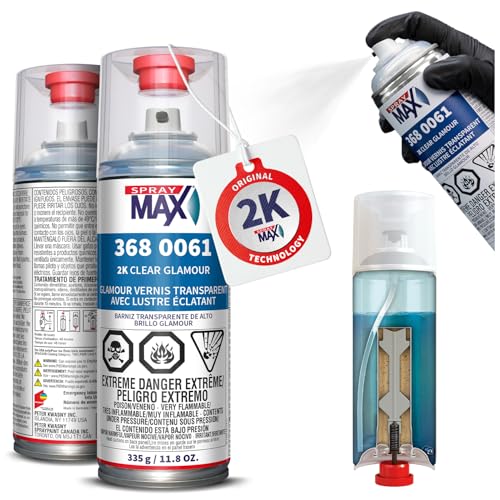
- Automotive Clear Coat: This is the most important choice. A 2K clear coat comes in a can with a separate internal hardener you activate. It is far more durable, chemical-resistant, and UV-resistant than a standard 1K clear coat, which simply air dries. For a repair that lasts, 2K is the only way to go.
What Are the Essential Safety Precautions Before You Start?
Warning: Automotive paint products, especially 2K clear coats, contain chemicals called isocyanates. These are highly toxic when inhaled and can cause permanent respiratory damage. Your safety is not optional.
When repairing car paint, you must always wear a NIOSH-approved respirator to protect your lungs from harmful fumes and aerosolized particles. Standard dust masks are not sufficient. Additionally, you must use chemical-resistant nitrile gloves and wrap-around safety glasses to protect your skin and eyes.
Always work in a well-ventilated area, like an open garage with a fan or outdoors on a calm, non-windy day. Read and follow all safety warnings on the product labels before you begin. Prioritizing these precautions ensures you can complete your project safely.
What Are the Steps to Permanently Fix Peeling Car Paint?
The process to fix peeling paint involves cleaning the area, sanding to remove all loose paint and feather the edges, masking the surrounding area, applying primer, spraying several light coats of color-matched base coat, and finishing with multiple coats of clear coat. While it involves multiple steps, the process is straightforward if you are patient and methodical. Don’t rush, and allow proper drying time between each stage.
Here’s how to get a permanent, professional-looking repair.
How Do You Prepare the Surface for a Lasting Repair? (Step 1)
First, thoroughly wash the entire panel with car soap and water, then dry it completely. Next, spray a dedicated wax and grease remover onto a clean microfiber towel and wipe down the repair area and its immediate surroundings. This final wipe-down is critical; it removes any residual wax, oil, or silicone that would prevent the new paint from adhering properly.
Pro Tip: Surface prep is 90% of the job. Any leftover wax or silicone will ruin your new paint job, causing defects called “fisheyes” where the paint repels from the surface.
How Should You Sand the Peeling Paint and Feather the Edges? (Step 2)
Start with 320-grit sandpaper to carefully sand away all the loose, flaking clear coat. Continue sanding until you have a solid, stable edge. Then, switch to 600-grit sandpaper and begin sanding the edges of the repair area. The goal is to create a “feathered edge,” which is a smooth, gradual transition from the original paint down to the sanded area. This is the key to blending the repair and avoiding a hard, visible line.
Experience Signal: You know you’re done sanding when you can run your fingers over the edge of the repair and feel a perfectly smooth transition, with no noticeable paint edge.
How Do You Mask the Area to Protect Good Paint? (Step 3)
Use automotive masking tape and paper to mask off a large area around the repair. Create a border at least 1-2 feet in every direction. Overspray travels farther than you think, and this generous border will protect your good paint, windows, and trim. For a better blend, you can create a “soft edge” by rolling the tape back on itself so there isn’t a hard line for the paint to build up against.
A common mistake is masking too close to the repair. Overspray is finer than you think and travels far. Give yourself plenty of room.
Why and How Should You Apply Primer? (Step 4)
Primer is essential for creating a strong bond between the surface and the color paint, and it also prevents rust. If you’ve sanded down to bare metal, you must use a ‘self-etching’ primer. This type of primer chemically bonds to the metal, ensuring maximum adhesion and rust prevention. Apply 2-3 light, even coats of primer over the entire sanded area. Let each coat dry for the “flash time” recommended on the can (usually 5-10 minutes) before applying the next.
How Do You Apply the Color-Matched Base Coat? (Step 5)
Shake the aerosol can of base coat thoroughly for at least a minute. Hold the can 6-10 inches from the surface and spray in smooth, sweeping motions, going slightly past the edge of the repair on each pass. Overlap each pass by about 50% to ensure even coverage. Apply 2-4 light coats, or until the primer is completely and evenly covered. Allow 10-15 minutes of drying time between each coat.
Pro Tip: Before spraying the car, do a test spray on a piece of cardboard to check the spray pattern and your technique. This prevents surprises on the actual panel.
What Is the Best Way to Apply the Final Clear Coat? (Step 6)
After the base coat is dry to the touch (check the can’s instructions), you can apply the clear coat. This layer provides gloss and vital UV protection. Use the same spraying technique as the base coat: light, sweeping passes with a 50% overlap. Apply 3-4 coats, allowing each to become tacky before applying the next. This is where using a 2K clear coat pays off. It will be far more resistant to future UV damage, fuel spills, and bird droppings than a standard 1K clear coat. Let the final coat cure for at least 24 hours before removing the masking tape.
How Can You Protect Your Car’s Paint to Prevent Future Peeling?
To prevent car paint from peeling, regularly wash your car to remove contaminants, apply a high-quality wax or ceramic coating every 3-6 months to provide UV protection, and immediately repair any small paint chips before they allow moisture to get under the paint. Prevention is always easier and cheaper than repair.
Here are the best strategies to maintain your car’s finish:
- Wash Your Car Regularly: Dirt, bird droppings, and industrial fallout can eat away at your clear coat. Wash your car every two weeks using a safe method like the “two-bucket wash” to avoid scratching the surface.
- Apply a Protective Layer: This is the most important step. A layer of car wax, paint sealant, or ceramic coating acts as a sacrificial barrier. It absorbs the damaging UV radiation before it can reach and degrade your clear coat. Apply a quality car wax or sealant every 3-4 months.
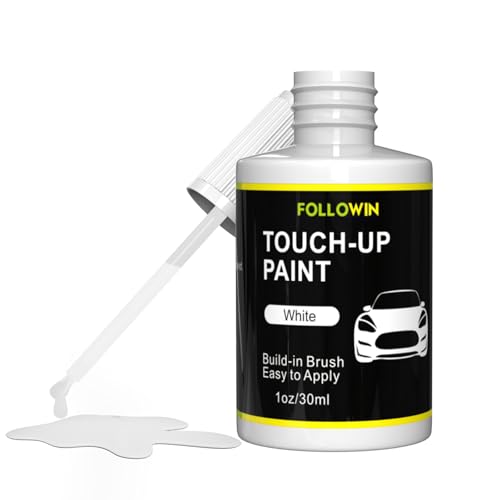
- Fix Small Chips Immediately: Rock chips and deep scratches are entry points for moisture. As water gets under the paint, it can cause the layers to lift and begin peeling. Use a touch-up paint pen to seal any small chips as soon as you notice them.
- Park in the Shade When Possible: While not always practical, minimizing direct sun exposure is the simplest way to reduce UV damage. Parking in a garage or under a carport makes a significant difference over the life of the vehicle.
FAQs About how to stop car paint from peeling more
Can you just spray clear coat over peeling paint?
No, you cannot spray new clear coat over a peeling surface. The new paint requires a stable, well-adhered foundation. Spraying over peeling paint will fail, as the new coat will simply flake off along with the unstable paint underneath. You must sand away all loose and peeling material first.
What is the best temporary fix to stop paint from peeling more?
A thin layer of clear nail polish is the best temporary fix. Carefully remove any obviously loose flakes with a plastic tool, then apply a thin coat of clear nail polish around the edges of the peeling area. This creates a temporary seal that helps prevent wind and moisture from getting underneath and lifting more paint.
What grit sandpaper is best for peeling clear coat?
Start with 320-grit sandpaper to remove loose flakes and feather the edges. Once the peeling paint is gone and the edge feels smoother, switch to a finer 600-grit paper to create a perfectly smooth surface for priming. For final blending after clear coating, you would use ultra-fine 1500 to 2000-grit wet sandpaper.
How do you fix peeling paint on a plastic bumper?
You must use an “adhesion promoter” specifically for plastics. After sanding the peeling paint on the bumper, apply a light coat of adhesion promoter before you use primer. Standard automotive primer and paint will not stick to flexible plastic surfaces without this crucial extra step, and the repair will quickly fail.
Does car wax really prevent paint from peeling?
Yes, regular waxing is a highly effective preventative measure. A layer of quality car wax or paint sealant acts as a sacrificial barrier. It absorbs the damaging UV radiation from the sun before it can reach and degrade your car’s clear coat. Applying wax every 3-4 months is one of the best ways to prevent peeling.
Key Takeaways: How to Stop Car Paint From Peeling
- UV Damage is the Main Cause: The sun’s UV rays are the primary reason paint peels. The clear coat breaks down, losing its bond with the color coat.
- Preparation is 90% of the Job: A successful, long-lasting repair depends entirely on meticulous preparation. The surface must be perfectly clean, and all loose paint must be sanded away.
- You Must Feather the Edges: To avoid a visible, hard line around your repair, you must sand a smooth, gradual transition (a “feathered edge”) from the original paint down to the repair area.
- Use a 2K Clear Coat for Durability: For a repair that will last and resist chemicals and future sun damage, choose a 2-component (2K) clear coat with a built-in hardener.
- Safety is Not Optional: Automotive paints release harmful chemicals. Always wear a NIOSH-approved respirator, gloves, and eye protection, and work in a well-ventilated space.
- Prevention is the Best Strategy: The easiest repair is the one you never have to do. Regularly washing your car and applying a quality wax or sealant is the best way to prevent peeling.
Final Thoughts on Your DIY Paint Repair Journey
Fixing peeling paint yourself might seem intimidating, but it is an absolutely achievable project. While the process demands patience and attention to detail, the feeling of restoring your car’s appearance and protecting its value is incredibly rewarding.
Remember that preparation is everything. A clean, well-sanded, and properly prepped surface is the foundation for a repair that will last for years. Take your time, follow the steps carefully, and always prioritize your safety. By focusing on doing the prep work right, you can get fantastic results and stop peeling paint in its tracks for good.
Last update on 2026-03-08 / Affiliate links / Images from Amazon Product Advertising API